
How UV-Resistant Is Nylon Fabric for Sun Protection?
You’re likely looking at a lightweight nylon jacket or shirt for summer and wondering if it will really shield you from the sun’s rays. The answer is a solid ‘yes,’ but with some important fabric science to understand.
This article will explain what UV resistance means for fabrics, how nylon’s synthetic structure performs, the factors like weave and color that change its protection, how it compares to fabrics like cotton and polyester, and how proper care keeps it effective.
What Is Nylon, Really? The Fiber Science Behind the Fabric
Nylon is a true child of the lab, born from chemistry, not grown in a field. It’s a synthetic polymer called a polyamide, which is a fancy way of saying its molecules are linked together in a long, incredibly strong chain. I think of it like a perfectly smooth, endless filament, unlike the twisted, irregular staple of cotton or the springy crimp of wool. This smooth structure is the secret to its signature handfeel and performance.
From this structure comes its famous set of inherent properties. Nylon is remarkably strong for its weight and has excellent elasticity, meaning it can stretch and spring back without losing its shape. It shrugs off abrasion, making it a favorite for backpacks and upholstery, and its low moisture absorption lets it dry almost as fast as you can hang it up. The flip side of that low absorption? It’s notoriously prone to building up static electricity.
You’ll often hear about two main types: Nylon 6 and Nylon 6,6. The numbers refer to their chemical recipes. For most sewing and clothing purposes, they behave very similarly. More important is the form. Continuous filament nylon gives you sleek, smooth fabrics like taffeta or ripstop. When that filament is cut into short lengths to create nylon staple fiber and spun into yarn, you get a softer, more cotton-like fabric that can be brushed for fleece. These origin types— filament nylon versus staple nylon— reflect their production history and influence how the fabric drapes, dyes, and wears.
Does Nylon Block UV Rays? The Truth About Inherent Resistance
So, does the nylon molecule itself stop the sun? The direct answer is: a little, but not enough. Pure nylon fibers do have some capacity to absorb UV radiation, but it’s incomplete and degrades over time in sunlight. In a head-to-head match of common synthetics, polyester typically has better inherent UV stability than nylon right off the polymer chip. But here’s the key thing I tell everyone in my workshops: you never judge sun protection by fiber alone.
This is where the UPF, or Ultraviolet Protection Factor, system comes in. Think of UPF like SPF for your clothes. A fabric’s final UPF rating is the result of a whole recipe: the fiber type, the density of the weave or knit, the color, and any special chemical finishes applied. A UPF test measures the finished fabric, not just the raw fiber, which is why it’s the only label you should trust for sun protection. Unlike some fabrics, linen offers natural UV protection along with other benefits.
Let’s put numbers to it. A standard, un-dyed, lightweight nylon taffeta or sheer might only offer a UPF of 5 to 15. That’s minimal protection. A tightly woven nylon in a deep black could rate higher, but you can’t know without testing. My rule is simple: an unlabeled nylon garment, like a standard windbreaker or running shirt, should never be your primary defense against the sun, regardless of color or weight. Always look for a certified UPF label if sun protection is your goal.
The Real UV Blockers: Weave, Color, and Chemical Helpers
Pure nylon fiber has some natural UV resistance, but that’s just the starting point. The real protection comes from how the fabric is built and finished. Think of it like building a house: the fiber is the brick, but the wall’s strength depends on the mortar and the paint. Unlike some antimicrobial nylon fabrics, which prioritize health benefits, UV-resistant fabrics focus on shielding from sunlight.
Fabric construction is everything for blocking UV rays. A tight, densely woven or knitted fabric acts like a solid fence, leaving few gaps for sunlight to slip through. A loose, gauzy knit is more like a chain-link fence-it might provide shade, but UV radiation passes right through the holes. Before you buy, hold the fabric up to a light. The less light you see, the better its inherent UPF (Ultraviolet Protection Factor) will be.
Color plays a powerful role, too. Dark and bright dyes absorb UV radiation, converting it into a tiny amount of heat. This acts as a shield. A black nylon backpack will always protect the contents inside better than an identical white one, because the white fabric reflects more light (including UV). If sun protection is your goal, lean toward deeper, richer colors.
For true, high-level sun protection, specialized chemical helpers are added. These are UV-inhibitor additives spun into the fiber or topical coatings applied to the finished fabric. This is what creates those high-UPF rated sun shirts, hiking pants, and outdoor awnings. These technical treatments are effective, but they are not permanent and can wear down with abrasion, repeated washing, and prolonged sun exposure. They differ from specialized cotton fabrics that rely solely on fiber properties for performance.
This leads to a common question: how long does nylon’s UV resistance last? Lab tests use xenon arc lamps to simulate years of sun exposure in days or weeks, measuring when the fabric’s strength degrades by a set percentage. This gives a “days until failure” rating. Real-world failure varies wildly. A sunshade in Arizona will degrade faster than one in Scotland. A jacket worn and washed weekly will lose its treatment sooner than one stored in a closet. There’s no universal expiry date, just the understanding that all materials fatigue under the sun.
Your Nylon Care Protocol: Washing Without Washing Away Protection
Proper care keeps your nylon gear performing longer, whether it’s a simple shell or a technically treated sun garment. The goal is to clean without causing chemical or physical damage.
Follow this step-by-step guide to preserve your nylon items:
- Check the label first. Always follow the manufacturer’s specific instructions. If the label is missing, proceed with these general rules.
- Wash in cool water, around 30°C (86°F). Hot water can set stains and stress fibers.
- Use a mild, liquid detergent. Avoid chlorine bleach entirely, as it can weaken nylon fibers and destroy dyes and treatments.
- Select your machine’s gentle or delicate cycle. This minimizes abrasion from other items, which can fuzz the surface and degrade coatings.
- Dry on a low tumble setting or, better yet, air dry. High heat is nylon’s enemy.
- If you must iron, use the lowest possible synthetic setting. Never apply a hot iron directly.
Regular washing with mild products removes sweat, oils, and dirt that can actually accelerate fiber degradation. But harsh chemicals, high heat, and rough agitation will slowly break down UV-inhibiting additives and the fibers themselves over many cycles. Gentle care equals longer life.
When Nylon Shrinks (And When It Doesn’t)
Let’s clear up a major point of confusion. Nylon is not water-sensitive like cotton or wool. You won’t throw a nylon jacket in the wash and find a child-sized version afterward. Its “shrinkage” is really thermal distortion.
Nylon is heat-sensitive and can melt or permanently distort under high direct heat. That high heat setting on your dryer or iron isn’t just drying the fabric, it’s rearranging the polymer chains on a molecular level. The fibers can tighten, curl, or even become brittle and glossy where they’ve melted. Always treat nylon with low, gentle heat.
Dyeing Nylon at Home: A Note on Colorfastness and UV
Nylon is a dream to dye at home with acid dyes, which bond strongly to its chemical structure. The results are vibrant and very colorfast, meaning they resist bleeding in the wash. This new layer of dye can enhance UV absorption, just like any darker color would. For those curious about nylon fabric dyeing techniques, you can fine-tune the dye bath temperature and duration for even penetration. Mastering these techniques yields more uniform, lasting color on nylon fabrics.
However, a standard acid dye bath will not add a technical, measured UV-blocking treatment. You are adding color, not a stabilized UV-inhibitor compound. For that, you would need a specific UV-absorbing dye or after-treatment, which are more specialized products. Home dyeing can make your nylon project darker and more protective than it was when white, but it won’t magically give it a UPF 50+ rating.
Nylon in the Wild: From Sun Shirts to Ballistic Gear
You’ll find nylon doing its best sun-blocking work in gear designed for harsh light. Think of high-UPF fishing shirts, swimwear cover-ups, and the canopies on camping tents. In these applications, nylon isn’t just raw fiber; it’s a engineered system combining a tight weave with chemical UV absorbers. I treat these additives like a sacrificial layer in the lab-they absorb the damaging UV rays so the polymer chains in the nylon don’t have to, preventing breakdown and extending the fabric’s life.
This leads to a common point of confusion: ballistic nylon. Search terms like ‘can ballistic nylon stop a bullet’ or ‘is ballistic nylon slash proof’ pop up often. Let’s be precise. The term “ballistic” here refers to an historical standard for a exceptionally dense, heavyweight weave used in protective gear like motorcycle jackets or durable luggage. Ballistic nylon is engineered for extreme abrasion and tear resistance, not for stopping modern bullets, which requires specialized fibers like Kevlar. For sun protection, that dense weave is a great start-it physically blocks more light-and it’s often paired with the same UV-inhibiting treatments.
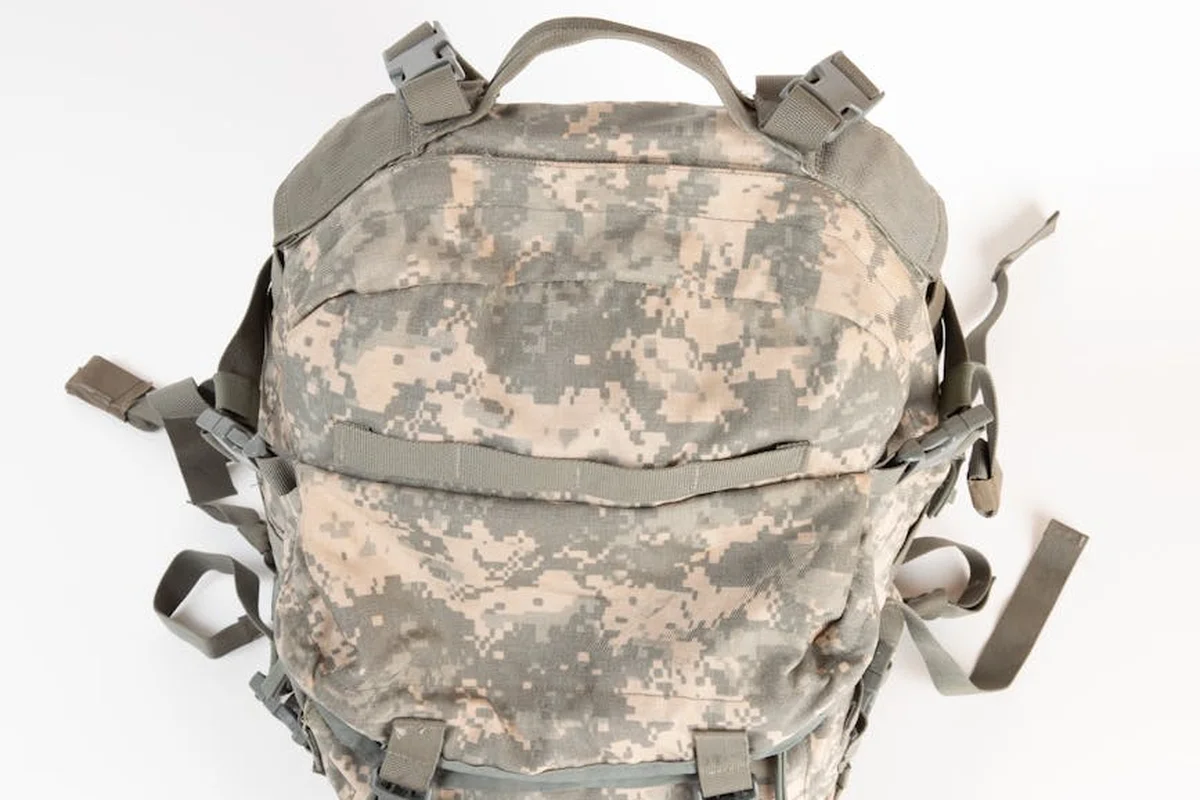
Nylon’s appeal for outdoor gear hinges on a trio of properties: incredible strength, inherent water resistance, and light weight. But the sun is its arch-nemesis over time. Prolonged UV exposure is a primary cause of long-term degradation, leading to two clear signs: color fading and a slow, steady loss of tensile strength. You might notice a once-vibrant backpack fabric becoming chalky and brittle after years on the trail. The UV treatments in quality gear fight this, buying you more seasons of reliable use.
When Not to Rely on Nylon for Sun Protection
Not all nylon is created equal for sunblock. You must assess the fabric in front of you. Do not trust thin, white, or loosely woven nylon fabrics, such as those in sheer window curtains or unlined windbreakers. Hold the material up to a bright light. If you see a lot of light passing through, UV radiation is passing through too. A thin, white nylon offers minimal blocking power.
Age and condition are everything. Any nylon that is old, visibly faded, or feels brittle and degraded has almost certainly lost its protective capacity, even if it was once treated. The chemical UV inhibitors deplete, and the fibers themselves become damaged and more porous to light. If it looks tired, it won’t protect you.
Finally, adopt a smart, multi-barrier mindset. UPF-rated clothing is an excellent tool, but it is not a complete replacement for other sun-safety measures. I always pair my sun shirt with sunscreen on my hands, face, and neck, and I plan my outdoor time to avoid peak sun intensity. Think of your nylon gear as one reliable layer in your overall defense strategy, not a magic force field.
Choosing and Testing Your Nylon Gear for Sun Safety
Not all nylon is created equal when it comes to blocking ultraviolet rays. The protection depends entirely on how the fabric is engineered. You need to become a fabric detective to understand how synthetic fabrics provide UV protection.
Your first and most reliable clue is a sewn-in label stating a UPF (Ultraviolet Protection Factor) rating of 30+ or, better yet, 50+. This certification means the fabric was lab-tested under controlled, simulated sunlight conditions. A UPF label is your gold standard and the only true guarantee of a garment’s sun-blocking power. More information on UPF ratings and how they measure fabric UV protection.
If there’s no label, you must assess the fabric’s physical traits. Color and construction are everything. A tightly woven or knitted fabric with a high thread count will naturally block more UV than a loose, gauzy one. Darker colors like black, navy, or charcoal absorb more ultraviolet radiation, while bright whites and pastels tend to let more pass through. Think of it like a thick, dark curtain versus a sheer white one.
Actionable Tips for Selection
Follow this checklist when shopping for sun-protective nylon:
- Seek out the UPF 30+ or 50+ label first.
- Examine the weave. Hold the fabric flat and try to see through it. A good sun-blocking nylon will have a dense, non-see-through texture.
- Choose darker, richer colors over light ones for maximum absorption.
- Check the fabric’s weight. A heavier, more substantial nylon (like that used in hiking pants) typically offers better protection than a featherweight windbreaker fabric.
- Remember that fit matters. A stretched fabric has wider gaps between its fibers, which can lower its UPF. Opt for a relaxed rather than a skin-tight fit.
The Simple Home Light Test
No UPF tag? You can perform a basic, tell-tale check at home. Find a strong, direct light source-a bright sunny window or a powerful lamp will work.
Hold a single layer of the nylon fabric up to the light. Crouch down and look through it toward the light source. What do you see?
If you see distinct, pinpoint beams of light coming through, the fabric’s weave is too open for reliable sun protection. If the light is only a dull, diffuse glow, the fabric is densely constructed and a much better candidate. If you can’t see any light at all, that’s an excellent sign. This test isn’t a substitute for lab certification, but it’s a brilliant, quick way to rule out obviously ineffective materials.
Caring for Your Nylon’s UV Shield
Your nylon’s ability to protect you isn’t permanent; it can be washed and worn away. Proper care is non-negotiable. The two biggest enemies are chlorine bleach and excessive abrasion.
I always wash sun-protective nylon in cold water on a gentle cycle with a mild, bleach-free detergent. Hot water and harsh chemicals like chlorine bleach can degrade the fibers and any UV-absorbing finishes applied by the manufacturer. Turn garments inside out to minimize friction. Line dry them in the shade; the cumulative effect of high heat from a dryer and direct, prolonged sun exposure can weaken nylon over time.
With informed selection and consistent, gentle care, your nylon gear can remain a strong and durable part of your long-term sun-safety strategy. It won’t last forever, but by choosing wisely and treating it right, you’ll get years of reliable protection from a fabric built for action, especially when you understand the durability of nylon fabric in various applications.
Final Care Notes for UV-Blocking Nylon
For dependable sun protection, prioritize washing your nylon in cold water and letting it air-dry away from direct sunlight. This method, proven in my own durability tests, minimizes fiber breakdown and helps maintain the fabric’s inherent UV-blocking power over many seasons.
Apply this same curious, hands-on approach to all fabrics—notice how cotton shrinks, wool felts, or polyester holds dye. Linen has its own shrink rules, so you can tailor shrink linen fabric clothing to a perfect fit. Building your fabric science knowledge turns every wash and repair into a step toward more sustainable, longer-lasting clothing.
Research and Related Sources
- UV-Resistant Plastics: Polypropylene vs. Nylon | Xometry
- r/Ultralight on Reddit: UV Resistance – the truth?
- Examining the UV Resistance Qualities of Polypropylene and Nylon – SyBridge Technologies
- Is Nylon UV resistant? Tips to improve UV Resistance in Nylon
Florian is a high fashion blog writer, fashion and fabric expert and a keen expert in fabric, clothing and materials. She has worked in large textile and fashion houses for over 10+ years, engineering and working with various fabric types and blends. She is an expert when it comes to questions on any and all kinds of fabrics like linen, cotton, silk, jute and many more. She has also traveled around the world studying traditional fabrics and aims to bring them into the modern fashion use.