
Is Your Sun Hat Really Protecting You? UPF Ratings Explained by Fabric Science
You grab a lightweight shirt or a wide-brimmed hat for sun protection, but have you ever wondered if the fabric itself is doing the heavy lifting? The secret isn’t just in the cover-up-it’s woven into the very threads, dyes, and structure of the textile.
I will explain how Ultraviolet Protection Factor (UPF) ratings work from a textile lab perspective, moving beyond the label to show you how to choose and care for protective fabrics. We will cover the science behind UPF, how tightness of weave and fabric weight create a physical barrier, why color and dye type are crucial chemical blockers, and how washing, wear, and stretching can weaken your fabric’s sun defense over time.
What Does a UPF Rating Actually Measure?
Think of UPF, or Ultraviolet Protection Factor, as a simple fraction. A UPF 50 fabric means only 1/50th of the sun’s burning ultraviolet rays make it through to your skin. The rest are blocked by the textile itself.
This is different from the SPF number on your sunscreen. SPF mainly measures protection against UVB rays, the ones that cause sunburn. A fabric’s UPF rating, however, accounts for blockage of both UVB and UVA rays, which penetrate deeper and contribute to skin aging.
The testing is strict. Fabrics are rated when they are new, completely dry, and not stretched. This means a UPF 50+ rating is the gold standard you can trust, blocking over 98% of all UV radiation before it ever touches you. It’s the most reliable number for sun-safe clothing.
How Weave, Color, and Fiber Physics Block Rays
Fabric structure is your first line of defense. Picture a crisply woven canvas or a dense denim. The yarns are packed so tightly, UV light struggles to find a path through. Now think of a breezy, gauzy linen. You can see light and shadow through it easily-so can UV rays.
I tell my students to do the “window test.” Hold the fabric up to a bright light or a sunny window. If you see distinct, sharp beams of light, the UPF is low. If the light is just a soft, diffuse glow, you’re likely looking at a tighter, more protective weave.
Stretch is a UPF killer. When you pull on a spandex blend or a knitted fabric, you physically create space between the fibers. This opens tiny gateways for UV light, which is why a tight-fitting, stretched tee offers less protection than the same shirt worn loose.
Color plays a huge role, and it’s all about pigment molecules. Darker and more intense colors, like a deep navy or a vivid cherry red, have larger, more complex molecules that act like sponges for UV energy. They absorb the rays. A pale pastel or white fabric has smaller molecules and reflects more light, including UV.
The type of dye matters too. Reactive dyes, which form a permanent bond with cotton fibers, often have good inherent UV absorption. Many acid dyes used on silk and wool also contain structures that soak up ultraviolet light. I’ve seen dyed fabrics in the lab that block more rays than their undyed, bleached counterparts.
Now, let’s talk about getting wet. A soaked white cotton t-shirt can lose up to half its UPF. The water reduces scattering and lets UV rays travel more directly through the fibers. Synthetic fibers like polyester behave differently. They often absorb less water, so their protective structure stays more intact when damp, though protection still drops. Polyester waterproof synthetic fabrics take this a step further with water-repellent finishes or laminates. In rainwear, they help keep the protective structure intact and dry faster when damp.
Textile Expert’s Note: The Hand Test for UPF
You don’t need a lab to make a good guess. Use your hands. First, feel the fabric’s density and weight. A hefty twill or a thick, springy knit usually promises better coverage than a feather-light voile.
Then, do the window test I mentioned. Crumple the fabric slightly in your hand and hold it up. If you can clearly see the outline of the light source or your hand through the cloth, its UPF is likely under 15, offering minimal protection.
Remember, this is a quick field assessment. For guaranteed protection, especially for children or long days in the sun, a garment with a sewn-in UPF 50+ label is always your safest bet. Your eyes and fingers are helpful tools, but the certified rating is the truth.
A Fiber-by-Fiber Guide to Natural UPF
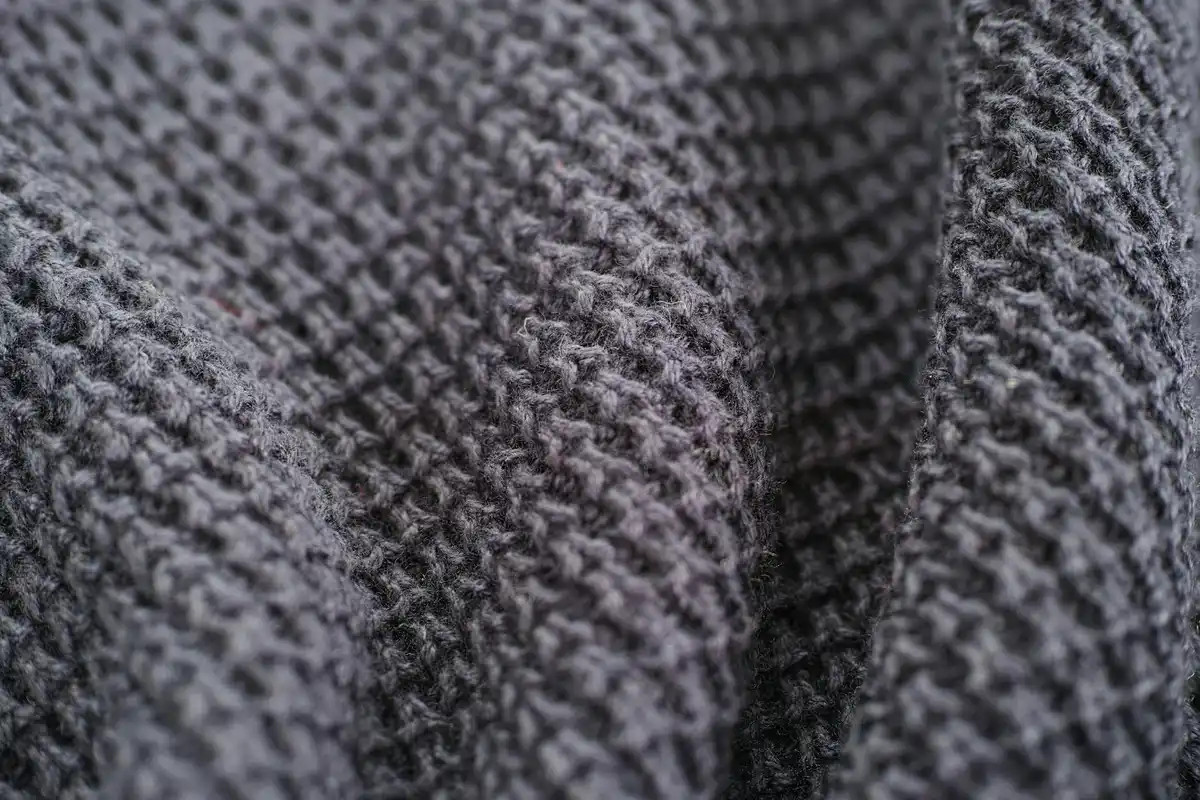
Think of your fabric as a physical shield. Its power to block UV rays isn’t magic, it’s physics. It comes down to how densely the fibers are packed and how they interact with light.
Cotton
Cotton is a blank slate for UPF. A thin, loose weave like gauze or voile offers almost no barrier, letting light stream through the gaps. The transformation happens with a tight, dense construction and deep, saturated color. Dark indigo denim or a thick, black cotton canvas can have a UPF over 1,000, while a white cotton tee might only be UPF 5. The dye itself absorbs UV energy, adding a crucial layer of defense on top of the weave.
Wool
Wool has a secret weapon: its structure. Each fiber has a scaly surface and a natural, springy crimp. When spun into yarn and woven, these fibers don’t lie flat. They create a dense, airy matrix full of tiny shadows. This complex, three-dimensional structure scatters and absorbs UV light exceptionally well, giving most wool fabrics a high innate UPF without needing chemical treatment. Even lighter-weight woolens provide good protection because of this built-in loft.
Silk
Silk presents a unique case. Its filaments are incredibly thin and smooth, which can lead to very sheer fabrics. A delicate silk chiffon or habotai will offer minimal sun protection. But when those fine threads are piled into a thicker yarn and woven tightly, as in a silk dupioni or shantung, the fabric becomes a formidable shield. The inherent density and the natural protein structure of the silk fiber work together to block rays effectively.
Polyester & Nylon
Synthetics work differently. The chemical structure of polymers like polyester and nylon can actually absorb UV radiation. This means the fiber itself acts as a sink for UV energy, especially when dyed with certain colors. That makes UV protection synthetic fabrics a top choice for outdoor use. They combine fiber chemistry with tight construction to limit UV exposure. A tightly woven polyester microfiber or a robust nylon canvas is often one of the most reliable sun-blocking fabrics you can find. The key is that tight construction, which prevents UV from slipping between the filaments.
Blends
Blends mix properties, for better or worse. A common 50/50 poly-cotton blend is a classic example. The polyester contributes UV absorption, while the cotton adds breathability and comfort, but the overall UPF depends entirely on the final weave density. Beyond the poly-cotton example, blends like cotton-wool-polyester illustrate how different fibers alter warmth, feel, and drape. Exploring these cotton-wool-polyester blends can help tailor fabrics for specific performance and comfort needs. A loose knit will still be poor, even with synthetic content. Conversely, adding a small amount of elastic fiber (like spandex) to create a stretch fabric can lower the UPF if it forces the weave to be more open.
The Care & Handling Protocol for UPF Fabrics
That fabric shield is durable, but it’s not invincible. How you care for your clothes directly impacts their long-term ability to protect you. Think of care as maintaining the integrity of the weave and the vitality of the dye.
Step-by-Step Washing to Preserve UPF
Your goal is to clean without causing stress. Fiber stress leads to breakdown, and dye fading reduces UV absorption.
- Always use a gentle or delicate cycle. The agitation in a normal cycle can physically distort the weave over time.
- Stick to cold or warm water. Hot water can cause fiber damage (weakening synthetics, shrinking wool) and accelerate dye loss.
- Choose a mild, color-safe liquid detergent. Powder detergents can sometimes leave residues that abrade fibers. Avoid detergents with heavy optical brighteners or bleach, as these chemicals break down dye molecules.
For items labeled as having a chemical UPF treatment, follow the care label exactly. Some wash-in UPF booster products exist, but I find their effectiveness diminishes significantly after 3-5 washes, as the treatment washes out unevenly.
Drying and Ironing Without Damage
Heat and light are the enemies of long-term fabric health.
- Line dry your sun-protective garments, but do it in the shade. Prolonged, direct sunlight can degrade fibers and fade dyes, ironically weakening the very UV protection you’re trying to maintain.
- If you must use a dryer, select the lowest heat setting possible. High heat is a primary cause of shrinkage in cotton and wool, which permanently tightens and distorts the protective weave.
- When ironing, use a medium heat setting appropriate for the main fiber. Excessive heat can melt or glaze synthetic fibers, damaging their structure and their ability to absorb UV.
Long-Term UPF Maintenance Checks
Fabrics wear out. Get in the habit of giving your protective clothing a periodic inspection.
Do the simple “hand test.” Hold the fabric up to a bright light or window. Can you see distinct beams of light passing through? If you can see more light than before, the fabric has thinned. This also ties into the fabric’s opacity and sheerness under light. Significant pilling, thinning at the elbows or shoulders, or drastic color fading are all visual cues that the fabric’s sun-blocking matrix is compromised.
For second-hand finds or items you’re making yourself, remember the hierarchy of defense. No amount of careful washing can give a loose, white linen weave a high UPF. Your power is in the initial choice: a tight weave, a dark or bright color, and a fiber with good innate absorption.
Your Fabric Toolkit for Sun Protection
The simplest rule is to judge a fabric by its weave, not just its color. Hold it up to a light source; if you see lots of tiny bright pinpoints, the UV can get through. For guaranteed protection, trust the UPF label over any assumption about fiber type, especially with nylon fabrics that might vary in their UV resistance.
Caring for these protective fabrics properly-washing in cool water, line drying, and avoiding harsh chemicals-preserves their structure and dye, extending their safe life. Your journey with fabric science is never done; each time you test a weave or notice how a dye holds, you learn more about the intelligent materials that dress and protect you. By examining fabric dye permanence, you see how well colors resist fading under washing and sun. This helps you choose fabrics that stay vibrant longer.
Relevant Resources for Further Exploration
- r/Ultralight on Reddit: Understanding UPF and SPF and Protecting Your Skin
- How to Choose Sun Protection UPF Clothing | REI Expert Advice
- Difference Between SPF and UPF Rating System – Sungrubbies.com
- Sun protective clothing – Wikipedia
- What Does UPF Mean | Outdoor Research
Florian Ventura
Florian is a high fashion blog writer, fashion and fabric expert and a keen expert in fabric, clothing and materials. She has worked in large textile and fashion houses for over 10+ years, engineering and working with various fabric types and blends. She is an expert when it comes to questions on any and all kinds of fabrics like linen, cotton, silk, jute and many more. She has also traveled around the world studying traditional fabrics and aims to bring them into the modern fashion use.