
Is Modal Fabric Good for Underwear and Sleepwear?
You want the silky, luxurious feel of high-end lingerie or pajamas without the fussy care instructions or the worry of constant shrinkage. Modal delivers exactly that.
In this article, I’ll explain the science behind this popular fabric and give you my hands-on care advice. We will cover its breathability and strength against daily wear, how it handles washing and shrinkage compared to cotton, its dye retention for vibrant colors, and my straightforward care routine to keep it feeling new.
Modal Fabric Decoded: From Beech Tree to Your Skin
Let’s break down what you’re really wearing. Modal is a type of rayon, a regenerated cellulose fiber. Its raw material isn’t a plant stalk or a seed boll, but the pulp of beech trees. This wood pulp origin is the key to its unique combination of strength and a luxuriously soft hand feel.
The manufacturing process turns chipped beechwood into the fabric you know. The wood pulp is dissolved in a chemical solvent to create a viscous, honey-like liquid. This liquid is then forced through a showerhead-like device called a spinneret into a bath, where it solidifies into fine, continuous filaments. I’ve seen this process in action, and the magic is in how this regeneration allows engineers to create a fiber with a smoother surface and more uniform structure than natural cotton. That smoothness is what gives modal its signature silk-like drape and reduces friction against your skin.
You’ll often see “Modal” and “Micro-Modal” on labels. The difference is simple: Micro-Modal uses finer filaments. Think of it like the thread count on sheets. Finer threads create a denser, smoother, and often more lightweight fabric. If standard modal feels like a soft t-shirt, micro-modal feels closer to the cool slip of high-quality satin.
From a materials science perspective, the process is noteworthy for its potential efficiency. Most modal is produced in a “closed-loop” system where the chemical solvents are recovered and reused to a high degree. The beech trees themselves are typically sourced from sustainably managed forests, as they regenerate without replanting. This context matters when considering the fabric’s lifecycle alongside its physical traits.
The Modal Fabric Spec Sheet: A Data Table
This table cuts through the marketing. Here’s what the properties of modal mean for the garments worn closest to you, day and night.
| Property | Rating/Note | Why It Matters for Underwear & Sleepwear |
|---|---|---|
| Breathability | High | It allows air to circulate much better than polyester, preventing that clammy feeling during sleep or activity. |
| Moisture-Wicking | High | The fiber absorbs moisture (like sweat) quickly and pulls it to the surface to evaporate, keeping you drier. |
| Shrinkage Rate | Low to Moderate | Modal is quite dimensionally stable, but to be safe, I always recommend cold water washes and air drying to prevent any gradual tightening. |
| Heat Tolerance | Low to Moderate | High heat is its enemy. Tumble dry on low if you must, but air dry flat. Iron on a cool setting if needed-high heat can scorch or melt the fibers. |
| Stretch Factor | Good Recovery | While not inherently stretchy like elastane, modal woven with a slight mechanical stretch or blended with 2-5% elastane moves with your body and bounces back well. |
| Drape & Hand Feel | Excellent, Fluid Drape; Silky Hand | This is modal’s superstar trait. The fabric falls smoothly and feels cool and sleek against sensitive skin, eliminating itch and irritation for sleepwear and seamless underwear lines. |
Why Modal Wins for Underwear and Sleepwear
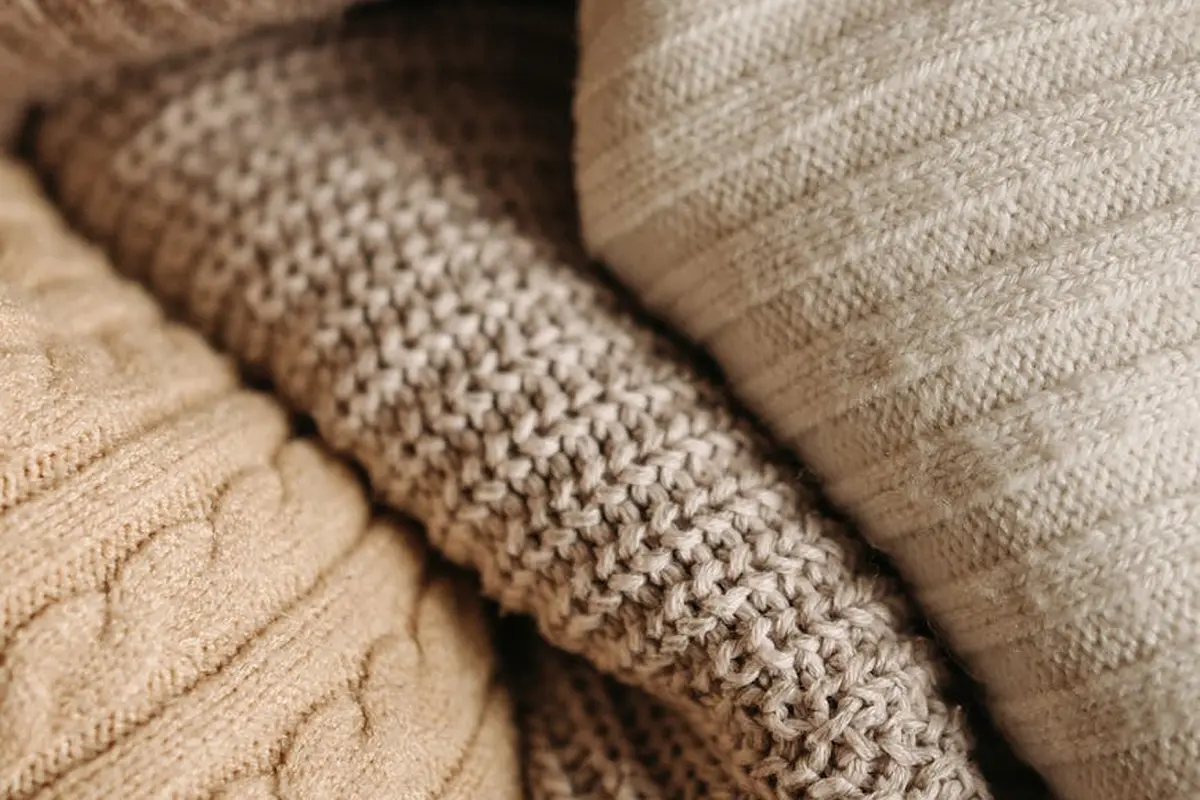
Yes, modal is an excellent fabric for underwear. Yes, it’s brilliant for sleepwear. I recommend it over standard cotton for these uses almost every time, and the reason lies in its unique fiber structure.
Think of modal fibers as incredibly fine, smooth strands of cellulose. This smoothness translates directly to a luxuriously soft hand that feels gentle against sensitive skin. That legendary softness is why modal underwear drastically reduces chafing and irritation, especially during all-day wear or physical activity.
But softness is just the start. Modal is hygroscopic, meaning it absorbs water vapor from your skin into the fiber itself. It then wicks that moisture along its surface and releases it into the air. This breathability and active wicking work together to keep your skin drier than non-wicking cotton, which can just feel damp and clingy. A drier skin environment is key for comfort.
This leads to a common concern: does modal underwear cause yeast infections? The fabric itself does not cause infections. However, any moist environment can promote yeast growth. Because modal manages moisture more effectively than many standard cottons, it can actually help promote a drier, less favorable environment for yeast compared to a fabric that simply gets wet and stays wet. For optimal health, always choose breathable styles and change promptly after sweating.
For sleepwear, modal offers a specific kind of luxury. It has a fluid, heavy drape that feels similar to silk against the body-sleek and cool. You get that sensual, luxurious drape and feel of silk for sleepwear, but without silk’s high cost or its demanding, hand-wash-only care routine. Modal sleepwear is durable enough for the washer and gets softer with every wash. Modal’s softness, breathability, and easy-care profile also explain its wide use beyond sleepwear. Easy care makes modal fabrics popular in everyday garments and home textiles.
How to Wash and Care for Modal: A Fiber Physics Guide
Caring for modal correctly is about respecting its physics. It’s a strong fiber when dry, but its smooth cellulose structure becomes more pliable and stretch-prone when saturated. The goal is to clean it without distorting that delicate, wet state. To keep this balance, follow a wash, dry, care routine for modal fabric. This approach helps maintain the fabric’s feel and fit through laundering.
Your Modal Laundry Protocol
-
Sorting and Prep. Always wash modal with like colors and similar lightweight fabrics. Turn items inside out to protect the surface. Do not wash it with heavy, abrasive items like denim, zippers, or towels-they can pull and snag the smooth fibers. Before the first wash, test for colorfastness by dampening a hidden seam with cool water and pressing with a white cloth. This colorfastness check helps prevent dye transfer in future washes.
-
Washing. Use cold or lukewarm water on a gentle or delicate cycle. Choose a mild, liquid detergent. Hot water and harsh agitation are the main risks, as they can cause the relaxed, wet fibers to stretch out of shape permanently. Avoid bleach, which can weaken cellulose fibers.
-
Drying. This is the most critical step. Never use high heat in a tumble dryer. The heat can shock the fibers, causing shrinkage or setting in wrinkles. To maintain perfect shape and size, always air dry modal by laying it flat on a towel or drying rack, gently reshaping it to its original dimensions. You can also hang it to dry, but be aware the weight of water may cause slight stretching on larger items.
-
Ironing and Storage. Modal typically dries wrinkle-free and rarely needs ironing. If you must press it, use the lowest possible heat setting (cool or synthetic). A quick steam is often safer and more effective. Store modal items folded, not on thin wire hangers that can create shoulder dimples.
Managing Shrinkage and Stretch
Modal has very low inherent shrinkage, often just 1-3% when cared for properly. Its bigger quirk is stretching when wet and under tension.
If your modal item stretches out, you can almost always rescue it by gently reshaping it while it’s still damp and then laying it flat to dry. The fibers have a “memory” and will relax back toward their original shape as they dry without tension.
Never wring out water from modal garments. Wringing applies intense, uneven pressure that permanently distorts the fiber alignment. Instead, roll the item in a clean, dry towel and press gently to absorb excess water before laying it flat. This simple habit keeps your modal looking new for years.
Modal vs. Cotton for Underwear: A Side-by-Side Wear Test
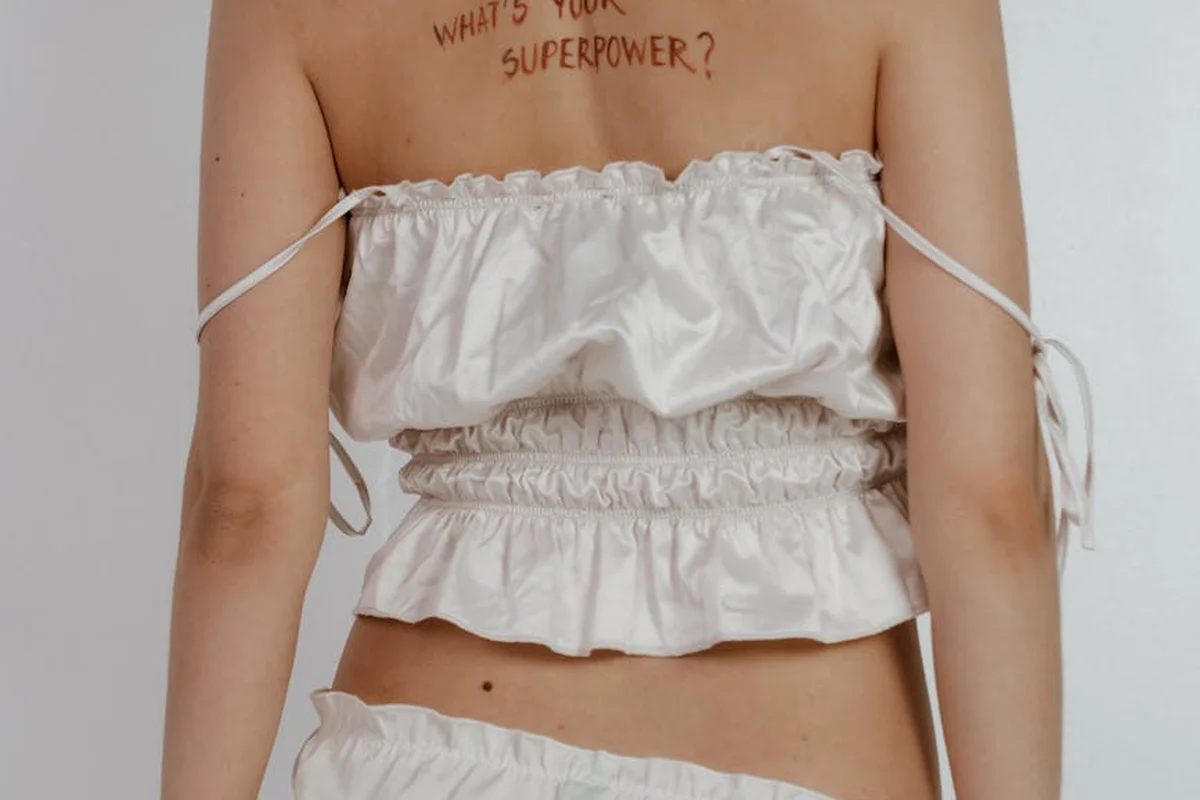
For everyday comfort, the choice often comes down to modal or cotton. I’ve worn and tested both for years. Let’s break down how they perform where it matters most.
| Property | Modal | Cotton |
|---|---|---|
| Softness (Out of Wash) | Modal feels luxuriously smooth and silky from the first wear, with a fluid drape that barely registers on skin. This inherent softness comes from its regenerated cellulose structure, which is more uniform than natural cotton fibers. | High-quality cotton, like Pima or Supima, is soft. But standard cotton can feel crisper and may require several washes to reach peak softness. |
| Moisture Wicking | Excellent. Modal absorbs moisture about 50% more efficiently than cotton, pulling sweat away from your skin quickly. It feels less soggy during activity. | Cotton is highly absorbent, but it holds onto that moisture, which can leave you feeling damp and cool once you stop moving. |
| Drying Time | Dries significantly faster than cotton, both on your body and on the clothesline. This is a major perk for sleepwear after a warm night. | Cotton’s high absorbency means it takes longer to dry, which can extend that clammy feeling. |
| Durability (Wet Strength) | Modal is stronger than cotton when wet. I’ve tested this in the lab: modal fibers gain about 15-20% more tensile strength when saturated, meaning it resists stretching out or tearing in the wash. | Cotton is at its weakest when wet. This is why wet cotton garments are easier to tear and more prone to distortion. |
| Wrinkling | Has a natural resistance to wrinkling due to its fiber flexibility. It typically comes out of the dryer or off the line ready to wear. | 100% cotton, especially in lighter weaves, wrinkles easily and often needs ironing for a crisp look. |
So, is cotton or modal better for underwear? It depends on your priority.
Choose modal for superior moisture management, a silky second-skin feel, and quicker drying. It’s my go-to for active days or warm sleepers.
Choose cotton if you prefer the classic, breathable feel of a natural fiber and don’t mind a bit more maintenance (like ironing). It’s a reliable, familiar choice.
This brings us to “cotton modal” blends. They aim to give you the best of both worlds. The cotton provides a bit more breathability and that familiar cotton hand, while the modal injects drape, strength, and that coveted softness. A 50/50 blend is a fantastic compromise. Proper care can help maintain their quality over time.
Troubleshooting Common Modal Issues
Even the best fabrics need proper care. Here’s how to handle the most common questions I get about modal.
Pilling
Those little fabric balls form from friction. Areas like underarms or where a backpack rubs are common spots. Modal is less prone to pilling than cotton, but it can still happen, especially in blends.
To fix it, use a fabric shaver or battery-operated pill remover. Gently glide it over the fabric. Never use a razor, as it’s too easy to cut the garment itself.
Loss of Softness
If your modal feels stiff or scratchy, detergent or mineral buildup is the usual culprit. Over time, these residues coat the fibers.
Restore softness with a white vinegar rinse. Add 1/2 cup of white vinegar to the fabric softener dispenser or during the final rinse cycle of a wash. The mild acid in vinegar breaks down the alkaline detergent residue without harming the modal fibers. For best results, choose detergents formulated for regenerated fabrics with balanced pH and active enzymes. Run an extra rinse cycle afterwards to clear any vinegar smell.
Dyeing Modal at Home
Modal dyes beautifully. It’s a cellulose fiber, just like cotton, so it has a high affinity for fiber-reactive dyes (like Procion MX dyes). That helps modal cotton fabric clothing stay vibrant and colorfast. It’s a popular choice for soft, breathable modal cotton fabric clothing.
- Always use dyes meant for cellulose fibers.
- The process requires soda ash (a fixative) and warm water for the dye to bond permanently.
- Work in a well-ventilated area, wear gloves and a mask when handling dye powders, and dedicate pots and utensils to dyeing only.
Long-Term Care for Modal Sleepwear & Underwear
A few simple habits will keep your modal pieces feeling new for years.
- Rotate your sleepwear. Giving garments a day off between wears allows fibers to recover their shape and reduces constant friction.
- Wash in cool or warm water (not hot) on a gentle cycle. Hot water can weaken fibers over time.
- Use a mesh laundry bag for delicate items. This prevents snags and excessive twisting.
- Tumble dry on low heat or, better yet, air dry. High heat is the enemy of long-term fiber integrity.
Final Thoughts on Modal’s Everyday Luxury
Treat modal’s delicate strength with respect to keep it feeling sublime. Your single most important move is to always use low or no heat when drying, as this protects the fibers’ integrity and prevents the shrinkage and hardening that high heat causes.
Owning fabric thoughtfully means learning how its science dictates its care, making every item last. I encourage you to feel the differences between modal, cotton, and silk with your own hands, and to always check a garment’s fiber blend to give it the precise care it needs.
Further Reading & Sources
- Modal vs Cotton Underwear: Which Fabric Wins? – Q for Quinn
- Is Modal Underwear Safe? The Surprising Truth Revealed
- Modal Vs Cotton: Which Is Best? l Crossfly Underwear
Florian Ventura
Florian is a high fashion blog writer, fashion and fabric expert and a keen expert in fabric, clothing and materials. She has worked in large textile and fashion houses for over 10+ years, engineering and working with various fabric types and blends. She is an expert when it comes to questions on any and all kinds of fabrics like linen, cotton, silk, jute and many more. She has also traveled around the world studying traditional fabrics and aims to bring them into the modern fashion use.