
Modal vs Cotton: Which Fabric Should You Choose for Your Clothes?
You’re drawn to modal’s sleek softness but question its strength, or you trust cotton’s familiarity but dread its shrinkage. I’ve worked with both for years and can guide your choice.
We will cover fiber science and feel, ideal clothing uses, shrinkage comparisons, washing and dyeing behavior, and practical care steps.
Executive Summary: Your Quick Fabric Cheat Sheet
Which fabric is better? The answer isn’t simple. What you need from the fabric-intense softness, hard-wearing durability, or simple care-decides the winner for your project.
Modal is a type of rayon, a plant-based fabric made from dissolved beechwood pulp. I think of its fibers as sleek and uniform. This gives it a silk-like handfeel and a fluid drape that cotton struggles to match. It also resists shrinking and pilling better than many natural fibers. Modal is often blended with other fibers to tune its fabric properties and blend types, which can affect drape, softness, and durability, guiding how it performs in various garments.
Cotton is the classic natural fiber, grown from a seed. Its fibers are like tiny, twisted ribbons with a hollow center. This structure makes it remarkably breathable and durable. It can shrink, especially on the first hot wash, but it’s generally very forgiving and easy to care for. Cotton fabric varieties characteristics—such as softness, drape, and durability—help you choose the right fabric for any project.
Pick your fabric based on the job. Modal is my first choice for underwear, sleepwear, loungewear, and any top or dress where a beautiful, clinging drape is the goal. Its softness improves with washing. Modal fibers also offer breathable, moisture-absorbent comfort that stays smooth against the skin. This makes it especially well-suited for underwear and sleepwear that feel luxurious all night long.
You will want cotton for daily t-shirts, button-down shirts, jeans, hard-wearing chinos, and thick towels or robes. It provides the structure and breathability you need for all-day wear.
A cotton-modal blend is a fantastic middle ground. The cotton adds a bit of body and reduces the slinky feel, while the modal injects softness and reduces wrinkling. It’s a common choice for modern t-shirts and casual dresses. Learning how to care for this blend can extend the life of your garments, so you’ll want to know the proper care techniques.
Material Data Table: Modal vs Cotton at a Glance
| Property | Modal | Cotton | Notes / Winner |
|---|---|---|---|
| Breathability | Medium-High. Smooth fibers allow air flow but trap less insulating air than cotton. | High. The natural, hollow structure of the fiber promotes excellent air circulation. | Cotton wins. Its innate structure is designed for ventilation, making it feel cooler in heat. |
| Shrinkage Rate | Very Low. The fibers are stabilized during production and have less capacity to contract. | Medium. Can shrink 3-5% on a first hot wash; pre-washing is key for garment making. | Modal wins. It reliably maintains its dimensions with proper cold-water care. |
| Heat Tolerance | Low-Medium. A high-heat dryer or iron can melt or scorch the fibers. Use low heat. | High. Can withstand hot water washing and high-temperature ironing safely. | Cotton wins. It is much more tolerant of high heat during washing and ironing. |
| Stretch Factor | Inherently Low. Woven modal has little give. Knitted modal recovers well from stretching. | Inherently Low. Like modal, stretch comes from the knit construction, not the fiber. | Tie. Both are low-stretch fibers. For stretch, look for blends with spandex/elastane. |
| Moisture Absorption | High. Absorbs water quickly and efficiently, about 50% more than cotton. | High. Also absorbs moisture well, but holds it within the fiber’s hollow core. | Modal has a slight edge. It pulls moisture from skin faster, often feeling drier. |
| Durability (Abrasion Resistance) | Medium. Strong when wet, but the smooth surface can be prone to friction wear over time. | High. The twisted, robust fiber structure withstands rubbing and repeated washing well. | Cotton wins. It develops a soft patina, while modal may thin in high-friction areas first. |
| Best For | Underwear, camisoles, soft sleepwear, draped blouses, silky loungewear sets. | Everyday t-shirts, oxford shirts, denim, canvas bags, towels, bedsheets. | Choose based on feel and use: modal for softness, cotton for daily toughness. |
Fiber Foundations: From Beechwood Pulp to Cotton Boll
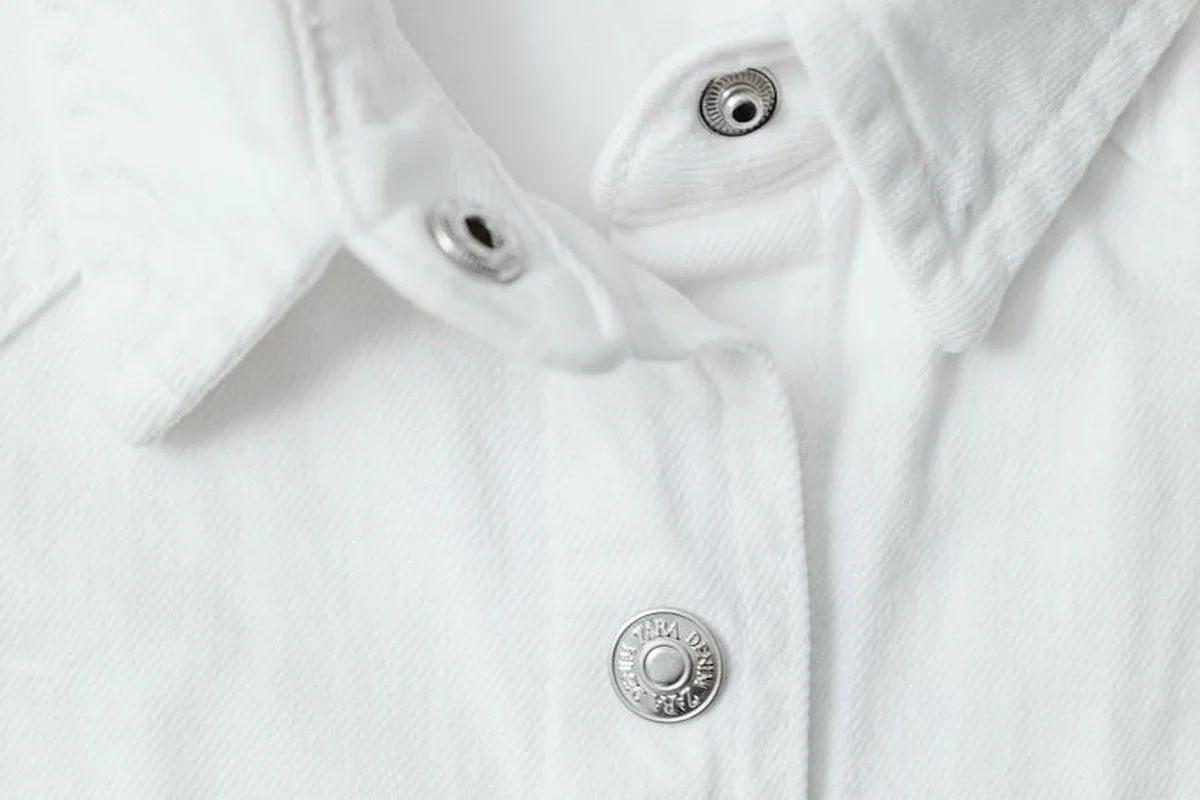
Let’s start with what they are made of. Both modal and cotton come from plants, but their journeys to become fabric are worlds apart.
Modal is a regenerated cellulose fiber. I classify it as a type of rayon. Think of it this way: we start with beechwood trees. The wood is chipped and processed into a purified pulp. This pulp is then dissolved into a thick, honey-like liquid. That liquid is forced through a device with tiny holes, called a spinneret, to form long, continuous fibers. This process rebuilds the plant material into a new fiber structure, which is why it’s “regenerated,” but it is not a synthetic plastic like polyester.
Cotton is a natural cellulose fiber. Its process is more direct. It grows in a protective boll around the cotton plant’s seeds. Machines gin the cotton to separate the fluffy fibers from the seeds. Those fibers are then cleaned, aligned, and spun into yarn. The quality varies: long-staple cottons like Pima or Egyptian feel luxuriously smooth, while shorter Upland cotton is more common and can have a slightly fuzzier hand.
I often get asked two specific questions. Is modal a type of cotton? No, it is a different fiber from a completely different source. Is micro modal cotton? Also no. Micro modal is simply a finer, more refined version of the same beechwood pulp fiber, resulting in an even softer, lighter fabric.
Here’s my favorite kitchen analogy. If cotton is like baking with whole wheat flour-using the plant fiber pretty much as is-then modal is like making paper from wood pulp. Both originate from plants, but one is used directly and the other is broken down and reconstructed.
What Modal Feels Like vs. Cotton
Put your hand on a piece of modal. It feels consistently sleek, cool, and fluid against the skin, reminiscent of softened silk. That feeling is very uniform.
Cotton offers a wider tactile range. It can be the crisp, clean feel of a poplin shirt or the soft, cozy hug of a well-worn jersey tee. So, does modal feel like cotton? Modal is often described as softer and more fluid than cotton, but it lacks the inherent “grip” or dry texture of a slub or peached cotton.
The difference in “hand”-a textile term for how fabric feels and moves-is dramatic. Modal drapes with a heavy, fluid cling that follows the body’s contours. Cotton has more innate body. It can stand away from the skin and hold a structured shape, like in a crisp shirtdress or a pair of durable canvas pants.
The Wear Test: Softness, Breathability, and Daily Durability
Let’s move from the hand to the body. How do these fibers actually perform day to day? The answer lies in their microscopic structure.
Breathability and Sweat Management
You want to know: is modal more breathable than cotton? Does modal absorb sweat better? They manage moisture in fundamentally different ways.
Under a microscope, a cotton fiber looks like a twisted ribbon with a hollow core. It excels at absorption, pulling moisture (like sweat) into that central cavity. This is why a cotton tee can feel wet with sweat, but that evaporation also creates a cooling effect.
A modal fiber is smooth and solid with a round cross-section. It’s less about absorbing moisture into itself and more about wicking it along its sleek surface. For general humidity and light perspiration, modal’s wicking action can feel less soggy and dry slightly faster on the surface.
For intense sweat situations, like during a workout, cotton’s high absorption might feel cooler as the sweat evaporates. For everyday wear in warm weather, many find modal’s sleek, dry wicking to be preferable.
Strength and Long-Term Wear
How do they hold up? This is where care instructions become critical.
Cotton gains strength when wet. You can safely scrub a wet cotton fabric. Modal, like other rayons, loses up to 50% of its strength when saturated. You must handle wet modal gently to avoid stretching or tearing, which means no wringing and often a flat dry.
Pilling is that annoying fuzz that forms on fabric surfaces. Modal’s long, continuous filaments are less prone to pilling. Short-staple cotton, especially in loose knits, will pill more easily as the shorter fibers work their way out and tangle.
Stretch and recovery are different too. Modal has a natural elasticity and bounce-back due to its molecular structure. Most woven cottons have little inherent stretch unless blended with a fiber like elastane. A 100% modal tee will recover from stretching better than a 100% cotton one.
Laundry Lab: Shrinkage, Washing, and Heat Response
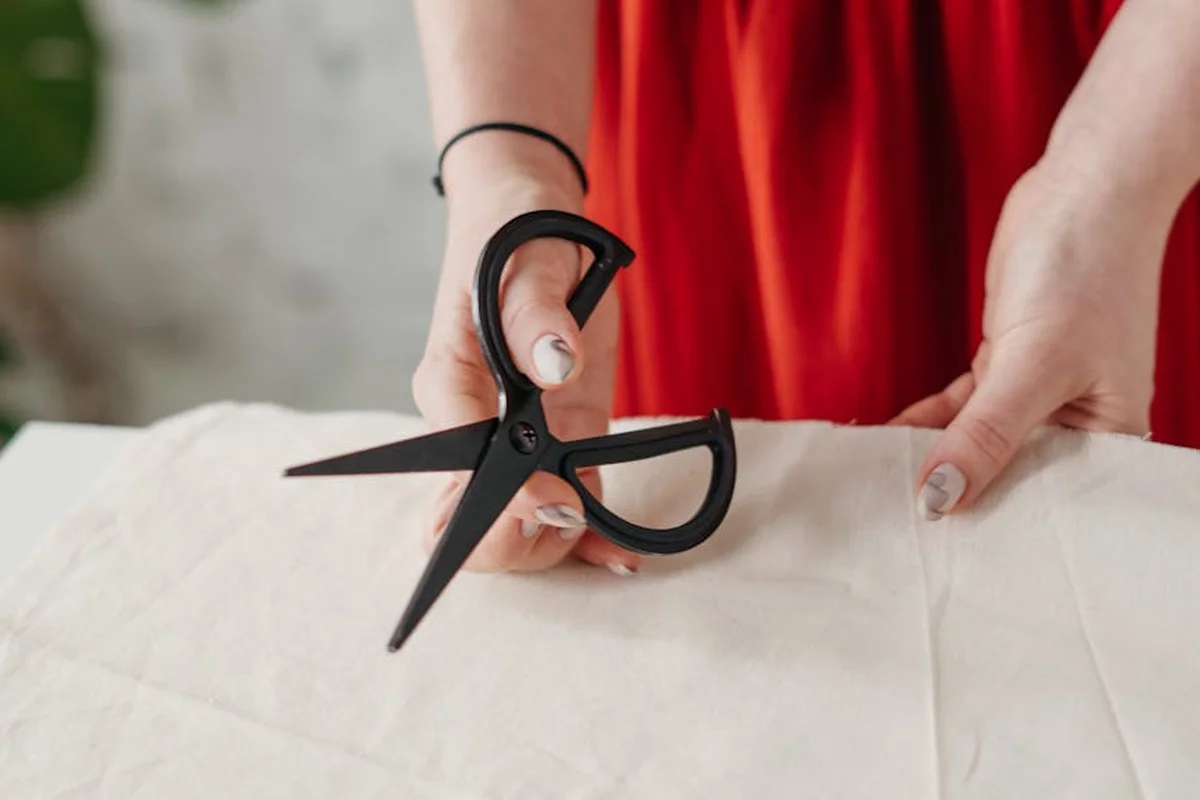
You can read all the technical specs you want, but how a fabric behaves in your laundry room is what matters. This is where fiber physics meets daily life.
Shrinkage Behavior: Why Cotton Shrinks and Modal Resists It
Does cotton shrink when washed? Almost always, yes. Here’s the simple science. A cotton fiber is like a microscopic, twisted rope. When it gets wet, it swells up like a sponge. This swelling pushes the yarns in the fabric closer together. At the same time, the tensions from spinning and weaving relax, letting the yarns contract. The weave tightens, and the garment gets smaller. The good news is this shrinkage is often reversible with careful steaming or ironing while damp.
Modal behaves differently. Through its manufacturing process, the fiber structure becomes more organized and crystalline. Think of it less like a sponge and more like a smooth, solid tube. It absorbs water, but it doesn’t swell up nearly as much. The fibers and yarns stay closer to their original size and shape. Modal fabric is engineered for dimensional stability. These traits are at the core of modal fabric quality characteristics, including softness, drape, and moisture management. Understanding them helps explain why modal is favored in apparel and textiles.
If you’re making something or are nervous about a new garment, test it. Cut a 10 cm by 10 cm square (a swatch) from a seam allowance or hidden area. Mark the dimensions with a permanent pen. Wash and dry the swatch exactly as you plan to treat the full item. Measure it again. The difference is your shrinkage percentage. For cotton, expect 3-8% on the first warm wash. For modal, expect 0-3%.
Your Step-by-Step Care Protocol
Washing Modal and Cotton
Treat modal like you would a delicate silk blouse. Its strength is in its wet state, but its smooth surface is prone to friction damage.
- Modal: Use cold water only. Choose a mild, liquid detergent. Always turn the garment inside out to protect the surface. Use the delicate or hand wash cycle to minimize agitation.
- Cotton: Cotton is a workhorse. Warm or cold water is safe. It can handle standard detergent and a regular cycle. Washing cotton in cold water is the single best way to minimize shrinkage and prevent colors from fading over time.
- For Blends (like cotton-modal): Always defer to the needs of the most delicate fiber. In a cotton-modal blend, follow the modal care rules. The cotton can handle it, but the modal cannot handle rough treatment.
Drying and Ironing: The Heat Rules
Heat is where you can do the most damage or preserve your clothes for years.
Can you put modal in the dryer? You can, but you must be very careful. High heat is a disaster. It can cause the fibers to melt slightly, weakening them and leading to permanent shrinkage or a stiff, harsh hand. Always use a low heat setting or, better yet, air dry modal garments flat or on a padded hanger.
Cotton is much more heat-tolerant. It can survive a medium or high heat dryer cycle, but that’s a fast track to maximum shrinkage. I always use low heat for cotton. It dries thoroughly with less stress on the fibers.
Ironing follows the same logic. Use a cooler iron for modal-the silk setting is perfect. For cotton, a hot iron is fine and often needed. For the sharpest press on cotton, iron it while it’s still slightly damp; the steam helps relax the fibers into a smooth finish.
Dye Workshop: How Each Fabric Holds Color
If you’ve ever wondered why that modal tee stays so brilliantly red wash after wash, the answer is in the fiber’s surface.
Since both modal and cotton are plant-based (cellulose) fibers, they bond with the same families of dye. Fiber-reactive dyes and direct dyes work beautifully for both. The difference is in how the dye is received.
Modal fibers are incredibly smooth and uniform. This silky surface allows dye molecules to attach evenly along the entire fiber. The result is a deep, vivid, and consistent color. Modal’s colorfastness is exceptional; the dye locks in tightly, resisting fade from washing and light. This is especially true for dark colors. A black modal garment often has a richer, more permanent depth than a black cotton one.
Cotton dyes very well, but its natural fiber has more microscopic nooks and crannies. It can also have a protective coating called “sizing” from the mill. This can lead to a slightly more matte, vintage-looking color result. The key to even dyeing on cotton is a thorough pre-wash in hot water with a bit of detergent to remove any residues that would block the dye. Once prepared, it holds color reliably, though dark shades may fade a bit faster than on modal over many washes.
Project Guide: Choosing Modal or Cotton for Your Wardrobe

Forget a simple ranking. The real question is which fabric serves your purpose best. Let’s match their superpowers to your specific needs, from your underwear drawer to your laundry room troubles.
Modal vs Cotton for Underwear and Sleepwear
Scrolling through Reddit threads, you’ll see a clear split. People praise modal for its second-skin softness and seamless comfort. They love cotton for its reliable, breathable feel. Here’s the textile science behind the debate.
Modal fibers are extremely fine and smooth, creating a fabric that feels luxuriously soft with very little friction against your skin. This makes modal a top choice if you have sensitive skin or simply want that indulgent, luxury feel in your loungewear and intimates. It drapes beautifully and rarely causes chafing. Knowing modal’s properties, uses, and care helps you get the most from this fabric. A quick care routine can preserve its softness and drape.
Cotton, with its more textured, natural fiber surface, promotes exceptional air circulation. It’s the champion of breathability, pulling moisture away from your body efficiently. For everyday underwear or sleepwear where easy care and classic comfort are key, high-quality cotton is a dependable workhorse. It’s generally more forgiving in a warm wash cycle than modal is.
Modal vs Cotton for Shirts, Pants, and Towels
This is where their personalities really shine. Think about the silhouette and function you want.
For Shirts: Choose modal when you want fluid drape. It’s perfect for soft t-shirts, flowing blouses, or relaxed henleys that skim your body. Choose cotton when you need crispness and structure. A classic button-down oxford shirt, a sturdy polo, or a poplin blouse relies on cotton’s body to hold its shape.
For Pants: Reach for modal for ultra-soft lounge pants, drapey wide-leg trousers, or jersey-style leggings. It offers incredible comfort and movement. Go for cotton when you need durability and definition. Denim, chinos, canvas work pants, and tailored trousers all depend on cotton’s strength and ability to hold a crease.
For Towels: This one is not a contest. Cotton is the definitive winner. Its fibers have a natural scaly surface that grabs and holds water. A good cotton towel feels loftier and more absorbent. Modal is simply too smooth; water tends to slide off rather than being absorbed, leaving you with a less effective, sleek cloth that doesn’t dry you well.
The Blend Advantage: Is Cotton and Modal a Good Blend?
Absolutely. Blending these fibers is a common practice to get the best of both worlds, and it’s one I often recommend.
The cotton brings durability, breathability, and a familiar, slightly textured hand to the fabric. It helps the garment hold its shape better over time. The modal contributes its signature silky softness, reduces overall fabric shrinkage, and improves the drape. You end up with a material that feels more luxurious than plain cotton but is more robust than pure modal.
A common and effective ratio is 60% cotton and 40% modal. This gives you a fabric that is noticeably softer than 100% cotton, with better color retention and less wrinkling, but still has enough cotton to provide structure for t-shirts, lightweight sweaters, and dresses.
Care for a cotton-modal blend as you would for modal. Wash in cold water on a gentle cycle and tumble dry on low heat or air dry to preserve the softness and prevent the modal component from weakening. The cotton content makes it a bit more forgiving, but gentle care extends the life of the garment dramatically.
Troubleshooting Common Problems
How to Stop My Cotton Dress From Stretching Out
Cotton yarns can relax when wet, especially in knits or loosely woven fabrics, causing them to stretch under their own weight. The key is to avoid letting the wet fabric bear any load. Always wash in cold water, which causes less fiber swelling and relaxation than hot water. Use a gentle or hand-wash cycle with a slow spin speed, or skip the spin altogether. Never hang a heavy, wet cotton knit to dry. Instead, gently roll it in a towel to remove excess water, then lay it flat on a drying rack, reshaping it to its original dimensions as you go.
Does Modal Fray? And How to Mend It
Yes, modal can fray. Its smooth, slick fibers don’t grip each other as tenaciously as cotton fibers do, so seams can unravel more easily if not finished properly.
If you’re making or repairing modal garments, finish your seams with a serger (overlock stitch) or a narrow zigzag stitch on a regular sewing machine. This encapsulates the raw edge and prevents fraying. For mending a hole, a patch is often the best solution. Use a lightweight, compatible fabric (like a cotton batiste or more modal) placed behind the hole. Stitch around the hole’s edges with a tight, narrow zigzag stitch to secure the patch and contain any fraying fibers.
Your Final Fabric Blend: Science for Selection and Care
Let the garment’s job make the choice: reach for modal when you desire a luxuriously soft, draping hand in items like loungewear or undershirts, but choose cotton for structured, breathable pieces like day dresses or workwear that must withstand frequent washing.
I view caring for clothes as applied textile science-respecting how modal, cotton, or blends like polyester-nylon react to water, heat, and wear is the first step toward reducing waste. Keep building your fabric knowledge; learning why wool felts, how silk dyes, or when to use cool washes makes you a more deliberate and earth-conscious steward of everything in your closet.
Citations and Authoritative Sources
- Modal Fabric vs Cotton: Key Points to Consider – 2023
- r/MensUnderwearGuide on Reddit: Cotton vs Modal
- Modal Fabric Vs. Cotton | Our Fabrics | A. PUTNAM
- Modal Fabric vs Cotton Fabric: Key Points to Consider – NeceSera
Florian Ventura
Florian is a high fashion blog writer, fashion and fabric expert and a keen expert in fabric, clothing and materials. She has worked in large textile and fashion houses for over 10+ years, engineering and working with various fabric types and blends. She is an expert when it comes to questions on any and all kinds of fabrics like linen, cotton, silk, jute and many more. She has also traveled around the world studying traditional fabrics and aims to bring them into the modern fashion use.