Jute vs. Hemp: Which Natural Fiber is Best for Bags and Home Decor?
Choosing between jute and hemp for your next bag or rug? I’ve worked with both for years, and the right choice depends entirely on your project’s needs.
This guide will walk you through a detailed comparison. We will cover strength and durability, texture and drape, shrinkage and washing, dyeing methods, and long-term care.
The Rough & Tumble Showdown: Jute and Hemp Face to Face
Pick up a length of jute and a length of hemp. Your hands will tell you the story before your eyes do. Jute feels drier and woodier. It has a crisp, slightly rough hand that whispers of fields and burlap sacks. Hemp feels smoother and denser. It has a cooler, more linen-like texture that promises structure.
This tactile difference is the heart of the choice. Think of jute as the affordable, rustic workhorse, perfect for projects where a natural, casual look is the goal. Hemp is the durable, softening investment; it breaks in beautifully and stands up to real use over years.
You might also see sisal in this category. It’s even more rigid and scratchy than jute, best reserved for hard-wearing doormats or very coarse baskets where softness isn’t a concern.
Inside the Stalk: The Plant Science of Jute
Jute comes from the bast fibers of plants in the Corchorus genus. These are the long, strong strands we pull from the inner stem of the plant. Under a microscope, you’d see something key: jute fibers are hollow.
This hollow structure is a double-edged sword. It makes jute remarkably light for its strength and provides good insulation. But those empty spaces also make the fiber more brittle and sensitive to prolonged moisture. It’s like the difference between a sturdy wooden tube and a solid rod.
This hollow, woody character is why jute has that classic “burlap” look and why it’s most often seen in its natural state. It takes dye poorly, often resulting in muted, earthy tones. The classic colors are a warm golden “tan” or a softer grey, which are the natural colors of the plant after processing.
Where Jute Shines (And Where It Frays)
Jute’s best uses play to its rustic strength and aesthetic. I recommend it for:
- Rustic floor rugs (in low-traffic areas)
- Textural wall hangings and macrame
- Basket weaving and plant pot covers
- Decorative table runners or placemats
- Lightweight market totes for dry goods
You must know its limits. Jute has poor colorfastness, so deep, vibrant dyes will wash out or fade quickly in the sun. It can shed loose fibers initially. Repeated wet-dry cycles and prolonged sun exposure will cause jute to become brittle and weak over time. Never leave a jute rug in a damp basement or soak a jute bag.
Jute makes common rope and twine (that’s the “jute rope” you see for gardening). It works fine for light-duty tying and crafts. For heavy loads, mooring a boat, or any task where safety depends on the line, hemp’s superior tensile strength is the better choice.
Inside the Stalk: The Plant Science of Hemp
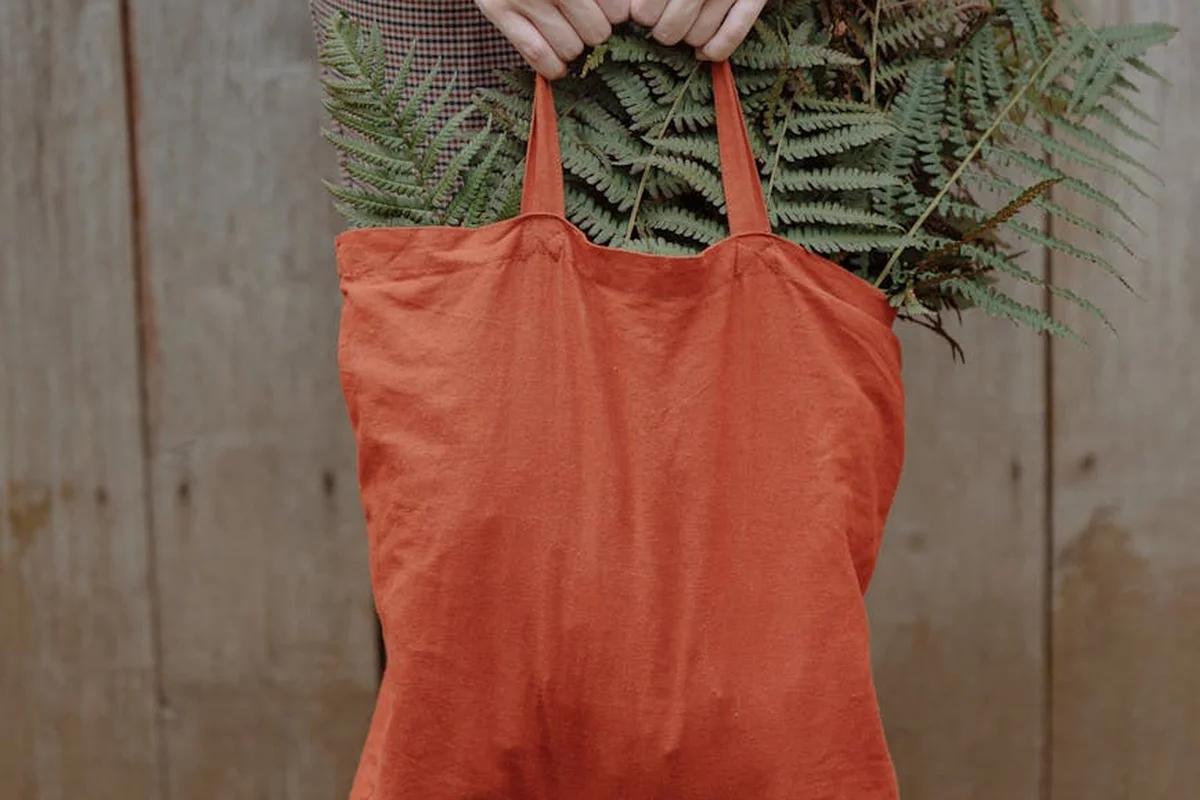
Hemp comes from the bast fibers of the Cannabis sativa plant, specifically cultivated for its stalk. Think of bast fibers as the plant’s internal scaffolding. Unlike jute, hemp grows tall and relatively unbranched, producing incredibly long and solid fiber bundles. I’ve handled raw stalks, and the fibers pull away in strong, continuous strands.
This structure is why hemp possesses exceptional tensile strength, often compared to linen. Those long, solid bundles are what make hemp fabric so resistant to pulling apart and rotting. The fibers have a natural affinity for wicking moisture away without holding onto it, which starves mold and mildew. The plant also produces compounds called cannabinoids, which contribute to its natural antibacterial and UV-resistant qualities. Lignin in hemp fibers also contributes antimicrobial properties to the fabric. This lignin-driven antimicrobial defense can help keep hemp textiles fresher between washings. Your hemp tote won’t break down in the sun as quickly as other natural fibers might.
Hemp’s Evolution: From Rough to Soft
New hemp fabric has a distinct, crisp hand-it can feel quite stiff. But here’s the beautiful part: it softens significantly with every wash. This happens because washing gently breaks down the pectin and lignin that bind the fibers, allowing them to flex more. This is the softening of hemp bast fibers in action, as the natural binders loosen and the fabric gains drape. Unlike jute, which can remain stubbornly coarse, hemp evolves into a durable yet comfortable material.
This evolution dictates its best uses:
- Heavy-Duty Bags: Totes, market bags, and beach bags that need to carry weight without stretching out of shape.
- Durable Upholstery: Perfect for chair covers or cushions that see daily use.
- Long-Lasting Curtains & Rugs: Its UV resistance makes it great for sun-exposed areas, and its density handles high traffic.
A specific note on rope, like for shibari: Traditional jute rope is prized for its stiffness and “bite”-it holds knots firmly and provides distinct sensory feedback. Hemp rope, by contrast, is often favored for its smoother, stronger feel and greater consistency in diameter, which many modern practitioners prefer for its fluidity and safety under load. It’s a matter of tradition versus tailored performance.
The Material Data Table: Jute vs. Hemp by the Numbers
This table breaks down the key properties you need to consider for your project. I’ve compiled this data from standard textile testing and mill specifications.
| Property | Jute | Hemp |
|---|---|---|
| Breathability | Very High | Medium to High |
| Shrinkage Rate* | High (5-7% in first wash) | Very Low to Minimal (<3%) |
| Heat Tolerance | Low. Avoid high heat. | High. Can handle hot water washing. |
| Stretch Factor | Very Low (brittle) | Low (strong, slight give) |
| Moisture Resistance | Low. Absorbs quickly, dries slowly, can mildew. | Medium. Wicks moisture, dries faster, rot-resistant. |
| Typical Cost | Lower | Higher |
*Shrinkage rate is based on a standard machine wash in warm water (40°C/104°F) and tumble dry on low. Jute’s high lignin content makes it react to water and heat almost like a compressed sponge tightening up, while hemp’s longer, more crystalline fibers are stable. For cost, hemp’s more complex processing and lower global production volume keep its price premium over jute.
Care & Handling Protocol: Washing, Drying, and Spot Cleaning
Both jute and hemp are strong, but their care requires a gentle touch. Think of them like antique paper-durable in structure but brittle under stress. They are natural plant fibers vulnerable to harsh agitation and extreme heat, which can cause permanent damage.
Step-by-Step: How to Wash a Jute or Hemp Item
Machine washing is your number one enemy here. I never put these fibers in a washer, even on a gentle cycle. Follow these steps for hand washing instead.
- Step 1: The Vacuum & Brush. For rugs and home decor, always dry clean first. A thorough vacuuming or a soft brush can remove most surface dirt and sand. This often eliminates the need for a full wash.
- Step 2: The Spot Test. Mix a mild soap like castile soap or a wool wash detergent with cool water. Dab this solution on a hidden seam or corner. Check for color bleeding or texture change after 15 minutes. This simple test prevents a small clean-up from becoming a major disaster.
- Step 3: The Bath. Fill a basin or tub with cool water and a small amount of your tested soap. Submerge the item and press it gently to circulate water. Never scrub, twist, or wring the fabric. Agitation causes the coarse fibers to tangle and weaken.
- Step 4: The Dry. Lift the item from the water, supporting its weight. Lay it flat on a clean, dry towel. Roll the towel up to press out excess moisture. Unroll, reshape the item to its original dimensions, and let it air dry completely away from direct sun or heat sources. Never use a machine dryer.
Heat and agitation cause shrinkage and, more critically, break the brittle lignins-the natural glue in plant fibers. This breakdown makes jute, in particular, feel rough and frayed.
Dealing with Stains, Odors, and Mildew
Stains happen, but your reaction matters. Always start with the gentlest method.
For mildew, which is more a risk with jute due to its lower natural rot resistance, use a weak white vinegar solution (one part vinegar to four parts water). Dab it on the area, then place the item in the sun to dry only until just dry. Prolonged sun exposure can fade and weaken the fibers, especially in high humidity conditions.
For persistent odors, sprinkle baking soda generously over the item, let it sit for an hour, and then vacuum it thoroughly. This absorbs smells without moisture. For jute items, this technique is a solid first step and can be combined with other jute odor removal methods.
Never use chlorine or oxygen bleach on jute or hemp; it will destroy the cellulose fibers, leaving them yellowed and mushy. For tough stains, a paste of baking soda and water, left to dry before brushing off, is a safer mechanical cleaner.
The Sustainability Profile: Earth Impact from Seed to Stalk
When we talk about sustainable fibers, jute and hemp are textbook examples. They are annual plants that grow quickly, requiring minimal intervention compared to other crops.
Their water usage is notably low, especially for hemp, which is often rain-fed. Pesticide and herbicide needs are typically low for both, with hemp having natural pest-resistant properties. They are excellent for crop rotation, helping to repair soil by preventing erosion and adding organic matter back into the earth.
Both fibers are fully biodegradable, returning to the soil without leaving microplastics, but untreated hemp may break down slower due to its inherent rot resistance. This same property makes hemp fantastic for outdoor items. When comparing hemp and linen, you can notice key differences in fiber properties—like strength, texture, and moisture handling—that influence performance. These hemp-linen fiber property differences can guide material choices for specific uses.
From Plant to Fiber: The Retting Process
The key to separating the usable bast fibers from the woody stalk is a process called retting. Farmers spread the cut plants in fields where dew and rain (dew retting) or pond water (water retting) allow microbes to naturally break down the pectins binding the fibers.
Mechanical processing, which physically breaks the stalks after retting, is cleaner and more eco-friendly than chemical retting methods. It preserves the fiber’s natural strength and requires fewer hazardous inputs.
It’s also worth noting the whole-plant use. While jute seeds have limited use, hemp seeds are a nutritional powerhouse, sold for food and oil. This adds another layer of efficiency to hemp cultivation, making use of the entire plant.
Making Your Choice: A Simple Decision Guide
Think of this as your textile science cheat sheet. In the lab, we test fibers against specific use cases. That’s the best way to decide. Forget which one is “better.” Ask yourself what you need the fabric to do. Small yarn differences—like twist, ply, and material—shape how fabric feels and performs. Understanding those yarn differences helps you pick the right fabric for the task.
Here’s a quick guide based on what you’re making or buying.
Choose Jute If:
You are drawn to its earthy, rustic character and have a project where extreme durability isn’t the main goal. Jute is the champion of affordable, natural texture for specific, lower-impact uses.
- You want a rustic look for low-traffic home decor. Think wall hangings, plant pot covers, or a seasonal table runner. The coarse texture adds instant organic warmth.
- You need a disposable or single-season bag. A jute tote for a farmers’ market run or as festive gift packaging is perfect. I’ve made many, knowing they’ll last a season or two, not a lifetime.
- You crave that specific, traditional texture for crafts. Its distinct, slightly hairy feel and golden-tan hue are hard to replicate with other fibers.
Care note: Jute dislikes heavy wetness. If a jute bag gets dirty, spot clean it with a barely-damp cloth and mild soap. Let it air dry completely, away from direct heat which can make it brittle.
Choose Hemp If:
You need a workhorse fiber that gets better with age. Hemp is your go-to for items that demand strength and will see daily use, softening beautifully over time instead of wearing out.
- You need a bag for heavy groceries or beach gear. Hemp’s high tensile strength means it can carry weight without stretching out of shape or tearing at the seams. I trust my hemp beach bag with wet towels and a full picnic.
- You’re placing a rug in a hallway or entryway. It will withstand foot traffic much better than jute, resisting abrasion and flattening less over time.
- You want a decor item that will last for years and develop a lovely, soft hand. A hemp cushion cover or throw will start strong and become progressively softer with each gentle wash, gaining character.
Care note: Hemp becomes softer with washing. Use cool water and a gentle cycle or hand wash. Line dry. For dyeing, hemp takes natural and fiber-reactive dyes beautifully, often yielding deeper, richer colors than jute. To soften hemp even more, gentle mechanical action or a mild chemical softener can help, following care labels. This ties into the broader topic of softening hemp fabric through mechanical and chemical methods.
The Core Pros and Cons: Side-by-Side
Let’s restate the essential trade-off clearly. This is the fundamental textile science of your choice.
- Jute = Cost-Effective & Rustic. Pros: Very affordable, excellent for texture and drape in decor, biodegradable, has a classic natural look. Cons: Less durable, prone to weakening when wet, can be rough against skin, limited color retention when dyed.
- Hemp = Strong & Long-Lasting. Pros: Exceptionally strong and durable, becomes softer with use, has good natural mildew resistance, holds dye well, environmentally robust crop. Cons: Higher cost, can be stiff initially, sometimes has a more “linen-like” than “rustic” feel.
Your final decision lives right here. Match the fiber’s inherent personality to the job you have in mind.
Making Your Final Fabric Choice
Let texture and weight guide your decision: choose jute for a stiff, rustic look that holds a basket’s shape, and pick hemp for a bag or curtain that needs to drape with more structure and withstand frequent use. When weighing jute against burlap, weave density becomes a practical guide: denser weaves offer more stiffness, while looser weaves drape more softly. This simple rule uses their inherent fabric properties to solve your project’s needs directly.
Treating these natural fibers with care extends their life and honors their sustainable origins. Your journey into materials doesn’t stop here; every fabric, from cotton to nylon, has a story told through its shrinkage, dye response, and care needs waiting for you to learn it. For instance, modal cotton blends require specific care to maintain their softness and durability.
Expert Resources and Citations
- Jute vs. Hemp Rope: Strength, Uses & Which One to Choose | SGT KNOTS®
- Hemp vs. Jute (Ultimate Comparison) – Hemptique
- Hemp VS Jute: What’s the Difference?
- What is the difference between jute and hemp – Shoshinsha
- What are the benefits from using jute vs. hemp ropes for shibari? – Quora
Florian is a high fashion blog writer, fashion and fabric expert and a keen expert in fabric, clothing and materials. She has worked in large textile and fashion houses for over 10+ years, engineering and working with various fabric types and blends. She is an expert when it comes to questions on any and all kinds of fabrics like linen, cotton, silk, jute and many more. She has also traveled around the world studying traditional fabrics and aims to bring them into the modern fashion use.