
Can Your Linen and Cotton Survive a Humid Summer?
You love the cool, breathable feel of your favorite linen shirt or cotton dress, but high humidity can leave them feeling damp, looking limp, or even developing a musty smell.
This guide will explain the science behind why this happens and give you proven, simple routines to keep your plant-fiber wardrobe looking crisp. We will cover how humidity affects cotton and linen at the fiber level, the specific wash and dry methods that prevent damage, and the best storage and spot-cleaning tips for muggy weather.
Which Plant Fibers Actually Thrive in Humidity?
Plant fibers like cotton, linen, hemp, and rayon are all built from cellulose. Think of cellulose as nature’s building block, a chain of sugar molecules that loves to grab onto water. This is why these fabrics feel absorbent. But not all cellulose fibers handle moisture the same way.
Linen, made from flax, has a hollow fiber structure. It absorbs moisture quickly and releases it just as fast, pulling dampness away from your skin to evaporate. Cotton, on the other hand, has a twisted, ribbon-like fiber. It’s highly absorbent, but it holds onto that moisture longer, drying at a slower pace. These properties help explain why linen and cotton are favored for summer textiles. A quick side-by-side look at linen vs cotton summer textiles can reveal which fabric suits hot, humid days best.
For constant dampness, linen and hemp are the champions. Their natural breathability and quicker dry time make them more resistant to developing that musty smell. Hemp and linen fibers differ in strength, texture, and moisture management, which shapes how each performs in damp conditions. Cotton is excellent for comfort, but in sustained high humidity, it can feel clammy and take too long to dry, which invites mildew. Rayon or viscose, while plant-based, is a regenerated cellulose that becomes very weak when wet and can easily distort; it also tends to retain water.
Here is a simple guide to when to use-and when to avoid-certain fabrics for damp wear:
- Best Performers: Linen, hemp, and lightweight, loosely woven cotton.
- Use with Caution: Heavy denim, tight cotton twill, or canvas. They become heavy and stay wet for hours.
- Avoid for Active Wear: Rayon blends or any fabric labeled “dry clean only” in humid conditions. They often lack resilience when damp.
The core physics is simple. Imagine cotton fiber is like a sponge: it soaks up a lot and holds it. Linen fiber is more like a bundle of tiny straws: it pulls water in and lets it move through quickly for evaporation. You want the straws when the air is already full of water.
Handling Pro-Tip: Feel the Fabric Weight
Before you buy, always feel the weight and density of the cloth. In my studio, I drape potential fabric over my hand. Can I see light through it? Does air pass through easily? Opacity and sheerness tell you how see-through a fabric is, shaping both light and air flow. Knowing this helps you choose fabrics that balance visibility with ventilation. Your goal in humidity is air flow, so choose gauzy textures, seersucker puckers, or loose linen weaves.
Remember, fabric construction is as critical as fiber content. A tightly woven linen will be less breathable than a loose cotton voile. Seek out textures that naturally create space for air to move. Understanding fabric weaves and materials differences helps you anticipate comfort and performance. Different weave patterns and fibers deliver distinct textures, breathability, and drape.
Testing Fiber Content at Home
Care labels are your first guide, but they can be wrong or fade. For a quick check, I use the burn test. Always perform this test safely: use tweezers, hold a single thread over a sink or flame-proof dish, and have water ready.
Snip a few threads from a hidden seam. Pure plant fibers like cotton, linen, or hemp will burn with a steady flame, smell like burning paper, and leave behind fine, gray ash. If it melts, beads up, or smells like chemicals, you have a synthetic blend. This test confirms if you’re dealing with a pure fiber that will behave as expected with moisture.
The Humid-Climate Wash Cycle: A Step-by-Step Guide
In high humidity, your washing routine needs to adapt. The biggest shift? Frequency. You should wash plant fiber garments after every wear in muggy weather to remove sweat salts and skin oils that attract mold and cause odor. Letting them air out is not enough when the air itself is damp.
Choose your detergent carefully. I recommend oxygen bleach-based (sodium percarbonate) or enzymatic detergents. They break down organic stains like sweat without the harshness of chlorine. Avoid fabric softeners and dryer sheets entirely. They leave a waxy coating that clogs the fibers’ ability to breathe and absorb moisture properly.
Stick to cold or lukewarm water, never exceeding 30°C (86°F). Hot water is the primary driver of shrinkage in plant fibers and can set protein-based stains like sweat, making them harder to remove later.
Machine Washing Protocol
For machine washing, follow these steps to protect your clothes:
- Turn garments inside out to protect colors and surface texture.
- Use the gentle or delicate cycle with a slow spin speed (600 RPM or less).
- Wash similar colors together to prevent dye transfer.
- Remove items from the washer the moment the cycle ends.
Never leave damp cotton or linen bunched in the drum; this is a direct invitation for mildew to grow within an hour in a humid environment. Transfer them immediately for drying.
Hand Washing for Delicates
For hand-wash-only items or delicate weaves, gentler agitation is key. Fill a clean sink with cool water and a small amount of mild detergent. Submerge the item and let it soak for no more than 10-15 minutes. Gently swish it through the water-do not rub, twist, or wring. The goal is to flush out impurities without stressing the fibers or causing dye loss. For silk fabric care washing, these gentle steps help protect the fabric’s softness and sheen. When silk fabrics are involved, use a silk-specific detergent and cooler water to preserve color and texture.
Rinse thoroughly under cool running water until it runs completely clear. Any soap residue left in the fabric will trap moisture and soil. Gently press water out by rolling the item in a clean, dry towel before laying it flat to dry. This method preserves dyes and the integrity of loose weaves much better than machine agitation, especially when washing delicate fabrics.
Drying Plant Fibers: No Dampness Allowed
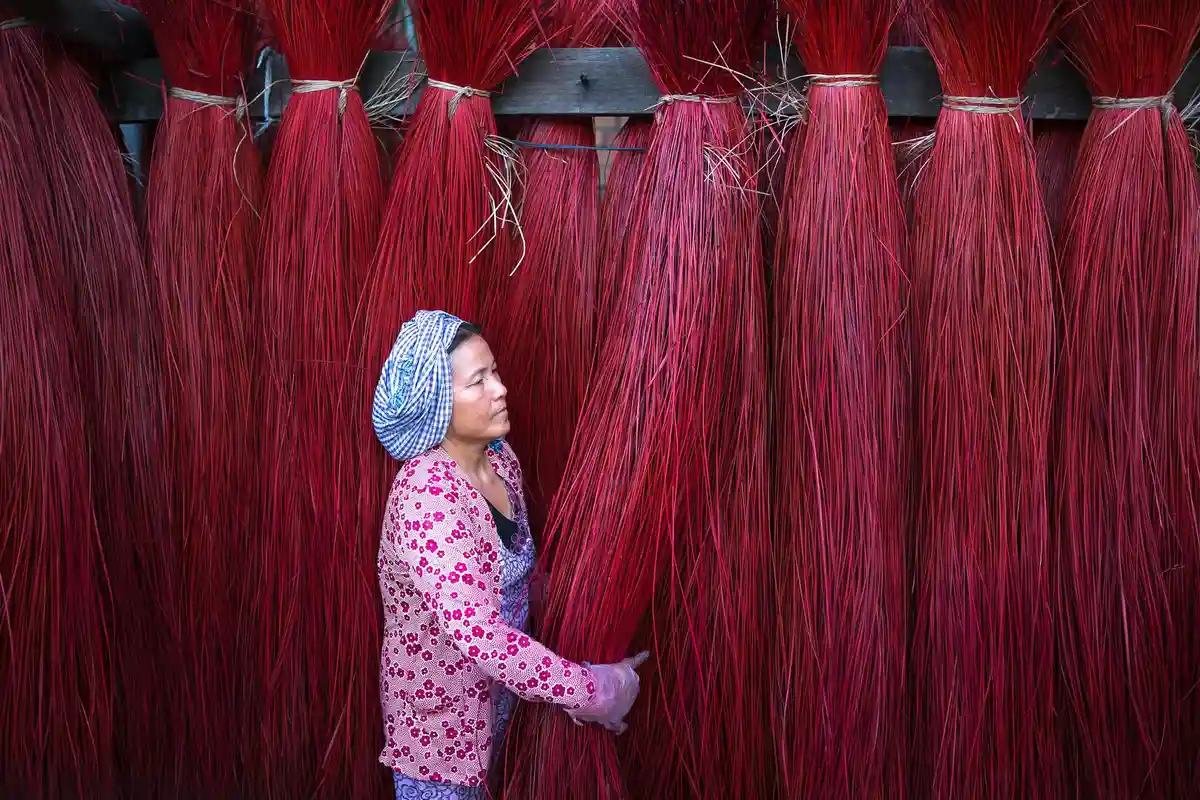
Think of a damp cotton towel left in a gym bag. That sour smell is your warning. For plant fibers like cotton, linen, and hemp, staying damp is an open invitation for mildew to grow on the cellulose. The single most important rule for drying in humidity is to go from wet to dry as fast as possible with maximum air movement.
Many people believe line-drying outdoors is always best. In a humid climate, that outdoor air is already full of moisture, slowing evaporation to a crawl. Hanging a linen shirt on a porch on a muggy day can leave it damp for hours. I find using indoor space with strategic airflow is far safer.
- Use a room with a dehumidifier running or multiple fans creating a cross-breeze.
- Avoid cramming clothes into a small bathroom or closet where air staginates.
Air-Drying with Strategy
How you arrange the wet fabric makes a huge difference. Throwing a heavy wet cotton dress over a thin wire hanger will distort the shoulders and slow drying where layers touch.
Follow these steps for better results:
- Gently squeeze out excess water-never wring, as this can stretch and misshape fibers.
- Lay knits and heavy items flat on a mesh drying rack. For woven shirts and dresses, use padded hangers to support the shape.
- Reshape the garment neatly while it’s still damp, smoothing seams and aligning collars.
- Ensure at least a few inches of space between items on the rack or line for air to circulate.
Sunlight is a powerful disinfectant that can help kill mold spores. It can also cause dyes, especially bright or dark ones, to fade over time. Weigh the need for disinfection against the value of the garment’s color, and limit direct sun exposure accordingly.
The Ironing Advantage
Ironing isn’t just about removing wrinkles. The heat and steam are powerful tools in a humid climate. The heat from an iron on a medium-high setting (suitable for cotton and linen) helps kill any lingering mold spores on the surface. The steam penetrates the fibers, and as you iron, you literally evaporate the last bits of moisture away.
My favorite tip for crisp linen: iron it while it’s still slightly damp to the touch. The combination of heat from the iron and the residual moisture in the fabric relaxes wrinkles effortlessly and guarantees the item is bone-dry when you put it away.
Rescuing Fabrics from Mold and Musty Odors
Even with care, mildew can strike. You’ll first notice a musty, earthy smell. Visually, look for speckled black, gray, or green spots, often in folds or under collars. The fabric in these areas may feel weakened or show permanent discoloration from the mold’s acids.
For small, fresh spots, act immediately. Take the item outdoors and brush the spots gently to dislodge spores. Then, let it bask in direct sunlight for several hours-the UV light is a natural antifungal. Before any wet treatment, always test your cleaning solution on a hidden seam. A simple first test is a dab of diluted white vinegar.
Removing Musty Odors Safely
For an overall musty smell without visible mold, a vinegar soak is my go-to method. Vinegar is acidic, which helps neutralize odor molecules and can inhibit mild microbial growth.
- Fill a clean sink or bucket with cool water.
- Add one part white vinegar to four parts water.
- Submerge the fabric and let it soak for 30 minutes.
- After soaking, run the item through a normal wash cycle with a mild detergent.
Avoid using chlorine bleach on cotton, linen, or other plant fibers. While it may seem like a strong disinfectant, bleach oxidizes and weakens the cellulose chains, leading to fiber damage, yellowing, and premature holes. Also, skip baking soda soaks on colored fabrics, as the high pH can subtly shift or fade some dyes.
When Damage is Too Severe
Not every item can be saved. If the fabric feels brittle, tears easily at the mold spots, or the stain has deeply penetrated, the structural integrity is likely compromised. Repeated washing may not restore it.
It’s okay to cut your losses and repurpose the material. Cut away damaged sections and use the good parts for cleaning rags, quilt patches, or stuffing for small projects. Remember, the acids from mold can permanently alter or bleach fabric dyes, so color matching for repairs will be difficult.
Storage and Daily Habits for a Damp World
Humidity is a slow, invisible threat to plant fibers. Cotton, linen, and hemp love to absorb moisture from the air, creating a perfect environment for mildew and weakening the cellulose chains over time. Your storage strategy must fight dampness with airflow.
Never use plastic bags or vacuum-sealed containers for long-term storage; they trap ambient humidity right against the fabric. Instead, use breathable cotton garment bags or simple cotton pillowcases. Inside your closet or storage box, include moisture-absorbing silica gel packets or a small hanging closet dehumidifier. I keep a few reusable silica canisters in my off-season storage bins, and they make a visible difference.
Your daily routine is just as important:
- After wearing, always air out your garment overnight on a wooden or padded hanger before returning it to the closet. This lets the moisture you’ve added evaporate.
- Use a clothes brush (a boar bristle brush is ideal) to gently remove surface dust and skin cells before storing. Dirt holds moisture.
- Rotate your wardrobe. Wearing the same linen shirt day after day doesn’t give it enough time to fully release moisture back into the air, leading to a persistent damp feeling and eventual odor.
The Annual Storage Refresh
When a season ends, don’t just fold your clothes away. Plant fibers need a clean, dry send-off. Mildew spores from an unnoticed food spot or sweat can bloom silently over months in storage.
Follow these steps every time you store for more than a few weeks:
- Wash or clean the item according to its care label. For most cottons and linens, a warm machine wash (40°C/104°F) with a mild detergent is perfect.
- Ensure it is completely, bone-dry. I let mine air-dry for an extra 24 hours after they feel dry to the touch, just to be sure no dampness lingers in seam allowances.
- Inspect carefully under good light for any stains or spots. Treat any you find now-stored stains set permanently.
- Store in a cool, dark, dry place with some air circulation. A cedar chest or a ventilated cardboard box in a climate-controlled room is far better than a damp basement or hot attic.
This differs sharply from storing animal fibers like wool. Wool storage focuses on moth prevention with cedar or airtight containers after cleaning. For plant fibers, the enemy is moisture, not insects, so airflow is your top priority.
Handling Pro-Tip: The “Wear It Dry” Rule
Here’s a simple rule I learned the hard way in my own humid climate: If you can’t let a garment dry fully before you wear it again, don’t wear it for a high-sweat activity.
Plant fibers saturated with persistent sweat become acidic, which can degrade the fiber and lead to yellowing, especially under the arms. The damp, warm fabric is also more prone to stretching out of shape. If you’re heading out for a long, active day in high humidity, consider a technical synthetic or a wool blend designed for moisture-wicking instead.
A better strategy is to build a small collection of lightweight plant fiber pieces you can rotate. Having two or three linen tops means each one gets worn, aired, and fully dry before its next use. This rotation drastically reduces the cumulative stress of constant dampness on any single item, extending its crisp, fresh feel for years.
Last Notes on Lasting Fabric Health
Your single best defense against humidity is keeping plant fibers completely dry before you store them. Always air-dry cotton, linen, or hemp until they feel bone-dry to the touch, not just surface-dry, and never put them away with any lingering dampness. This simple habit prevents nearly every issue we’ve discussed.
Taking the time to learn how a fabric behaves is the most sustainable choice you can make. When you understand the science behind shrinkage, dyeing, and fiber properties, you can extend the life of your garments for years, reducing waste and making your wardrobe work harder.
Research and Related Sources
- Cotton vs. Linen: The Ultimate Showdown for Hot Weather Comfort – Madda Fella
- Linen vs. Cotton: The Battle for Comfort in Humid Conditions – MEC PRIMO
- Linen vs. Cotton: Which Fabric Is Better for Summer? – Outback Linen Co
Florian is a high fashion blog writer, fashion and fabric expert and a keen expert in fabric, clothing and materials. She has worked in large textile and fashion houses for over 10+ years, engineering and working with various fabric types and blends. She is an expert when it comes to questions on any and all kinds of fabrics like linen, cotton, silk, jute and many more. She has also traveled around the world studying traditional fabrics and aims to bring them into the modern fashion use.