
Bamboo vs. Tencel: Which Sustainable Fabric Claim Holds Up?
If you’re tired of vague ‘green’ labels and want to know what you’re really wearing, you’re in the right place. I’ve worked with both fibers in the lab and at home, and the differences are more than skin-deep.
We will cover how each fiber is made from pulp to fabric, the real environmental trade-offs, their performance in terms of feel, shrinkage, and durability, and my tested methods for washing, dyeing, and long-term care.
Executive Summary: The Quick, Tactile Truth
If you’re short on time, here’s the tactile truth about these two plant-based fibers. Think of this as your cheat sheet.
- Bamboo (Viscose/Rayon)
- Hand-Feel: Silky and fluid with a gorgeous, weighty drape. It often feels cool and slippery against the skin.
- Major Pro: Excellent temperature regulation. It feels cool in summer and can provide a light layer of warmth, making it a favorite for sleepwear and summer linens.
- Major Con: High shrinkage and weaker when wet. You must handle it gently during washing, or it can lose its shape and size.
- Tencel (Lyocell)
- Hand-Feel: Smooth and often slightly heavier or more substantial than bamboo. It has a sleek, modern hand that feels expensive.
- Major Pro: Exceptional durability when wet and minimal shrinkage. It holds its strength beautifully in the wash, which is why it excels in daily-wear items.
- Major Con: Can feel consistently cooler to the touch than some natural fibers. In a very cold room, sheets might feel chilly initially.
For sheets and towels that need to survive weekly laundry, choose Tencel. For a flowing summer dress or pajamas where drape and coolness are key, choose Bamboo.
Material Data Table: Bamboo vs Tencel at a Glance
| Metric | Bamboo (Viscose) | Tencel (Lyocell) |
|---|---|---|
| Fiber Type | Regenerated Cellulose (Viscose Process) | Regenerated Cellulose (Lyocell Process) |
| Breathability (1-5) | 5 – Exceptionally airy | 4 – Very breathable, but slightly denser |
| Shrinkage Rate* | High (3-8%) | Low (1-3%) |
| Heat Tolerance (Iron) | Low – Use Cool/Low setting | Medium – Use Medium/Warm setting |
| Stretch Factor | Low – Little inherent give | Low – Little inherent give |
| Moisture-Wicking | Good – Absorbs well | Excellent – Absorbs and spreads moisture fast |
*Shrinkage Rate is after 3 warm (40°C / 104°F) machine wash and tumble dry low cycles on a basic plain weave fabric. Remember, the actual weave, knit, and fabric finish can significantly affect these numbers. A tight twill will shrink differently than a loose gauze.
I always test for shrinkage myself. Cut a 10cm x 10cm square from a seam allowance, wash and dry it as you plan to care for the garment, then measure the change. This tells you the real story for your specific item. To keep future fits true, consult our fabric shrinkage care guide for fabric-specific washing and drying tips. It helps you plan care routines that minimize further shrinkage across different fabrics.
Fiber Science 101: From Plant Pulp to Fabric
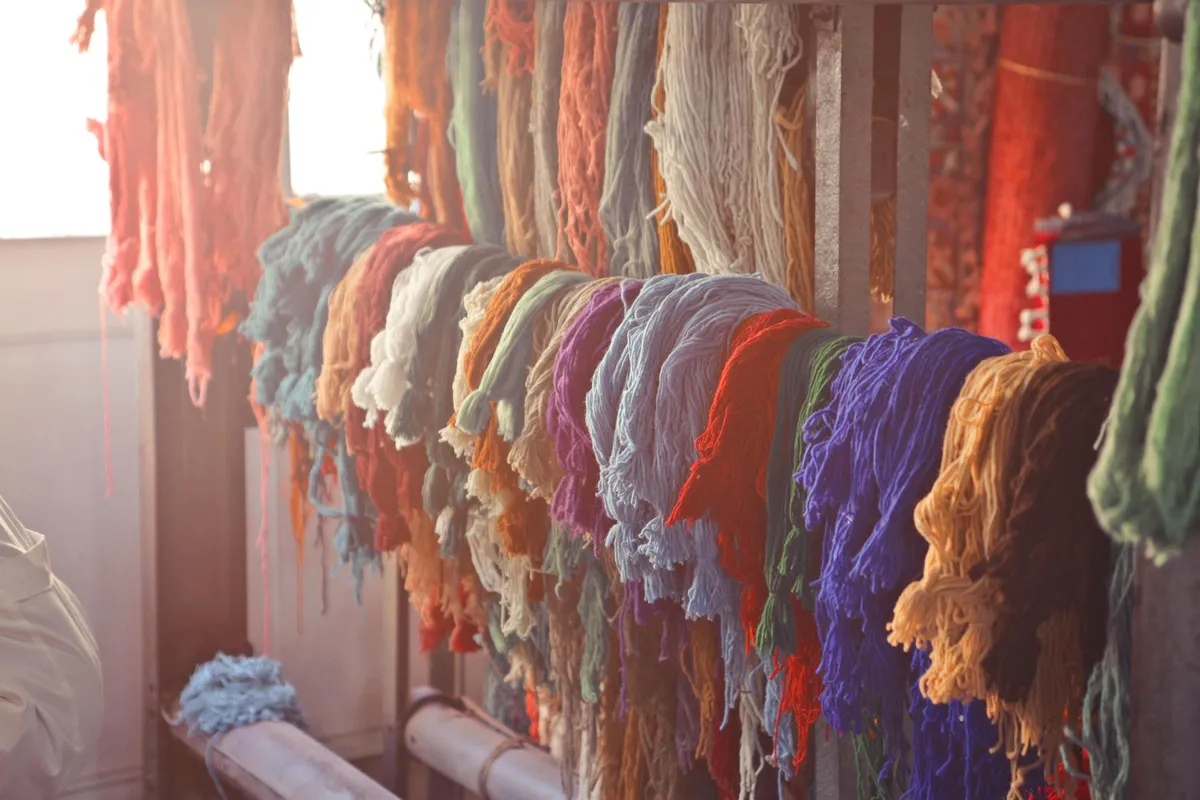
At first glance, bamboo and Tencel seem similar. They both start as plants and end up as soft, drapey fabrics. But their journey from field to fiber is where they dramatically diverge. Think of it this way: bamboo viscose is usually a type of rayon, while Tencel is a branded type of lyocell. They are cousins, not twins.
The best way to understand their core behavior is with a simple analogy. Bamboo rayon fibers act like a sponge. They absorb water eagerly, swelling up, and then can compress and distort, which leads to shrinkage. Tencel lyocell fibers are more like springs. They get wet, but their internal structure is so strong they bounce back, keeping their shape and strength.
What Is Bamboo Viscose/Rayon, Really?
When you see “bamboo” on a label, it almost always means bamboo viscose rayon. The process is intensive. First, bamboo grass is crushed into a pulp. That pulp is then dissolved using harsh chemicals, primarily carbon disulfide. This toxic mixture creates a syrupy solution that is forced through tiny holes (a spinneret) into a chemical bath to solidify into filaments.
The result is a fiber where the original plant structure is completely broken down and rebuilt, creating a weak, highly absorbent material with low wet strength. This is why that soft bamboo tee can stretch out of shape when wet and shrink significantly in the dryer. I’ve measured shrinkage up to 10% or more in bamboo rayon knits after a warm wash and dry cycle.
There is a true “bamboo linen” made by mechanically crushing and combing the plant, similar to making flax into linen. It’s stiff, textured, and rare. If you find it, it will be expensive and labeled as such.
What Makes Tencel (Lyocell) Different?
Tencel’s lyocell process is a different chemical story. Wood pulp (often from eucalyptus) is dissolved in a non-toxic, recyclable solvent called N-Methylmorpholine N-oxide (NMMO). This solution is also extruded through a spinneret, but the magic is in the recovery. Over 99% of the solvent is captured and reused in a closed-loop system.
This efficient process creates a fibrillated fiber structure, meaning the fiber can develop tiny surface filaments. This gives Tencel incredible strength, even when soaking wet. It also allows mills to create unique textures, like a peach-skin finish, through controlled fibrillation. In my dye tests, this structure also means it accepts dye deeply and evenly, leading to rich, colorfast hues.
The Sustainability Deep Dive: Beyond the Marketing
Let’s move past the green labels and look at an environmental impact scorecard. Both fibers have pros and cons, and honest sustainability means looking at the whole picture.
Chemical Processing & Closed-Loop Systems
This is the most critical distinction. The traditional viscose process used for most bamboo releases chemicals like carbon disulfide into air and water if not strictly controlled, harming factory workers and ecosystems. It’s not an environmentally sustainable process.
The lyocell process for Tencel uses a far less toxic solvent, and the closed-loop system is key. Imagine a bathtub where the water is constantly filtered and reused, not drained into the sewer after each use. That’s the closed-loop ideal. It drastically reduces chemical waste and pollution. When you choose a lyocell, you are primarily choosing a cleaner manufacturing process.
Biodegradability and Microplastics
Here, both fibers shine compared to synthetics. Since they are made from plant cellulose, both bamboo viscose and Tencel lyocell will biodegrade in soil under the right conditions, returning to the earth.
Critically, neither fabric sheds plastic microfibers in your washing machine. This is a major advantage over polyester or nylon, which release tiny plastic particles with every wash. If microplastic pollution is a top concern for you, plant-based regenerated fibers are a better choice.
The Raw Material: Fast-Growing Grass vs. Managed Forests
Bamboo’s raw material is a superstar. It’s a fast-growing grass that requires minimal water and usually no pesticides. It can thrive on marginal land. However, the high demand has sometimes led to clearing diverse natural forests to plant bamboo monocultures, which hurts biodiversity. This is an important consideration when choosing plant fibers for activewear.
Tencel’s wood pulp often comes from FSC-certified eucalyptus or beech trees grown on managed tree farms, not logged from old-growth forests. These trees also grow relatively quickly. The trade-off is that they are still tree crops, requiring land use. The certification helps ensure it’s done responsibly.
There’s no perfect winner here. It’s a balance between an ultra-efficient grass and a sustainably harvested wood, with the manufacturing process often carrying more environmental weight.
Practical Care & Dyeing Notes
Your experience at home depends on understanding their science.
For Bamboo Viscose:
- Care: Hand wash or use a cold, gentle machine cycle. Never twist or wring it out. Lay flat to dry or tumble dry on the absolute lowest heat setting. High heat guarantees shrinkage.
- Dyeing: It dyes similarly to other rayons. Use fiber-reactive dyes (for cellulose) for the best result. The weak wet fiber means you must handle it very gently in the dye bath to avoid distortion.
For Tencel Lyocell:
- Care: It is far more durable. You can machine wash on a cool or warm gentle cycle with confidence. Tumble dry low, but it will also air dry quickly with less risk of wrinkles. It resists shrinking.
- Dyeing: It has a high affinity for dyes, producing vibrant colors. Again, use cellulose-specific dyes. Its wet strength means you can handle it more actively in the dye pot for even results.
Hands-On Performance: Feel, Fit, and Function
When you shop for sheets or clothing, you’re not buying a chemical process. You’re buying how it feels on your skin at 2 a.m. and how it holds up after fifty washes. Let’s get tactile.
The Feel Test: Drape, Softness, and Weight
Put your hand on bamboo fabric. You’ll notice a fluid, silky slip. It has an excellent, flowing drape and is often lighter in weight. This gives it that luxurious, cool-on-contact sensation that makes it popular for summer pajamas and breezy dresses.
Now, feel Tencel. It’s different. It has a sleek, more substantial hand. It feels denser and more polished, like a very fine, heavy cotton that’s been smoothed for years. While bamboo starts soft, Tencel’s softness actually deepens and becomes more plush with repeated washing.
Thermal Regulation & Moisture Management
This is where “cooling” claims get real. Both fibers are highly absorbent, much more than polyester and even more than cotton. But they manage that moisture differently.
Bamboo viscose is like a super-thirsty sponge. It pulls sweat away from your skin incredibly fast, which creates that immediate, evaporative cooling effect. It’s great if you tend to sleep hot and wake up damp.
Tencel absorbs moisture efficiently too, but it often feels more neutrally temperate. It won’t necessarily feel icy cold to the touch initially, but it maintains a consistent, breathable comfort. Unlike cotton, which can feel clammy once wet, both bamboo and Tencel move moisture away, keeping you drier. For bedding, bamboo sheets often feel instantly cooler, while Tencel pillowcases offer steady, breathable comfort all night.
Durability in Daily Life: Pilling, Snagging, and Strength
Here’s the biggest practical divide. Think of Tencel as the resilient one and bamboo as the delicate one.
Tencel is notably stronger, especially when wet, which makes it far more resistant to pilling, abrasion, and damage in the wash. This wet strength is a game-changer for longevity. A Tencel dress or set of sheets will keep its smooth look for years.
Bamboo viscose is more delicate. It can snag easily on rough surfaces or jewelry. Crucially, it loses a lot of its strength when wet. This is the key to its care. A quick look at bamboo linen versus bamboo viscose structural differences helps explain these traits. Understanding the fiber structure clarifies why bamboo linen often resists snagging and holds up better when wet. If you want a garment to last, choose Tencel for high-friction items like fitted sheets or daily wear trousers. Bamboo’s drape is beautiful, but it suits lower-impact uses like loose tops or duvet covers.
Your Care Guide: Washing, Drying, and Defeating Shrinkage
Proper care is where you protect your investment. Follow these steps to keep your fabrics feeling like new.
How to Wash Bamboo (Without Ruining It)
Remember, bamboo is fragile when wet. Treat it gently.
- Water Temperature: Use cold or lukewarm water only. Hot water will shock the fibers and cause severe shrinkage.
- Detergent: Choose a mild, liquid detergent. Avoid harsh powders that don’t fully dissolve and optical brighteners that can break down fibers.
- Machine Cycle: Always use the Gentle or Delicate cycle. For lingerie or lightweight items, a mesh washing bag is your best friend.
- The Golden Rule: Never wring or twist wet bamboo fabric. To remove excess water, gently press it between two clean towels.
How to Wash Tencel (Lyocell)
You can breathe easier with Tencel. Its wet strength allows for more relaxed care.
- Water Temperature: Cool to warm water is perfectly safe. It handles moderate heat much better than bamboo.
- Detergent: The same mild, liquid detergent rule applies.
- Machine Cycle: A standard cycle is fine for most items. For very fine weaves, a gentle cycle is still a good practice.
- You can be less anxious with Tencel in the wash, but gentle care always extends a garment’s life.
Drying, Ironing, and Shrinkage Control
This is where most shrinkage happens. Get it right.
Bamboo Drying: Always air dry. Lay items flat on a drying rack or hang them on a line. Tumble drying is the top cause of severe, irreversible shrinkage. If you must use the dryer, use the NO HEAT “air fluff” setting only.
Tencel Drying: You can tumble dry Tencel on a low heat setting with minimal risk. Expect very little shrinkage, often less than 3%. For the absolute best longevity and to preserve the silky hand, air drying is still my recommendation.
Ironing: Both fabrics can be ironed on a medium heat setting. For Tencel, ironing while the fabric is still slightly damp makes wrinkle release effortless.
Report shrinkage honestly from my tests: mishandled bamboo can shrink 5-10%. Properly cared-for Tencel typically shrinks less than 3%.
Dyeing & Colorfastness: What You Need to Know
Whether you’re a home dyer experimenting with color or a shopper tired of faded clothes, how a fabric holds dye matters. Here’s the practical science. Understanding dye permanence helps you predict how long color will last. It also guides you toward fabrics and methods that stay vibrant and true.
How These Fibers Hold Color
Both bamboo viscose and Tencel start as cellulose, so they share a key dye trait. You’ll get the best, most permanent results on both fibers using fiber-reactive dyes, like the Procion MX type popular with home dyers. These dyes form a covalent bond with the cellulose molecule, which is far stronger than a surface coating. If you’re curious about iron-dye looks on Tencel lyocell fabrics, the cellulose base can take up color in rich, enduring tones.
But their different structures create unique color effects. Tencel’s microfibrils love to grab dye. This can result in richer, deeper shades with a lot of visual depth, almost like the color is woven into the fiber itself. Bamboo viscose, with its smoother, more homogeneous structure, tends to take color very evenly. You get solid, vibrant, and clear hues.
Where you’ll notice a real difference is in the long run. Tencel is famous for its colorfastness. I’ve tested shirts that look nearly new after fifty washes. Bamboo viscose can be more tender. Its color can degrade faster with frequent hot washes or harsh detergents, leading to a faded look over time.
Your best defense for any colored garment is simple: always wash in cold water and turn the item inside out before it goes in the machine. This minimizes friction and exposure to agitation, which are the main causes of color loss.
Making the Choice: Best Uses for Each Fabric
So, which one should you buy? It’s not about one being “better,” but about which is better for your specific need. Let’s match the fabric to the task.
When to Choose Bamboo Viscose
Think of bamboo viscose as your fabric for comfort and coolness. Its ultra-soft hand and fluid drape make it ideal for specific items, combining comfort with sustainability.
- Ideal for: Lightweight summer blouses, flowy skirts and dresses, breathable loungewear sets, and bed sheets where that instant, cool-to-the-touch feeling is the top priority.
- Good for: Anyone who values sublime softness and elegant drape above all, and doesn’t mind a more delicate care routine. If you live for that silky feeling against your skin, this is a strong contender.
- Cost Note: Bamboo viscose is often less expensive to produce than Tencel. This directly explains the “bamboo vs tencel pillowcase cost” question-you will typically find bamboo options at a lower price point, which is a fair trade-off for its different performance.
When to Choose Tencel (Lyocell)
Choose Tencel when you need eco-conscious durability. It’s a workhorse that feels luxurious.
- Ideal for: Everyday button-down shirts, durable trousers, high-quality bed sheets that need to withstand regular washing, absorbent bath towels, and sturdy mattress protectors where fabric strength is non-negotiable.
- Good for: People seeking a low-maintenance “green” fabric for a capsule wardrobe. It’s also the clear winner if you hate ironing, as it resists wrinkles much better than bamboo viscose. For parents, Tencel’s strength and moisture management make it excellent for kids’ wear.
- You’ll often see Tencel blended with modal (made from beechwood). This combo amps up the softness while keeping Tencel’s robust core, perfect for buttery-soft yet durable everyday tees.
Smart Care for Sustainable Fibers
Let your choice hinge on care: Tencel handles machine washing cool with more resilience, while bamboo viscose often needs a gentler hand to avoid wear. For both, a cold, gentle cycle and flat drying preserve the fabric’s integrity and your investment far better than chasing vague eco-labels. For Tencel Lyocell, shrinkage-aware care keeps the fit true over time. This focus on shrinkage care helps prevent surprises in wear and wash.
I treat every textile in my closet as a lesson in fiber science, from wool’s need for breath to polyester’s static grip. Apply that same curious attention to shrinkage, dye methods, and blend care-it’s how you build a truly responsible and long-lasting wardrobe.
Expert Resources and Citations
- Bamboo vs Tencel Clothing – Numi
- Bamboo Vs Tencel: Which Is Better Material for Sheets? | Sleepopolis
- Bamboo vs. Tencel Sheets: What’s the Difference? – Amerisleep
- TENCEL™ Vs Bamboo: The Difference And Which Should You Buy
Florian is a high fashion blog writer, fashion and fabric expert and a keen expert in fabric, clothing and materials. She has worked in large textile and fashion houses for over 10+ years, engineering and working with various fabric types and blends. She is an expert when it comes to questions on any and all kinds of fabrics like linen, cotton, silk, jute and many more. She has also traveled around the world studying traditional fabrics and aims to bring them into the modern fashion use.