
What Shapes Alpaca Fiber Color, Dyeability, and Price?
Love alpaca’s warmth but wonder why some garments are chocolate brown and others snowy white? I’ve worked with these fibers for years, and their natural color is the first clue to how they’ll wash, wear, and take dye.
Let’s look at the science behind the sweater. We will cover alpaca fiber color genetics, natural hues, dyeability, and market value.
Executive Summary: Alpaca Fiber Properties at a Glance
In my years of handling fibers, alpaca consistently impresses with its balance of luxury and function. Here is what you need to know.
- Tactile Properties: It offers luxurious softness, often compared to cashmere, with excellent warmth that isn’t heavy. The hand is sleek and lustrous.
- Core Pros: This fiber comes in over 22 natural shades, from white to black and many browns and grays. This natural range often means you can create beautiful items without dyeing. When you do dye it, alpaca has a good affinity for protein-fiber dyes. It is also naturally hypoallergenic because it lacks lanolin.
- Core Cons and Care: Alpaca can stretch if mishandled or hung wet. It requires gentle washing in cool water to prevent felting and shrinkage. Be aware that rich, natural dark hues may fade slightly with prolonged sun exposure.
- Main Uses: You will find it in high-end knitwear, woven coatings, luxurious blends with silk or wool, and hand-spinning yarns.
The Textile Science of Alpaca Color: A Maker’s Guide to Genetics
The color in an alpaca fleece isn’t painted on. It is woven into the very structure of the fiber, locked into the keratin proteins from birth. I think of it like human hair color, a trait passed down through genetics.
You might hear breeders use terms like ‘alpaca color genetics ee a2a3’. This is a genotype code, a set of genetic instructions. Break it down like a recipe. The ‘ee’ part often points to a base color potential, like a deep brown or black. The ‘a2a3’ refers to specific modifier genes that can lighten or shift that base, resulting in a fawn or cinnamon shade. Knowing this code helps you understand the color story your raw material will tell.
Specific genes control the pattern of color in each fiber. The Agouti gene, for instance, decides if fibers will be solid, have bands of different colors, or be tipped with a lighter shade. This directly affects your final yarn. A fleece from an animal with a mixed pattern will spin into a heathered yarn with natural depth, while a solid genotype gives a uniform color.
Many makers look for an ‘alpaca color genetics chart’. These charts are essential tools for breeders, but they are practical for you too. A basic chart matches genotype codes to the actual fiber color you see (the phenotype). By reading one, you can predict if a batch of roving or yarn will be consistent or have charming natural variations.
True black and pure white alpaca fibers are less common, which makes them more valuable in the market. A jet-black fleece gives a profound color without dye, and a brilliant white fleece acts as a perfect blank canvas for any dye shade.
How Fiber Structure Differs from Sheep’s Wool
Put alpaca and sheep’s wool under a microscope, and you’ll see a key difference. Alpaca fibers have smooth, nearly flat scales and are often semi-hollow. Sheep wool has more pronounced, jagged scales.
This structural difference explains a lot. The smoother scales mean alpaca is less likely to feel prickly against your skin. That semi-hollow, smooth structure also makes alpaca less prone to the aggressive felting that wool can experience. However, it can still felt if you wash it roughly with heat and agitation.
For care, always use cool water and a mild detergent, handling the wet fiber gently to support its shape. For dyeing, both fibers are protein-based and take acid dyes well, but the alpaca’s structure can allow for very even, vibrant results. Remember, gentle handling preserves the beauty of both the fiber and its natural color.
How to Dye Alpaca Fiber: Affinity, Process, and Colorfastness
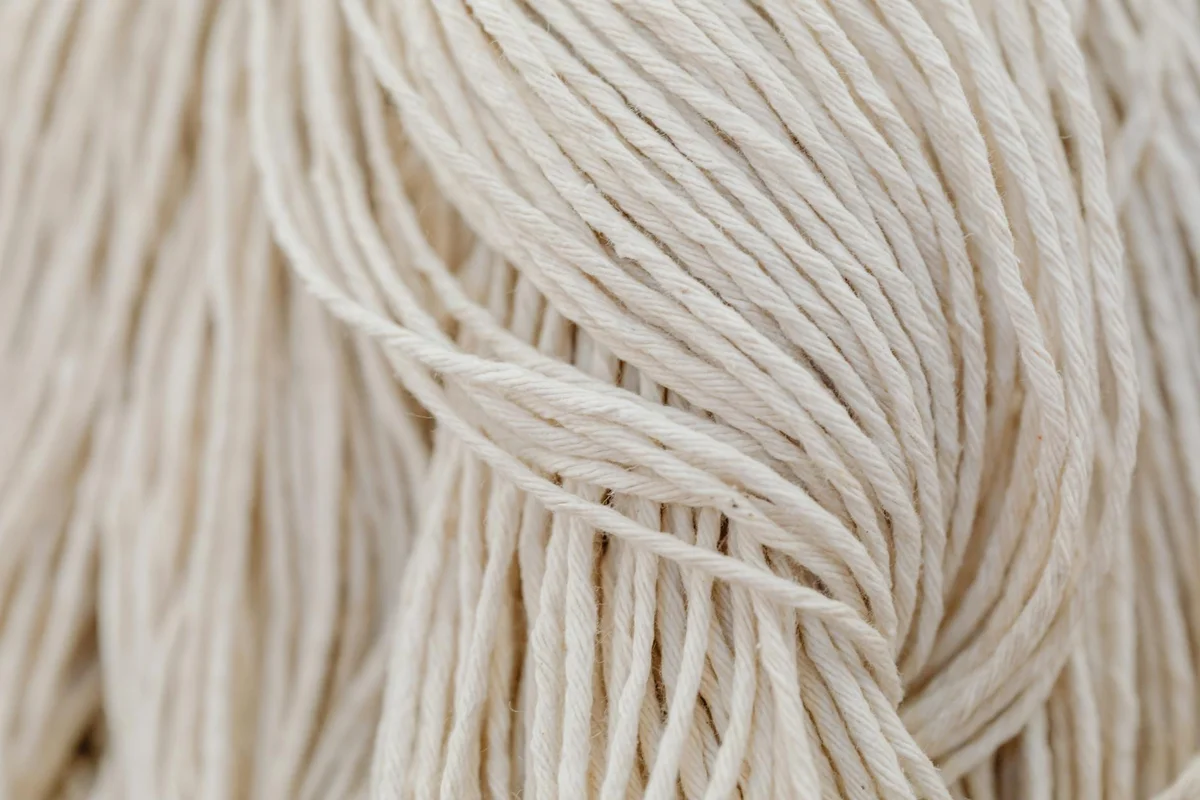
Alpaca is a protein fiber, just like wool and silk. This means its molecular structure is primed to form strong chemical bonds with specific types of dye. For the brightest, most permanent colors, you want to use acid dyes.
Acid dyes, which require a mildly acidic environment (often with vinegar or citric acid), are your best and most reliable choice for alpaca. They penetrate the fiber deeply and lock in color. You can also use natural dyes, but they absolutely require a mordant-usually a metal salt like alum-to create a bond between the dye and the fiber.
Let’s put alpaca’s dyeability in context with other common fibers.
- Alpaca vs. Wool: The dye process is nearly identical. However, alpaca fiber has smoother surface scales than most sheep’s wool. I often see alpaca yarn absorb dye more evenly, with less risk of a patchy or speckled result.
- Alpaca vs. Silk: Both take acid dyes beautifully. Silk typically yields slightly brighter, more vibrant shades because of its smooth, reflective structure. Alpaca colors are often described as rich and deep.
- Alpaca vs. Cotton: This is a completely different game. Cotton is a plant cellulose fiber and requires fiber-reactive dyes. Dyes that work on alpaca will simply wash right out of cotton.
Here’s a crucial point that links back to genetics. Your starting fiber color dramatically affects your final shade. Dyeing a naturally white alpaca fleece gives you the truest, clearest color, while dyeing a fawn or medium-brown fleece will create a beautiful, tonal result, similar to overdyeing fabric for richer colors. Think of it like painting with watercolors on tan paper instead of white. A blue dye over brown fiber will yield a deeper, more muted slate or heather tone. This isn’t a flaw, it’s a feature for creating unique, nature-based colors.
Before you immerse any precious fiber, you must test. Always conduct a colorfastness test on a small swatch or sample before dyeing the entire batch. Wash and dry your test piece exactly as you plan to care for the final item. This tells you if the color bleeds or fades, saving you from a heartbreaking disaster.
One final note on permanence. Synthetic acid dyes are generally very permanent and lightfast. Many natural dyes, while gorgeous, are more susceptible to fading over time with washing and sunlight exposure. This directly affects how you should care for the finished garment. Understanding fabric dyes permanence helps you choose dyes with long-lasting color. It also guides the care steps you’ll take to preserve that color.
The Care and Handling Protocol: Washing, Drying, and Preserving Color
Alpaca is a luxurious, durable fiber, but it demands gentle care. The number one risk is shrinkage and felting, caused by heat, agitation, and rapid temperature changes. Follow this step-by-step guide to keep your alpaca items beautiful for years, especially when comparing different alpaca types like Suri and Huacaya.
Step 1: Testing. Before the first full wash, check for colorfastness. Dampen a hidden seam or area with cool water, then press it with a white cloth. If any color transfers, you’ll need to wash it alone with extra care, especially when you prepare and troubleshoot fabric dyeing.
Step 2: Washing. Use cold to lukewarm water-I never go above 30°C (86°F). Hot water is the enemy. Choose a mild, neutral pH detergent meant for delicates or wool. Absolutely never use chlorine bleach; it will dissolve and yellow the protein fibers.
Step 3: Agitation. Hand-washing is the safest method. Gently swish the item in the soapy water. If you must use a machine, place the item inside a zipped mesh laundry bag and use the wool or handwash cycle with the slowest spin speed, or no spin at all. Aggressive spinning can felt fibers.
Step 4: Rinsing. Rinse thoroughly using water of the same temperature as your wash water. Any leftover detergent can attract dirt and make the fiber feel stiff.
Step 5: Drying. Never twist or wring the water out. Gently press out excess water. Then, roll the item in a clean, absorbent towel to press out more moisture. Lay the item completely flat on a drying rack, reshaping it to its original dimensions as you do. This prevents stretching and misshaping. Keep it away from direct heat sources like radiators and out of strong sunlight, which can fade dyes and weaken fibers.
Step 6: Ironing. You usually won’t need to iron alpaca. If you must remove a crease, use the absolute coolest setting on your iron and always, always use a press cloth (a thin cotton fabric) between the iron and the alpaca. The fibers are heat-sensitive.
This protocol works for both natural and dyed alpaca. For hand-dyed items, especially with natural dyes, be even more conservative with water temperature to preserve the color intensity. Cool water is your safest bet.
Why Natural Hue Impacts Price: Market Value for Smart Buyers
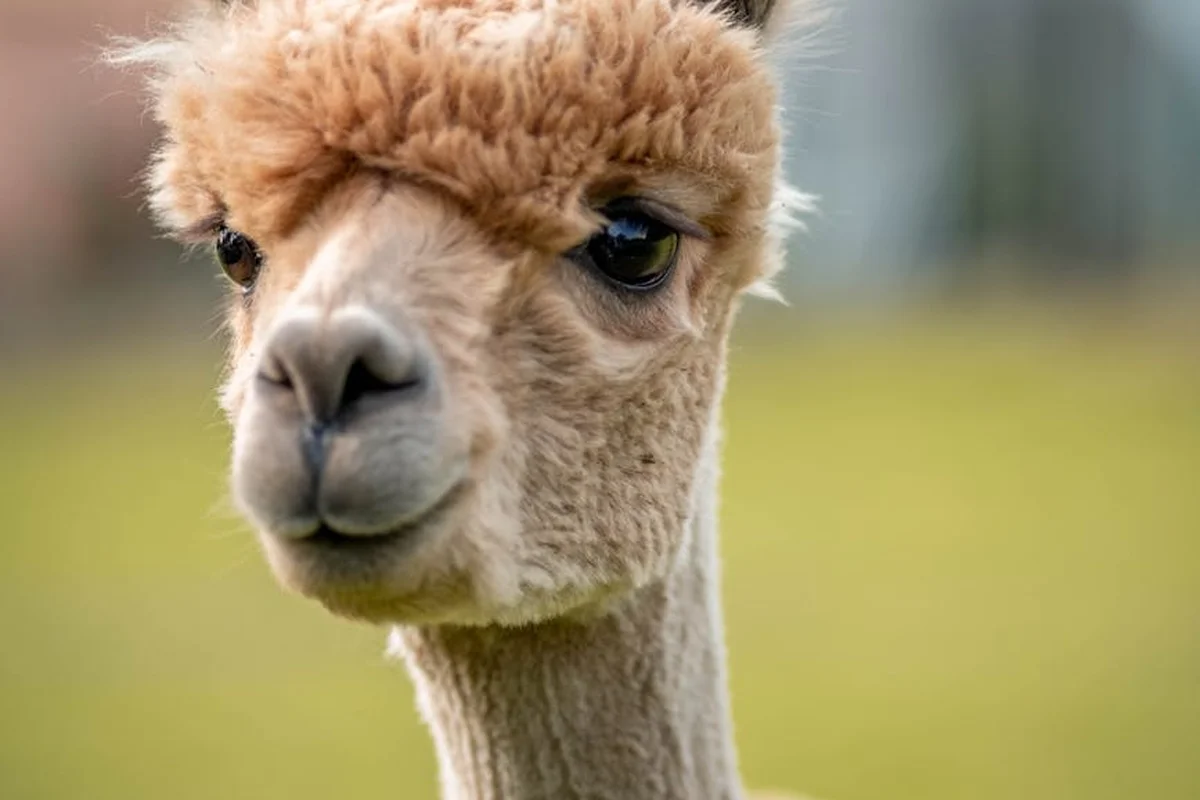
In my visits to farms and mills, I’ve seen the price sheets. A fleece labeled “true black” or “rose gray” carries a significantly higher price per pound than a white one. This isn’t just marketing. It’s pure textile economics. Rarer natural colors command premium prices because they are a finished product straight from the animal, eliminating the entire dyeing process for spinners and luxury brands. A mill buying jet-black alpaca fiber can skip the costly, resource-intensive step of achieving a deep, even black with synthetic dyes.
The value extends beyond money. Choosing a natural brown, fawn, or gray for your project is a powerful sustainable choice. You are actively reducing the water consumption, chemical runoff, and energy use associated with commercial dyeing. Your garment’s color story begins at the pasture, not the dye vat.
This doesn’t mean naturally colorful knitting is only for the luxury market. The “gray market” is your friend. Mixed-color fleeces, or those with less uniform pigmentation, are often sold at a discount and are perfect for creating beautiful, heathered yarns and fabrics. Small-batch spinners and weavers prize these for the unique, non-repeating color depth they provide, something a single-dye bath can’t replicate.
So, which is more valuable: a dyed uniform batch or a naturally variegated one? It depends entirely on the project. A designer needing 500 identical sweaters will pay for consistency, often achieved through dyeing white fiber. An artisan maker producing one-of-a-kind shawls will value the unique character of a natural, undyed gradient. Both have a strong niche, and understanding this helps you buy smarter, whether you’re sourcing for a business or a personal stash.
Textile Expert’s Handling Pro-Tips for Sewing and Storage
Alpaca fiber is a dream to work with, but it has its own personality. A little prep goes a long way. Always pre-wash your alpaca fabric or skeins of yarn before you start a project. Use cool water and a gentle wool wash, then lay it flat to dry. This “relaxation shrinkage” happens once, on your terms, so your final garment dimensions stay put after you make it. I typically see about 2-5% shrinkage in length after this first wash, similar to untreated cotton.
When cutting alpaca fabric, treat it with respect. Dull scissors will crush and pull the long fibers, leading to a frayed edge. Use razor-sharp dressmaker’s shears or a fresh rotary cutter blade.
At the sewing machine, think finesse. I recommend a fine needle-a size 70/10 Microtex or Sharp needle is ideal. Use a slightly longer stitch length, around 2.5mm to 3mm. This combination helps the needle glide between the fibers instead of dragging them down into the bobbin case, preventing puckering. A walking foot can also be a great help for feeding the layers evenly.
Storage is straightforward but critical. Alpaca is a protein fiber and can be a target for moths. Store items clean in a cool, dry place. I strongly prefer natural cedar blocks or lavender sachets to mothballs, which leave a harsh chemical smell in the fibers. Always fold alpaca knits and woven garments, never hang them. The weight will stretch the fabric permanently over time.
Many people ask how alpaca stacks up against cashmere, another luxury fiber. Both are incredibly soft and warm. From a textile science perspective, the difference is in the structure. Alpaca fibers have a smoother surface and greater tensile strength than cashmere, which makes finished alpaca fabrics more durable and significantly less prone to pilling over time. This makes alpaca a robust, practical choice for items like sweaters and coats that you plan to wear often. For activewear, blends of merino wool and alpaca are popular for their balance of warmth, moisture management, and comfort during movement. Cashmere, while exquisitely soft, requires more delicate handling for long-term wear.
Troubleshooting Common Alpaca Fiber Issues
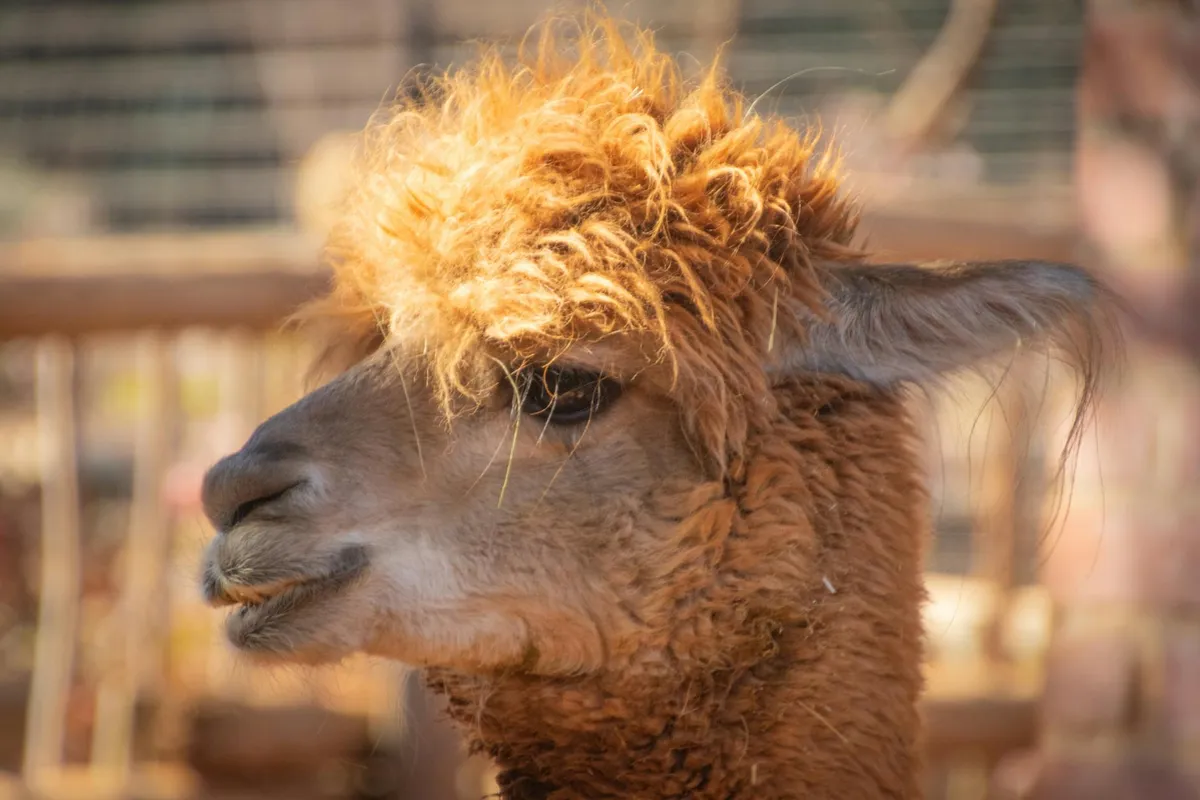
Alpaca fiber is a joy to work with, but its unique structure, being hypoallergenic and lanolin-free, demands specific care. I’ve handled enough stretched sweaters and lightly felted swatches in the lab to know the common pitfalls. Here’s how to solve them.
Problem: Stretching
A stretched, saggy alpaca garment loses its beautiful drape. This happens when the weight of wet fiber is manipulated too much. The fibers have a smooth scale structure, so when heavy and wet, they can slide past each other and not spring back fully.
The fix is to re-block the item, which resets the fiber memory with moisture and gentle reshaping.
- Fill a clean sink with lukewarm water and a bit of wool wash or mild hair conditioner.
- Submerge the garment, let it soak for 15 minutes, then gently press out water-never wring or twist.
- Roll it in a towel to remove excess moisture.
- Lay it flat on a fresh towel or blocking mat, and patiently coax it back to its original shape and dimensions. Let it dry completely away from heat.
Problem: Light Felting (Shrinkage)
You pull a sweater from the wash and it’s tighter, thicker, and stiffer. That’s felting. It’s caused by heat, agitation, and rapid temperature changes, which make the fiber scales lock together permanently.
Once alpaca fibers have felted, the process is almost always irreversible; the fabric has fundamentally changed.
You can prevent it from getting worse. Always wash in cold water with a no-agitation soak. Never use a washing machine’s spin cycle. Gently press out water and lay flat to dry. Think of it like a delicate sponge you’re preserving, not a t-shirt you’re scrubbing.
Problem: Color Fading on Natural Dark Fibers
Natural black, brown, or grey alpaca fibers are stunning, but their rich color comes from melanin pigment, which can be degraded by ultraviolet light. You might notice a reddish or brownish cast over time.
To protect those deep natural hues, always wash dark alpaca items inside-out and store them away from direct sunlight.
I keep my dark alpaca pieces in closed closets or inside garment bags. If you must line dry, do so in complete shade. This simple habit drastically slows the fading process, especially compared to cotton and linen fabrics which tend to fade more quickly.
Problem: Dye Bleed from a Finished Garment
A brightly dyed alpaca scarf leaves color in the wash water. This means excess dye wasn’t fully rinsed out during the manufacturing dyeing process. Don’t panic. You can often set the remaining dye and prevent it from staining other clothes.
A cold wash with a commercial dye-catching sheet is your safest first defense against color bleed.
- Fill a basin or use your washing machine on a gentle, cold water cycle.
- Add a mild detergent and one or two dye catcher sheets (like Shout Color Catchers or Carbona Color Grabbers).
- Wash the bleeding garment by itself. The sheet will absorb the loose dye molecules.
- Check the sheet. If it’s heavily colored, repeat the process with a fresh sheet until the water runs clear.
Always air dry the item after to check the color is stable before mixing it with other laundry.
Your Alpaca Care Cheat Sheet
When people ask me for the absolute rules of ‘care instructions for alpaca wool,’ I give them this simple list. Follow this, and your pieces will last for generations.
- Water: Always use cold water.
- Cleaner: Use a mild, pH-neutral soap or dedicated wool wash.
- Motion: No agitation. Soak and gently swish only.
- Drying: Never use a dryer. Always reshape and lay flat to dry.
- Storage: Keep clean, folded, and protected from moths with cedar or lavender.
Textile Science for Alpaca: Care and Color Preservation
To preserve the unique beauty and value of alpaca fiber, always let its natural color and structure guide your care routine. Whether your piece is a rich, undyed brown or a professionally dyed jewel tone, hand-wash it gently in cool water with a pH-neutral soap to prevent felting and color loss.
Owering alpaca well means respecting its origins and extending that thoughtful care to every fabric in your home, from resilient polyester blends to delicate silk. I learn something new about fiber properties like cotton’s shrinkage or nylon’s heat sensitivity every time I work in the lab, and that continuous curiosity is the heart of responsible textile use.
Industry References
- Alpaca Fleece and Alpaca Fiber 100% Natural Raw Alpaca – Alpacas of Montana
- r/alpaca on Reddit: Raw, unskirted alpaca fiber cost?
- Raw Fiber | Alpaca Fiber | Alpaca Fleeces | Whirlwind Ranch
- Product Detail Natural Fiber Color Chart
Florian is a high fashion blog writer, fashion and fabric expert and a keen expert in fabric, clothing and materials. She has worked in large textile and fashion houses for over 10+ years, engineering and working with various fabric types and blends. She is an expert when it comes to questions on any and all kinds of fabrics like linen, cotton, silk, jute and many more. She has also traveled around the world studying traditional fabrics and aims to bring them into the modern fashion use.