
Which Fabrics Are See-Through? A Textile Scientist’s Guide to Opacity
Held up a lovely fabric to light and realized it’s too sheer? I’ve tested hundreds of swatches in the lab, and I can tell you that opacity isn’t just luck-it’s science.
This guide explains the fabric properties behind sheerness. We will cover how fiber type, yarn thickness, and weave structure create transparency, a simple home test to check any fabric’s opacity, and washing and dyeing tips that protect your layers from unwanted show-through.
Your Quick Reference: Sheer Fabric Facts
Here is what you need to know at a glance.
- A fabric’s sheerness is determined by four things: how dense the fibers are, how thin the yarn is, how tight the weave is, and the color of the fabric.
- Commonly sheer fabrics include chiffon, organza, georgette, gauze, cotton voile, batiste, and some lightweight linens.
- Opacity increases with a tighter weave, thicker yarns, darker colors, and denser fibers.
Material Data Table
| Fabric Name | Typical Fiber | Breathability | Shrinkage Risk | Heat Tolerance (Iron Temp) | Stretch Factor |
|---|---|---|---|---|---|
| Chiffon | Polyester, Silk | Medium | Low (Poly), High (Silk) | Cool (Silk), Low (Poly) | None |
| Organza | Silk, Polyester | High | High (Silk), Low (Poly) | Cool (Silk), Low (Poly) | None |
| Cotton Voile | Cotton | High | High | Medium-Hot | None |
| Linen (Lightweight) | Linen | High | Medium | Hot | None |
| Gauze | Cotton | High | High | Medium | Low (can distort) |
| Georgette | Silk, Polyester | Medium | High (Silk), Low (Poly) | Cool (Silk), Low (Poly) | None |
Let’s tackle a common question right away: Is linen always see through? No, it is not. Sheerness in linen depends entirely on its weight and weave. A heavy, tightly woven linen canvas is completely opaque. A lightweight, loosely woven linen meant for an airy summer blouse will have a degree of transparency. If you want opaque linen, look for fabric described as “heavyweight” or “apparel weight,” and hold it up to a light source before you buy.
The Simple Science of Sheerness: Fiber, Weave, and Light
Think of sheerness not as a flaw, but as a design choice based on physics. It’s all about how much light passes through. A screen door lets light and breeze through because of its open structure; a solid wood door does not. Fabric works the same way.
The transparency of any material comes down to three interconnected factors working together.
1. Fiber Density & Diameter
This is about the building blocks. Fine, smooth filaments like silk or polyester microfiber are packed tightly together, but because each filament is so thin, light can sneak between them. Imagine a bundle of fine glass rods. Wool, in contrast, is made of fibers with a scaly surface that tangle and mat together, creating a denser, more light-blocking wall, even when spun thinly. A thin polyester filament can be sheer, while a thick wool fiber is almost never.
2. Yarn Twist & Thickness
Fibers are spun into yarn. A loosely twisted, thin yarn (like the high-twist yarns in cotton voile or crepe) has more air pockets. Light travels through these air spaces. A thick, tightly twisted rope of yarn, like the kind used in denim or a cozy sweater, leaves far fewer gaps for light to penetrate. The thinner the yarn, the greater the potential for sheerness.
3. Weave or Knit Structure
This is the final, most obvious factor. Yarns are woven or knitted together. A plain, tight weave like percale cotton for bed sheets places threads close together. An open, loose weave like gauze or leno weave has visible holes. A tight weave is your best bet for opacity, regardless of fiber. In cotton fabric classification, weave tightness and weight are the key criteria for describing fabrics and guiding choice. These factors influence opacity and drape. So, is cotton fabric see through? A lightweight, open-weave cotton like batiste or voile certainly can be. But a tight cotton denim, canvas, or velour is completely solid.
Color plays a visual trick, too. A white or pastel fabric will appear sheerer than the exact same fabric in black or navy. The dark pigment absorbs more light, reducing the visible transmission. If you are dyeing a sheer fabric at home, know that achieving a deep, opaque black requires a lot of dye and proper technique to ensure even coverage.
Common Sheer Fabrics & Their Personalities
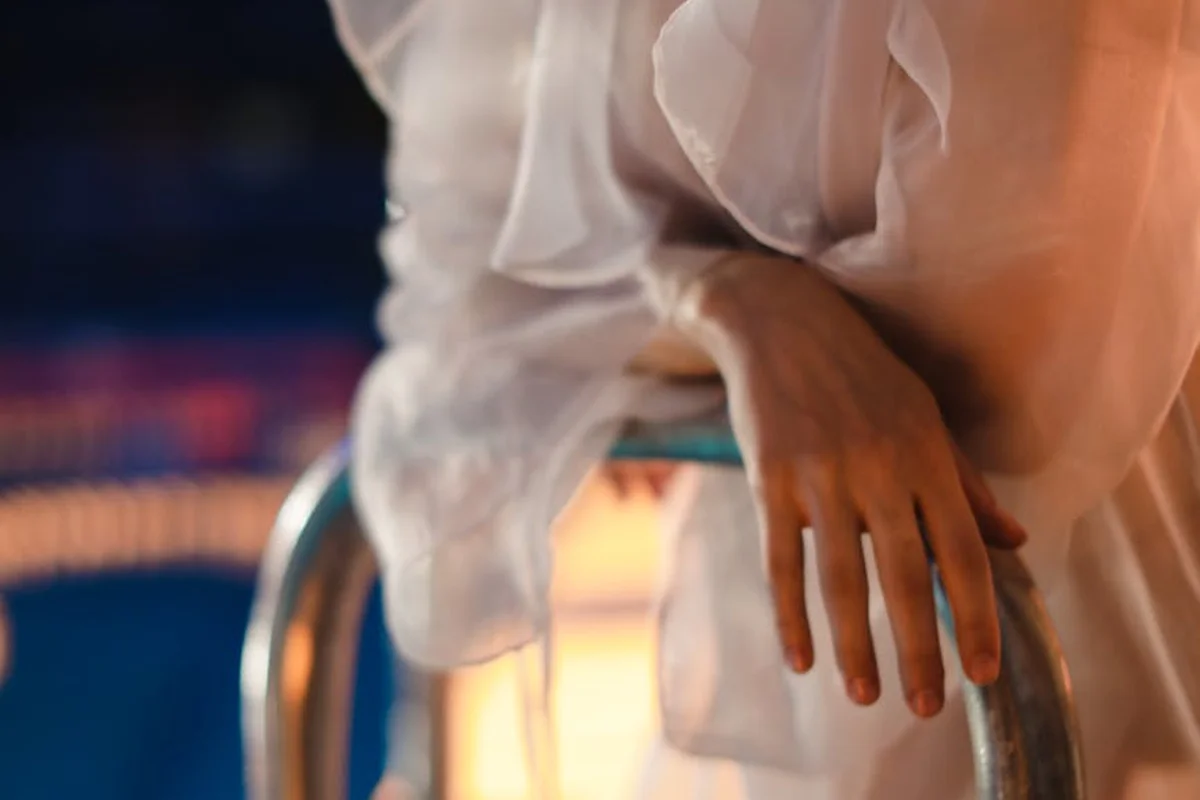
Let’s look at the most common sheer fabrics. I will break each one down by its fiber makeup, how it feels, and how you should care for it.
Chiffon (Silk or Polyester)
Fiber Content: Originally silk, now commonly polyester or nylon. Hand Feel & Drape: It has an ethereal, floaty drape that moves with a light, airy weight. The hand is softly frictioned, almost slightly rough. Typical Sheerness Level: High. It is classically transparent. Common Uses: Flowing overlays, scarves, evening gown sleeves, and delicate blouses. My Care Tip: Polyester chiffon resists wrinkles and water spots better than silk. For silk chiffon, I always hand-wash in cool water with a shampoo for fine hair-it’s gentler than most detergents.
Organza (Silk or Synthetic)
Fiber Content: Silk, polyester, or nylon. Hand Feel & Drape: Crisp and stiff with a distinct body. It doesn’t drape so much as it holds a shape. Typical Sheerness Level: Structurally sheer. You can see right through its open, plain weave. Common Uses: Wedding dress skirts, structured sleeves, interior facings to add body, and decorative flowers. My Care Tip: Despite its delicate look, organza is surprisingly durable due to its high twist yarns. Avoid folding it tightly to prevent permanent creases; roll it on a tube instead.
Linen (Woven from Flax)
Fiber Content: 100% flax fibers. Hand Feel & Drape: Crisp, textured, and breathable. It has a dry hand and gets softer with every wash. Typical Sheerness Level: Semi-sheer to opaque. This is the key point. Linen’s natural slubs (those lovely thick-and-thin spots) and common loose weaves create tiny gaps. In lighter fabric weights (like a 5 oz. handkerchief linen) and lighter colors, it can definitely be see-through. Common Uses: Summer shirts, dresses, pants, and home decor. My Care Tip: So, are linen shorts see through? It depends completely on the fabric weight. A heavy 8+ oz. linen is usually opaque. Always hold your fabric up to a light source before you sew. To reduce sheerness, choose a tighter weave or a darker color. Durability is a hallmark of linen, making it a trusted choice for long-lasting bedding and everyday clothing. With proper care, linen can hold up for years and soften with each wash.
Cotton Voile & Batiste
Fiber Content: Primarily cotton, sometimes blended with polyester or lyocell. Hand Feel & Drape: Soft, breathable, and slightly crisp. Voile is a bit sheerer and crisper; batiste is slightly denser and softer. These are classic examples of specialized cotton fabric types and their properties. Their weave, weight, and finish determine hand, drape, and how they behave in wear. Typical Sheerness Level: Semi-sheer. They are the quintessential “see through fabric shirt” materials. Common Uses: Perfect for lightweight summer shirts, dresses, nightgowns, and delicate blouses. My Care Tip: These fabrics shrink, especially on the first wash. I always pre-wash them in warm water and tumble dry before cutting my pattern. This prevents a finished garment from becoming unexpectedly smaller-and potentially more sheer-later.
Georgette (Crêpe Texture)
Fiber Content: Silk, polyester, or rayon. Hand Feel & Drape: It has a pebbly, crêpe texture that gives it a duller, less shiny surface than chiffon. The drape is fluid and excellent, with a bit more body than chiffon. Typical Sheerness Level: Medium to high sheerness, similar to chiffon. Common Uses: Flowy dresses, blouses, and skirts where a more matte, textured sheer look is desired. My Care Tip: The crêpe twist in the yarns can relax with aggressive washing. Use a gentle cycle and consider air drying to maintain its distinctive texture and drape.
Synthetics (Mesh, Illusion, Certain Nylons)
Fiber Content: Polyester, nylon, spandex blends. Hand Feel & Drape: Varies widely. Mesh is open and net-like; illusion tulle is incredibly fine and soft; some nylon tricots are sleek and slippery. Typical Sheerness Level: Engineered from semi-sheer to completely transparent. Common Uses: Athleticwear linings, formalwear overlays, costume fabric, and veils. My Care Tip: Heat is the enemy of these fine filaments. High dryer heat can melt or distort the tiny fibers, permanently changing the transparency and feel. Always air dry or use a no-heat tumble setting.
The Sheerness & Care Connection: Washing, Drying, and Changes
Your care routine directly controls whether a sheer fabric stays beautiful or becomes a problem. Does fabric get sheerer over time? Yes, absolutely, if you care for it poorly. Here is your protocol for see through fabrics for clothes.
Follow these steps every time you wash a sheer garment:
- Test for colorfastness on a seam. Dab a hidden seam with water and a white cloth. If dye transfers, hand-wash alone.
- Use a mesh laundry bag for absolute protection. This prevents snags and tangles.
- Choose a cold, gentle cycle with low spin. High-speed spinning can stretch and distort delicate weaves.
- Use a mild, neutral pH liquid detergent. Avoid powders that may not fully dissolve and optical brighteners, which can yellow silks over time.
- Never wash with abrasive items like denim or towels. The friction causes pilling and weakens fine yarns.
Now, why does this matter? Agitation in the wash physically weakens those very fine threads, making them more prone to breaking and creating thin areas. Heat is a major culprit. For synthetics like polyester chiffon or nylon mesh, high dryer heat can slightly melt the microfibers. This changes their texture and can make them clump, altering the transparency. Incorrect ironing is another risk. A too-hot iron can scorch natural fibers or melt synthetics on the spot, creating permanent, crispy thin spots.
My ironing protocol for sheers is non-negotiable. Use the lowest heat setting that works-always start low. Always use a press cloth (a simple white cotton handkerchief works) between the iron and the fabric. For tricky synthetics like polyester chiffon, I often use steam from a distance. I hold the iron a few inches above the fabric and blast it with steam, then let it dry flat.
Let’s solve a common issue: how to make linen not see through. You have a few good options. First, prevention is best: choose a heavier linen weight (look for “medium” or “heavyweight” on the label) for bottoms like shorts. For a garment you already have, wear a nude-colored slip or a full lining. As a temporary fix for a loose weave, a fabric stiffener spray can close up some gaps, but note it will wash out. The most permanent solution is to line the garment. Also, linen can shrink when washed, which may affect opacity over time. Following care to prevent linen from shrinking will help keep it from becoming see-through.
Working With & Against Sheerness: For Makers and Shoppers
Sheerness doesn’t have to be a problem. It’s a property you can control, design with, and shop for intelligently. Here’s how to work with transparency, whether you’re at the sewing machine or the clothing rack.
For Sewing & Making
Handling sheer fabric can feel like taming a cloud. The right techniques turn frustration into a beautiful, airy finish.
Cutting and Handling Slippery Sheers
Lightweight fabrics like chiffon or georgette slide and shift. I secure my pattern pieces by pinning through a layer of tissue paper placed on top of the fabric. This gives the slippery surface something to grip. A fresh, sharp Microtex needle is non-negotiable-it pierces cleanly without pushing the threads aside or creating snags.
Always use a brand-new, fine needle and anchor your fabric with tissue paper or weights to prevent shifting while you cut.
The Role of Linings and Underlining
This is your most powerful tool for managing opacity. A lining is a separate layer attached at the seams, while underlining is basted directly to the main fabric, treating the two as one. Your choice depends on the look and feel you want.
- Silk Habotai: This is my go-to for luxury. It’s lightweight, has a beautiful drape, and feels cool against the skin. It adds a subtle, smooth opacity without weight. Perfect for silk chiffon or voile blouses.
- Bemberg (Cupro): A plant-based fiber made from cotton linter, Bemberg has a silky hand and excellent moisture-wicking. It’s breathable, anti-static, and provides more consistent coverage than habotai. I use it for lined dresses and skirts where comfort is key.
- Cotton Batiste: For a crisp, cool, and utterly opaque barrier, choose batiste. It’s a tightly woven, lightweight cotton. The hand is less slippery than silk, which can be easier to work with. Ideal for underlining linen or cotton lawn for structure and full coverage.
Match your lining fiber to your main fabric’s care needs to avoid disaster—a silk lining will shrink violently if sewn to a pre-washed cotton that later gets a hot wash.
Finishing Seams Cleanly
On opaque fabric, a serged edge hides inside. On sheer fabric, every interior detail can show. Your seams become part of the design.
- French Seams: These enclose the raw edges completely inside a tiny seam allowance. They look pristine from both sides and are incredibly strong. They are the gold standard for sheer garments.
- Narrow Rolled Hems: Done with a specialty presser foot or a serger, these create a tiny, finished edge about 1/8 inch wide. They are perfect for hemming scarves, flounces, and flutter sleeves where you want the edge to disappear.
Practice these finishes on a scrap first. The difference in the final garment’s professionalism is immense.
For Smart Shopping & Wearing
You don’t need to be a maker to be a savvy shopper of sheer styles. A few simple checks and strategies ensure you get the look you intend.
Testing Sheerness In-Store
Don’t guess. Perform a quick two-step test right in the dressing room or at the fabric bolt.
- Hold the fabric双层 (double-layered) over your hand. If you can clearly see your skin, lines, or nail color, it’s very sheer.
- Then, hold it单层 (single-layer) and step into the brightest light available, near a window or under a store lamp. This reveals the true level of transparency you’ll experience in daylight.
Always check fabric opacity in the brightest light you can find; store lighting often lies.
The Layering Principle
Embrace layering as part of the outfit. A sheer overlay isn’t a flaw-it’s an opportunity.
- Use a sleek camisole or a full slip in a coordinating color.
- Choose structured undergarments like a high-waisted brief or a lace-trimmed bralette as intentional, visible elements under a sheer panel.
- For woven sheers like linen, a simple cotton tank dress underneath can create a beautiful, breezy summer look.
Choosing the Right Styles
A pattern or garment designed for sheerness will have built-in modesty panels, strategic gathers, or lining. A standard t-shirt pattern made in chiffon will expose everything. Look for designs with:
- Lined bodices with sheer sleeves.
- Opaque yoke or panel details.
- Double layers or built-in slip dresses.
If you’re modifying a pattern, plan your lining strategy before you cut.
Is Linen Supposed to Be See-Through?
This is a common question, and the answer is yes-often. Linen yarns are thick and irregular, and weavers often space them out in a loose, breathable weave. This creates a cloth that is inherently airy and translucent, especially in lighter colors and lighter weight weaves (like handkerchief linen).
The sheerness of a good linen is a feature, not a defect; it’s the trade-off for its legendary coolness, texture, and breathability on a hot day. It’s the same quality that makes linen great for summer and winter.
If you prefer more opacity, seek out a tighter plain-weave linen or a medium-weight linen. You can also look for linen blended with a small amount of cotton or rayon, which often fills in the gaps between yarns for more coverage while keeping most of linen’s great qualities. Understanding linen fabric types, properties, and blends can help you tailor your choice to your needs.
Mastering Your Fabric Choices
Your best tool is a simple test. Before you cut or buy, always hold the material up to a light source and check its opacity with the undergarments you plan to wear. This one act prevents more wardrobe mishaps than any label ever could. It gives you immediate, real-world data on how that specific fabric will perform for you.
Treating fabric as a material to be understood, not just used, changes your relationship with clothes. Learning how different fibers like cotton, silk, or polyester react to dye, washing, and wear helps you choose better pieces and care for them in ways that extend their life, which is the most sustainable practice of all.
Deep Dive: Further Reading
- r/sewing on Reddit: What is the best see through fabric that’s opaque from a distance
- Opaque Fabric Uses: What Are they?
- Decoding Sheer Fabrics: Understanding Transparency
Written by Florian Ventura. Florian is a high fashion blog writer, fashion and fabric expert and a keen expert in fabric, clothing and materials. She has worked in large textile and fashion houses for over 10+ years, engineering and working with various fabric types and blends. She is an expert when it comes to questions on any and all kinds of fabrics like linen, cotton, silk, jute and many more. She has also traveled around the world studying traditional fabrics and aims to bring them into the modern fashion use.