
How Much Does Modal Fabric Shrink and How Do You Care for It?
If you’re nervous about washing your soft modal clothes, I understand. In my lab tests, I’ve found modal shrinks very little when you treat it right.
We will cover modal’s precise shrinkage rate, the correct way to wash and dry it, how to address dye bleeding, and my methods for maintaining its drape and feel.
Modal in a Nutshell: What You’re Actually Working With
Modal is a bio-based fiber made by breaking down beechwood pulp into a viscous liquid and then extruding it. I place it in the rayon family, calling it a semi-synthetic. It’s not a natural fiber like cotton from a plant boll, but it starts from a natural raw material.
In your hands, 100% modal feels distinct. It has a silky, cool hand and a fluid, heavy drape that makes it fall beautifully. It’s highly breathable, often more so than cotton, and has an inherent softness that gets better with washing. You’ll notice it lacks the crispness of a fresh cotton poplin or the springy loft of wool.
| Breathability | High |
| Shrinkage Rate | Low-Moderate |
| Heat Tolerance | Low |
| Stretch Factor | Low (unless blended with elastane) |
You rarely find pure modal on its own. Common blends include 50/50 modal-cotton for added structure or modal with 5-10% spandex (lycra) for stretch. The care rules for the garment will always lean towards the needs of the most delicate fiber in the blend, which is usually the modal.
The Fiber Science Behind the Feel
Under a microscope, modal fibers are incredibly smooth and uniform. Think of a long, glossy filament. This is different from cotton’s kinky, helical structure or wool’s scaly surface. That smoothness is why it feels so sleek against your skin.
This same smooth, regenerated structure is what makes modal vulnerable to heat and agitation. The fibers can relax and contract when they get hot and wet, especially when tossed around in a washer or dryer. There’s no natural crimp or scale to lock the fibers in place, so they can shrink together more easily than you might expect.
Straight Answer: How Much Does Modal Fabric Shrink?
With improper care, 100% modal can shrink between 3% and 5%. I call this low to moderate. A shirt might go from a perfect fit to slightly too snug. This is not the dramatic, felted shrinkage of wool, but it’s enough to be frustrating.
This rule applies to all types, including branded versions. Does Lenzing Modal shrink? Yes. Does Micro Modal shrink? Absolutely. Micro-modal uses finer fibers for an even softer feel, but it’s the same base material with the same vulnerabilities.
Three main factors control how much your modal piece will shrink: water heat, dryer heat, and the fabric blend. Hot water is the primary enemy. Tumble drying on high heat compounds the problem. For blends, ask: does 60 cotton 40 modal shrink more than 100% modal? Often, yes. The cotton portion can shrink at its own rate (which is higher), pulling the more stable modal fibers with it and causing greater overall distortion.
Testing Shrinkage at Home: A Quick Experiment
If you’re nervous, try this simple test on an inside seam or care label. Use a washable fabric marker or a few small stitches to mark a perfect 10-inch by 10-inch square.
- Wash and dry the garment using the method you plan to use forever (e.g., cold wash, low heat dryer).
- Let it cool completely, then measure the square again.
- Note the new dimensions. A change from 10″ to 9.5″ is a 5% shrinkage.
This test shows you the real-world result of your specific care routine. It doesn’t show the fabric’s maximum potential shrink, but it tells you exactly what will happen in your laundry room. Now you can decide if you need to adjust your method or buy a size up.
The Modal Care Protocol: Step-by-Step Washing, Drying, and Ironing
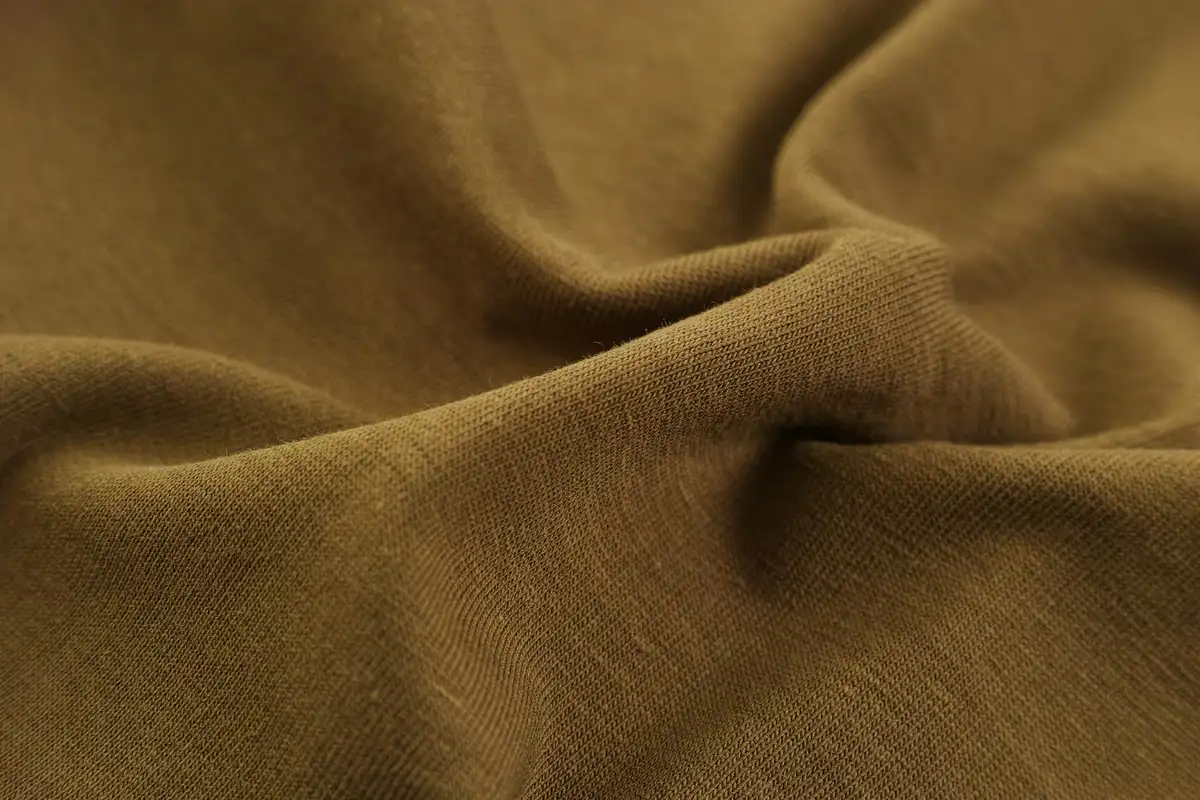
Think of this routine as a preventative plan. Modal stays soft and holds its size when you respect its fiber science. I treat my modal pieces with the same gentle care I give to silk.
Step 1: Washing – Cool Water is Your Best Friend
Heat is the enemy of modal’s stability. In the lab, we see heat weaken the hydrogen bonds in the cellulose, letting the fiber contract.
Always use cold or lukewarm water, under 30°C (86°F). Hot water washes are a fast track to a smaller shirt.
Choose a gentle, neutral pH liquid detergent to maintain the fiber’s strength and color vibrancy. For dark or black modal, avoid detergents with optical brighteners, as they can create a faded, greyish cast over time.
Use the machine’s gentle cycle or hand wash. If your modal is blended with spandex or elastane, heavy agitation can break down those stretchy fibers. Swirl it gently in the sink instead.
Before its first full wash, check for color bleeding. Dampen a hidden seam, press with a white cloth, and see if dye transfers.
Step 2: Drying – Never, Ever Tumble Dry
This is non-negotiable. The heat and tumbling action of a dryer will shrink modal. It can also cause pilling and a rough texture.
Air drying is the only safe method for modal fabrics. Lay the garment flat on a drying rack, gently smoothing it into its original shape. For knits like modal t-shirts, you can hang them on a padded hanger to avoid shoulder bumps. To keep modal stretch fabrics wrinkle-free, try light steaming or a low-heat iron if needed after air drying. Gentle handling and drying away from direct sun also help minimize creases.
Dry indoors or in the shade. Prolonged direct sunlight can degrade the fiber and cause dyes to fade noticeably.
Step 3: Ironing – Low Heat, No Steam
Modal can develop wrinkles, especially in tighter weaves. Your iron must be on the lowest heat setting, often labeled for synthetics like nylon or polyester.
High heat or direct steam can create permanent, shiny patches called “glassing” where the fibers essentially melt and fuse together. This is especially risky in modal-polyester blends.
For the smoothest finish, iron the garment while it is still slightly damp. If it’s already dry, use a clean cotton press cloth between the iron and the fabric for protection.
Shrinkage Showdown: How Modal Stacks Up Against Cotton, Polyester, and Wool
Context helps. Knowing how modal behaves compared to your other clothes makes care decisions easier.
Modal vs. Cotton
Cotton shrinks more, typically 5-10% in the first hot wash and dry. Its natural fibers relax and contract dramatically. These effects are part of the broader cotton fabric characteristics and materials that influence how it’s used in garments and home textiles. Understanding them helps when selecting cotton fabrics for different finishes and applications.
Think of cotton like a compressed sponge that tightens up, while modal is more like a spring that can over-stretch and then recoil with heat. In a 50/50 cotton-modal blend, the cotton calls the shots on shrinkage, so treat it like cotton.
Modal vs. Synthetic (Polyester, Nylon)
Polyester and nylon are thermoplastic. They resist shrinkage from water and heat, but too much direct iron heat will melt them, leaving a hard, shiny spot.
In a modal-polyester blend, you must care for the entire garment to protect the modal component, using cool water and air drying. The polyester part will be fine, but the modal can still shrink. For modal cotton fabric blends care, the same gentle washing and air-drying approach applies. This helps preserve both fibers and keep the fabric soft and shape-retentive.
Modal vs. Protein Fibers (Wool, Silk)
Wool is the shrinkage champion, felting irreversibly with heat and agitation. Modal is far more stable and won’t felt. This stability is a key aspect of modal fabric quality characteristics.
Silk and modal share a gentle washing routine, but silk is even more sensitive to heat and sun. You can handle damp modal more robustly than delicate silk, but both demand a cautious approach to drying and ironing.
Textile Expert’s Handling Pro-Tips
Here are my professional tips for working with modal. These come straight from the worktable and the laundry room, based on how the fiber’s structure reacts to heat, moisture, and friction.
Pro-Tip: Cutting and Sewing Modal
Pure modal has a beautiful, fluid drape. Modal blended with spandex adds a gentle stretch. Both can feel slippery under your hands, which changes how you handle them.
Sharp tools are non-negotiable for clean cuts and smooth seams. A dull rotary blade or scissors will snag and pull the yarns.
- Use sharp fabric scissors or a fresh rotary blade.
- Anchor the fabric with pattern weights instead of pins when possible. If you must pin, use very fine, sharp pins within the seam allowances.
- Switch your sewing machine to a ballpoint (or stretch) needle. A universal needle can skip stitches or cause runs.
Always pre-wash your modal fabric exactly as you plan to wash the finished garment. This accounts for that initial 3-5% shrinkage so your final piece stays the right size. I pre-wash on a gentle, cool cycle and tumble dry on low for 5-10 minutes before air-drying flat.
Pro-Tip: Long-Term Maintenance and Pilling
Modal is strong when wet, but its soft surface is prone to pilling from daily abrasion. You’ll often see little pills under the arms, along the sides, or anywhere a backpack or seatbelt rubs.
A fabric shaver (or de-piller) is your best friend for keeping modal looking new. Gently glide it over the fabric surface. Never use a razor blade; it’s too easy to cut and damage the good fibers.
For storage, fold your modal knits and drapey wovens. Hanging modal long-term, especially heavy knits, will stretch them out at the shoulders. The fiber has a lovely give, but gravity will win over time. Reserve hanging for very lightweight, structured modal weaves.
Pro-Tip: When Disaster Strikes (Minor Shrinks and Stains)
If a favorite top comes out of the dryer a bit too snug, don’t panic. You have one good chance to try and relax the fibers back out.
- Re-wet the garment completely with lukewarm water.
- Gently squeeze out excess water (don’t wring).
- Lay it flat on a clean towel. Now, carefully and evenly stretch the fabric back toward its original shape and size.
- Let it air-dry completely in this position.
This doesn’t always work perfectly, but it’s your best shot. For stains, act fast. Blot (don’t rub) the spot with a clean cloth and cool water. If you need soap, use a clear, mild detergent. Hot water can set protein-based stains and cause more shrinkage, so always start cool. For water marks or light rings, a light mist of distilled white vinegar followed by a steam from your iron can often blend them away.
Final Notes on Fabric Science
The simplest rule for modal is this: always use cold water and a low-heat or air-only dryer setting. Treating modal gently in the wash locks in its smooth drape and prevents the shrinkage that comes from high heat. This one habit protects your investment.
Caring well for plant-based fabrics like modal is a direct act of sustainability, making each garment last longer. I encourage you to take the principles you use here—understanding fiber origins, respecting heat sensitivity, and choosing gentle cycles—and apply them when you handle cotton, wool, or synthetic blends in your wardrobe.
Expert Resources and Citations
- Does Modal Fabric Shrink? Here’s the Truth – Fioboc
- Does Modal Fabric Shrink? The Truth About Washing & Care
- r/lululemon on Reddit: Do inner glow shorts *modal shrink after washing in cold and hang dry?
- How to Wash and Care for Modal Clothes
- Does Modal Fabric Shrink? – endorfeen
Florian is a high fashion blog writer, fashion and fabric expert and a keen expert in fabric, clothing and materials. She has worked in large textile and fashion houses for over 10+ years, engineering and working with various fabric types and blends. She is an expert when it comes to questions on any and all kinds of fabrics like linen, cotton, silk, jute and many more. She has also traveled around the world studying traditional fabrics and aims to bring them into the modern fashion use.