
Is Thread Count a Lie? Fabric Science Separates Myth from Reality
You’ve been told a higher thread count means better sheets, but the numbers on the tag don’t always add up to comfort. I’ve tested hundreds of fabrics in the lab, and the truth is more interesting-and practical-than the marketing.
We will cover what thread count actually measures, why ultra-high numbers can be a trick, the role of yarn quality and weave, and how to choose sheets for breathability, durability, and feel.
Executive Summary: The Short Answer on Thread Count
Forget what the luxury bedding ads say. The core truth is that thread count is just one factor in a fabric’s character, not a magic number for quality. I’ve tested hundreds of samples in the lab, and a high thread count on poor-quality yarn feels like sleeping on stiff cardboard. A lower count on superb fibers feels like a cloud.
The real heroes of luxury and durability are fiber type, yarn quality, and weave structure.
Long-staple cotton fibers, like Egyptian or Pima, are the foundation. They can be spun into fine, strong, smooth yarns that resist pilling. The weave-like crisp percale or silky sateen-then dictates the fabric’s personality, from its drape to its texture.
Here’s the marketing trap. Brands inflate thread count by using multi-ply yarns. A single yarn is one ply. If they twist two finer yarns together (2-ply) and weave with them, they can count each ply. A fabric with 150 threads in each direction, made from 2-ply yarn, gets marketed as “600 thread count.” It’s a legal trick, but it often creates a denser, less breathable, and sometimes stiffer sheet.
When you shop, let your senses guide you. Prioritize the hand feel against your skin, the fabric’s breathability for temperature control, and its evident durability. These are the true measures of a textile that will last and feel wonderful.
Material Data Table: Beyond the Thread Count Number
| Fiber | Typical Weave | Realistic Thread Count Range | Breathability | Shrinkage Rate | Heat Tolerance | Hand Feel |
|---|---|---|---|---|---|---|
| Cotton (Percale) | Plain (1-over-1) | 180 – 400 | High | 3-5% (first wash) | High (can handle hot water & iron) | Crisp, cool, matte finish. Like a classic dress shirt. |
| Cotton (Sateen) | Sateen (3-over-1 or 4-over-1) | 300 – 600 | Medium-High | 3-5% (first wash) | High | Smooth, lustrous, slightly heavier drape. Silky to the touch. |
| Linen | Plain or Loosely Plain | 80 – 200 | Very High | 4-6% (gradual over washes) | Very High | Textured, dry, casually slubbed. Gets softer with age. |
| Bamboo (Rayon/Viscose) | Often Sateen or Twill | 300 – 500 | Medium | 5-8% (high when wet) | Low (avoid high heat) | Exceptionally soft, fluid, and heavy with a subtle sheen. |
| Polyester Blend | Varied (often sateen-like) | Any (often high) | Low | 1-2% | Medium (can melt) | Can feel slick or synthetic; prone to static. Wrinkle-resistant. |
This table shows why a 300 thread count linen feels rustic and airy, while a 300 thread count cotton sateen feels dense and silky-the fiber and weave change everything.
Notice the shrinkage rates. Natural fibers like cotton and linen relax and contract when washed, which is normal. Bamboo rayon is notoriously prone to shrinking if mishandled. Always wash in cool water and carefully dry to minimize this. The heat tolerance column is your guide for ironing and dyeing; protein fibers like silk and wool need more care than cellulose fibers like cotton or linen.
The Thread Count Myth, Explained and Debunked
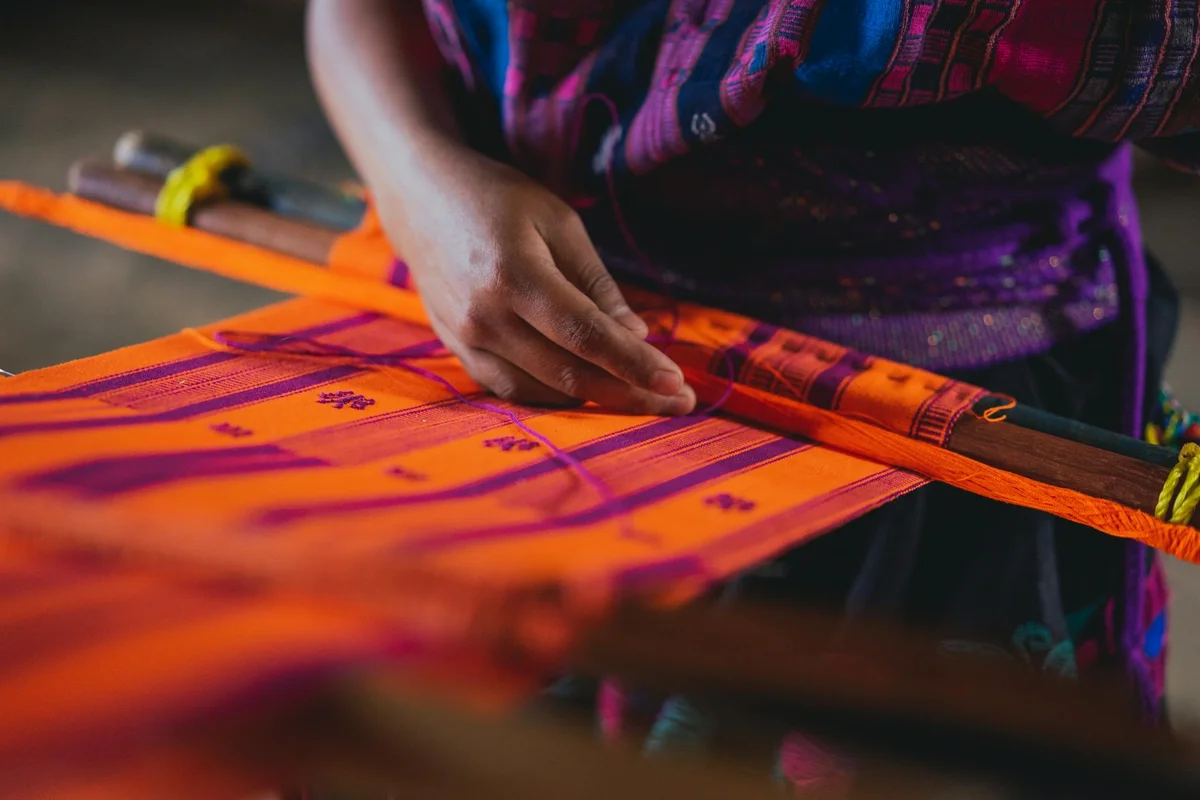
Thread count is a simple measurement. It tells you how many threads are woven into one square inch of fabric. You count the lengthwise threads (the warp) and the widthwise threads (the weft). That’s it.
This simplicity is where the marketing games begin. The trick lies in the yarns themselves. A single, robust strand of cotton is a single-ply yarn. It counts as one thread. But a manufacturer can twist two finer, weaker strands together to make a two-ply yarn. Here’s the catch: in thread count, that single two-ply yarn often gets counted as two threads.
Think of it like this. A genuine high thread count uses many fine, single-ply threads packed tightly together. It’s dense and smooth, like a new kitchen sponge. A manipulated high count uses fewer, thicker multi-ply yarns. The number looks impressive, but the fabric can feel limp, heavy, and less breathable. It’s like a slice of soggy bread-lots of mass, but no satisfying structure.
I’ve tested sheets side by side in the lab. A crisp 200-thread count percale made from long-staple, single-ply cotton consistently outperforms a floppy 800-thread count sheet made of multi-ply yarns. The higher number is not magic. It’s often just marketing math.
For a balanced sheet that breathes well and feels great, focus on the right range for the weave. In my experience, you want 200 to 400 threads per inch for a classic percale weave. For a sateen weave, which uses a different structure, look for 300 to 600. Numbers soaring far above these are a red flag, not a guarantee of luxury.
What Actually Determines Feel and Performance
Forget thread count as your first filter. The real hierarchy of quality is this: Fiber > Yarn > Weave > Finish > Thread Count. Thread count comes last for a reason.
Fiber First. This is the foundation. Long-staple cotton fibers, like Egyptian or Pima, are longer and stronger. They can be spun into finer, smoother yarns that resist pilling. That’s a core element of cotton fabric characteristics and materials. Knowing cotton fabric materials helps you gauge texture, durability, and care requirements. Shorter staple cotton creates weaker, fuzzier yarns. Beyond cotton, fibers define character: linen is incredibly breathable but wrinkles, silk is temperature-regulating but demands gentle care, and synthetic polyester is durable and quick-drying but can trap heat.
Weave is Key. The weave pattern dictates the fabric’s fundamental hand and performance. Percale uses a simple one-over-one-under plain weave. This creates a matte, crisp, and breathable fabric that feels cool to the touch. Sateen uses a satin weave structure where yarns “float” over several others. This creates a silky, lustrous surface with more warmth and a heavier drape. The weave changes everything.
The Finish Line. Finishes are chemical or mechanical treatments applied after weaving. Mercerization, for example, treats cotton yarns under tension with a alkali solution. It increases strength, improves dye absorption for richer colors, and adds a subtle pearly sheen. Other finishes can provide wrinkle resistance or softness. Always check care labels, as some finishes can wash out over time or require specific washing temperatures.
This is why percale is my go-to for hot sleepers and summer months-its open, crisp structure promotes airflow. Sateen, with its smoother surface and tighter weave, can feel cozier and is often preferred in cooler climates. Your choice should start with the fiber and weave that match your needs, not an arbitrary thread count number.
How to Shop for Bedding (and Apparel) Like a Textile Scientist
Forget the big number on the tag. To find quality, you need a simple, three-step method. I use this in fabric stores all the time.
Look Beyond the Label
Start with the fiber content. This is the most important fact. Long-staple cotton, like Egyptian or Pima, will always outperform short, fuzzy fibers, regardless of the thread count advertised. Next, find the weave description: “percale” or “sateen” for sheets, “twill” or “canvas” for clothes. This tells you about the fabric’s character before you even touch it.
The Touch Test
Pick up the fabric. For bedding, it should have a substantial, dense drape, not feel flimsy. Run your fingers across it.
- Percale should feel crisp and cool, with a matte, slightly textured finish.
- Sateen should feel sleek, smooth, and softly lustrous.
Beware of a slick, waxy coating; this is often a cheap chemical finish applied to low-quality yarns to make them feel deceptively soft, and it washes out quickly. True softness comes from good fiber and proper combing.
The See-Through Test
Hold the fabric up to a light source or a window. A truly dense, well-made fabric will only allow a diffuse glow to pass through. If you can see clear, distinct shapes or your hand’s outline easily, the fabric is too sheer and likely made with thin, poor-quality yarns. A high thread count sheet should not look like a window curtain.
Thread Count in Towels & Apparel
For towels, a lower thread count (or more accurately, a lower “GSM” – grams per square meter) is often better. You want a loose, lofty weave of thick cotton yarns that can absorb water, not a tight, satiny surface that repels it. In clothing, thread count is almost never listed. Focus instead on the fiber (e.g., wool for warmth, linen for coolness) and the weave structure (e.g., a tight twill for durability, a loose gauze for breathability). These factors dictate how the garment will perform and feel on your body.
Handling Pro-Tip: Washing, Dyeing, and Caring for Different Weaves
Care is never about thread count. It’s always about the fiber and how it’s woven. Here’s how to handle common weaves.
Washing for Longevity
Your washing machine settings should match the fabric’s personality. Consider linen care as part of the routine. This includes washing, softening, and caring for linen fabric.
- Linen & Cotton Percale: I wash these in warm or even hot water. It helps maintain their crisp, structured hand and minimizes progressive shrinkage by getting it all done at once. Tumble dry low.
- Cotton Sateen: Use cool or warm water on a gentle cycle. The delicate, floating yarns on the surface (the sateen’s signature sheen) can be abraded by rough washing. Air dry or tumble dry low.
- Blends with Polyester: Cool water is best. Polyester holds onto oil-based stains and greasy odors, and hot water can set them permanently.
Dyeing Notes
Want to change a color? The weave matters. A tight percale weave can resist dye, requiring more time or heat, while a sateen weave often soaks up color beautifully, resulting in rich, brilliant hues. Always use a dye formulated for the primary fiber (e.g., fiber-reactive dye for cotton, acid dye for wool/silk). The thread count number won’t help you here.
Fighting Pilling
Pilling is caused by friction on loose fiber ends. Fabrics made from fluffy, high-ply yarns (like some cozy cottons or wool blends) are more prone. Use a fabric shaver or sweater stone gently, holding the fabric taut and moving in one direction-never scrub back and forth. Washing garments inside-out reduces surface friction and slows pilling down. Understanding the causes helps with prevention and reduces future friction. When pills do form, targeted removal with a fabric shaver or sweater stone is most effective.
Ironing & Steaming
Heat should match the finish.
- Percale Cotton: Crank your iron to high heat. You want that sharp, crisp crease.
- Sateen: Use a medium-low heat. Too hot, and you’ll scorch the delicate surface yarns and destroy the sheen. A press cloth is a good idea.
- Linen: Iron while still slightly damp for the best results, or use a powerful steamer to relax its characteristic wrinkles without crushing the natural texture.
For linen, ironing temperature is key. High heat with steam smooths wrinkles without crushing the natural texture.
The Simple Home Test
If you’re unsure how a fabric will behave, cut a small swatch (from a seam allowance or hem if possible). Mark a 4-inch square on it with a permanent marker. Wash and dry it exactly as you plan to care for the item. Measure the square again; this shows you the real shrinkage percentage. Feel the swatch; this is the true, post-wash softness or crispness you can expect. It’s the most honest test you can do. If you’re aiming to prevent shrinkage in the finished item, consider performing a pre-wash of the fabric before you cut. A pre-wash helps set fibers and gives you a more stable baseline for final dimensions.
Your Fabric Quality Checklist
I want you to forget the thread count number and start evaluating the weave and fiber with your own hands. A crisp percale or a lustrous sateen weave from long-staple cotton will give you more comfort and durability than any high-thread-count sheet made from inferior, short fibers.
Commit to learning how each fabric behaves, from washing cotton in cool water to prevent shrinkage to air-drying silk for its sheen. This informed care extends the life of everything from wool sweaters to nylon blends and silk, reducing waste and promoting a healthier planet.
Deep Dive: Further Reading
- What is Thread Count? Unpicking the Myth | Bedfolk
- Thread-Count: Why Everything You’ve Heard Is a Lie | HuffPost Life
- Understanding the Truth Behind Thread Count in Bed Sheets – amsonsdesign
- Is Higher Thread Count Better | Myths Busted | South Shore Fine Linens
Florian is a high fashion blog writer, fashion and fabric expert and a keen expert in fabric, clothing and materials. She has worked in large textile and fashion houses for over 10+ years, engineering and working with various fabric types and blends. She is an expert when it comes to questions on any and all kinds of fabrics like linen, cotton, silk, jute and many more. She has also traveled around the world studying traditional fabrics and aims to bring them into the modern fashion use.