
How Long Will Your Favorite Fabrics Actually Last?
You’ve probably wondered why some clothes feel indestructible while others fall apart after a few wears. I’ve tested fabrics for years, and I can tell you that a garment’s lifespan is not a mystery-it’s a matter of fiber science and care.
We’ll cover the built-in durability of common fibers from cotton to polyester, how factors like washing, drying, and everyday use accelerate wear, and my hands-on advice for testing and extending the life of your wardrobe.
The Fiber Science of Falling Apart: Why Fabrics Wear Out
Think of fabric wear in two ways: physical battering and chemical attack. Both slowly break down the fibers that make up your clothes.
Physical damage is the most obvious. It’s abrasion, the constant rubbing against a desk, a backpack strap, or even itself in the wash. This friction loosens tiny fiber ends, which then tangle into pills. Pilling is like a rope fraying; short fibers work their way loose and ball up on the surface. High-friction spots, like elbows and cuffs, see fiber breakage, thinning the fabric until a hole appears.
Chemical damage is a quieter, more insidious process. Sunlight, or more precisely its ultraviolet (UV) rays, breaks chemical bonds in fibers. This is photodegradation. UV damage acts like leaving a colorful piece of paper in a sunny window; it slowly fades and becomes brittle. Your own body contributes with acidic sweat. Harsh alkaline detergents, chlorine from pools, and even some skin lotions can degrade fibers over time, weakening them from within.
The main factors that answer “how long will this last?” are a fabric’s abrasion resistance (its ability to withstand rubbing) and its tenacity (the force needed to break a single fiber).
Material Data Table: The Lifespan Factors
| Fabric | Primary Wear-Out Factor | Relative Durability |
|---|---|---|
| Cotton | Abrasion | Medium |
| Silk | Abrasion / Sun (UV) | Low |
| Polyester | UV / Pilling | High |
| Nylon | Abrasion | High |
| Wool | Abrasion / Felting (from heat & agitation) | Medium-High |
| Rayon/Viscose | Abrasion / Weakness When Wet | Low |
The Durability Tiers: A Fabric-by-Fabric Guide
Instead of a long list, let’s group fabrics by their staying power. This is about realistic expectations. A dense 100% linen tablecloth can serve for generations, while a flimsy rayon blouse may lose its shape after a single season of wear.
Tier 1: The Long-Haul Champions
These are the workhorses, chosen for gear and heirlooms.
Linen and Hemp: Made from bast fibers, these are incredibly strong. Their durability comes from long, rigid fiber bundles. I’ve seen linen sheets soften beautifully over 20 years but remain intact. Their weakness? They abrade at sharp creases. Ironing in the same spot every time will cause a break.
Denim (Tight-Weave Cotton): A standard cotton tee might wear out, but denim is a different beast. The dense, twill weave and often heavier yarn make it supremely abrasion-resistant. Quality denim can easily last a decade or more, fading long before failing.
Nylon: Synthesized for strength, nylon has excellent abrasion resistance and tenacity. It’s why it’s used in stockings (where sheer thinness is the enemy) and rugged backpacks. It handles friction superbly. That resilience underpins nylon fabric durability applications across a range of uses. From industrial webbing to outdoor gear and protective textiles, it’s a trusted choice.
Polyester (for outerwear & gear): In tightly woven forms for jackets or luggage, polyester is tough. It resists wrinkles, mildew, and shrinkage. Its kryptonite is high heat from an iron, which can melt or weaken the fibers, and pilling in softer, brushed forms.
Tier 2: The Steady Performers (With Care)
These fabrics form the backbone of a wardrobe. Their lifespan is directly tied to how you treat them.
Cotton (standard weaves): A good cotton poplin shirt or canvas tote offers solid durability. It can handle machine washing but will wear out from abrasion over time. Manage shrinkage with cool washes and line drying to extend its life for years.
Wool: A resilient, springy fiber. Wool can last decades if you prevent felting. Felting is irreversible shrinkage caused by heat, agitation, and rapid temperature changes in water. Hand-wash in lukewarm water with a gentle detergent and lay flat to dry, and a wool sweater can be a lifelong companion. From an animal welfare perspective, longevity is key; choosing well-sourced wool and caring for it honors the animal.
Flannel & Corduroy: These are more about construction. Brushed flannel (cotton or wool) is cozy but the brushed surface can wear smooth. Corduroy’s wales (the ridges) can flatten with abrasion. Both are durable for casual wear with gentle washing.
Fleece (Synthetic): Typically polyester, fleece is warm and durable but prone to pilling. Using a fabric shaver regularly keeps it looking fresh for seasons.
Cashmere: This is a test of care. The fibers are fine and delicate, but incredibly strong for their diameter. With meticulous hand-washing and storage away from moths, a cashmere piece can outlast many cheaper, bulkier sweaters. Its long life justifies seeking out ethically sourced options.
Tier 3: The Delicate Beauties
These fabrics require gentle stewardship. Their beauty is often matched by specific vulnerabilities.
Silk: A protein fiber with a glorious hand and low abrasion resistance. Silk degrades in strong sunlight and is weakened by perspiration and chlorine. Treat silk like a precious document; keep it cool, clean it promptly, and avoid harsh chemicals for a garment that can last many special occasions.
Rayon/Viscose & Bamboo Rayon: These are regenerated cellulose fibers. They feel wonderful but have a critical flaw: very low strength when wet. A viscose blouse can tear under its own weight when saturated. Always support the garment when hand-washing and never wring it out.
Velvet (with silk or rayon pile): The luxurious pile is easily crushed and abraded. Silk velvet is delicate; rayon velvet is slightly sturdier but still requires careful storage and infrequent, gentle cleaning.
Satin: This is a weave, not a fiber. Silk satin is delicate. Polyester satin is much more durable but can snag. You must know the fiber content to judge its lifespan.
Acrylic: Often used as a wool substitute, acrylic is prone to heavy pilling and has a low melting point. It can look tired and fuzzy quickly under friction. It’s one of the least durable common fabrics for everyday wear.
Your Care Protocol: The Lifespan Multiplier
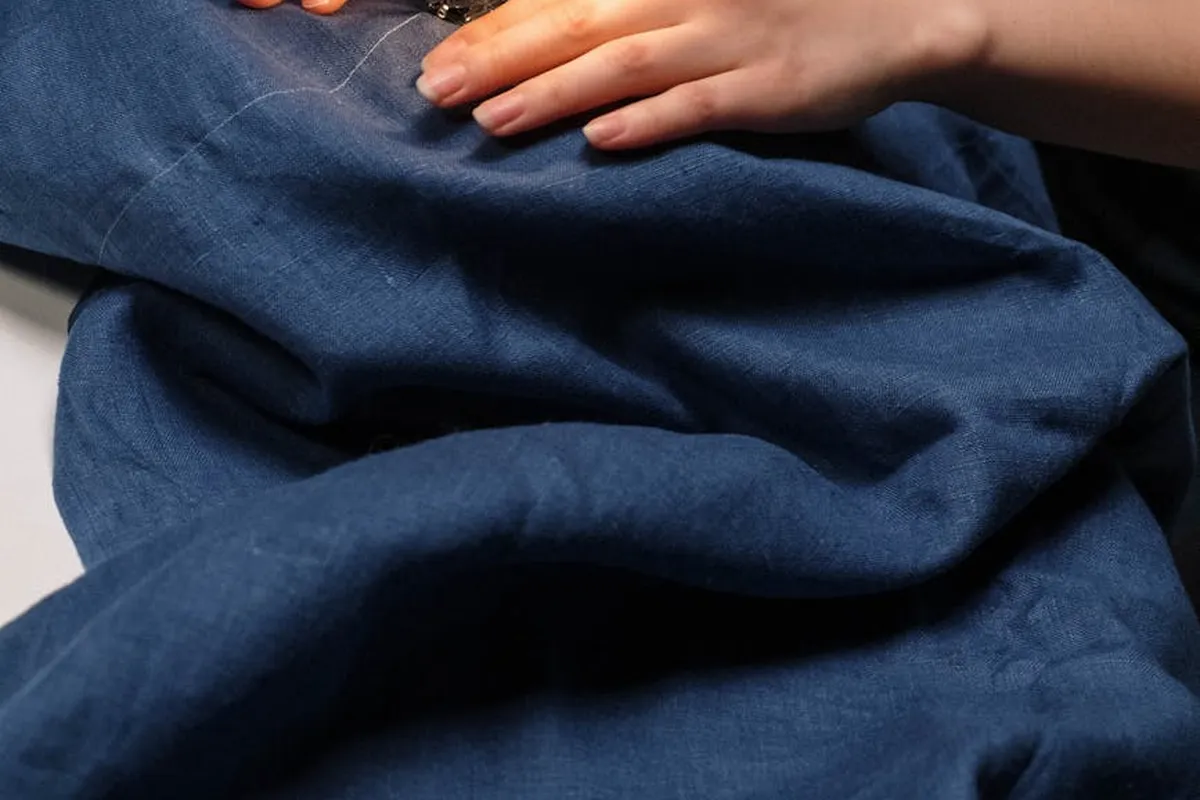
Your washing machine isn’t a time machine. But with the right steps, you can press pause on wear and tear. This is your hands-on guide to treating each fabric according to its needs.
Step-by-Step: The Longevity-Focused Wash Cycle
Follow these steps every time to multiply the life of your clothes.
Step 1: Read the label, then test. The care tag is your first clue, but it’s a general guideline. I always do a spot test on a hidden seam. For a new, dark-colored item, dampen a white cloth and press it firmly on the fabric for 30 seconds. If color transfers, it needs a solo cold wash first. This simple test prevents dye disasters, especially when you’re mixed with other fabrics.
Step 2: Sort by fiber & agitation need. Go beyond lights and darks. Group items that can handle the same level of physical punishment. Heavy denim and towels thrash around in the wash. They will abrade delicate silks or fine wool knits, causing premature pilling and breaks. Keep robust fabrics with their own kind.
Step 3: Choose detergent & temperature. This choice is chemical, not just cosmetic. Protein fibers like wool and silk have a pH-sensitive surface. Using a standard alkaline detergent is like washing your hair with dish soap—it strips and weakens. Alkalinity from detergents can cause pH-related damage to protein fibers like wool and silk. Keeping detergents at a neutral pH helps guard against this damage and preserves fiber strength. Opt for a neutral pH detergent specifically for delicates or wool. For almost every other fabric, especially bright colors and blends, cold water is the lifespan preserver. It saves energy, sets dyes, and prevents heat-set wrinkles and shrinkage.
Step 4: Select the machine cycle. The “Normal” cycle is the enemy of longevity. Its high-speed agitation and fierce spin cycle cause friction, stretching, and fiber fatigue. For almost everything except sheets and towels, choose the “Delicate,” “Hand Wash,” or dedicated “Wool” cycle. These use a gentle rocking motion and a slow, gentle spin. Your clothes will thank you.
Step 5: Dry with intent. Air-drying is the undisputed gold standard for preserving shape, elasticity, and fiber strength. If you must use a dryer, select the lowest heat setting or an air-only (no heat) tumble. High heat is brutal: it can melt synthetic fibers, cause irreversible shrinkage in cotton, and bake elastane to a crisp.
How does washing affect fabric durability? Every wash cycle subjects fibers to chemical, thermal, and mechanical stress. Harsh detergents degrade fibers over time, heat relaxes or melts their structure, and agitation causes fibers to rub, break, and form pills. Gentle care minimizes this cumulative damage.
Beyond the Machine: Storage, Repair, and Protection
What happens between wears matters just as much.
Store fabrics properly to prevent silent damage. Always clean items before storing them-body oils and stains attract pests and cause yellowing. For long-term storage of woolens, I use cedar blocks or rings in sealed cotton bags. Avoid mothballs; their fumes are toxic and can permeate other fabrics. For hanging, use padded hangers for structured garments to prevent shoulder bumps. Knits and heavy sweaters should always be folded to avoid stretching.
Basic repair stops small issues from becoming big ones. For pilling, a good fabric shaver used lightly and quickly is safer than manual picking with a razor, which can snag the base fabric. Reinforce weak spots like buttonholes and seam allowances with a few hand stitches before they fray. A little proactive care prevents a blowout.
Remember that your repair supplies have a shelf life. Fabric glue and fabric dye can expire, losing their bond or vibrancy. Always check dates and do a small test first. For outdoor items like cushions, a product like 303 Fabric Guard is excellent for water repellency, but it breaks down with sun and cleaning, so plan to reapply it annually.
The lifespan of outdoor fabrics is a different science. Fabric awnings, grow bags, and planters fail primarily from constant UV radiation, which breaks down dye and fiber molecules, and from mildew due to constant moisture. Their durability is rated in “UV hours” and is separate from the wear-based lifespan of clothing.
Troubleshooting: When Things Go Wrong (And How to Prevent It)
Let’s solve the most common problems that shorten a fabric’s life.
Shrinkage: The Shape-Shifter
Not all shrinkage is the same. Wool shrinks through felting. Its microscopic scales lock together permanently when agitated with heat and moisture. It’s a one-way street. Cotton and linen undergo “relaxation shrinkage.” The yarns, stretched during manufacturing, simply tighten back up in the wash. You can sometimes coax a cotton garment back by soaking it in lukewarm water with a bit of hair conditioner and gently stretching it while damp.
Prevention is everything: wash wool in cold water with neutral soap and never agitate or wring it, and pre-wash your natural fiber fabrics before sewing to prevent shrinkage upfront. That’s the idea behind pre-wash fabrics. Pre-washing helps lock in size for a stable, true fit.
Pilling and Fading: The Signs of Wear
Pilling happens when shorter, weaker fibers work their way to the surface from friction and tangle into little balls. Fabrics made from shorter staple fibers, like many cotton t-shirts, woolens, and acrylic blends, are most prone. A tightly woven fabric, like a crisp poplin, will pill far less than a soft, brushed flannel.
De-pill safely by laying the fabric flat and using a fabric shaver in short, gentle strokes. Don’t press too hard. For delicate knits, a fine-tooth comb or a clean disposable razor glided lightly over the surface can work.
Fading comes from two enemies: UV light and wash chemistry. To test for wash-related colorfastness, do the damp cloth test from Step 1. To combat UV fading, simply keep clothes out of direct, prolonged sunlight when drying or storing.
How does fabric weave/thread count affect durability? A tight, crisp weave (like a twill or canvas) locks fibers in place, resisting pilling and abrasion. A very high thread count with ultra-fine yarns can feel luxurious but may be more delicate than a medium-count, robust percale. Durability is about fiber strength and construction, not just thread count.
The Elasticity Crisis: When Spandex Gives Up
In a cotton-spandex tee or a nylon-Lycra legging, the spandex (elastane) is often the first component to fail. Heat, chlorine, body oils, and lotions degrade its polymer chains. You’ll know it’s dead when the fabric baggs out and won’t snap back.
To care for any blend with spandex, adopt a strict no-heat policy: wash in cold water and always air-dry. Avoid chlorine bleach entirely. This can extend its active life for years.
How long does spandex/elastane last? With perfect, heat-free care, the elasticity in a quality garment can last 2-5 years of regular wear. With frequent dryer use, that lifespan can shorten to a single season. It is the most fragile link in the modern fabric chain.
A Final Word on Fabric Longevity
The single best thing you can do is learn to read your garment’s care label as a set of clues about its fiber science. Treat that label as your first and most reliable guide to washing, drying, and heat, and you will sidestep most common reasons fabrics fail before their time.
Every item you care for properly is one kept out of a landfill longer, making thoughtful maintenance a quiet act of environmental stewardship. Let your curiosity about how fibers like cotton, polyester, and wool behave be the start of a deeper, more rewarding relationship with everything in your closet.
Citations and Authoritative Sources
- The Top 3 Most Durable Fabrics You Should Know About – Fabric Sight
- How is a fabric’s durability measured? – Manteco
- High Performance Fabric | Shop Durable Textiles Online – Johnson’s Fabrics
Florian is a high fashion blog writer, fashion and fabric expert and a keen expert in fabric, clothing and materials. She has worked in large textile and fashion houses for over 10+ years, engineering and working with various fabric types and blends. She is an expert when it comes to questions on any and all kinds of fabrics like linen, cotton, silk, jute and many more. She has also traveled around the world studying traditional fabrics and aims to bring them into the modern fashion use.