
What Are the Uses and Hair Care Applications of a Nylon Brush?
If you’re unsure whether a nylon brush is right for your hair type or how to use it effectively, I can help. My years in textile labs have shown me exactly how synthetic fibers like nylon perform in real-world care.
This guide will explain the key properties of nylon bristles, their best uses for detangling and styling, proper cleaning and maintenance, and how they compare to brushes made from natural fibers.
Nylon 101: Why This Fiber Makes a Stiff, Durable Bristle
Let’s start at the molecular level. Nylon is a synthetic polymer, a long chain of repeating units created in a lab. For brush makers, two of its engineered properties are key: incredible tensile strength and a springy elasticity.
Think of a single nylon filament like a very tough, flexible rope. It resists snapping when you pull on it (high tensile strength) and it wants to bounce back to its original shape after bending (elastic recovery). This combination is perfect for a bristle. It means the brush can withstand forceful scrubbing and repeated flexing without breaking or permanently splaying out.
Now, how does this stack up against traditional natural bristles like boar or horsehair? The difference is in the hand, or feel. Natural bristles have a complex structure with microscopic scales and contain natural oils. This makes them slightly softer, more absorbent (great for holding paint or hair product), and gives them a gentler grab on hair and surfaces.
Nylon bristles, in contrast, are uniformly smooth and lack those natural oils. This makes them inherently stiffer, more moisture-resistant, and provides a consistent, predictable performance that doesn’t vary from batch to batch. From an animal welfare perspective, nylon offers a reliable, vegan alternative that performs a specific job exceptionally well without relying on animal-derived materials.
Finally, because nylon is melted and extruded, it can be molded into almost any shape, similar to nylon fabric used in flexible applications. This is why you see brushes with nylon bristles that have rounded tips to protect scalps and fabrics, or finely tapered ends for detailed painting and styling work. The fiber’s moldability allows the tool to be perfectly designed for its task.
Primary Uses: From Hair Detangling to Grill Scrubbers
So, what is a nylon brush used for? The answer is everywhere, thanks to that tough, springy, moldable fiber. We can break it down into three main categories.
Hair Care
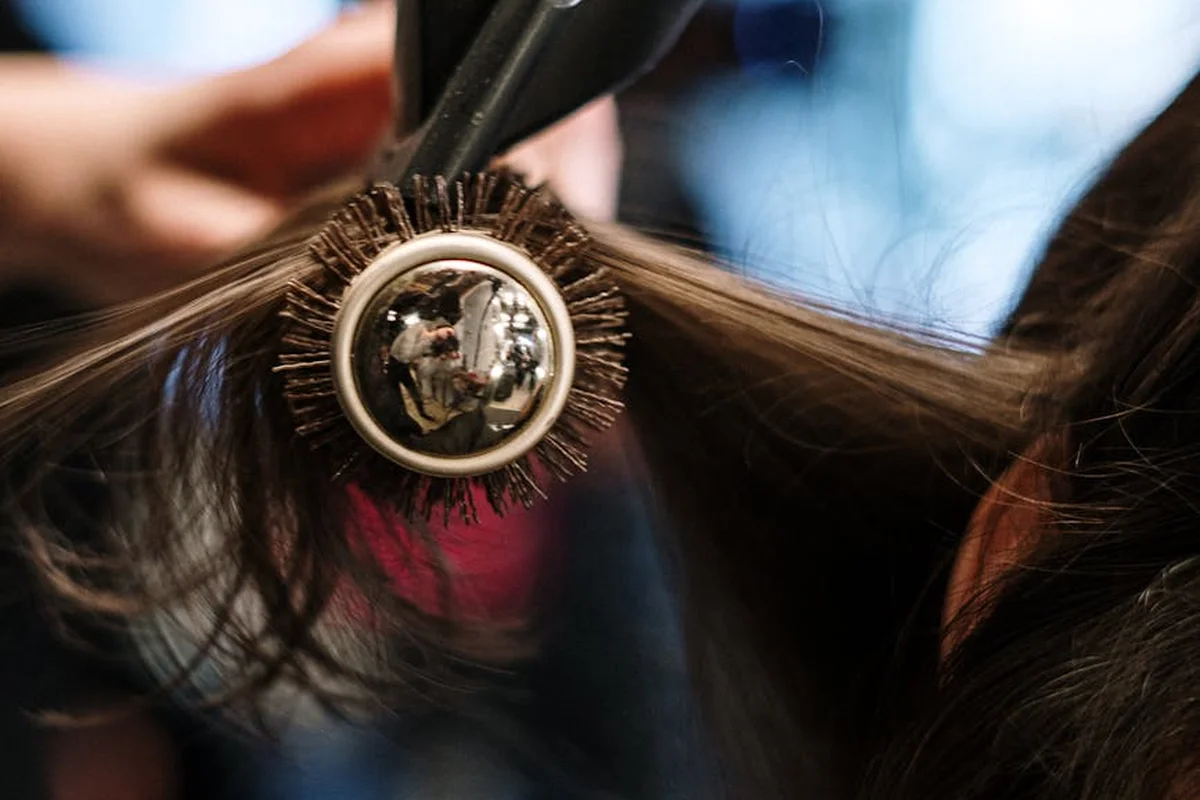
In hair care, nylon bristles excel at detangling and styling, especially on wet hair. Their strength allows them to power through knots without breaking. The smooth surface helps distribute oils and styling products from the scalp down the hair shaft without excessive absorption.
For precision work, like creating sleek ponytails or smooth blowouts, a brush is a thin nylon styling brush. These have a compact head with closely spaced, firm nylon bristles that offer maximum control and tension. I recommend them for fine to medium hair textures that need that extra grip and definition during styling. For very thick or curly hair, a mix of nylon and a gentler material (like flexible plastic pins) might be better to prevent breakage.
Household & Cleaning
This is where nylon’s toughness truly shines. Stiff nylon bristle brushes are the go-to for scrubbing grills, patio furniture, sinks, and even sturdy fabrics like canvas or denim. They can handle heat, grease, and repeated abrasion.
This brings us to a critical safety question: are nylon bristle grill brushes safe? The risk isn’t from the nylon itself, but from potential failure. Under extreme heat and mechanical stress, a bristle can break off and, in the worst case, adhere to food. You must inspect your grill brush before and after every use, running your hand over the bristles to check for looseness or breaks. Many safety experts now recommend alternatives like grill stones or coiled metal brushes for this specific task to eliminate the ingestion hazard entirely.
Craft & Hobby
In the studio, nylon brushes are indispensable. Are nylon brushes good for acrylic painting? Absolutely. Since acrylic paint is a polymer itself, it adheres well to the smooth synthetic bristles and is easier to clean out than from absorbent natural hairs. They hold their shape beautifully for detailed work, unlike some woven painters’ fabrics which can degrade over time.
They are also my top choice for applying fabric dyes, especially reactive dyes for cellulose fibers like cotton or linen. The stiff bristles help work the dye paste into the fabric’s weave. Just be sure to dedicate a set of brushes solely to dyeing and clean them thoroughly with a pH-neutral soap immediately after use to prevent dye residue from hardening and ruining the brush’s spring.
Hair Care Deep Dive: Are Nylon Bristles Good or Bad for Your Hair?
Are nylon bristles good or bad for your hair? The answer, like in textile science, depends entirely on the fiber you’re working with. Your hair type is the deciding factor.
Think of nylon bristles like a sturdy cotton canvas-they’re durable, consistent, and great for tough jobs. For thick, straight, or wavy hair that forms robust tangles, a firm nylon brush is a powerful detangler. It can smooth the hair cuticle effectively, creating that sleek, polished look. If you have dense, resilient hair, a nylon brush can be an efficient and long-lasting tool.
But for fine, fragile, chemically treated, or tightly curly hair, stiff nylon can be harsh. The unyielding plastic can snag on delicate strands, causing breakage and split ends over time. This is similar to using a stiff brush on a delicate silk blouse; you’d cause pulls and damage. Aggressive brushing with nylon also creates significant static electricity, especially in dry environments, making hair flyaway.
Another downside is scalp care. Unlike natural bristles, smooth nylon doesn’t effectively distribute your scalp’s natural oils (sebum) down the hair shaft. This can leave roots looking oily while ends stay dry. The main risks with nylon are mechanical damage to weak hair and increased static, not any chemical reaction with the hair itself. In nylon and polyester health performance terms, moisture management and friction matter for scalp comfort. That context can guide choices about hair-care tools and fabrics.
For a balanced approach, consider a nylon and boar bristle blend. In my experience, these hybrid brushes are excellent. The nylon bristles tackle initial knots, while the softer, porous boar bristles follow to distribute oils and add shine. It’s a gentler, more holistic grooming method, especially for medium-texture hair.
Handling Pro-Tip: Choosing the Right Brush for the Job
Selecting a brush is like choosing a laundry cycle-you match the tool to the fiber and the task. Don’t just buy for the material; buy for the purpose.
For hair care, focus on bristle design and brush construction. Always look for nylon bristles with rounded, ball-tipped ends to minimize scalp scratching. Match the brush size and bristle density to your hair’s volume. A large, wide paddle brush with widely spaced bristles is perfect for thick, long hair, while a smaller, denser cushion brush works for finer styles.
Your nylon hair brush has a second life in textile care. A clean, stiff nylon brush is fantastic for reviving pilled sweaters, especially wool, cashmere, or synthetic blends. Gently brush the fabric in one direction to lift pills. I always test on an inside seam first to ensure the fabric can handle it. You can also use it for light scrubbing on stained canvas or denim before washing.
For crafting with fabrics, nylon brushes are my go-to for water-based acrylics and fabric paints. Nylon bristles clean up with just soap and water, hold their shape well, and won’t be damaged by the paints, unlike natural bristles which can degrade. Keep a dedicated set for crafts to avoid getting paint in your hair or fabric-care brushes.
Care & Handling Protocol: How to Clean and Maintain Your Nylon Brush
Think of your nylon brush like a favorite synthetic garment. The goal is the same: remove the buildup of oils, dirt, and product without harming the material. A clean brush works better and lasts longer. Just like proper care extends the life of nylon fabric, regular cleaning is key for your brush’s performance.
Here is my lab-tested method for a deep clean. You only need a sink, mild soap, and ten minutes.
- Remove all trapped hair from the bristles and base. Use a comb or your fingers. Getting this out first makes the next steps much easier.
- Soak the brush head in warm water with a drop of mild dish soap or shampoo for 10 minutes. Do not use hot water. Warm is perfect.
- Gently scrub the bristles against your palm to loosen product residue. Use a light, circular motion as if you were lathering your hand.
- Rinse thoroughly under lukewarm water until the water runs completely clear. Hold the brush under the tap and flex the bristles to flush the base.
- Shake out excess water and air-dry bristles-down on a clean towel, away from direct heat or sunlight. This prevents water from pooling in the handle.
This routine works because it respects the science of nylon fiber. Nylon is hydrophobic-it repels water. Warm water and a surfactant (the soap) work together to lift away oily residues that plain water can’t touch. Boiling water, which some suggest, can actually soften and distort the nylon over time, just like high heat can damage a polyester blend fabric.
Troubleshooting Common Nylon Brush Problems
When a brush fails, it’s almost always a material or application mismatch. Let’s fix that.
Shedding or Broken Bristles
If bristles are snapping or falling out, the problem is usually at the base. This is often a sign of cheap construction where the nylon filaments are poorly anchored, or you’re using the brush for a task too abrasive for its design. Scrubbing a tough grill with a medium-stiff brush is like using a delicate fabric brush on burlap-it will fail. For heavy-duty scrubbing, you need a brush specifically molded for that purpose.
Stiffness Damaging Hair or Fabric
This is the core complaint about nylon brushes being “bad for hair.” The stiffness isn’t inherently wrong, but its application might be. The solution is to change the conditions: use the brush on damp hair with conditioner, or on fabric that can handle the tension. Dry, fragile hair meets stiff nylon is a recipe for breakage. For detangling, choose a brush with a blend of flexible nylon and softer materials.
Odor or Mildew
Nylon fiber itself is mildew-resistant. The smell comes from what’s stuck to it. Odor means organic product buildup is decomposing in the damp base of the brush. The fix is a thorough clean followed by complete, air-dried drying. Never put a damp brush in a closed drawer. This same principle applies to nylon fabrics odor prevention, where regular cleaning and thorough drying help keep fibers fresh. By treating nylon with the same care, you prevent odor buildup in fabrics as well.
Ineffective Cleaning
If your nylon grill brush or household scrub brush isn’t cleaning, the material is too soft for the job. You need a stiffer, more densely packed brush, just as you’d choose a stiffer fabric for upholstery versus a blouse. Look for brushes labeled “heavy-duty” with short, tightly grouped bristles for more scraping power.
Your Brush as a Textile Tool
Treat your nylon brush like any precision textile tool: its performance depends on clean, undamaged filaments. Wash the bristle bed monthly with cool water and a drop of clear shampoo to remove styling product buildup and scalp oils, preserving its spring and glide. Consistent, gentle cleaning is the single most effective practice for maintaining the brush’s function and protecting the integrity of both natural and synthetic fibers in your care.
Understanding your tools is a cornerstone of responsible textile practice. Just as you learn the shrinkage behavior of cotton or the pH needs of silk dye, knowing how to care for your nylon brush extends its life, reduces waste, and deepens your hands-on knowledge of how synthetic fibers perform in daily use.
Industry References
- Types, Uses, and Benefits of Nylon Brushes
- Nylon Brushes | Spiral Brushes
- Nylon Brushes Guide: Types, Features, Applications
- Nylon Brush Manufacturers | Nylon Brush Suppliers
- A Practical Guide to Nylon Brush Types and Features – Binic Abrasive
- When should I use a nylon bristle brush and when should I use a boar bristle brush? | Sally Beauty
Florian Ventura
Florian is a high fashion blog writer, fashion and fabric expert and a keen expert in fabric, clothing and materials. She has worked in large textile and fashion houses for over 10+ years, engineering and working with various fabric types and blends. She is an expert when it comes to questions on any and all kinds of fabrics like linen, cotton, silk, jute and many more. She has also traveled around the world studying traditional fabrics and aims to bring them into the modern fashion use.