
How Do You Remove Oil and Food Stains from Cotton, Wool, Silk, and Polyester?
That sudden grease spot on your favorite shirt can feel like a disaster, but I’m here to tell you it’s a fixable problem. I’ve tested stain removal in the lab and at home, and the key is knowing your fabric.
This guide walks you through my proven process. We will cover how a fabric’s fiber structure traps stains, specific techniques for cotton, wool, silk, and polyester, and the right way to wash the item afterward without setting the stain.
Executive Summary: Your Stain Removal Cheat Sheet
Before you grab a bottle of spray, look here. Your fabric’s fiber dictates your strategy more than the salad dressing you spilled.
The single most important rule is to match your treatment to the fiber, not just the stain.
| Fabric | Best Initial Blot/Treatment | Safest Cleaning Method | Biggest Risk |
|---|---|---|---|
| Cotton | Blot, then flush with cool water. | Machine wash warm/hot. Tolerates many stain removers. | Color loss and shrinkage in hot water if not pre-shrunk. |
| Wool | Gently scrape off solids, then blot. Never rub. | Cold water hand-wash with wool-specific detergent. | Felting and shrinkage from heat, agitation, and alkaline soaps. |
| Silk | Blot delicately with a damp, white cloth. | Professional dry cleaning or cold water hand-wash with pH-neutral soap. | Water spots, dye bleed, and fiber damage from alkaline or enzyme cleaners. |
| Polyester | Blot, then pre-treat with a solvent-based spot cleaner. | Machine wash warm. Heat helps release oils. | Oil stains setting permanently if heat-dried before removal. |
For wool and silk, I always choose plant-based, pH-neutral soaps or detergent designed for delicates. This respects the protein structure of the fibers and aligns with a gentle approach to animal-derived materials, especially when dealing with silk fabrics.
Why Stains Behave Differently on Cotton, Wool, Silk, and Polyester
Think of a fabric’s fiber as its personality. A stain is just a visitor, and how long it stays depends entirely on who it’s visiting.
Cotton is plant-based, made of cellulose. Its molecular structure loves water, making it hydrophilic. It will readily soak up water-based stains like coffee or wine, pulling them deep into the fiber. This is why a question like ‘does oil come out of linen’ (a cousin to cotton) has a hopeful answer-the oil often sits on the surface of these fibers at first.
Wool and silk are protein fibers, akin to hair. They are more delicate and react strongly to pH changes. Alkaline substances (like many all-purpose cleaners) can weaken them, causing silk to lose luster or wool to felt. They absorb stains too, but require gentler chemistry, as alkalinity can damage protein fibers.
Polyester is a synthetic, oil-based plastic. It is oleophilic, meaning it has a natural attraction to oils and grease. A drop of cooking oil on polyester isn’t just sitting there; it’s starting to bond at a molecular level.
Here’s my simple analogy: Cotton is like a thirsty sponge. Polyester is like a plastic bag that grease loves to stick to. Silk is like an intricate, delicate web that requires careful handling.
Oil and Grease: The Great Fabric Challenge
Oil stains are tricky because they don’t play by the same rules on every fabric. Remember the chemistry motto: “like dissolves like.”
On cotton, oil often beads up initially. The real danger is heat. If you toss an oily cotton shirt into a hot dryer, the heat sets the stain, bonding it to the fiber and making it nearly permanent. Body oils and bike grease are common culprits that follow this pattern.
On polyester and nylon, it’s a different story. These synthetic fibers have an innate affinity for oils, so the stain forms a strong bond almost immediately. You need a solvent-something oily or alcohol-based-to break that bond. Water alone will just bead up and roll off.
Food Stains: Tannins, Proteins, and Sugars
Not all food stains are created equal. Grouping them by type helps you pick the right counterattack.
Tannin-based stains come from coffee, tea, and red wine. They are acidic dyes that bond strongly to fibers, especially plant-based ones like cotton and linen. This is why ‘tea stain fabric removal’ on a cotton tablecloth requires immediate action with cool water to flush out the dye before it sets. Hot water will cook the stain into place.
Protein-based stains are from eggs, milk, cheese, and blood. These can be subtle when fresh but turn yellow or brown with heat and age. Avoid hot water initially, as it can coagulate the protein (like cooking an egg), setting the stain.
Dye-based stains come from foods like mustard, turmeric, and ketchup. These contain strong colorants. The goal is to lift the dye without letting it spread. Work from the back of the stain to push it out, not deeper in.
Building Your Stain Removal Kit
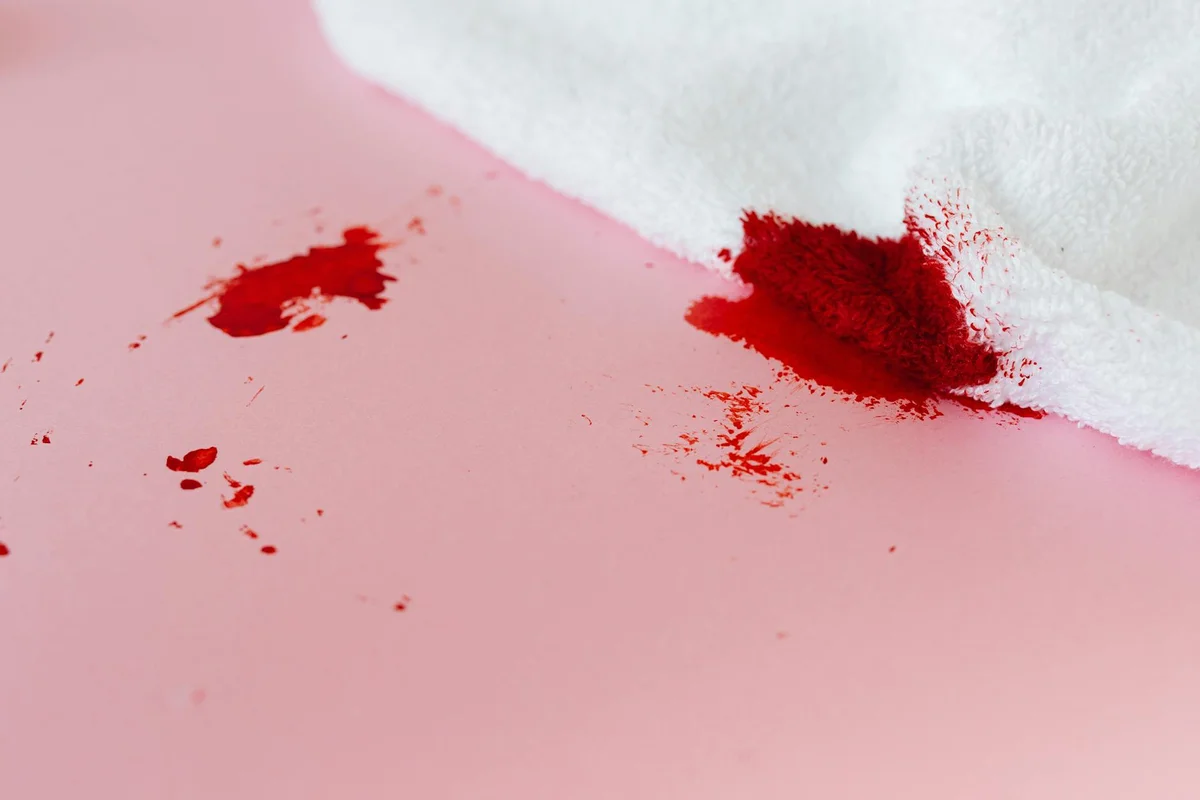
Think of this as your textile first-aid kit. You don’t need fancy chemicals, just a few smart, multi-purpose items. Having these on hand lets you act fast, which is 90% of the battle.
The Essential Tools
Gather these items and keep them together.
- Crisp white cloths or paper towels: You need a clean, absorbent, and color-free material to blot stains. Patterned or colored cloths can transfer dye.
- A dull knife or spoon: For gently scraping off solid food matter like mashed potato or cake frosting without grinding it deeper into the weave.
- Clear liquid dish soap (like Dawn or Fairy): This is your hero for oily stains. It’s designed to emulsify and lift oils, breaking the bond between grease and fiber.
- White vinegar (5% acidity): A mild acid. It’s brilliant for neutralizing alkaline stains (like vomit) on protein fibers like wool and silk, and it helps relax some dye stains.
- Baking soda (sodium bicarbonate): A mild alkali and gentle abrasive. It can help lift odors and, when mixed with water into a paste, pull out fresh stains.
- Oxygen-based bleach (like OxiClean or sodium percarbonate): A color-safe bleaching agent that works wonders on organic stains (coffee, wine, fruit) on most colorfast cottons and polyesters.
- Glycerin: A humectant you can find in pharmacies. It’s gentle and fantastic at loosening old, dried-in stains by drawing moisture to them.
- Enzyme-based pre-treatment (like those for baby stains): These contain proteins (enzymes) that literally digest other proteins. They are the only thing that truly breaks down protein-based stains like blood, egg, or dairy.
I keep a small squeeze bottle of diluted dish soap and a spray bottle of vinegar water in my laundry area for instant response.
Choosing the Right Detergent and Solvent
Your choice of cleaner is as important as your technique. Using the wrong one can set a stain permanently.
For general washing after pre-treatment, match your detergent to the fiber. I use a standard laundry detergent for sturdy cottons, linens, and polyesters. For wool, silk, or any delicate labeled “hand wash,” you must use a pH-neutral, wool-safe detergent. These are formulated to clean without damaging the protein structure of the fibers, which is crucial when washing cashmere.
Enzyme detergents are powerful for washable items with protein stains, but never use them on silk or wool items you care about, as the enzymes can attack the fibers themselves.
Sometimes you need a solvent. Isopropyl (rubbing) alcohol can dissolve some oil-based stains like ink or cooking oil from synthetic fabrics like polyester. Always test it on a hidden seam first, as it can affect some dyes and finishes, and never use it on acetate or triacetate as it can dissolve the fabric.
The Universal First-Aid Steps for Any Fresh Stain
Time is fabric. Follow these steps the moment a spill happens. This protocol works for a dress at dinner or fabric car seats.
- Blot, never rub. Use your white cloth to press down firmly and lift the liquid away. Rubbing spreads the stain and forces it deeper into the yarns.
- Scrape off solids. Use the dull edge of your knife or spoon to gently lift away any chunks of food. Work from the outside of the stain inward to avoid enlarging it.
- Apply a targeted pre-treatment. Now, based on what you spilled: For oil or grease, use a drop of clear dish soap. For wine, coffee, or fruit, use a paste of oxygen bleach and cool water. For protein-based food (egg, dairy), use an enzyme spray. Let it sit for 5-15 minutes.
- Test for colorfastness in a hidden area. Before you go further, you must do this. Use the dampened corner of a white cloth to blot the pre-treatment area you plan to use. Check for any dye transfer onto the white cloth.
Acting within this first hour transforms a simple clean-up into a potential disaster salvage job. For stains on non-removable fabrics like car seats or upholstery, the principle is the same: blot, pre-treat from the outside in, and then use a barely-damp cloth to rinse and blot the area repeatedly until no soap residue remains.
How to Test for Colorfastness and Fiber Safety
This two-minute test saves garments. I do it even on fabrics I think I know.
Take a cotton swab. Dip it in the exact pre-treatment solution you plan to use (dish soap water, vinegar solution, etc.). Dab it gently on an inside seam allowance, a hem facing, or under a collar. Wait two full minutes. Then, take a crisp white cloth and press it firmly onto the spot.
Look at the white cloth. Is there any color on it? Now, look at the test spot on your garment. Does the color look faded, or does the fiber feel altered? If you see dye transfer or damage, you cannot use that method on the visible stain area. A quick fabric colorfastness test can help prevent dye transfer by revealing unstable dyes before you proceed. This step is non-negotiable for silk, wool, viscose, and any dark or bright-colored cotton, as their dyes are often less stable. If the test fails, your only safe option is to take the item to a professional cleaner.
Fabric-by-Fabric Stain Removal Guides
Every fiber has a unique personality that dictates how it reacts to stains and cleaning. Fighting a stain effectively means understanding what you’re working with. I treat fabric care like a science experiment-you need the right conditions and reagents for the specific material.
Cotton and Linen: The Forgiving Canvas
Cotton and linen are plant-based cellulose fibers. They are robust, porous, and can handle more aggressive treatment than protein fibers. Their molecular structure allows them to tolerate heat and mechanical agitation quite well, which is your biggest advantage. This ties into cotton fabric characteristics and materials. It helps explain how these fibers perform in different applications.
For oil and grease on cotton, your best weapon is dish soap and hot water, as the soap breaks down the oil and the heat helps lift it from the fiber.
- Fiber Affinity for Stains: High absorbency means stains soak in quickly, but the fibers are also very receptive to cleaning agents.
- Ideal Water Temperature: Hot water (up to 60°C or 140°F) is ideal for cutting grease and sanitizing. Use warm for colored cottons to prevent dye migration.
- Agitation Level: Standard machine agitation is fine. For hand-washing, you can scrub gently with a soft brush.
- Drying Method: Tumble dry on medium or high heat, or line dry. Be mindful that hot washes and dries can cause progressive shrinkage (3-5% per cycle is common), so air drying is gentler on the fit.
Example: Removing Butter from a Linen Tablecloth
- Scrape off any solid residue with a dull knife.
- Blot the stain with a paper towel.
- Apply a small dab of clear dish soap directly to the stain and gently rub it in with your fingers. Let it sit for 10 minutes.
- Rinse from the back of the fabric with the hottest water safe for the fabric, pushing the stain out.
- Wash the entire item in the washing machine with a heavy-duty detergent on a warm or hot cycle.
- Check the stain is gone before drying, as heat will set any residue.
For coffee on linen, always rinse with cold water first. Cold water flushes out the tannins before they have a chance to bond permanently with the fiber. After a cold rinse, treat with a paste of detergent and water, then wash as usual.
Wool: Taming the Protein Fiber
Wool is a protein fiber with a scaly surface. Those scales are the key to everything. Heat, agitation, and sudden pH changes make them lock together irreversibly—this is felting, the extreme shrinkage you fear. Your mantra for wool is cold, calm, and gentle.
- Fiber Affinity for Stains: Protein fibers can be stained by alkaline substances (like mustard or egg yolk) which can actually damage the fiber if not neutralized.
- Ideal Water Temperature: Cold water only. Never use warm or hot water, as it relaxes the fiber scales and promotes felting.
- Agitation Level: Minimal. No rubbing, wringing, or twisting. Use a gentle pressing and dabbing motion only.
- Drying Method: Roll the garment in a clean towel to absorb excess water, then reshape and dry flat away from direct heat or sunlight.
Example: Treating a Mustard Stain on a Wool Sweater
- Gently blot away excess mustard.
- Mix a solution of one part white vinegar to three parts cold water. The vinegar neutralizes the alkaline mustard.
- Using a clean cloth, dab the vinegar solution onto the stain, working from the outside in.
- Rinse the area by dabbing with a cloth soaked in plain cold water.
- Apply a small amount of a gentle, plant-based liquid detergent (free of bleaches or enzymes) to the stain. Let it sit for 15 minutes.
- Rinse thoroughly with cold water by dabbing until all soap is gone.
- Dry flat. I recommend plant-based detergents for wool as they are typically milder and align with a mindful approach to animal-derived materials.
Silk: Handling the Delicate Filament
Silk is a continuous protein filament, incredibly strong when dry but surprisingly vulnerable when wet. It’s also sensitive to alkaline pH and high heat, which can destroy its luster and strength. Think of cleaning silk like preserving a watercolor painting-patience and a light touch are everything.
- Fiber Affinity for Stains: Oil can be particularly visible on silk’s smooth surface. The fiber is less absorbent than cotton, so stains often sit on the surface initially.
- Ideal Water Temperature: Cold water exclusively.
- Agitation Level: None. Absolutely no rubbing, which can permanently abrade the delicate fibers and cause “frosting” or color loss.
- Drying Method: Roll in a towel, reshape, and dry flat in the shade. Sunlight can weaken silk fibers.
Example: How to Get Oil Out of Silk
- Immediately cover the oil spot with a generous layer of cornstarch, talcum powder, or chalk dust. This dry absorbent will pull the oil out of the fiber. Let it sit for several hours or overnight.
- Brush away the powder completely.
- If a trace remains, create a spot-cleaning solution: a few drops of pH-neutral soap (like baby shampoo or a silk-specific wash) in a cup of cold water.
- Using a clean, white cloth, lightly dab the solution onto the stain. Never pour it directly on.
- Dab immediately with a second cloth soaked in plain cold water to rinse.
- Dry flat away from any heat source. The goal is to lift the stain without ever fully saturating and stressing the entire garment.
Polyester and Nylon: Tackling Synthetic Stubbornness
These synthetic fibers are essentially plastics, formed from petroleum. They are hydrophobic, meaning they repel water. Unfortunately, this also means they have a strong affinity for oily stains-grease clings to them. Heat is your enemy here, as it can bake oily stains into the synthetic matrix, making them permanent.
- Fiber Affinity for Stains: High attraction to oil and grease. Pigment-based stains (like grass or coffee) can also be stubborn.
- Ideal Water Temperature: Warm water (around 40°C or 100°F). Hot water can set stains. Cold water won’t effectively break down oils.
- Agitation Level: Standard machine agitation is acceptable, as synthetics are very durable.
- Drying Method: Tumble dry on low or medium heat. High heat can set any residual stain and may cause synthetic fibers to melt or become rigid.
Example: Pre-treating a Cooking Oil Stain on a Polyester Blend Shirt
- Place the stain face-down on a clean paper towel. This will help pull the oil through.
- Dampen a cotton swab with rubbing alcohol (isopropyl alcohol) and gently dab at the center of the stain on the backside. Always test the alcohol on an inside seam first to ensure it doesn’t affect the dye or finish.
- As the oil transfers to the paper towel beneath, move to a clean spot.
- Alternatively, apply a small amount of clear dish soap directly to the stain, working it in gently. Let it sit for 20 minutes.
- Wash the garment inside out in the warmest water recommended on the care label, using a detergent with grease-cutting enzymes.
- Air dry until you confirm the stain is gone. If it remains, repeat the pre-treatment-do not put it in the dryer.
For blends, always cater to the most delicate fiber in the mix. A polyester-wool blend must be treated like wool. A polyester-cotton blend gives you more options, but still avoid very high heat.
Dry Cleaning vs. Home Laundry: When to Call a Pro
Dry cleaning isn’t just fancy laundering-it’s a different chemical process using non-water-based solvents (like perc or hydrocarbon) to dissolve oils and soils. Water can distort certain fibers and set some stains; solvents avoid that.
You should take an item to a professional dry cleaner in these key situations, as the risk of home laundry damage is high.
- Structured Garments: Suits, tailored blazers, and overcoats. The solvents clean without disturbing the internal construction, interfacing, and padding, which water can ruin.
- Delicate or Unknown Dyes: Silk charmeuse, velvet, or any wool item with vibrant, unclear dyeing. Solvents are gentler on unstable dyes.
- Severe or Old Stains: Large grease spills, wine, ink, or any stain you’ve already tried and failed to remove. Professionals have specialized spotting agents and expertise.
- The “Dry Clean Only” Label: If you are unsure of the fiber content or construction, and the label says “dry clean only,” trust it. It’s there for a reason, often due to linings, trims, or fabric stability.
For most of your everyday cotton tees, polyester activewear, and sturdy linen or cotton blends, home laundry is perfectly suitable, especially after a thorough pre-treatment. Investing in a good home stain remover and following the fabric-specific rules above will save you time and money. Save the professional service for the pieces where the structure, fiber, or stain complexity demands that specialized solvent bath.
Aftercare and Troubleshooting: Saving the Fabric After the Stain
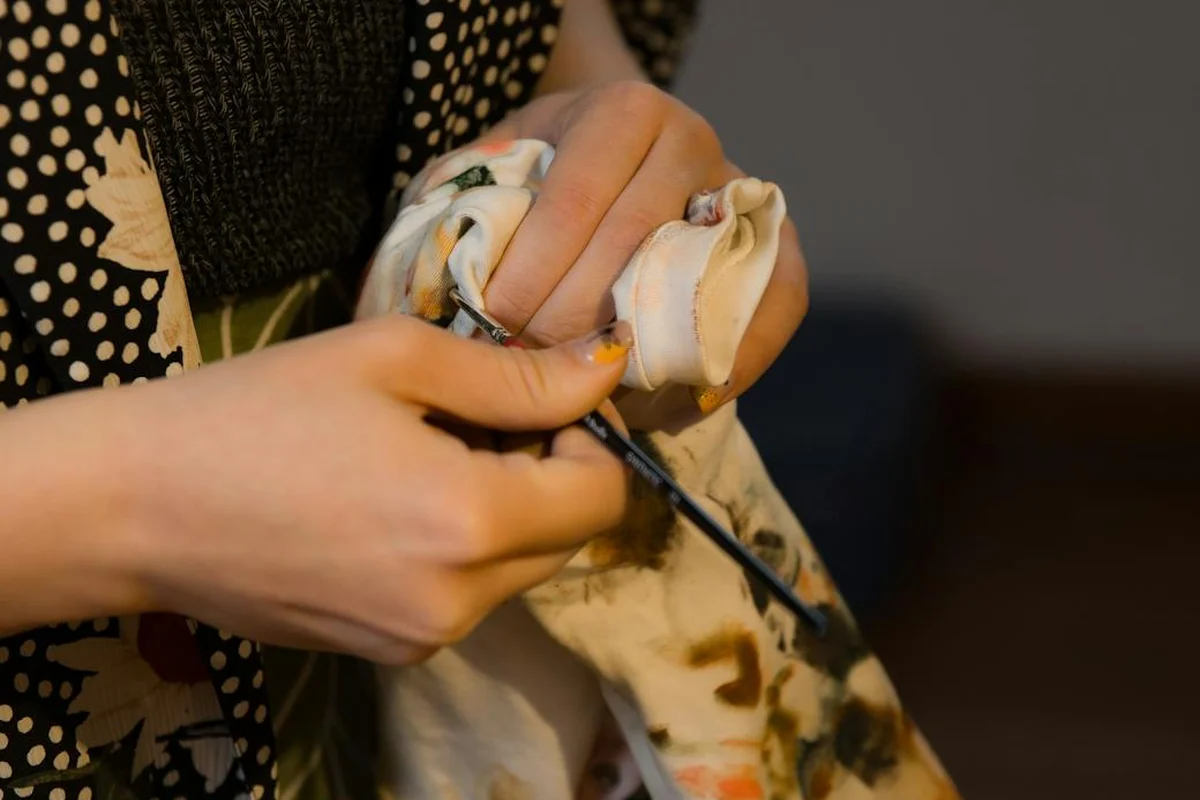
You’ve treated the spot, but your job isn’t done. Proper washing and drying are what lock in the success or doom you to a ghost of a stain. Here’s how to care for each fabric after the stain remover has done its work.
Post-Stain Washing and Drying by Fabric
Always check the care label first. My guidelines here assume the fabric is colorfast and in good condition.
| Fabric | Wash Temperature & Cycle | Drying Method | Key Reason |
|---|---|---|---|
| Cotton | Warm water (40°C/104°F). Regular cycle. | Tumble dry low or line dry. Iron on high heat if needed. | Heat and agitation help remove any remaining oily residue. Cotton can handle it. |
| Wool | Cold water. Use the “wool,” “handwash,” or “delicate” cycle. | Lay flat on a towel, reshape, and air dry. Never tumble dry. | Prevents felting and shrinkage. Agitation while wet is wool’s enemy. |
| Silk | Cold water only. Hand wash gently or use a delicate machine cycle. | Roll in a towel to press out water, then hang or lay flat to dry. Keep out of sun. | Preserves the delicate protein fibers and prevents water spotting or texture damage. |
| Polyester & Nylon | Warm water (up to 40°C/104°F). Regular or permanent press cycle. | Tumble dry low. Remove promptly to avoid wrinkles and heat-set any remaining stain. | Modern synthetics are tough, but high heat in the dryer can permanently set oil stains. |
When Problems Persist: Troubleshooting Guide
Sometimes, a faint shadow or a new issue appears. Don’t panic. Here’s what to do.
If a Stain Remains After Treatment
First, stop and let the fabric rest for 24 hours before trying anything else. I’ve seen people damage fabric by applying one treatment after another in frustration. Re-evaluate. Is it a greasy shadow or a discoloration? For a greasy residue, the original solvent (dish soap, dry-cleaning fluid) may need another, longer application. For a tannin ring from food, a second pass with a vinegar solution might work. If the fabric is now clean but discolored, the stain remover or the stain itself may have affected the dye. This is often a professional fix.
If Shrinkage Occurred (Especially Wool or Cotton)
Wool shrinks due to felting-the scales on the fibers lock together. For a slightly felted wool sweater, you can sometimes gently stretch it back to shape while it’s still damp and lay it flat to dry. For severe felting, it’s often irreversible. Cotton shrinks from heat and agitation. If your cotton tee is now too small, try soaking it in lukewarm water with a capful of hair conditioner for 30 minutes. The conditioner relaxes the fibers. Gently stretch it back to size and air dry. It won’t be perfect, but it can help.
If Colors Faded
This usually means the stain removal process was too harsh or acidic for the fabric’s dye. Unfortunately, you can’t put dye back just on one spot. For future reference, always test stain removers on an inner seam. For now, consider the garment a candidate for an all-over dye project if the fabric is still sound.
Integrating Your FAQs
Let’s tackle those specific questions that pop up all the time.
“I need to iron my shirt after stain removal. Any cautions?” Absolutely. Heat sets stains-good and bad. Always ensure the stain is 100% gone before ironing. For silk, use the lowest heat setting with a pressing cloth. For polyester or nylon, use a medium-low heat. High heat can melt synthetic fibers or shine them permanently. Iron cotton on high, but if any doubt remains about the stain, skip the iron.
“How do I get persistent body oil out of linen sheets?” Linen, a cousin to cotton, is robust but can hold oils. The best method for ingrained body oil is repeated, gentle washing in warm water with a heavy-duty detergent. Avoid very high heat in the dryer, as it can bake the oil in. Line drying in the sun can help bleach and freshen the fabric naturally over time.
Long-Term Fabric Care After Stain Battles
Think of stain removal as surgery. After surgery, the patient needs gentle care to recover fully. Your fabric is the same. Wash stained items separately from your regular laundry for the next few cycles to monitor them. For linen and cotton, tailor stain removal to the fiber to protect softness and color. Treat stains promptly with gentle methods to protect these fabrics. Use the gentlest effective detergent. Consider a fabric revitalizer or conditioner for natural fibers like wool and silk to replenish softness. Finally, store these items clean-any residual, unseen oils can attract pests or slowly oxidize and yellow over time. Your vigilance now keeps your favorite pieces in the rotation for years to come.
Last Notes on Stain Science and Fabric Care
Your most powerful tool is always to act fast and match your treatment to the fiber’s core properties. I test every stain removal method by asking one question first: will this work with the fabric’s structure, or fight against it?
Responsible textile care means washing with intention-using cooler water and full loads to save energy and reduce wear on fibers like polyester and cotton. Keep exploring how fabric science applies at home; understanding why wool felts or how nylon dyes strengthens your ability to care for every piece wisely and well.
Expert Resources and Citations
- Stain Removal Guide | The American Cleaning Institute (ACI)
- r/LifeProTips on Reddit: LPT: How to remove almost any stain from almost any fabric (list of what you need is included)
- Stain Removal | Museum Conservation Institute
- How to Remove Every Type of Stain from Clothes (Even Grease and Tomato Sauce)
Florian Ventura
Florian is a high fashion blog writer, fashion and fabric expert and a keen expert in fabric, clothing and materials. She has worked in large textile and fashion houses for over 10+ years, engineering and working with various fabric types and blends. She is an expert when it comes to questions on any and all kinds of fabrics like linen, cotton, silk, jute and many more. She has also traveled around the world studying traditional fabrics and aims to bring them into the modern fashion use.