
What Is Acrylic Fabric? A Textile Scientist Explains
If you’ve ever wondered whether that soft, cozy sweater is a friend or foe to your laundry routine, you’re asking the right question about acrylic.
In this guide, I’ll walk you through exactly what this common fiber is made of and how it behaves. We will cover its man-made composition, key properties like warmth and pill-resistance, best uses, and its specific care needs regarding shrinkage, washing, and dyeing.
Executive Summary & Quick Facts
Picture pulling on a lightweight, chunky-knit sweater that feels instantly warm and costs half what a wool one would. That’s the promise of acrylic. It’s a budget-friendly synthetic fiber engineered to mimic wool’s cozy loft, but it comes with a trade-off: minimal breathability and a sometimes plastic-like hand. Think of it as a thermal layer that traps heat efficiently, for better or worse.
| Breathability | Low |
| Shrinkage Rate | Very Low |
| Heat Tolerance | Low (Melts around 450°F / 232°C) |
| Stretch Factor | Low to Moderate (Depends entirely on knit or weave structure) |
The top three reasons people choose acrylic are its low cost, excellent colorfastness, and simple machine-wash care. This makes it a practical choice for high-use items.
- Inexpensive and widely available.
- Holds dye brilliantly, resisting fading.
- Machine washable and dries quickly with minimal wrinkles.
The most common drawbacks are pilling, a less natural feel, and a tendency to hold onto body odors more than natural fibers. You’ll see these most in sweaters and blankets after regular use.
- Prone to pilling (those little fabric balls) with friction.
- Can feel stiff or synthetic against the skin.
- Traps oils and odors, requiring more frequent washing.
You’ll find acrylic most often in affordable sweaters, cozy blankets, bulk craft yarn, and durable outdoor furniture cushions. It’s the workhorse fiber for projects where cost and easy upkeep are top priorities, even if it sometimes falls short in comfort compared to natural fibers.
What Is Acrylic Fabric, Really? (Composition & Manufacture)
At its core, acrylic is plastic. We make it from a fossil-fuel-derived polymer called polyacrylonitrile. Imagine a long, strong chain of synthetic molecules-that’s the building block.
The process starts with this polymer in a liquid form. We then force it through a device called a spinneret, which is like a very precise showerhead with tiny holes. This action creates thin, continuous filaments. Those filaments are stretched to align the molecules, which gives the fiber its strength, and then they’re cut into short staples to be spun into yarn, just like cotton or wool would be.
This manufactured origin answers two common questions directly. Yes, acrylic is a 100% synthetic fabric. And yes, its manufacturing process is what makes it a relatively cheap fabric. The raw materials and high-speed, industrial production are less costly than raising sheep for wool or farming cotton.
The tight, uniform structure of those synthetic chains explains acrylic’s superstar properties: incredible resistance to shrinkage and moths, and strong color retention. Because the fibers are created uniformly and don’t have natural scales or curls, they don’t contract like wool or cotton when wet and heated. It’s less like a sponge compressing and more like a plastic straw holding its shape.
How Does Acrylic Fabric Behave? (Key Properties)
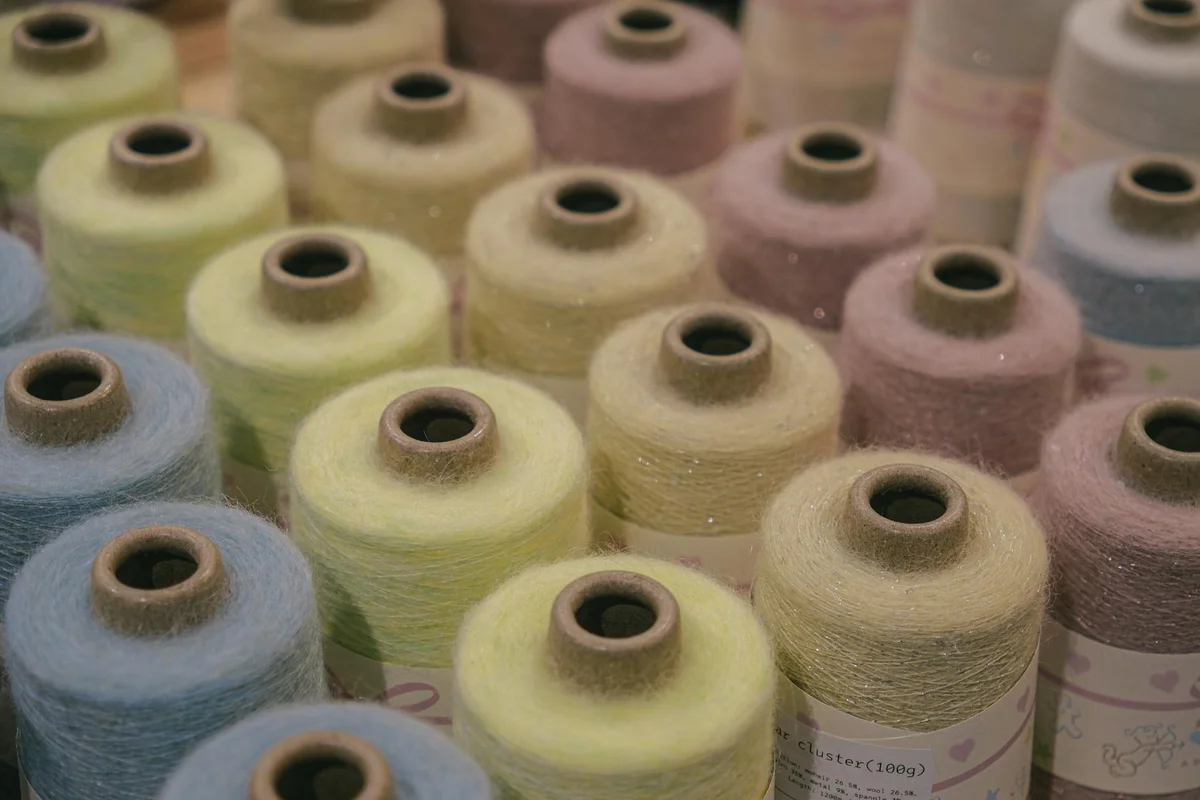
Think of a lightweight, puffy winter coat. That’s the essence of acrylic. Its signature trait is delivering warmth without the weight of natural fibers like wool. The fibers are great at trapping air, creating a layer of insulation that feels surprisingly light on your shoulders. Care tips help keep that warmth lasting. Considering sustainability can help you balance coziness with responsibility.
But how it holds up day-to-day is a mix of strengths and quirks.
In terms of durability, acrylic is quite strong when it’s dry, resisting snags better than you might expect. The catch is that its strength plummets when the fibers are wet, so handle damp knits with extra care to avoid stretching.
For moisture management, it performs poorly. Acrylic doesn’t wick sweat away like wool or polyester. It tends to feel clammy against the skin during activity because it holds moisture, not moving it.
Pilling is its most common frustration. The smooth surface of the fibers is prone to friction. Over time, washing and wear will inevitably cause little balls of fuzz to form on the surface, especially in areas like under the arms.
On a bright note, colorfastness is excellent. The dyes bond deeply with the fibers during manufacturing, so fading from washing or sunlight is minimal. The colors stay vibrant.
Testing Acrylic at Home: The Burn Test
If you’re unsure whether a sweater is acrylic or wool, a simple burn test can tell. Carefully light a single strand of yarn from an inside seam. Acrylic will melt and drip like a plastic bead, giving off a sharp, chemical smell. Real wool will curl away from the flame, burn slowly, and smell distinctly of burning hair.
This melting point is key. Acrylic has a “glass transition” temperature, typically around 100-120°C (212-250°F). This is the heat point where the fibers soften and can be permanently deformed, which is why high heat is its enemy.
How Do You Wash and Care for Acrylic Fabric? (The Care Protocol)
Treat acrylic like a delicate, heat-sensitive friend. Its care revolves around managing two things: agitation and temperature.
The Gentle Wash Cycle
Always start by turning the garment inside out. This protects the outer surface from friction. Use a mild liquid detergent and set your machine to a gentle or delicate cycle. The water temperature should be cool, never exceeding 30°C (86°F).
Heat and vigorous spinning cause the fibers to rub, leading to pilling and a fuzzy surface. Extreme heat can even melt or glaze the fibers, leaving a stiff, shiny patch. I also recommend skipping fabric softener. It can coat the acrylic fibers, making an already non-breathable fabric feel even more stifling.
The Safe Way to Dry Acrylics
Air drying flat is always the safest choice. Lay the garment on a clean towel or drying rack, reshaping it to its original dimensions. If you must use a dryer, select the lowest heat setting or, even better, the air-only (no heat) tumble cycle. Limit the time to just 10-15 minutes to remove the dampness, then finish drying flat.
So, does acrylic fabric shrink? The fiber itself has minimal shrinkage. What people mistake for shrinkage is usually heat distortion or melting, which makes the fabric tighten and stiffen in a way that looks like shrinking. To prevent size changes during washing, you’ll want to follow acrylic fabric washing shrinkage prevention guidelines. These simple care steps help keep your knits true to size. Never hang a heavy, wet acrylic knit to dry. The weight of the water will pull it down, stretching it hopelessly out of shape.
How (and If) to Iron Acrylic
If you must iron acrylic, extreme caution is needed. Set your iron to the very lowest possible temperature, often labeled “synthetic” or “acrylic.” You must use a pressing cloth-a thin cotton handkerchief or tea towel-between the iron and the fabric. Never let the iron plate touch the acrylic directly. Use a light, quick pressing motion with steam.
My preferred method is to avoid the iron altogether. Hanging the garment in a steamy bathroom while you shower often relaxes wrinkles with zero risk of heat damage. It’s the gentlest way to get a smooth finish.
How Does Acrylic Compare to Wool and Polyester? (Fiber Face-Off)
Acrylic vs. Wool: The Budget Imitator
In my lab, we test fabrics side-by-side to see where the performance gaps really are. Acrylic was invented to mimic wool, and it gets some things right. It’s lightweight and offers good insulating loft, trapping air like a wool sweater. The critical difference is in moisture management; wool can absorb a huge amount of moisture vapor without feeling wet, while acrylic does not. This makes wool superior for temperature regulation during activity.
Here’s a practical comparison I use: if you get caught in a drizzle, a wool sweater will still keep you warm as it manages the moisture. A wet acrylic sweater, however, often feels clammy and can lose its insulating power. On warmth alone, a dry acrylic garment can feel very cozy, but it doesn’t adapt to your body the way wool does. For another comparison in natural fibers, you might check out how wool stacks up against cashmere in terms of warmth and maintenance.
Care is where acrylic wins for convenience. You can toss most acrylic knits into a cool machine wash and tumble dry on low. Wool, unless it’s specifically labeled “superwash,” usually demands a gentle hand-wash and flat drying to avoid felting and shrinking.
From an animal welfare standpoint, acrylic is a vegan fiber. For those avoiding animal products, it’s a common alternative. You should know the trade-off: acrylic is a type of plastic, derived from fossil fuels, and it sheds microfibers with every wash. It’s a durable, accessible material, but its environmental footprint is significant.
Acrylic vs. Polyester: The Synthetic Sibling Rivalry
People often ask me, “Is acrylic better than polyester?” The answer isn’t simple; they’re tools for different jobs. Let’s break down their behaviors.
Pilling is a major differentiator. Acrylic fibers are weaker and less resilient than polyester. In abrasion tests, acrylic fabrics develop fuzzy pills much faster and more noticeably than most polyester weaves. That beloved soft, wool-like hand of acrylic comes with this trade-off.
Moisture wicking is another key area. Polyester is engineered to pull moisture (sweat) away from the skin to the fabric’s surface to evaporate. Acrylic lacks this inherent wicking ability. For activewear, polyester is the clear winner. For a cozy blanket or a casual sweater where wicking isn’t the goal, acrylic’s softness is a plus.
You’ll often find them blended together to balance these properties. A common example is polyester fleece. Acrylic is added to polyester fleece to improve its softness and give it a loftier, more wool-like texture. Conversely, a bit of polyester might be blended into an acrylic craft yarn to add strength and reduce the pilling, making the finished item more durable.
Can You Dye Acrylic Fabric? (Dyeing Characteristics)
This is one of the most common questions from crafters, and the honest answer is complex. Dyeing acrylic fabric at home is notoriously difficult and is not recommended for beginners due to the specific chemicals and high heat required. The dye simply won’t take with the all-purpose dyes you use for cotton or silk. In fact, dyeing specialty fabrics at home often requires unique techniques and products.
In the factory, acrylic is dyed using a class of dyes called “basic” or “cationic” dyes. These are positively charged molecules designed to bond with the negatively charged sites created in the acrylic fiber during manufacturing. This process happens under precise conditions, often at temperatures near or at the boil, to open the fiber’s structure so the dye can penetrate permanently.
This leads to another frequent question: “Are acrylic and fabric colour the same?” They are not. The color is a result of the dyeing process. The “acrylic” refers to the fiber itself-the plastic polymer that makes up the fabric. The color is the cationic dye molecule permanently bonded to it.
For home craft projects, I advise against trying to dye solid-colored acrylic fabric. Instead, use fabric paints or markers formulated for synthetics. These paints sit on the fiber’s surface. They work great for tie-dye effects, painting, or block printing on acrylic garments or crafts. Just remember to heat-set them with an iron according to the paint’s instructions to make the design wash-fast. Unlike hand-dyeing synthetic fabrics, which can be tricky, fabric paints offer a more reliable option.
If you are an experienced dyer determined to try, a serious safety note is required. Home dyeing with cationic dyes requires extreme caution: excellent ventilation, dedicated pots and utensils, and full protective gear (gloves, mask, goggles). The process involves near-boiling dye baths and chemicals that can be hazardous if mishandled. For most people, surface painting is the safer, more accessible choice.
What Kinds of Acrylic Fabric Will You Find? (Types & Common Uses)
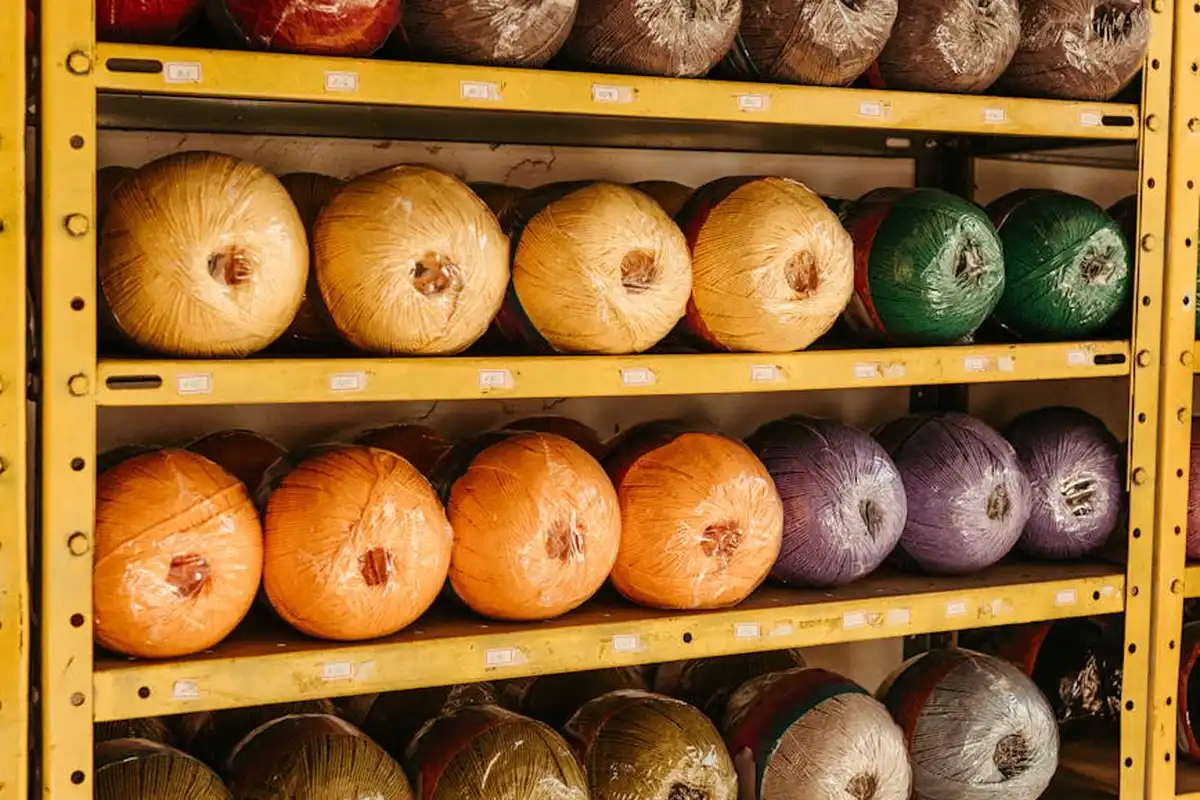
You won’t just find “acrylic” on a label. It’s how the fibers are spun and woven that gives the fabric its job. The construction dictates the hand-feel, the weight, and even how you should care for it.
The texture and weave of acrylic fabric tell you exactly what it’s meant to do, from keeping you warm to draping softly on a summer day. Its breathable, water-resistant performance adapts to changing conditions, making it a versatile choice for everyday wear.
Acrylic Fleece
This is the classic, plush fabric you know from cozy blankets, sweatshirts, and winter hats. It’s knit and then brushed to raise the fibers, creating a soft, fuzzy surface that traps heat. That dense, lofty pile is wonderful for warmth but it also acts like a sponge for water. I always tell people, a thick acrylic fleece blanket will take significantly longer to dry flat than a thin jersey.
Acrylic Jersey
Think of your favorite budget-friendly t-shirt or a lightweight, drapey dress. Acrylic jersey has a smooth, flat face and a slight stretch. It feels cool and sleek to the touch, mimicking cotton jersey but without the same breathability. It’s a workhorse for fast fashion because it holds color well, resists wrinkles, and is easy to care for.
Acrylic Yarn
Walk into any craft store and you’ll see walls of it. Acrylic yarn is a gift for knitters and crocheters. It’s consistently spun, affordable, and comes in every color imaginable. It creates lightweight, warm garments and is often machine-washable, making it a popular choice for baby blankets and everyday sweaters. The hand can range from soft to slightly squeaky, depending on the brand.
Acrylic Chenille
This fabric is all about luxurious texture on a budget. Used heavily in plush upholstery, throw pillows, and robes, acrylic chenille is made from yarn with a velvety, caterpillar-like pile. It feels deeply soft and indulgent. Be mindful, the raised pile can crush or shine with heavy wear or improper cleaning.
Common Acrylic Blends
Pure acrylic has its limits, so it’s often blended to balance properties.
- Acrylic/Wool: This is a classic compromise. The wool adds natural loft, resilience, and a more premium hand-feel, while the acrylic lowers the cost, reduces shrinkage, and makes the garment machine-washable. It’s a smart blend for affordable, easy-care winter wear.
- Acrylic/Cotton: Here, the cotton brings in much-needed breathability and absorbency, softening the sometimes-plasticky hand of pure acrylic. You’ll find this blend in summer knits, socks, and casual sweaters where a bit more air flow is welcome.
What Goes Wrong with Acrylic and How Do You Fix It? (Troubleshooting)
Acrylic is durable, but it has its quirks. Knowing these common issues lets you prevent them or fix them quickly when they pop up.
Pilling
Those little fuzzy balls on your sweater? That’s pilling. With acrylic, it’s not a matter of *if* but *when*. The smooth fibers gradually break and tangle at friction points (under arms, along seams). Pilling on acrylic is a natural result of wear, not a sign of poor quality, and it’s easily managed with the right tools. Wash acrylic items inside out to minimize surface friction. When pills appear, use a battery-operated fabric shaver or a sharp pilling comb. Go gently to avoid cutting the base fabric.
Stretching
A heavy, wet acrylic sweater can stretch out of shape if not supported. If your knit has become misshapen, you can often re-block it. Soak the garment in cool water with a bit of gentle detergent. Gently squeeze out the water-never wring. Lay it flat on a clean towel, carefully pat and stretch it back to its original dimensions, and let it air dry completely. The fibers have a “memory” and will often hold this reshaped form.
Static Cling
In dry weather, acrylic loves to crackle with static. To combat this, toss a dryer sheet into the drum when you air-dry the item on a no-heat tumble cycle. The tumbling helps distribute the anti-static agents. You can also lightly spray a dilute solution of water and a drop of fabric softener on the inside of the garment.
Heat Damage (Glazing or Shining)
This is the one problem you can’t fix. If you iron acrylic on too high a heat or tumble dry it on high, the thermoplastic fibers can literally melt just enough to fuse together. This creates a permanent, hard, shiny patch called “glazing.” Once acrylic is glazed from heat, the damage is irreversible, so prevention is your only tool. Always use a cool iron, or better yet, steam it without touching the fabric. Dry on low or no heat.
Odor Retention
Sometimes acrylic can hold onto body odors or smoky smells more than natural fibers. Before washing, try a pre-soak. Dissolve half a cup of baking soda in a basin of cool water and let the garment soak for an hour. Baking soda is a gentle, alkaline odor neutralizer. Then, wash as usual with a mild detergent. This usually lifts stubborn smells without harsh chemicals, which is especially important when considering synthetic fabrics like acrylic that can sometimes irritate skin.
Acrylic in Your Hands
The most important rule for acrylic is to keep it cool. Treat high heat from dryers and irons as its enemy to maintain its shape and softness for years.
Every synthetic fiber, from acrylic to polyester, performs best and lasts longest when cared for thoughtfully. Washing items less frequently, choosing air drying, and learning the basic science behind your clothes are the simplest steps toward a more responsible wardrobe.
Related Guides and Information
- Acrylic fiber – Wikipedia
- What Is Acrylic Fabric? | Acrylic Fabric
- What Is Acrylic Fabric? How Acrylic Fabric Is Made & Its Properties
Florian is a high fashion blog writer, fashion and fabric expert and a keen expert in fabric, clothing and materials. She has worked in large textile and fashion houses for over 10+ years, engineering and working with various fabric types and blends. She is an expert when it comes to questions on any and all kinds of fabrics like linen, cotton, silk, jute and many more. She has also traveled around the world studying traditional fabrics and aims to bring them into the modern fashion use.