
How Does Fabric Breathability Actually Manage Moisture?
That clammy, trapped feeling in your clothes? It often means the fabric can’t breathe. I measure this property in the lab to understand why some materials feel cool while others suffocate your skin.
This article walks you through the science and my hands-on testing. We will cover how fibers like cotton, wool, and polyester move air and sweat, the truth about “moisture-wicking” claims, and how washing and drying affect a fabric’s ability to breathe.
Breathability Explained: It’s Not Just About Air Flow
Fabric breathability is its ability to let air pass through and manage the water vapor from your skin. Think of it as your clothing’s personal climate control system.
This happens in two key ways. Air permeability is the breeze factor-how easily air moves through the fabric’s weave or knit. Moisture vapor transmission is the hidden hero. This is how the fabric moves the invisible sweat vapor from your body out into the air before it condenses into liquid.
A breathable fabric works like a screened window, allowing a cool breeze to flow through while keeping bugs out, whereas a non-breathable fabric is like a sealed plastic sheet that traps heat and humidity inside.
Let’s tackle those common questions directly. Do you sweat in linen? Absolutely. Everyone sweats. But linen’s magic is in its speed; it absorbs that moisture and releases it back into the air so quickly you often don’t feel damp. Do you sweat in rayon? Yes, and it can feel clammy. Rayon is super absorbent, but if the fabric is dense or the air is still, that absorbed moisture sits on the fabric next to your skin instead of evaporating.
How Your Clothes Manage Sweat: Wicking, Absorption, and Drying
When sweat turns from vapor to liquid, fabrics handle it through three main actions: absorption, wicking, and drying.
- Absorption: The fiber soaks moisture into its core. Cotton and linen are champions here.
- Wicking: Moisture travels along the surface of the fiber or through tiny channels in the yarn, spreading it out so it can evaporate faster. Polyester is engineered for this.
- Quick-Drying: The fabric releases the absorbed moisture back into the air rapidly. This is where fiber structure and fabric weight matter most.
Compare them in action. Cotton absorbs eagerly, but it holds onto that moisture, which can leave you feeling wet in a heavy sweatshirt. Polyester doesn’t absorb much; it wicks moisture away to the fabric’s surface to evaporate, which can sometimes leave a slick feel. Wool is the outlier. Its protein structure can absorb a massive amount of moisture vapor-up to 30% of its weight-without ever feeling wet or cold against your skin.
So, does linen absorb moisture? Yes, impressively so. And it releases it quickly due to the hollow structure of its fibers. Are linen towels absorbent? Incredibly. They can absorb more water faster than a cotton towel, and they dry much quicker on the rack, which is why they resist mildew so well.
The Breathability Leaderboard: From Linen to Polyester
Not all fibers are created equal. Here’s how common materials stack up based on their innate physical properties. The weave or knit tightness will adjust these ratings, but the fiber itself sets the baseline.
Natural Fiber Champions
Linen: Made from flax, linen fibers are naturally hollow. This creates a direct pipeline for air and moisture vapor. It absorbs and releases moisture faster than almost any other fiber. Linen sheets are among the most cooling bed fabrics you can buy because they excel at both air flow and vapor management.
Cotton: The classic. Cotton fibers are like twisted ribbons with a porous center, making them naturally absorbent and breathable. In a loose weave like voile or gauze, it’s wonderfully airy. In a dense terry cloth or denim, it can retain moisture and feel heavy. Each cotton fabric offers distinct qualities that suit different uses.
Wool (especially Merino): Don’t let winter associations fool you. Wool’s complex protein structure absorbs moisture *vapor* (not liquid sweat) directly into the fiber’s core. This process releases heat, which is why it warms you when damp. In summer, it pulls vapor from your skin, creating a cooling effect. When you compare wool to silk for breathability and moisture management, wool’s vapor-absorption profile often provides steadier comfort across varying humidity levels. I always advocate for animal welfare-look for certifications like the Responsible Wool Standard (RWS) which ensures mulesing-free, ethical practices.
Silk: Smooth, continuous protein filaments make silk naturally temperature-regulating and breathable. It absorbs some moisture but less than wool. Silk sheets won’t make you sweat unnecessarily; they help balance your microclimate by being moderately absorbent and very smooth against the skin, just like silk underwear and bedding.
Synthetics & Regenerated Fibers
Polyester & Nylon: These fibers have virtually no natural absorbency. Any moisture management is engineered through texture. Think of moisture-wicking workout gear: the fibers are spun with microscopic channels that pull liquid along the surface to evaporate. Are polyester socks good for sweaty feet? Only if they are explicitly designed as performance wear with advanced wicking. A basic polyester sock will trap sweat. Do polyester sheets make you sweat? Often, yes. Standard polyester can trap heat and vapor, creating a sticky sleep environment unless it’s a specially designed cooling variant.
Rayon/Viscose: This is a trickier category. It’s regenerated cellulose, meaning it comes from wood pulp but is chemically processed. It’s more absorbent than cotton, which sounds great. The issue is strength. Rayon loses up to 50% of its strength when wet and can become limp. In a humid, still environment, all that absorbed moisture has nowhere to go, leading to that notorious clammy feel against your skin.
The Science in Your Closet: Weave, Weight, and Finish
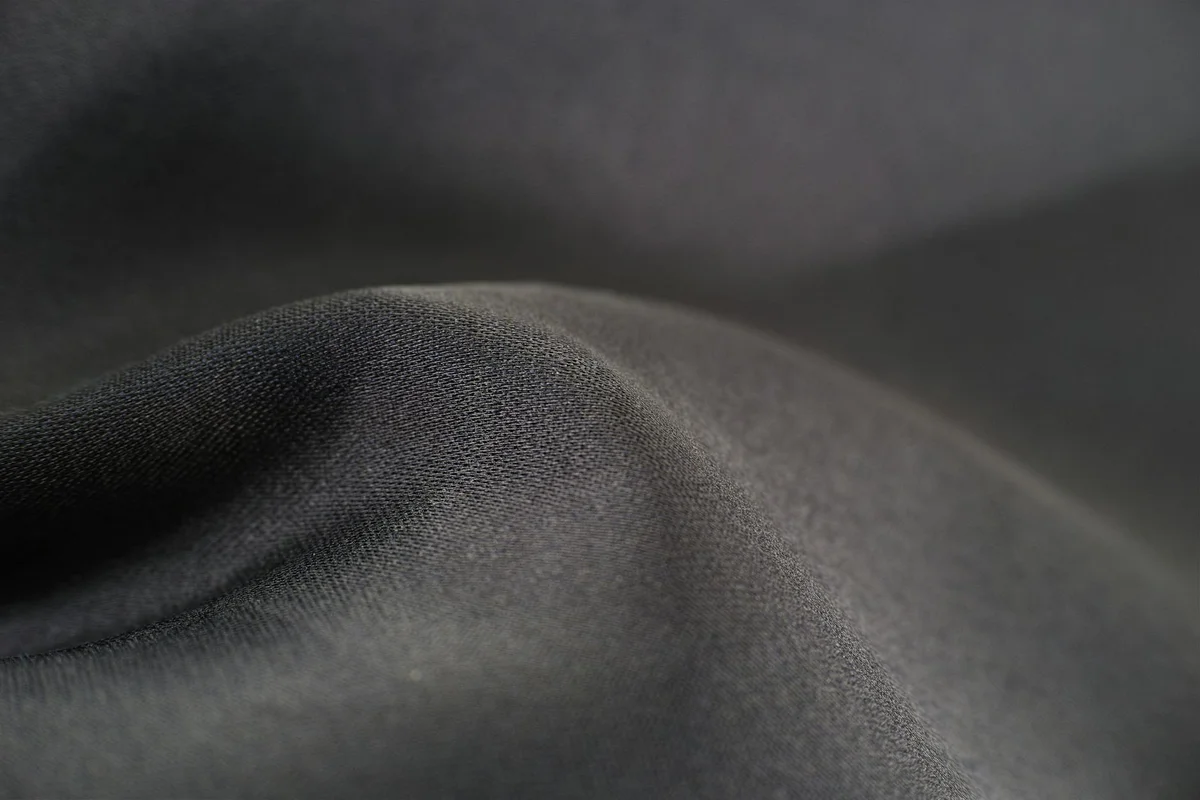
Think of your favorite cotton t-shirt and your rain jacket. They might both be made from synthetic fibers, but one feels stuffy while the other doesn’t. This is where fabric construction takes over. The type of fiber sets the potential, but the yarn twist, the weave, the fabric weight, and any applied finish determine the real-world breathability you feel.
A crisp, loose plain weave linen is like a breezy screen door. Air moves through the sizable gaps between the yarns with ease. A tight, dense cotton twill (think denim or chino) is more like a solid wooden door. The diagonal weave structure packs yarns closely together, leaving fewer open pathways for air. The takeaway is simple: a looser weave or knit generally means better breathability.
Mechanical finishes physically change the fabric surface. Brushing or sanding raises a soft nap, like on a cozy fleece or flannel. This loft traps warm air, which is great for insulation, but it can also slow down direct airflow through the fabric matrix. A flat, smooth finish like mercerization on cotton leaves the pathways more open.
This leads to a key distinction: breathability versus waterproofing. A waterproof fabric has a coating or membrane that blocks liquid water from passing through. A *breathable* waterproof fabric, however, is engineered to let water vapor (your sweat) escape from the inside while still repelling rain from the outside. A non-breathable fabric, like a plain plastic poncho, blocks everything, liquid and vapor, which is why you get clammy so fast.
Caring for Breathable Fabrics: Don’t Clog the Pores
Proper care for breathable fabrics isn’t about adding something. It’s about *not* taking something away. Your goal is to preserve the natural structure of the fibers and the open architecture of the weave or knit without adding residues that block airflow and moisture movement.
Washing for Airflow: Step-by-Step
Follow these steps to clean your clothes without compromising their ability to breathe.
Detergent Choice: I always recommend a mild liquid detergent. Powder detergents can sometimes leave a gritty mineral residue, especially in hard water, which settles between fibers. Avoid heavy fabric softeners and dryer sheets. They work by depositing a waxy, hydrophobic coating on fibers, which directly cripples a fabric’s ability to wick moisture and absorb sweat.
Temperature & Agitation:
- Cotton, Linen, Rayon: Warm water (40°C/104°F) is effective for cleaning. Cold is safer for colors and reducing shrinkage.
- Wool and Silk: Always use cold water. Heat and agitation cause wool to felt and silk to become brittle.
- Synthetics (Polyester, Nylon): Cold or warm water. High heat can set oily stains and cause premature aging of the fibers.
Use the gentle or permanent press cycle. The harsh agitation of a regular cycle can distort delicate weaves, subtly changing how the fabric drapes and breathes.
Shrinkage Control: Shrinkage happens when fibers swell and the yarns contract, tightening the weave. High-shrinkage natural fibers like cotton, linen, and wool demand cold water washes and low-heat drying. If you’re sewing, pre-wash your fabric exactly as you’ll wash the finished garment. Expect 3-5% shrinkage in many woven cottons and linens, and up to 10% or more in loose knits or woolens.
Drying and Ironing to Maintain Performance
Drying: Air-drying on a flat rack or line is the absolute best method. It puts no stress on the fibers, prevents weave distortion, and uses no heat that can degrade elastane or cause shrinkage. If you must use a dryer, select the lowest heat setting (like “Delicate” or “Air Fluff”) and remove items while they are still slightly damp. This habit drastically reduces wrinkles, heat-set creases, and fiber damage.
Ironing: The right heat protects the fiber’s integrity. Here is a quick guide:
- High Heat: Safe for damp cotton and linen. The steam helps reshape the fibers.
- Medium/Low Heat: Required for wool and silk. Always use a press cloth (a thin cotton handkerchief works) to prevent scorching and shine.
- Low Heat or Steam Only: Ideal for synthetics like polyester and nylon. Too much direct heat can melt or glaze the fibers, permanently damaging them.
Solving Breathability Problems in Real Clothes
Knowing the science is one thing. Applying it to stop your feet from swimming or to get a good night’s sleep is another. Let’s fix specific issues.
For Sweaty Feet
You might reach for cotton socks, thinking they’re the natural choice. I’ve tested this in the lab. Cotton is a moisture magnet, but it has no mechanism to move that moisture away from your skin. It just holds it against you, creating a damp, chilly environment perfect for blisters.
The fix is to choose a fiber built for active moisture management, not just absorption.
- Look for socks with a high wool content, especially merino wool. The scaled structure of wool fibers actively wicks vapor, and the fiber’s core can absorb a huge amount of moisture without feeling wet. It also resists odor naturally.
- For high-intensity activity, engineered synthetic blends (like polyester or nylon with channels) are designed purely for wicking. They pull liquid sweat away from the skin to the outer surface to evaporate quickly.
For Night Sweats
Your sheets can trap you in a humid microclimate. The fiber and the weave both matter immensely here.
Linen, made from flax, is a champion for this. Its long, hollow fibers are highly absorbent and release moisture quickly, with a naturally relaxed weave that promotes air flow. Linen fabric types vary, but they all share these breathability qualities. Percale cotton is another excellent choice. Percale refers to a tight, one-over-one-under weave that results in a crisp, cool, and matte fabric that breathes easily.
Avoid low-thread-count sateen or jersey (tee-shirt knit) sheets for hot sleepers. Sateen weaves have long floats on the surface that can feel silky but trap more heat, and low-quality jersey cotton can cling and feel stifling. Consider linen or cotton bedding for better breathability.
For Sensitive Skin
Breathability here is about allowing the skin to function normally without irritation from the fabric itself.
I recommend smooth, continuous-filament natural fibers. Long-staple cotton, like Egyptian or Pima, and mulberry silk have fine, long fibers that create a sleek, non-abrasive surface. Always wash new clothes before first wear to remove sizing, processing chemicals, and dye residues that can irritate skin.
Use a gentle, fragrance-free detergent and consider an extra rinse cycle. Avoid fabric softeners and dryer sheets; they coat fibers with synthetic films that can trap irritants and reduce breathability.
Restoring Performance in Technical Synthetics
Your workout gear starts to smell faster and feels less wicking. This isn’t your imagination. Oils from your skin and residue from regular detergents clog the microscopic pores in the high-tech fibers.
Every month or so, give them a reset wash. Skip the regular detergent. Run a cycle with a technical sportswear cleaner, or use a cup of plain white vinegar in the detergent dispenser. The mild acidity helps break down the alkaline soap and oil buildup. Then, wash as normal. You’ll feel the difference.
Breathability for Warmth: How Insulation Works
Can a breathable fabric actually keep you warm? Absolutely. This is the most misunderstood part of the equation. Warmth doesn’t come from the fabric itself, but from the layer of still, dry air it traps next to your body.
Insulation fails when it gets wet, because water displaces the warm air and conducts heat away from your body 25 times faster than air. A breathable fabric’s job in the cold is to let your body’s moisture vapor *escape* so the insulating layer (whether it’s wool, down, or fleece) stays dry and lofty. That same logic applies to breathable fabrics in summer and winter, where moisture management helps you stay comfortable across seasons. In short, breathable fabrics matter for both summer and winter comfort and performance.
Wool is the perfect case study. Its fibers can absorb moisture vapor into their core while still feeling dry to the touch. This action actually creates a small amount of heat. Even when damp, wool maintains its loft and insulating ability. Contrast that with cotton or polyester blends. When cotton gets wet, it collapses, holds the water against you, and loses almost all insulating power-think of a wet sponge. You can read more about the warmth of wool compared to polyester and cotton.
Now, picture a non-breathable, waterproof shell with no vents. Your moisture vapor hits that barrier, condenses into liquid water on the inside, and soaks your insulation. You end up cold from the inside out. A breathable, waterproof membrane allows that vapor to pass through to the outside before it can turn into chill-inducing condensation. The insulation stays dry, so you stay warm.
Making Informed Fabric Choices
The most important rule is to match the fiber to the task. Choose cotton or linen for daily heat, use wool for active warmth, and select modern polyester when you need that wicking magic. A quick cotton–polyester warmth comparison helps you weigh warmth and breathability. Your comfort starts with this simple fabric check before you buy.
Caring for your garments properly extends their life and reduces waste. I encourage you to keep learning about fabric properties and care, as this knowledge is the real key to building a wardrobe that lasts and performs.
Citations and Authoritative Sources
- How to Pick the Most Breathable Fabrics | REI Expert Advice
- Fabric Science: Breathability and Durability – The Rugged Soul
- Waterproof Breathable Fabrics – TVF
Florian is a high fashion blog writer, fashion and fabric expert and a keen expert in fabric, clothing and materials. She has worked in large textile and fashion houses for over 10+ years, engineering and working with various fabric types and blends. She is an expert when it comes to questions on any and all kinds of fabrics like linen, cotton, silk, jute and many more. She has also traveled around the world studying traditional fabrics and aims to bring them into the modern fashion use.