
Which Fabrics Breathe Best for Summer and Winter Comfort?
Struggling with sweaty summer nights or chilly winter mornings? As a textile scientist, I know your comfort hinges on the fabric’s ability to manage moisture and heat.
I will break down the science of breathability and give you my hands-on recommendations. We will cover how fabric structure affects air flow, the top performing natural and synthetic fibers for each season, and how proper washing and care preserve these crucial properties.
Executive Summary: Your Quick Guide to Breathable Fabrics
Let’s cut to the chase. Here are your top fabric picks for staying comfortable.
For hot summer days and nights, you want linen, cotton, rayon (viscose), or lightweight silk. Linen and cotton are champions because they move heat and moisture efficiently. Rayon feels cool against the skin, and silk is a naturally temperature regulating protein fiber.
For damp, chilly winters, look to wool, silk, and certain technical blends. Wool and silk excel at wicking moisture away from your skin while trapping insulating air, keeping you warm and dry.
My biggest piece of advice is this: the fiber is only part of the story. A tight polyester weave can feel stifling, while a loose, gauzy cotton weave can be incredibly airy. How you care for the fabric matters just as much. A common mistake is using fabric softener on towels and athletic wear; it coats the fibers, drastically reducing their absorbency and breathability.
A quick note on animal welfare: for every animal-derived fiber like wool or silk, there is a plant based or synthetic alternative that can mimic its properties. For winter warmth, consider high loft cotton flannel or advanced polyester fleeces made from recycled materials. In the lab, I’ve seen incredible innovations in plant based temperature regulation.
For Summer: Cool and Airy Picks
When the heat is on, your fabric should work to cool you down. Linen, made from flax, is the undisputed king here. Its long, coarse fibers are woven into a naturally loose, slubbed fabric that encourages maximum air flow. Yes, linen sheets are exceptionally breathable, which is why they have been a summer bedding staple for centuries. They feel crisp and cool, becoming softer with every wash.
Lightweight cotton, like in a classic voile or a percale weave, is another hero. It absorbs moisture (sweat) into its hollow fibers, and as that moisture evaporates, you feel a cooling effect. Just remember, cotton holds that moisture, so in very humid conditions, it can feel damp. For active summer wear, look for lightweight, open knits.
For Winter: Warm but Dry Choices
Winter breathability is about managing moisture to prevent that clammy, cold feeling. Wool is a marvel. Each wool fiber is scaly and crimped, creating tiny pockets that trap air for insulation. Critically, it wicks moisture vapor along its surface to evaporate, without feeling wet. This is why a wool sweater can keep you warm even when damp.
Silk performs a similar magic trick. Its smooth protein fibers wick moisture well, and its structure creates fine air pockets. Are silk pajamas warm? Yes, but in a uniquely dry, lightweight way. They won’t provide the heavy loft of wool, but they will effectively manage your body’s humidity throughout the night, preventing chill.
The Science of Breathability: How Fabrics Breathe
“Breathability” isn’t one thing. It’s the result of four main properties working together: moisture management, air permeability, thermal conductivity, and fiber structure. Think of it like a fabric’s personality-how it interacts with your skin and the environment.
Even specialized textiles use these principles. Are fabric bandages breathable? The good ones are, using loose weaves or perforations for air permeability while managing wound moisture, which is crucial for healing.
Moisture Management: From Damp to Dry
This is how a fabric handles sweat and humidity. Fibers like cotton and linen are hydrophilic-they love water. They absorb moisture directly into their core, like a sponge. This feels cooling as it evaporates. Synthetic fibers like polyester are hydrophobic-they repel water. Instead of absorbing, they wick moisture along their smooth surface to the fabric’s outer layer to evaporate, like water beading on a raincoat.
The comfort connection is key: absorption feels cool in summer but can leave you feeling damp in winter. Wicking keeps your skin drier, which is vital for staying warm in the cold.
Air Permeability: The Feel of a Breeze
This is simply how easily air passes through the fabric. The weave or knit dictates this. A loose, open plain weave (like in linen or gauze cotton) has high permeability. A tight, dense weave (like in a windbreaker or sateen sheets) has low permeability.
This is the main reason percale cotton sheets feel cooler than sateen cotton sheets of the same thread count-the crisp, one-over-one-under weave of percale simply lets more air through. Knits, like jersey, are generally more permeable than woven fabrics due to their looped structure.
Thermal Conductivity: Moving Heat Away or Holding It Close
This is a material’s ability to conduct heat. Linen has high conductivity-it pulls heat away from your body quickly, creating that characteristic cool touch. Wool has very low conductivity-it’s an excellent insulator, trapping your body heat.
Imagine touching a metal spoon (high conductivity, feels cool) versus a foam coffee cup (low conductivity, feels warm). Linen is the spoon, wool is the foam cup, and your comfort depends on which one you need.
Fiber Structure: A Microscopic Look
Under a microscope, you see why fibers behave so differently. A cotton fiber looks like a twisted ribbon with a hollow central canal (lumen). This structure allows for absorption and gives cotton its softness. Wool has a scaly outer layer (cuticle) and a crimped, elastic core. Silk is a smooth, triangular protein filament.
Synthetics like polyester and nylon are generally smooth, solid rods extruded by machines. This smooth, solid structure is why synthetics shrink less but can feel less airy, and why pilling occurs when those smooth fibers break and tangle on the surface. The hollow structure of cotton is also why it shrinks; heat and agitation cause those hollow areas to collapse.
Material Data Table: Breathability at a Glance
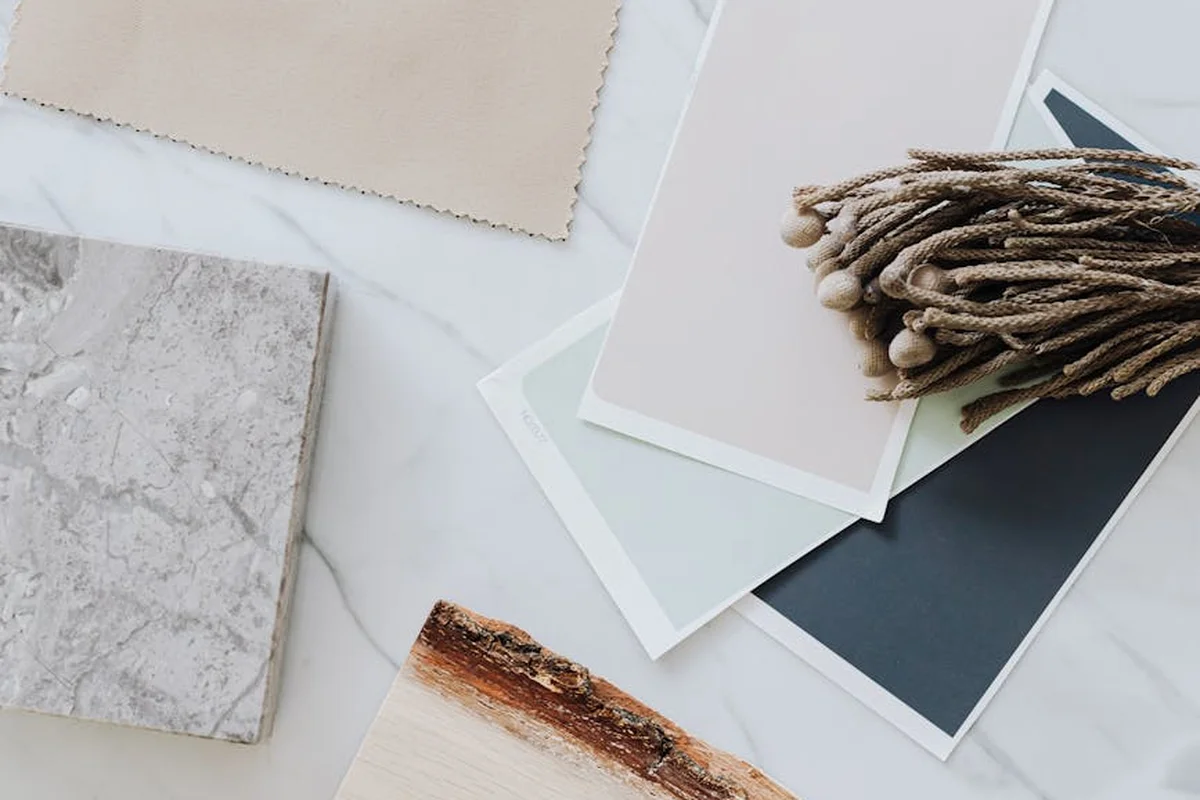
Let’s get practical. This table compares key properties of common fabrics to help you choose the right one. Remember, a fabric’s weave (like percale vs. sateen) and weight (like lightweight voile vs. heavy denim) can change how it feels. These ratings are for typical, medium-weight versions of each fabric.
| Fabric | Breathability | Shrinkage Rate | Heat Tolerance (Max Safe Wash) | Stretch Factor | Best Season | Common Uses |
|---|---|---|---|---|---|---|
| Cotton | High | 3-5% on first hot wash | 60°C / 140°F | None (unless woven with spandex) | Summer, Spring | T-shirts, sheets, dresses, towels |
| Linen | Very High | 4-7% (can be significant) | 60°C / 140°F | None | Summer | Summer suits, dresses, tablecloths, bedding |
| Silk | Medium-High | 1-3% (distorts easily) | 30°C / 85°F (cold is safer) | Low (has a natural ‘give’) | All Seasons (temperature neutral) | Blouses, lingerie, scarves, pajamas |
| Wool | High | 5-10% (felts in heat/agitation) | 30°C / 85°F (hand wash recommended) | Medium (natural elasticity) | Winter, Fall | Sweaters, coats, socks, blankets |
| Polyester | Low | ~1% (very stable) | 40°C / 104°F (heat can set stains) | None (unless a knit or blended) | Winter (as a layer) | Fleece, activewear, linings, curtains |
| Nylon | Low | ~1-2% | 40°C / 104°F | High (when knitted) | All Seasons (performance wear) | Hosiery, swimwear, windbreakers, umbrellas |
| Rayon (Viscose) | Medium-High | 5-10% (very weak when wet) | 30°C / 85°F (hand wash ideal) | None | Summer, Spring | Flowy dresses, blouses, linings |
| Common Blends (e.g., 60% Cotton, 40% Polyester) | Medium | 1-3% (reduced by polyester) | 50°C / 122°F | Low (if no spandex) | All Seasons | Everyday shirts, bedding, work uniforms |
Breathability is how well air passes through a fabric and how efficiently it manages moisture from your body. A high breathability rating means the fabric lets heat and vapor escape easily, preventing that clammy feeling. Linen and cotton are champions here. Wool is a special case; it’s breathable because it can absorb a lot of moisture vapor without feeling wet, acting like a buffer for your body’s microclimate.
I always tell people to think of shrinkage in two ways: relaxation and felting. Cotton and linen shrink mostly from “relaxation”-the fibers tighten up as the spinning and weaving tension releases in warm water. Cotton and linen tend to shrink when washed or dried. Wool can shrink catastrophically from “felting,” where scales on the fiber lock together with heat and agitation. That’s why wool needs a cold, gentle hand wash.
For heat tolerance, this is the maximum temperature I’d use in a washing machine. Going hotter risks setting stains on synthetics or causing irreversible damage to delicate fibers like silk and wool. When in doubt, wash cold. It saves energy and is safer for almost every fabric.
On the question, “are silk sheets cooler than cotton?”-it’s about weight and weave. A lightweight, tightly woven silk charmeuse can feel sleek and cool against the skin initially. But a heavyweight silk noil might feel warmer. Cotton, especially in a crisp percale weave, often feels consistently cool. Silk’s real benefit is its temperature-neutral nature; it helps regulate rather than simply feel cool.
Here’s a quick care tip you can use right from the table:
- For high-breathability summer fabrics (Linen, Cotton, Rayon): Wash in cool to warm water, tumble dry low or line dry. Iron while slightly damp for best results.
- For temperature-regulating winter fabrics (Wool): Hand wash in cold water with a wool-specific detergent. Never wring. Lay flat on a towel to dry, reshaping as it does.
- For low-breathability synthetics (Polyester, Nylon): Use a cooler wash to prevent oil-based stains from setting. Add wool dryer balls in the dryer to reduce static cling without harsh sheets.
Summer Breathers: Fabrics to Keep You Cool
For summer, you want fabrics that move air and manage moisture. The most breathable options are linen, cotton, rayon (like viscose or lyocell), and lightweight silk. Think of a loose linen shirt that doesn’t stick to your back, or lightweight cotton percale sheets that feel crisply cool. For dry heat, a rayon blouse has a fluid drape that feels airy.
Are rayon sheets breathable? Yes, they are wonderfully air-permeable and feel cool to the touch, but they can shrink dramatically if washed incorrectly. Are silk sheets cooling? Absolutely, but only if they are made from a lightweight silk like habotai; a heavy silk charmeuse will trap heat.
A general rule for these summer fabrics: gentle care preserves their open, breathable structure. Aggressive washing and high heat can cause fibers to tighten and mat, reducing airflow.
Linen: The Ultimate Heat Dissipator
Linen comes from the flax plant. It has a distinct, slightly rough hand that softens beautifully with every wash. Its magic lies in its high air permeability-the fibers are hollow, allowing heat to escape and air to circulate freely. Linen fabric types, properties, and blends vary from pure linen to softer combinations that adjust texture and drape. Understanding these aspects helps you choose linen for clothing, home textiles, and more.
I always pre-wash fabric before sewing. It can shrink between 3% and 7% on its first wash. To control this, wash it in cool water and either air dry or use a low tumble dry. Once pre-shrunk, it’s remarkably stable.
Linen’s high thermal conductivity means it pulls heat away from your body faster than almost any other fabric, which is why it feels so cool in a heatwave. That same property makes it heat-resistant, ideal for kitchen towels or summer suits.
Cotton: The Trusted Workhorse
Not all cotton is equal for cooling. The weave makes all the difference. For bedding, a percale weave (a simple one-over, one-under pattern) is crisper and more breathable than a sateen weave. For clothing, a lightweight jersey is great for tees, but a loosely woven cotton voile or poplin is even cooler.
Cotton’s main summer drawback is its tendency to shrink. Here’s a simple test you can do before making a garment or using new sheets:
- Cut a 10×10 cm (4×4 inch) square from an inconspicuous area or use a spare swatch.
- Mark the dimensions clearly with a waterproof pen.
- Wash and dry the swatch using the method you plan to use regularly (e.g., warm wash, medium tumble dry).
- Measure the square again. The difference is your shrinkage percentage.
For the coolest summer sleep, look for lightweight, combed cotton percale sheets with a thread count between 200 and 400. Higher thread counts often use finer yarns but can create a denser, less breathable fabric.
Silk and Rayon for Summer Nights
These fibers share a sleek, smooth feel but behave very differently.
Silk is a natural protein fiber. Are silk pajamas hot? Not if they’re made from a lightweight grade like habotai. This silk feels cool against the skin because it absorbs moisture well without feeling damp. For animal welfare, look for peace silk or recycled silk options, which ensure no silkworms are harmed in production.
Rayon (including viscose, modal, and lyocell) is made from plant cellulose but processed chemically, making it a semi-synthetic. It is exceptionally breathable and absorbent, perfect for dry summer heat. But it has quirks.
Rayon is prone to shrinking—I’ve seen some viscose fabrics shrink 8% or more. It also loses strength when wet and can wrinkle heavily. To prevent shrinkage, choose pre-shrunk viscose or pre-washed fabrics. If shrinkage occurs, reshape gently while damp. Always hand wash or use a gentle machine cycle with cold water, and never wring it out. Lay it flat or hang to dry. This care keeps its elegant drape and breathability intact.
Winter Warmers: Fabrics That Insulate Without Sweating
Which fabrics are most breathable for winter? The answer shifts focus from cooling air flow to clever moisture management. Winter breathability is about moving sweat vapor away from your skin so you stay dry, which is the key to staying warm. The right fabric creates a warm microclimate without the clammy, sweaty feeling of being trapped in plastic.
For sleepwear and bedding, you often see questions like, “are silk pajamas hot to sleep in?” In winter, yes, they provide a luxurious, lightweight warmth without bulk. Similarly, “are silk sheets hot?” They can feel warmer than cotton sheets in winter because they better trap your body’s heat while still allowing moisture to pass through.
When choosing animal fibers, I always advocate for transparent, ethical sourcing. For a plant-based alternative, a high-pile cotton fleece or brushed hemp can offer cozy insulation with good breathability.
Wool: Nature’s Smart Fiber
Wool is a marvel of natural engineering. Each fiber has microscopic scales that overlap like roof shingles. These scales trap pockets of air for insulation and actively wick moisture vapor along the fiber’s surface to evaporate. This unique structure means wool can keep you warm even when it’s slightly damp, unlike cotton which loses all insulation value when wet.
The biggest care catastrophe with wool is felting, an irreversible shrinkage and stiffening. It’s caused by a combination of heat, agitation, and rapid temperature changes. Think of the scales locking together permanently. To prevent this, always hand wash or use the machine’s wool cycle with cold water and a detergent for delicates. Never wring it out. Roll it in a towel to absorb water, then lay it flat to dry, reshaping it gently.
If asked, “what is the most breathable wool?” my answer is Merino. Its fibers are exceptionally fine and soft, which allows for a denser weave or knit that still maintains excellent air permeability. You get warmth without itchiness.
Silk: The Luxurious Layer
Silk is a continuous protein filament spun by the silkworm. This smooth, solid structure creates a sleek, insulating layer that feels warm to the touch. Silk’s breathability comes from its natural ability to absorb a fair amount of moisture vapor without feeling wet, regulating your microclimate effectively.
This leads to a common comparison: “are silk sheets cooler than cotton?” In summer, the smoothness can feel cooler against the skin. In winter, the story changes. Silk often feels warmer than cotton because it traps more of your body’s still, warm air close to you, while cotton’s more open structure can let that heat escape.
Caring for silk preserves its magic. Use a mild, pH-neutral soap or shampoo. Hand wash in cool water, swishing gently for no more than three minutes. Never soak silk for hours, as this can damage the fibers and cause dyes to bleed. Rinse thoroughly in water of the same temperature and press water out-don’t twist. Dry away from direct heat and sunlight. For more on silk fabric care washing, see our quick guide. It highlights best practices and common pitfalls to avoid.
Synthetics and Blends for Active Winter Wear
For high-output activities, modern synthetics are engineered for winter breathability. Polyester and nylon base layers are designed to wick sweat away from the skin rapidly. The catch with lower-quality synthetics is that they can feel clammy once saturated, as they hold moisture in the fabric rather than absorbing it like wool or silk. High-quality versions use sophisticated cross-sections and chemical treatments to improve this.
How does breathability compare between 100% natural fibers and a common blend like 60% cotton/40% polyester? The blend is less breathable. Cotton’s moisture absorption is hindered by the water-repellent polyester. The blend may dry faster and resist wrinkles, but it can trap more sweat vapor. It also tends to pill more easily where friction occurs.
For softness in synthetic sleepwear or linings, look for a brushed or sanded finish. This process raises tiny fibers for a fleecy feel. Just know that this can slightly reduce the fabric’s inherent air permeability by creating a denser surface layer.
Care and Handling: Washing, Drying, and Ironing for Breathability
Choosing a breathable fabric is only half the battle. How you clean and dry it determines whether those airy channels stay open for business. I treat this like a lab protocol-precise steps yield predictable, long-lasting results.
Always start with a simple colorfastness test before any first wash. Dampen a white cotton cloth with cool water. Rub it firmly for about ten seconds on a hidden seam or hem. Check the cloth for any dye transfer. If you see color, you’ll need to wash that item alone in cold water.
Using the wrong detergent can quietly sabotage a fabric’s structure and breathability over time. For most items, a mild, liquid detergent works best. For colored protein fibers (wool, silk) and bright plant fibers, seek out a dye-free formula to help prevent fading. Critically, avoid enzymatic or “bio” detergents on silk and wool; those enzymes digest protein, which is exactly what those luxury fibers are made of.
Heat is the main enemy of breathability. High dryer heat can melt synthetic fibers just enough to seal their moisture-wicking pores. For natural fibers like cotton, high heat sets shrinkage permanently, compacting the fabric and crushing the air spaces between yarns. Think of it like applying a permanent press to a sponge.
Washing Steps by Fiber Family
Group your laundry by fiber type first, then by color. This method protects the most delicate items and keeps your breathable fabrics functioning optimally.
For Cotton and Linen (Plant Fibers):
Machine wash at 40°C (104°F) on a gentle or permanent press cycle. Separate lights from darks. For new, untreated cottons (like a sturdy canvas or quilting cotton), I always do a hot wash and dry first to force maximum shrinkage before I sew. This “pre-washing” prevents surprises later.
For Wool and Silk (Protein Fibers):
Hand wash in cool water, below 30°C (85°F). Use a dedicated wool wash or a very mild, enzyme-free liquid soap. Gently swish, then rinse thoroughly in water of the same temperature. Never wring or twist. Instead, roll the garment in a clean, absorbent towel to press out water.
For Polyester and Nylon (Synthetic Fibers):
Machine wash cool to warm, at 30-40°C (85-104°F). A standard liquid detergent is fine. Avoid fabric softener entirely; it leaves a waxy coating on synthetic fibers that blocks their ability to wick moisture away from your skin.
For Blends:
Your rule is to care for the blend as if it were made entirely of its most delicate component. A cotton-polyester blend can usually handle a warm machine wash. A silk-cashmere blend gets the full hand-wash, cold-water treatment.
Drying and Ironing to Preserve Air Flow
This stage is where breathability is truly preserved or permanently lost. Patience here pays off in garment longevity and comfort.
Drying:
Always air-dry wool and silk flat on a mesh rack to prevent stretching. For cotton, air-drying is king for maintaining fiber strength and minimizing shrinkage. If you must use a dryer for cotton, use the lowest heat setting and remove items while slightly damp. Never machine dry rayon, viscose, or modal-they will shrink dramatically and lose their drape.
Ironing temperature is not one-size-fits-all, and getting it wrong can seal a fabric’s surface. Use a high heat and steam for linen. A medium heat is perfect for cotton. For synthetics like polyester or nylon, use a low heat setting. Iron silk inside-out on the lowest setting, using a press cloth (a thin cotton handkerchief works) as a protective barrier. Applying a hot iron directly to a synthetic fiber can melt it just enough to create a shiny glaze, sealing the surface and killing its breathability.
Troubleshooting Common Breathability Issues
Choosing a breathable fabric is just the first step. Over time, everyday wear and washing can create problems that block airflow. The main culprits that steal breathability are pilling, shrinkage, detergent residue, and dye bleeding onto the fabric surface. The good news is you can often fix these issues with some simple, hands-on methods.
Preventing problems is always easier than fixing them. For blend fabrics prone to pilling, turn them inside out before washing. This reduces friction against other items. Always use the correct water temperature to minimize shrinkage. And sometimes, damage is permanent. A wool sweater that has felted into a dense mat cannot be returned to its original airy state, which is why proper care from day one is non-negotiable.
When Fabrics Shrink: Prevention and (Sometimes) Repair
Shrinkage tightens the fabric’s weave or knit, closing up those precious air pockets. It happens for two main reasons. With cotton, it’s usually “relaxation shrinkage.” The tension from manufacturing releases when heated and agitated, like a spring slowly coiling back. With wool and other animal hairs, it’s “felting.” The scales on the fiber latch together permanently with heat and motion, like a sponge compressing and locking.
You can sometimes coax a shrunken cotton item back into shape if the fibers aren’t severely damaged. Here is a step-by-step method I use in the lab for minor relaxation shrinkage:
- Fill a sink with lukewarm water and mix in a generous amount of hair conditioner or fabric softener. This relaxes the fibers.
- Soak the garment for 15-30 minutes, then gently squeeze out water (do not wring).
- Lay the item flat on a clean towel. Gently stretch it back to its original dimensions, smoothing it out.
- Let it air dry completely. You may need to re-stretch it a few times as it dries.
This rarely works for wool. Felting is largely irreversible. To prevent wool shrinkage, always wash in cold water by hand with a wool-specific detergent, avoid agitation, and never use the dryer’s heat. Proper techniques are crucial in maintaining your wool garments. Lay flat to dry, reshaping as needed.
Pilling, Stiffness, and Odor Control
Those little fabric balls, or pills, trap heat and moisture. They are common on blended fabrics like polyester-cotton. During wear, loose fibers from the cheaper or weaker component work their way to the surface and tangle into a ball. Use a battery-powered fabric shaver or a manual sweater stone to gently remove pills and restore a smoother surface for airflow. Go slowly to avoid cutting the base fabric.
If your cottons or linens feel stiff and less airy after many washes, you likely have detergent residue filling the yarns. To restore softness and breathability, run the item through a rinse cycle with 1/2 cup of white vinegar, then wash again normally without detergent. The vinegar helps dissolve mineral and soap buildup.
Synthetic fabrics like polyester are notorious for holding body odors because the oils from skin bond to the plastic fibers. Breathability suffers when you avoid wearing them due to smell. For polyester fabric odors removal, pre-treating with a detergent designed to target oils can help. Wash them with a sports detergent designed to break down oils, or add 1/2 cup of baking soda to the wash. Avoid dryer sheets and heavy liquid softeners; they leave a waxy coating that can trap odors and reduce breathability over time.
Dye Bleeds and Color Care
When dye bleeds out of one fabric and onto another, it can create a stiff, stained layer that affects handfeel and breathability. Always test colorfastness first. Dampen a white cloth, press it on a hidden seam for 10 seconds, and check for color transfer.
If a fabric bleeds, wash it alone in cold water. I always recommend using a dye-trapping sheet or color catcher in the wash; they grab loose dye molecules before they can settle elsewhere. For heavily bleeding items, this may be a necessary step for its entire life.
If you’re dyeing at home, your fabric’s breathability depends on following the right process. Natural fibers like cotton, wool, and silk have a molecular affinity for common dyes, allowing for vibrant color without excessive harsh processing. Synthetics like polyester require special disperse dyes and very high heat, which can slightly melt or alter fine fibers, potentially affecting their structure. Always match the dye type and instructions exactly to your fiber. Incorrect dyeing can lead to a stiff, brittle fabric that has lost its original drape and breathability.
Fabric Care for Seasonal Comfort
From my work in the mill, I know your best move is to pair fabric construction with the weather. Choose crisp, plain-weave cotton for summer and springy wool knits for winter, then always follow the care instructions for washing and drying to lock in performance.
Good fabric stewardship means seeing how shrinkage, dye methods, and fiber blends change with use. Keep testing and reading about textile properties-it makes your choices kinder to the planet and your wardrobe.
Citations and Authoritative Sources
- r/SustainableFashion on Reddit: Best breathable fabrics/clothing brands for hot and humid summer weather?
- Stitch Fix Guide to Breathable Summer Fabrics
- Best Fabrics for Hot Weather – Breathable Fabric for Summer
- How to Pick the Most Breathable Fabrics | REI Expert Advice
- The Best Breathable Summer Fabrics in Menswear | Stridewise
Florian Ventura
Florian is a high fashion blog writer, fashion and fabric expert and a keen expert in fabric, clothing and materials. She has worked in large textile and fashion houses for over 10+ years, engineering and working with various fabric types and blends. She is an expert when it comes to questions on any and all kinds of fabrics like linen, cotton, silk, jute and many more. She has also traveled around the world studying traditional fabrics and aims to bring them into the modern fashion use.