
How Do You Remove Stains and Care for Linen and Cotton Fabrics?
Stains and shrinkage on your favorite linen or cotton piece can feel like a permanent sentence, but as a textile scientist, I’m here to tell you that’s not true. These natural fibers respond beautifully to simple, science-backed care.
This guide will give you my lab-tested methods for keeping these fabrics looking their best, from fresh stains to long-term love. We will cover immediate stain removal for common spills, the best washing and drying practices to prevent shrinkage, and simple tricks to maintain that crisp, breathable feel for years.
The Fiber Science Behind Linen and Cotton: Why They Behave the Way They Do
Think of cotton as a soft, absorbent sponge and linen as a strong, crisp stalk. This simple comparison gets to the heart of why these beloved natural fibers feel and act so differently in your hands and in your wash.
Cotton fibers are naturally hydrophilic, meaning they love water. Each fiber has a twisted, helical structure that uncurls and swells when wet. Linen, made from flax plant stalks, is built from long, smooth bundles of fibers. They give incredible strength but very little stretch, leading to that classic, elegant wrinkle.
I always tell people to appreciate the texture. Cotton has a soft, yielding hand. Linen offers a cool, textured feel that seems to breathe the moment you put it on.
Cotton: The Plant Based Sponge
Because cotton fibers swell with water, they become vulnerable. The spaces between the yarns tighten, which can lead to shrinkage. This swelling can also loosen dye molecules, causing color to run in the wash.
This is why you must treat heat with respect when washing cotton and always perform a quick colorfastness test on a hidden seam.
How Cotton Fibers React to Water and Heat
Imagine a relaxed spring. When you add heat and agitation in the wash, that spring can contract. That’s cotton shrinkage in action. The fibers relax and tighten their structure.
For untreated, woven cotton, you can expect 3% to 10% shrinkage in the first hot wash. Fabrics labeled “pre-shrunk” or “sanforized” have gone through a mechanical process to minimize this, but they can still shrink a small amount, usually 1-3%. To help prevent shrinkage, a proper pre-wash can set fibers before the first wear.
Linen: The Crisp, Strong Stalks
Linen is remarkably strong when wet, even stronger than when dry. But it has very low elasticity. This is why a well-pressed linen garment holds a sharp crease beautifully, but also why it crumples so easily when you move.
The wonderful secret of linen is that it gets better with age; repeated washing breaks it in, resulting in a softer, more lustrous fabric with a beautiful drape.
Why Linen Wrinkles and Softens Over Time
The rigid structure of flax fibers doesn’t allow for much give, hence the wrinkles. During washing, the natural pectin that binds the fibers slowly breaks down. This softens the fabric and gives it that coveted lived-in feel.
This is the opposite of a polyester-linen blend. The synthetic fibers act like tiny springs, bouncing back to smooth out wrinkles, but you lose the unique softening character of pure linen.
Blends: Caring for Linen Cotton Mixes
Blends like linen-cotton are popular for sarees, cardigans, and harem pants because they balance linen’s coolness with cotton’s softness. Your care routine must adapt to the blend.
Always care for the blend according to its most delicate fiber. Since linen prefers lower heat for drying and ironing, let that guide you even if the mix is 60% cotton.
A common question I get is about linen-cotton sarees. The dyes used can be complex. Before any wash, check colorfastness by dabbing a hidden edge with a wet, white cloth. If color transfers, professional cleaning is safest.
Your Stain Removal Toolkit: From Spills to Wax
Stains happen. With natural fibers, your success depends on speed and technique. Always blot, never rub, which grinds the stain deeper. Test any cleaner on an inside seam first.
I advocate for starting with the gentlest option, like a plant-based liquid soap, before moving to stronger chemicals. Organize your attack by the type of spill, not just the fabric.
The Golden Rules of Stain Removal on Natural Fibers
Follow this sequence for the best chance of success:
- Blot up any excess liquid or solid immediately.
- Rinse the stain from the back with cold, running water to push it out, not deeper in.
- Apply your chosen treatment, working from the edges toward the center.
- Launder the garment as usual, but check the stain is gone before using the dryer.
Heat permanently sets stains, so your first contact with any spill must be with cold water.
Tackling Common Stains: Food, Oil, and Ink
Each stain family has a different strategy. For oil or grease, sprinkle cornstarch or talc to absorb it, let it sit for 15 minutes, brush it off, then wash with a strong, degreasing detergent.
For ink, dab carefully with rubbing alcohol (isopropyl alcohol) using a cotton swab. An odd but effective alternative for fresh ink is to soak the stain in milk for 30 minutes before rinsing and washing.
Step by Step for Coffee, Grease, and Pen Marks
- Coffee/Wine: Blot. Rinse with cold water from the back. Soak in a mix of 1 quart warm water, 1/2 teaspoon liquid dish soap, and 1 tablespoon white vinegar for 15 minutes. Rinse and launder.
- Cooking Grease: Cover stain with cornstarch. Let sit. Brush off. Apply a drop of dish soap directly to the stain, rub gently, and rinse with hot water before washing.
- Ballpoint Pen: Place stain face-down on paper towels. Dab the back with rubbing alcohol, changing the towels as ink transfers. Rinse thoroughly and wash.
Special Case: How to Get Candle Wax Out of Linen and Cotton
The method for removing candle wax is the same for linen, cotton, and even delicate fabrics like velvet. The key is to solidify the wax first. Forget hot water; it will just melt the wax deeper into the fibers.
The Freeze and Scrape Method for Wax
This is the safest, most effective technique I’ve used in my studio.
- Harden the Wax: Place an ice cube in a plastic bag or use a frozen gel pack and hold it on the wax spill until the wax is brittle (about 30 seconds).
- Flex and Crack: Gently bend the fabric to crack the hardened wax.
- Scrape Off: Use the dull edge of a butter knife or a credit card to scrape off as much flaked wax as possible.
- Iron to Transfer: Place the stain between two layers of plain paper towels. With your iron on a low, dry heat setting, press over the paper towels. The heat will melt the remaining wax and transfer it to the paper. Move to a clean spot on the towel as wax absorbs.
- Treat Color Stain: Any remaining dye from the candle can be treated with a pre-wash stain remover or dabbed with isopropyl alcohol before a normal wash.
This process answers the common search “can you wax cotton?” by focusing on removal. Applying wax intentionally is a different, specialized finishing technique altogether.
The Step by Step Care Protocol: Washing, Drying, and Ironing
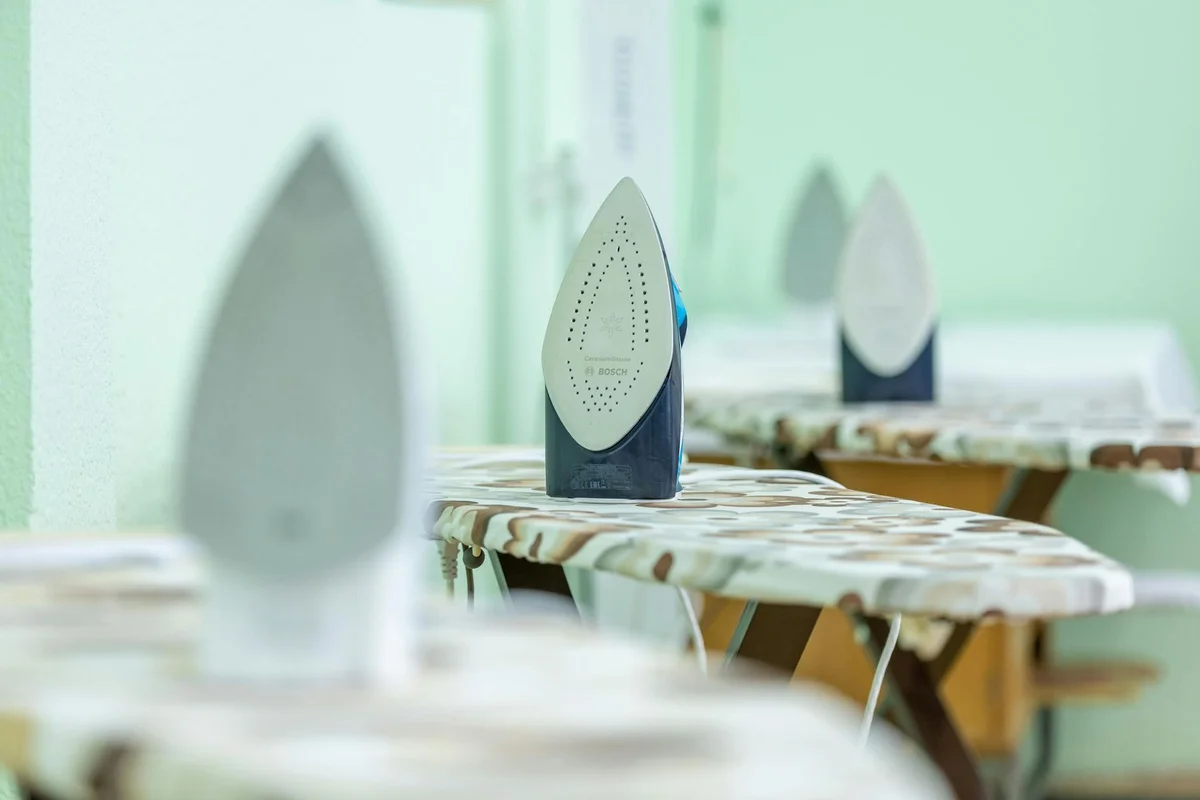
Think of this as a routine built on how the fibers themselves behave. Cotton swells with water. Linen is strong but stiff. Your job is to work with those traits, not against them.
Washing: Temperature, Detergent, and Cycle Choices
Your washing machine is a chamber of controlled agitation. Getting the settings right prevents most problems before they start.
For cotton, I treat warm water (40°C/104°F) as my standard for whites and colorfast items, as it helps lift everyday soil. For bright reds, deep blacks, or new garments, I always switch to cold. A gentle or permanent press cycle reduces stress on the fibers and seams.
Linen prefers a cooler, gentler approach. I wash it in cold or lukewarm water on the delicate cycle. This minimizes the abrasion that leads to excessive wrinkling. Use a mild, liquid detergent. Powders can leave residues on linen’s textured surface.
Always check the care label first. This is non-negotiable for blends or structured pieces like a tailored cotton-linen cardigan, where the fabric’s memory depends on gentle handling.
Hand Washing Delicate Linen Cotton Items
For a fine hand-embroidered cotton saree or a loosely woven linen top, hand washing gives you total control.
- Fill a clean basin with lukewarm water and dissolve a gentle soap like castile or a wool wash.
- Submerge the garment and let it soak for no more than 10-15 minutes. Gently agitate with your hands.
- Drain the soapy water. Refill with cool water to rinse, pressing the water through the fabric-never wring or twist.
- Lift the item, support its weight, and lay it flat on a clean towel. Roll the towel to blot out excess moisture.
Drying: Air Dry, Tumble Dry, or Line Dry?
Heat is the main enemy of dimension. I recommend air drying flat or on a line as the safest method for both cotton and linen. It uses zero heat and places no stress on the fibers.
If you must use a dryer, choose the lowest heat setting or air-only (no heat) tumble. High heat shocks the fibers, causing cotton to shrink and linen to become brittle. For linen, line drying while giving the fabric a gentle downward smooth with your hands helps prevent deep-set wrinkles.
Here’s my ironing tip: remove cotton items from the dryer while they are still slightly damp. It makes pressing much easier.
Ironing for a Crisp Finish: Heat Settings and Steam
These fabrics can take-and often need-high heat. Steam is your ally.
Cotton irons best on a high heat setting with plenty of steam, while the fabric is still slightly damp from the wash or a misting. Move the iron in slow, steady strokes along the grain of the fabric.
Linen demands a similar setting but even more moisture. Iron linen while it is still quite damp from the wash for the crispest, smoothest results. If it’s already dry, use a spray bottle to dampen it thoroughly. A shot of steam from the iron often isn’t enough to penetrate linen’s dense fibers. This approach helps prevent and remove iron wrinkles on linen, keeping the fabric smooth and easy to press. By maintaining moisture, you can minimize wrinkles before they set.
Troubleshooting Common Issues: Shrinkage, Wrinkles, and Color Loss
Even with perfect care, things happen. Here’s what’s going on and what you can try.
Why Did My Cotton Shrink? And Can I Fix It?
True shrinkage in cotton happens when heat and agitation cause the fibers to permanently tighten and compact. Think of it like a sponge that compresses and hardens. It’s largely irreversible.
You can attempt a gentle fix while the garment is wet. Lay the shrunken item flat on a towel, gently stretch it back to shape with your hands, and let it air dry completely in that position. This might recover some width or length, but don’t expect a miracle. Linen, in contrast, is far more dimensionally stable. It experiences minimal shrinkage unless blasted with very high, direct heat. In fact, linen is one of the fabrics least prone to shrinkage during washing.
Managing Linen’s Natural Wrinkles: Embrace or Erase?
This is an aesthetic choice. The casual, rumpled look of linen is part of its charm. If you prefer a sharper look, you have options.
Hang the garment in your bathroom while you take a hot shower. The steam will relax many of the wrinkles. This method is especially helpful for cotton and wool fabrics that tend to wrinkle easily. A commercial wrinkle-release spray or a light mist of water from a bottle can work wonders too. For a pristine finish, iron as described above while the fabric is damp. For cotton and wool fabrics, a light touch with the iron will help remove wrinkles without crushing the fibers. The wrinkles belong to the fabric, but you decide how pronounced they are.
Colorfastness: How to Keep Dyes from Fading or Bleeding
Many dyes on cotton, like direct dyes, have a weaker bond to the fiber. They can release color in water, especially warm water. Vat or reactive dyes are more stable, but you often don’t know which was used.
Before the first wash, do a home test. Dampen a white cotton cloth or paper towel. Rub it firmly on an inside seam or hem. If you see color transfer on the white cloth, treat that garment as prone to bleeding. Wash it separately or with similar colors.
To protect colors long-term, always wash in cold water and turn garments inside out. This reduces abrasion on the dyed surface and helps maintain the permanence of fabric dyes.
When to Hand It Over: Dry Cleaning vs. Home Laundry for Special Items
Linen and cotton are famously robust and washable. I almost always recommend home laundering for them. It’s gentler on the fibers over time and better for your wallet.
But sometimes, the safest path for your garment is to hand it to a professional. This decision isn’t about the core fabric’s weakness, but about everything else attached to it.
Think about a linen-cotton blend suit or a heavy, embroidered saree. The plant fibers themselves can handle water. The challenge lies in the inner structure-the interfacing that gives a collar its shape-or the meticulous hand-stitching that holds an intricate border. These elements can distort or dissolve in a home washing machine. Professional dry cleaning uses solvents, not water, to clean without causing this structural agitation.
Decoding Care Labels: What Those Symbols Really Mean
Care labels can seem cryptic, but for linen and cotton, they’re usually straightforward. A washtub symbol means you can wash it. A circle means dry clean. Understanding these laundry care symbols is key to proper garment care.
The dots inside the symbols are your temperature guide. One dot is for cool (30°C/85°F), two dots for warm (40°C/105°F), and three for hot (50°C/120°F). For most colored linens and cottons, I stick to the one or two-dot cool/warm settings to prevent dye migration and shrinkage.
A “dry clean only” label on a simple linen shirt often surprises people, but it usually points to the dye, not the fiber. Some vivid or natural dyes are not colorfast in water and will bleed dramatically. Other times, a “linen blend” contains a small percentage of another fiber, like viscose, that is notoriously unstable when wet and must be professionally cleaned to retain its size and shape.
Handling Structured Garments and Delicate Weaves
If a garment is built to hold a specific shape, trust the professionals. This includes:
- Blazers and suit jackets with canvas interfacing.
- Formal dresses with boning or complex internal structures.
- Heavily beaded or sequined items where threads can snap in a washer.
For heirloom items, like a fine damask linen tablecloth or a handwoven cotton saree, professional cleaning is an investment in longevity. This is especially true after a stain incident. Trying to scrub candle wax or an old red wine stain from a delicate weave at home can set the stain permanently or damage the yarns.
Understanding what your fabric is, and what’s been done to it, gives you the power to choose the safest care path. You can confidently wash your basic linen trousers, yet know that your linen-blend structured blazer deserves a specialist’s touch. That knowledge is the real key to keeping your favorite pieces for years.
Final Notes on Fabric Longevity
The single most powerful tool for keeping linen and cotton clean is speed. Act fast when a spill happens, and always start with cool, clear water. This simple habit prevents most stains from setting and protects the fibers from harsh chemical treatments they don’t need. Think of it as the first and most important rinse cycle for your garment’s life.
Your care choices shape a fabric’s entire lifespan. I see textile science as a practice of stewardship-learning how fibers like wool, silk, or nylon react to heat, pH, and mechanical action lets you mend, refresh, and rewear with confidence. Every informed wash, every stain treated gently, is a step toward a more thoughtful and sustainable relationship with the clothes you own.
References & External Links
- How To Remove Stains From Linen | Piglet in Bed US
- Caring for Linen: How to Wash, Dry, Iron and Remove Stains – the thread
- How to Remove Stains From Different Fabrics | Barn & Willow
- How to Get the Worst Stains Out of Linen
Written by Florian Ventura. Florian is a high fashion blog writer, fashion and fabric expert and a keen expert in fabric, clothing and materials. She has worked in large textile and fashion houses for over 10+ years, engineering and working with various fabric types and blends. She is an expert when it comes to questions on any and all kinds of fabrics like linen, cotton, silk, jute and many more. She has also traveled around the world studying traditional fabrics and aims to bring them into the modern fashion use.