
How Do You Stiffen Fabric at Home?
Your project needs crisp, defined shape, but your fabric feels limp. Don’t worry-giving fabric body is a simple, age-old trick in the textile world.
From my lab to your laundry room, I’ll explain how to do it right. We will cover the simple science of starch, modern spray alternatives, and the right methods for your specific fabric, from cotton to delicate silks.
The Textile Science of a Stiff Finish
Think of stiffening fabric like using hair gel. You are adding a substance that coats or saturates the fibers to restrict their natural movement and lock them in place. The result is a crisp hand, more defined shape, and fabric that stands up on its own.
The most important concept is the divide between temporary and permanent stiffening. Temporary stiffeners are water-soluble, meaning they wash out completely, while permanent ones use water-resistant polymers that survive laundering. This is the key to choosing your method.
Not all fabrics accept stiffeners the same way. Their molecular structure dictates the result. Cellulose fibers like cotton and linen are thirsty. They have hydroxyl groups that readily bond with starches and gums, making them ideal for classic methods. Protein fibers like wool and silk are more finicky. They can be stiffened, but acidic conditions often work better to align their complex chains. Synthetic fibers like polyester and nylon are smooth and non-absorbent. Most stiffeners just sit on their surface, which can lead to flaking if not done correctly.
So, how do you permanently stiffen fabric? You move beyond natural, water-soluble gums and into the world of acrylic and vinyl-based polymer solutions. These formulations create a flexible plastic matrix around the fibers that does not dissolve in water, giving you a durable, wash-resistant hold. Be cautious, as some adhesives can affect fabric properties, including shrinkage and care requirements.
Your Stiffening Toolkit: From Pantry to Craft Store
Your options break neatly into two camps: what you can mix up at home for a temporary fix, and what you buy for a lasting result.
Temporary & Homemade Methods
These are perfect for craft projects, costume pieces, or seasonal decorations where washability isn’t a concern.
To stiffen fabric with cornstarch, you make a gelatinous paste. Mix one part cornstarch with two parts cold water until smooth, then heat it gently while stirring until it thickens to a pudding-like consistency. Let it cool, brush it onto your fabric, shape it, and let it dry completely. I’ve used this for decades on cotton muslin to make delicate, stand-up Christmas angels. It gives a nice, crisp finish but will soften and dissolve in humidity or water, unlike glue used for nylon fabrics.
Stiffening fabric with sugar (or a sugar-glue mix) creates a rock-hard, crystalline shell. Dissolve a large amount of sugar in a small amount of hot water, sometimes with a splash of white glue added. Soak the fabric, shape it, and dry it thoroughly. This is fantastic for intricate fabric ornaments that need to hold a severe shape. A major warning: it can attract insects and will get very sticky in humid conditions.
Can you use hairspray to stiffen fabric? Yes, but in a very limited way. Hairspray works as an ultra-light, temporary hold for sheer fabrics like veils or stabilizing a single layer of lace for cutting. It yellows over time and is not washable. I only recommend it for very short-term, indoor use.
Permanent & Commercial Solutions
When you need stiffness to survive handling, weather, or washing, you need a chemical solution that forms a water-resistant bond.
Liquid fabric stiffeners (brands like Aleene’s are common) are acrylic polymer emulsions designed specifically for this job. You can dip, brush, or spray them on. As the water evaporates, the acrylic particles fuse into a clear, flexible film around the fibers. They are machine-washable on gentle cycles once fully cured.
Diluted white glue (PVA glue) or fabric-specific versions like Mod Podge work on the same principle. Thinning these glues with a little water allows for better fabric penetration and a less plasticky feel, while still providing a permanent, water-resistant stiffen. They are excellent for mixed-media art and fabric sculptures.
For outdoor projects, like fabric flags or garden art, look for UV-resistant fabric stiffener sprays. These contain additives to prevent sunlight from breaking down the polymers and turning them brittle.
For heavy-duty structural work-think fabric armor or large sculptural forms-textile artists sometimes use diluted wood glue or acrylic matte medium. These provide an extremely rigid hold.
My non-negotiable pro-tip: always test your chosen method on a scrap of the same fabric first. Testing a scrap allows you to check for discoloration, assess the final hand feel, and ensure the stiffness level is exactly what you want before committing your whole project.
Matching the Method to Your Fabric
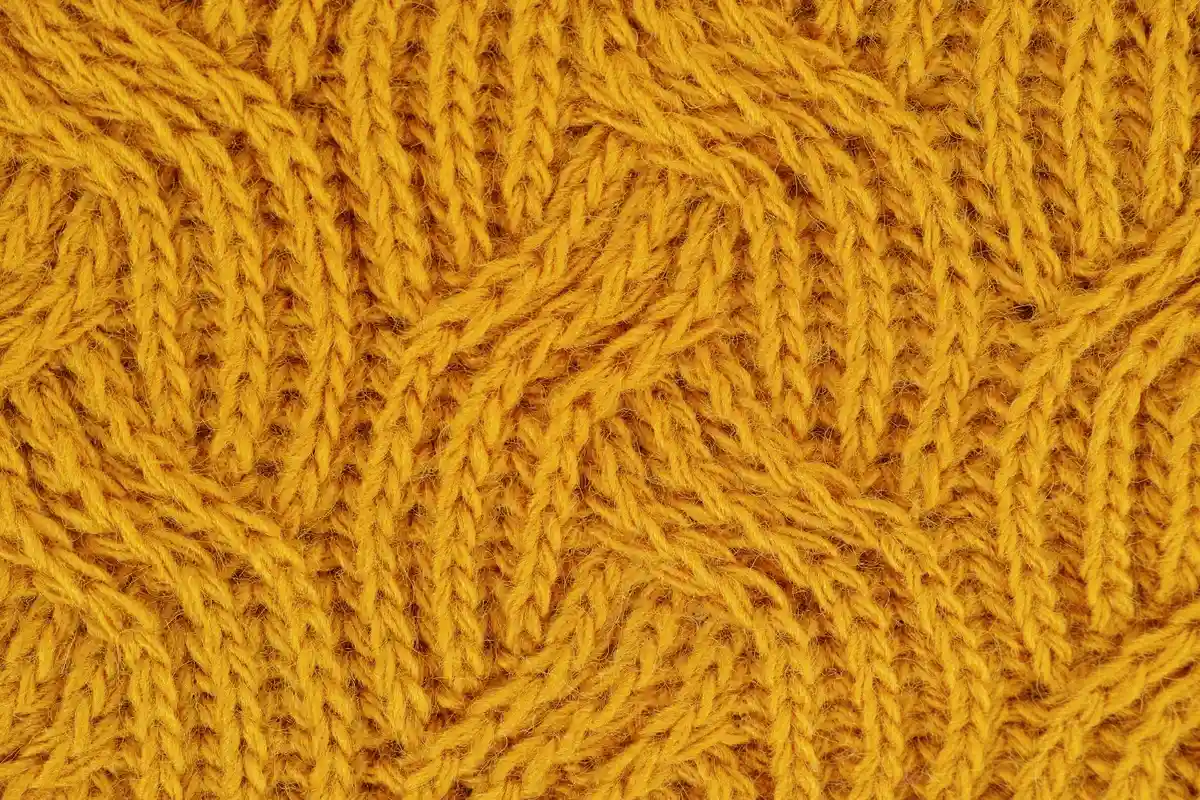
Choosing the right stiffener is like picking the right thread. The fiber content of your fabric dictates what will bond with it. Sometimes a starch stiffening option is worth considering for a crisp hand on compatible fibers. Starch can be a simple, DIY-friendly way to stiffen fabric when it’s a good match. Get this wrong, and you get a limp result or a damaged textile. Let’s match them up.
Cotton, Linen, Burlap (Cellulose)
These plant based fibers are the champions of stiffening. Their molecular structure loves to absorb and hold onto stiffening agents. For a classic, crisp hand that can be washed out, nothing beats a good liquid or spray starch. Mix it stronger than the bottle says for serious structure.
Want something more permanent for a craft project? I often use a diluted white glue solution. For burlap, which is loosely woven, this method is perfect. Mix one part PVA white glue with one part water. Soak the burlap, wring it out gently, and shape it over your form. It dries clear and very rigid, ideal for rustic baskets or ornaments.
Sheers, Tulle, Organza (Synthetics/Nylon)
These fabrics are about loft and airiness, not a dense stiffness. Heavy agents will weigh them down and ruin their drape. Your goal here is a light, temporary hold that doesn’t saturate the delicate mesh. A light misting with spray starch from a distance is your best tool.
Holding the can about 12 inches away, apply a very fine coat. Let it dry completely. You can add another light coat if needed. The key is to avoid any wet spots. If the fabric gets soaked, it can dry with a hard, spotty finish that’s nearly impossible to fix.
Wool & Felt
You can stiffen wool and felt, but you must proceed with caution. For boiled wool restoration felting, you want to balance stiffness to support the repair without over-felting. The scales on wool fibers can mat and fuse together if the stiffener is too thick or applied incorrectly. Always test your method on a scrap piece first to check for matting or discoloration.
A diluted liquid starch or a very thin glue solution can work. Apply it with a sponge brush. The magic tool here is steam. After applying the stiffener and while the fabric is still damp, use a steaming iron (hover, don’t press) to help set the shape. The heat and moisture help the fibers accept the new form. Consider eco-friendly, DIY stiffeners made from starch or plant-based materials. They let you customize stiffness without harsh chemicals.
Polyester & Blends
Synthetic fibers like polyester are hydrophobic. They repel water based starches, so those washes right out. In fabric physics, hydrophobic and hydrophilic properties influence how fibers interact with moisture and treatments. Understanding this helps explain why additives or finishes behave differently on synthetics. For reliable stiffness on polyesters and common blends, you need a permanent bonding agent like fabric glue or a commercial stiffener labeled for synthetic fabrics.
These products contain acrylics or other polymers that create a flexible shell on each fiber. Follow the bottle instructions closely. They usually require painting on the solution and allowing a full 24 to 48 hours to cure for maximum hardness.
Velvet & Silk (Delicates)
My professional advice here is often to avoid topical stiffeners altogether. Velvet’s pile can be crushed, and silk’s delicate protein fibers can be stained or weakened. For these precious textiles, sew in interfacing is almost always a safer and more professional choice.
If you must apply something, like for a small costume piece, use the lightest possible hold. Hold a spray starch can a full 18 inches away and mist the air, letting a fine dusting settle on the fabric. Never soak it. The risk of damage is high, so interfacing is the wiser path.
Step-by-Step: Stiffening for Common Projects
The project changes the game. What works for a tiny sculpture fails on a sun exposed banner. Here are my tested methods for specific jobs.
How to Stiffen a Fabric Belt
For a new belt, the best stiffness comes from within. Fuse or sew a heavy weight, woven interfacing between your fabric layers; this creates body that won’t wash out or crack. For a belt that’s already made, you need a topical treatment.
- Mix a fabric stiffener or a 50/50 white glue and water mix.
- Lay the belt flat on a protected surface. Using a foam brush, apply a thin, even coat to one side.
- Let it dry completely. This can take a few hours.
- Flip the belt and repeat on the other side.
- For extra rigidity, apply a second thin coat to each side after the first is fully dry.
- While the final coat is still tacky, you can drape the belt over a rounded form (like a large jar) to encourage it to hold a gentle curve that matches your body.
How to Stiffen Fabric for a Hat
Milliners have used buckram for centuries for a reason. This open weave fabric coated in starch is the undisputed gold standard for creating permanent, shapable hat foundations. You wet it, mold it on a wooden hat block, and it dries rock hard.
To stiffen a decorative fabric you want to use as the outer layer, you have two options. You can apply multiple thin coats of a commercial stiffener to the fabric *before* shaping it on the block. Or, you can make a buckram base and then cover it with your fabric, which is the more professional and durable method.
How to Stiffen Fabric for Sculpture
This is where you get your hands dirty. Sculpture needs a heavy, permanent set. Fully saturate your fabric in a stiffening medium; you’re not coating it, you’re transforming it into a new material.
- Prepare your armature (wire, cardboard form).
- In a tray, mix a 50/50 solution of white glue and water. For heavier fabric, use less water.
- Submerge your fabric piece (cheesecloth, muslin) in the mixture. Work it with your hands until it’s completely soaked.
- Wring out the excess so it’s not dripping.
- Drape and shape the fabric over your armature, manipulating it into folds and textures.
- Allow it to dry for at least 48 hours in a warm, well ventilated area. It will be very hard and light.
How to Stiffen Fabric for Outdoor Use
Sun, rain, and wind are your enemies here. A regular starch or glue finish will melt in the rain and become brittle in the sun. You must use a stiffener specifically formulated for outdoor use, as it contains UV inhibitors and waterproofing resins.
Follow the product’s application instructions precisely. Often, multiple coats are needed. For a project like a garden flag, consider using an acrylic medium mixed with a textile hardener, which artists use for outdoor installations. Remember, no stiffener is truly permanent outdoors. Plan for eventual degradation and reapplication if you want the piece to last for seasons.
Care and Washing for Stiffened Fabrics
This is the part most guides forget. You’ve stiffened your fabric perfectly, but what happens next? How you clean and store it determines whether your project lasts.
Washing Out Temporary Stiffeners
Starch, sugar water, and gelatin are temporary by design. They dissolve in water. If you change your mind about a stiff collar or a craft project, simply soaking it in lukewarm water will soften the fabric completely. The starch or sugar molecules release their hold, washing away down the drain. It’s like rinsing sugar off a spoon.
This solubility is your reset button, letting you remove stiffness whenever you want.
Caring for Permanently Stiffened Items
Items treated with permanent stiffeners like commercial fabric stiffeners (often PVA or acrylic-based) or diluted white glue require a gentle touch. Water is their enemy over time.
- Cleaning: Hand-wash in cool water only if absolutely necessary. Use a mild detergent and avoid scrubbing. I prefer spot cleaning with a damp cloth to minimize contact with water.
- The Machine Wash Warning: Do not machine wash these items. The agitation and spin cycle will physically crack and break down the stiffener coating. It will also leave a cloudy, sticky residue inside your washing machine that can transfer to other clothes.
- Drying: Always air dry flat. Never use a tumble dryer, as the heat will cause cracking and irreversible damage to the stiffened structure.
Smart Storage for Longevity
How you store a stiffened piece prevents permanent damage. The goal is to support the shape and avoid stress points.
Keep items flat when possible. For 3D items or hats, gently stuff them with acid-free tissue paper to maintain their form. Always store in a cool, dry place. Avoid attics or near heaters, as extreme heat can make some stiffeners brittle or tacky.
Proper storage prevents the stiffener from cracking along fold lines, which is a common and unfixable problem.
A Professional’s Preferred Method
In my studio, for clothing that needs to hold its shape through wear and washing, I almost never use a topical stiffener. I use interfacing.
Interfacing is a separate layer of fabric, often fusible or sew-in, that you attach to the wrong side of your main fabric. It adds structure from the inside out. A crisp cotton shirt collar uses interfacing. So does a tailored jacket lapel.
For wearable items, interfacing is a far more durable and washable solution than any spray or soak applied to the surface. It becomes part of the garment’s architecture, not just a coating that can wash away or crack.
Your Fabric, Your Form
Always match your stiffening method to your fabric’s fiber. A starch spray works wonders on crisp cotton but will flake on stretchy polyester. If a fabric feels overly stiff, softening steps can help you balance drape and comfort. Getting this match right is the difference between a perfect finish and a disappointing mess.
Care for your stiffened items gently to make them last, and think of each treatment as part of the fabric’s longer story. Learning how fibers react teaches you to choose materials mindfully, for projects that are both beautiful and built to endure.
Related Guides and Information
- How to Stiffen Fabric: 14 Best Fabric Stiffener Unveiled
- How To Stiffen Fabric The Easy Way And 5 DIY Fabric Stiffeners You Can Make At Home ⋆ Hello Sewing
- Fabric Stiffener 101: Your Complete Guide – Mod Podge Rocks
Florian is a high fashion blog writer, fashion and fabric expert and a keen expert in fabric, clothing and materials. She has worked in large textile and fashion houses for over 10+ years, engineering and working with various fabric types and blends. She is an expert when it comes to questions on any and all kinds of fabrics like linen, cotton, silk, jute and many more. She has also traveled around the world studying traditional fabrics and aims to bring them into the modern fashion use.