
How Do You Care for Silk Without the Fear of Ruining It?
That “Dry Clean Only” tag on your silk blouse or sheets doesn’t have to be a life sentence. I’ve tested silk in the lab and at home, and I can show you how to handle it with confidence.
We’ll move from theory to practice, covering how silk’s structure reacts to water and heat, a foolproof method for hand-washing silk garments, the safest ways to dry ties and bedding, and spot-cleaning tricks for daily upkeep.
What Is Silk and Why Does It Need Special Care?
Think of silk as the fine, expensive hair on your head. It’s a protein fiber, spun by silkworms, and that biological origin is everything. Just like human hair, silk is strong but also surprisingly delicate. It has a mind of its own when it gets wet.
When dry, silk has remarkable tensile strength. You can tug on it. But introduce water and heat, and its personality changes. The fibers swell, become tender, and can lose their shape permanently if handled roughly. Its legendary sheen comes from the triangular structure of the fiber that refracts light, a quality harsh scrubbing can dull.
Let’s compare. Cotton is a plant fiber; you can generally wash it with vigor. Polyester is a plastic; it’s tough and shrugs off moisture. Silk is neither. Silk lacks the elasticity of wool or synthetics, so once it’s stretched or shrunk while wet, it won’t spring back. This is the core of all silk care science, distinguishing it from other fabrics like linen, cotton, wool, or polyester that have varying degrees of stretch and recovery.
This behavior dictates its use. A silk tie uses a tight, crisp weave to hold a knot. Silk bedding relies on a smooth, satin weave to feel cool against your skin. A silk saree or blouse uses a fluid weave for a beautiful, liquid drape. Mishandling any of these ruins the very property you bought them for.
When I see searches like “silcare tipsy” or “silcare nip spolka,” I hear people looking for a magic solution. The real secret isn’t a single product. It’s respecting silk’s protein-fiber nature: gentle cleaners, cool temperatures, minimal agitation, and no harsh heat.
The First Rule: Check the Label and Know Your Silk
Your care label is the first conversation with the garment’s maker. For silk, you’re looking for two symbols above all: the hand wash symbol (a basin with a hand) and the dry clean symbol (a circle). A circle often means “dry clean only,” and for complex constructions like structured blazers or heavily embellished pieces, you should listen. To keep silk looking its best, follow silk care simplified guidelines. In the next steps, we’ll translate those symbols into a quick, practical checklist.
Not all silk is created equal. The weave changes the game completely. A heavy, textured dupioni silk can often handle a gentle hand wash, while a delicate silk charmeuse or a stretchy silk knit is much more prone to water spotting and distortion. Treat a crisp silk taffeta like a wafer-thin cookie; it wants to stay dry and crisp.
Before you do anything, do a quick home test. Find a hidden seam. Dab a cotton swab with cool water and a drop of mild detergent. Blot gently on the fabric. Check the swab for color transfer. If dye bleeds, washing the whole piece is a major risk. For fiber content, the burn test is classic. Snip a tiny thread: silk burns slowly, smells like burning hair, and leaves a crushable black ash. Polyester melts and beads.
Many silks are blends. Silk with polyester becomes more durable and less prone to water damage, but can still be heat-sensitive. Silk with cotton becomes more absorbent and may shrink more predictably, like cotton does. For blends, cater your care to the most delicate fiber in the mix-usually the silk.
Dry Cleaning vs. Home Laundry: When to Choose Which
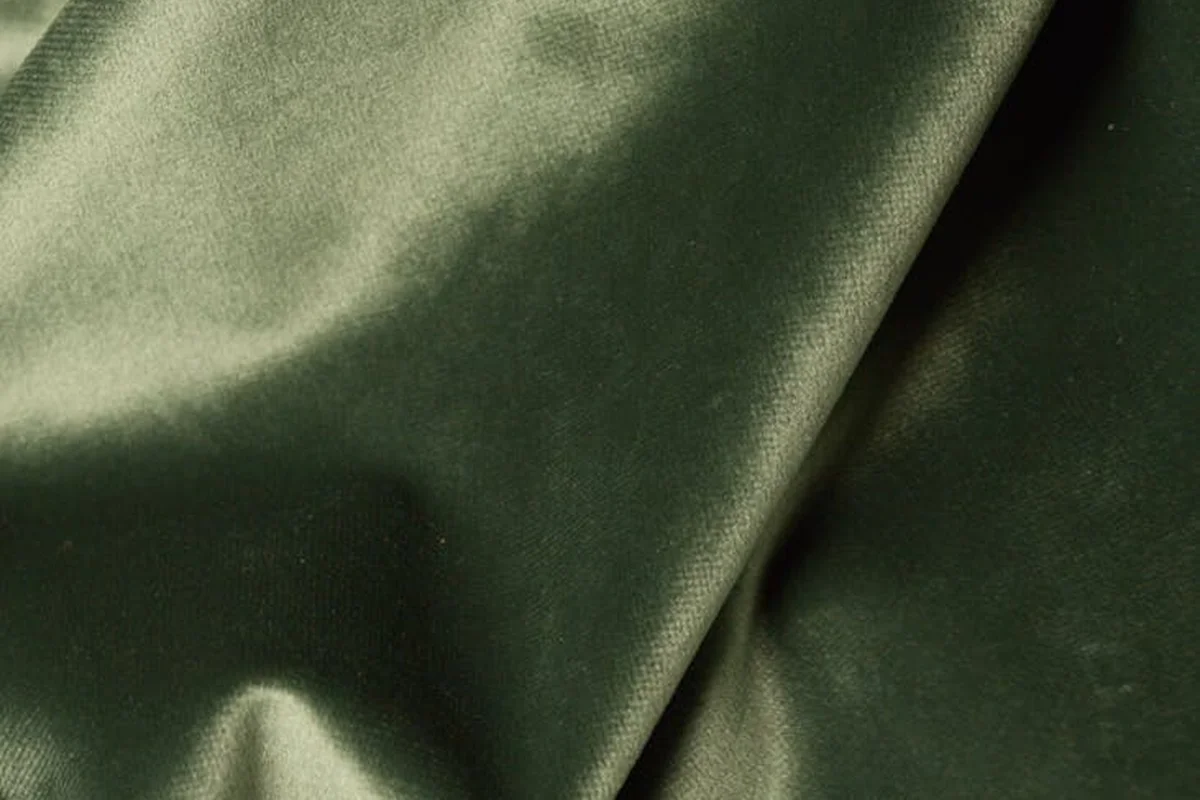
Yes, you can dry clean silk. Yes, silk can be washed. The real question is which method gives your specific item the best chance for a long, beautiful life.
Think of silk fibers as delicate protein strands. They are strong when dry but become more vulnerable when wet. Dry cleaning uses a solvent, not water, to lift away oils and soil. This process protects the fabric’s shape and the vibrancy of its dyes, which is why it’s the default for certain pieces.
- Items best for dry cleaning: Structured blazers or suits (the interlining and padding can warp), heavily beaded or sequined pieces (threads weaken when wet), vintage silk (older dyes and finishes are less stable), and any garment with a “Dry Clean Only” label you aren’t willing to test.
- Items safe for home care: Most neckties and scarves, silk pillowcases and bedding, simple silk blouses, and unlined sarees or dresses. These items are often designed with simpler construction and more stable dyes.
Dry cleaning is less about cleaning and more about preserving structure and complex dye jobs that water might disturb.
Hand Washing Silk: The Gold Standard Method
Can you hand wash silk? Absolutely. For most items in your wardrobe, this is the safest and most controlled method. I treat my own silk scarves and blouses this way.
You need a clean basin or sink, cool water (never warm or hot, as heat can cause shrinkage and damage the fibers), and a pH-neutral detergent made for silk or fine washables. Regular soap or alkaline detergent is too harsh and can leave a dull film.
- Fill your basin with cool water and add a small amount of silk detergent. Swirl to mix.
- Submerge the silk item. Gently swish it through the water for a minute or two. Never scrub, twist, or wring.
- Let it soak for no more than 3-5 minutes. Longer soaks risk dye transfer or fiber damage.
- Drain the soapy water. Refill the basin with fresh, cool water and gently swish again to rinse. Repeat until the water runs clear.
- To remove water, press the garment against the side of the basin. You can also roll it in a clean, absorbent towel.
Hand washing with cool water and the right detergent gives you complete control, minimizing the risks of shrinkage, dye loss, and texture change.
For a long silk saree, I fold it loosely back and forth like a paper fan before submerging it. This keeps the length manageable and prevents the delicate fabric from tangling into a tight knot during the wash.
Machine Washing Silk: A Calculated Risk
Can you wash silk in the washing machine? You can, but treat it as a careful experiment, not a routine. I only recommend this for robust, colorfast items like plain silk pillowcases or a simple charmeuse camisole.
If you proceed, your machine must have a true delicate or hand wash cycle. Use cold water only and place the silk item inside a zipped mesh laundry bag for protection.
Set the spin cycle to the lowest possible setting or, ideally, no spin at all. The high-speed agitation and spinning of a regular cycle will cause excessive friction and can stretch or tear the wet fibers.
Never wash silk with heavier items like jeans or towels, as the abrasive motion will felt and pill the delicate surface.
For silk bedding like pillowcases, machine washing on a gentle cycle is often an acceptable time-saver. The repeated, smooth friction against your skin and hair actually makes these items more durable than a delicate silk blouse. Just always use that mesh bag and cold water.
How to Dry Silk Correctly (The No-Heat, No-Wring Way)
Here is the most important rule in silk care: never use heat. Let me answer the common question directly. Can silk go in the dryer? The answer is a definitive, absolute no. I have seen the results in the lab, and it’s not pretty.
Heat is silk’s enemy. Your goal is to remove water gently, without stressing the delicate protein fibers.
Wringing or twisting wet silk is a sure way to cause permanent distortion and breakage. Instead, use the roll-in-a-towel method. It’s my go-to technique for every silk item I own.
- Lay a clean, thick, absorbent bath towel flat.
- Place the wet silk item on top, smoothing it out.
- Starting at one end, slowly roll the towel and silk together into a tight cylinder.
- Press firmly along the roll or even stand on it. The towel will blot out a huge amount of water safely.
This method pulls moisture out through capillary action, mimicking how the silk fiber naturally wants to behave, without the crushing force of wringing.
Air-Drying: The Only Safe Method
After blotting, your silk is damp, not soaked. Now, air-drying is key.
For silk bedding like sheets or pillowcases, lay them flat on a clean, dry towel or a mesh drying rack. Reshape them to their original dimensions. I flip them once during drying to ensure even airflow.
For garments, use a padded hanger. The thin, wire hangers can leave sharp creases and poke through the fabric. Button up shirts and gently smooth out the seams. Pants should be hung from the cuffs or waistband on a trouser hanger.
Never hang a heavy, sopping wet silk garment, as the weight of the water can stretch it irreparably; always blot first.
The Science of Water Spots and Lost Luster
Improper drying causes two main problems: water spots and a dull finish. Water spots happen when minerals in your water are deposited on the fiber as a droplet evaporates. Because silk dries quickly, these spots get locked in.
The loss of that beautiful luster, or “silken hand,” is more subtle. Aggressive wringing or high heat damages the smooth, scaly structure of the fibroin protein that makes up the silk filament. Think of it like scratching a polished gemstone. The surface becomes microscopically rough, scattering light instead of reflecting it cleanly.
What Happens in the Dryer?
Let’s finally address the question: can you dry silk in the dryer if you use no heat? Even the air-fluff setting involves tumbling, which is too abrasive. But heat is the true destroyer.
The damage is irreversible. Heat causes the silk fibers to become brittle and lose their natural elasticity. They shrink dramatically and often become permanently wrinkled in a cramped, crinkled state. The fabric can develop a harsh, papery texture. I’ve tested this. The tensile strength plummets, meaning your silk blouse or scarf will tear far more easily after just one hot dryer cycle.
Treating silk with a gentle, patient drying process preserves its strength, drape, and luminous beauty for years, making the extra care absolutely worthwhile. This is especially vital for vintage silk preservation and restoration, where aging fibers demand careful handling. It aligns with established textile conservation principles.
Ironing and Steaming Silk for a Crisp Finish

Heat is the trickiest part of silk care. Too little, and wrinkles remain. Too much, and you permanently cook the fibers. I treat my iron like a precision tool for this job. That same precision extends to linen, where ironing temperature is equally critical. I treat linen with a measured heat and brief passes to protect the fibers.
Set your iron to the silk or wool setting, which is typically around 300°F or 150°C maximum. This is your safe zone. Always test on an inside seam first. Never use steam from the iron directly onto the silk during this process, as it can cause water spots.
How to Iron Silk Properly
Silk should be slightly damp when you iron it. If it’s dry, use a fine mist spray bottle with distilled water to dampen it evenly. This allows the hydrogen bonds in the protein fibers to relax and reset smoothly.
Turn the garment inside out. Iron only on the reverse side. The direct heat and pressure from the iron’s soleplate can easily damage the delicate surface of silk, leaving a mark you can never remove.
For absolute safety, I never let my iron touch the silk directly. I place a clean, thin cotton cloth, like a pillowcase or a dedicated pressing cloth, between the iron and the fabric. This diffuses the heat and prevents any chance of creating a shiny, polished spot called “iron shine,” which is actually a flattened, scorched fiber.
Move the iron in steady, gliding motions. Do not press down and hold in one spot. Think of it as smoothing, not stamping.
Why Steaming is Often the Better Choice
For most silk items, especially delicate blouses or printed scarves, steaming is the gentlest method. A handheld steamer or the steam function on your iron (held an inch away from the fabric) uses heat and moisture without any pressing contact, unlike using steam for linen fabric.
Hang the item and pass the steam over it. The wrinkles will release as the fibers absorb the moisture and relax. Steaming is ideal for silk velvets, brocades, or any fabric with a texture or pile that an iron would crush.
The Special Case of Silk Ties
Silk ties are a nightmare to iron. The fabric is often a tight weave, layered, and interlined. Direct ironing will almost certainly create a visible, glossy streak right down the front. That’s why ironing silk, linen, and other delicate fabrics requires a gentler approach. Using a low heat with a pressing cloth helps preserve their sheen and prevent damage.
Here is my method. Hang the tie. Using a handheld steamer, direct the steam at the back of the tie. Gently tug and smooth the fabric with your other hand as the steam penetrates. Let it air dry completely. For stubborn wrinkles, lay the tie flat on a towel, cover it with a damp pressing cloth, and apply the iron to the cloth with very light pressure for just a second or two. Never iron the front.
With ties, patience and steam always beat the quick risk of an iron. A slightly relaxed wrinkle is far better than a permanent shine mark.
Removing Stains from Silk Without Panic
I treat every silk stain like a small chemical spill in my lab. The first rule is speed. The longer a substance sits on the protein fibers, the harder it is to lift out. Your immediate reaction sets the stage for success.
Your only job in the first 60 seconds is to gently blot, not rub, the area with a clean, absorbent cloth. Rubbing grinds the stain deeper into the silk’s delicate structure and can damage the fibers, leaving a worn spot.
Handling Water-Based Stains: Wine, Coffee, Tea
These stains are about dilution and gentle lifting. Silk is a protein fiber, much like hair, and reacts poorly to high heat which can set stains.
- Immediately blot up any excess liquid.
- Turn the garment inside out if possible, and place the stain face-down on a clean white towel.
- Using a second clean cloth dampened with cool or cold distilled water, gently dab from the back of the stain. This pushes the staining substance out onto the towel beneath, not deeper into the fabric.
- If the stain persists, mix a drop of clear, mild liquid detergent (like a wool wash) with a cup of cool water. Dab this solution onto the stain, again working from the back. Rinse by dabbing with a cloth dipped in clean cool water.
- Let the area air-dry completely. Heat from a dryer will permanently set any remaining residue.
Tackling Oil-Based Stains: Makeup, Butter, Salad Dressing
For greasy stains, your goal is absorption first, cleaning second. Water can spread oil, so we start dry.
- Gently scrape off any solid residue with the blunt edge of a knife.
- Liberally cover the stain with a fine powder like cornstarch, talc-free baby powder, or french chalk. This will draw the oil out of the fiber. Let it sit for at least an hour, or overnight for old stains.
- Brush or shake the powder away. You will often see the stain has lightened significantly within the powder.
- For any remaining mark, apply a small amount of mild detergent directly to the area and gently work it in with your fingertips. Let it sit for five minutes, then rinse using the cool-water dabbing method described above.
What Never to Use on Silk
In my dye lab, I see what harsh chemicals do to protein fibers. They cause irreversible damage.
Avoid all chlorine bleach, oxygen bleach, vinegar soaks, ammonia, and harsh stain sticks or sprays, as they can dissolve silk proteins or cause permanent yellowing. Never use enzyme-based (biological) detergents on silk, as they are designed to break down proteins-exactly what your silk is made of.
Fitting Stain Care into Your Silk Routine
Stain removal isn’t a separate crisis. It’s the first step of your wash. After you’ve treated the spot and let it air-dry, assess it. If it’s gone, you can launder the entire item normally by hand to remove any cleaning residue. If a faint shadow remains, repeat the treatment before the full wash. I always air-dry the item flat after any stain treatment to check my work before considering the piece fully clean.
Storing Silk to Prevent Yellowing and Damage

Getting silk clean is one thing, but storing it correctly is what preserves your investment for decades. Think of silk as a living protein fiber, similar to your own hair. It needs to breathe.
Never, ever store silk that is even slightly damp or has any residue of perfume or body oils. These organic compounds interact with the silk protein over time, leading to permanent yellow stains and fiber weakness. Always ensure your silk is impeccably clean and bone-dry before you even think about putting it away.
Choose the Right Container
Airtight plastic is the enemy of long-term silk storage. Plastic traps moisture and can promote mildew. It also off-gasses chemicals that can discolor delicate fibers.
Instead, opt for breathable natural fiber covers. A plain cotton pillowcase or a muslin garment bag is perfect. It allows air circulation while keeping dust and light out. I keep a stack of old, clean pillowcases just for this purpose.
Master the Fold for Long-Term Storage
For items like blouses, dresses, or scarves you won’t touch for a season, how you fold them is critical. Sharp, hard creases held under pressure for months can actually crack and break the silk threads along the fold line.
The solution is acid-free tissue paper. Crumple sheets of it lightly and use them to pad the folds. For example, fold the sleeves of a blouse, then place a soft wad of tissue in the elbow bend before completing the fold. This technique prevents sharp crease lines and absorbs any minimal ambient moisture, acting as a buffer for your fabric.
Caring for Silk Ties
Silk ties are uniquely vulnerable. Hanging them on a regular rack stretches the delicate bias-cut fabric, causing irreversible distortion and wrinkles. The best method is to roll them.
- Lay the tie flat, facing down.
- Starting from the narrow end, gently roll it into a loose cylinder.
- Store the rolls in a drawer or box. They take up less space and maintain their shape perfectly.
If you must hang them, use a dedicated tie hanger with wide, gentle clips or a swing-rack design that supports the full width of the tie.
Storing Silk Sarees and Other Heirlooms
The rule for heavy, ornate silks like sarees is to avoid the same deep fold line every time. Repeated folding in the exact same spot causes mechanical fatigue, leading to tears.
I advise folding the saree loosely with plenty of acid-free tissue padding. Every six to twelve months, refold it differently-alternate between folding in thirds and rolling it loosely around a tube padded with cotton. For the most precious pieces, consider a flat, wide storage box where the textile can lie with minimal folds. The goal is to redistribute stress across the fabric over time, preventing weak spots from forming.
Textile Expert’s Pro-Tips for Specific Silk Items
For Silk Ties
Silk ties are small but complex. Their interlining (the stiff inner layer) and delicate construction demand a gentle touch. For common spills like wine or coffee, act fast. Blot, never rub, with a clean, damp cloth. Work from the edge of the stain inward to prevent spreading.
To wash a silk tie, hand-wash it in cool water with a silk-specific detergent, but you must remove the moisture and reshape it immediately. Never wring it. Instead, roll it in a clean, dry towel to absorb water. Then, lay it flat on a fresh towel, gently reshaping it to its proper width and smoothing out the fabric. Let it air-dry completely away from direct heat.
The lining matters because it’s often a different fiber, like polyester or rayon, which can shrink at a different rate than the silk shell. This mismatch is why machine washing or aggressive soaking often causes permanent puckering and distortion you can’t iron out.
For Silk Bedding
Silk pillowcases are prized for being gentle on skin and hair. To maintain that benefit, wash them more frequently than your sheets-every 3 to 4 uses is a good rule. Body oils and skincare products build up and can degrade the silk fibers over time, dulling their luster.
Dealing with body oils requires a prompt, cool wash with a PH-neutral detergent; hot water can set oils into the fiber. For a fresh pillowcase, a quick hand rinse in lukewarm water can be enough. Always turn pillowcases inside out before washing to protect the outer surface.
Remember, silk and satin are not the same. Satin is a weave, often made from polyester. Polyester satin is durable and cheap but doesn’t offer silk’s temperature regulation or natural feel. Silk bedding is a fiber investment, while satin bedding is a weave/style choice. Care for silk and satin differs, affecting longevity. The care differences between silk and satin will be explored next.
For Silk Sarees and Draped Garments
Silk sarees, especially for a shorter frame, often need hemming. Use a fine, sharp needle and pure silk thread for repairs. A narrow, hand-rolled hem is best. It preserves the drape and is nearly invisible. Machine stitching with standard thread can create a stiff, bulky line that disrupts the fabric’s flow.
To preserve pleats for storage, never fold along the pressed pleat lines; instead, roll the saree loosely around a tube padded with acid-free tissue paper. This prevents deep creases from becoming permanent cracks in the silk. For heavily embellished borders with zari or thread work, wash the body and border separately if you can. Soak the border alone in cool water, supporting the weight to avoid stressing the stitches.
Handling Pro-Tip: Cutting and Repair
Silk has very little “grain stretch.” Unlike a cotton woven that gives slightly along the threads, high-quality silk woven tightly has almost no give. This affects everything.
When sewing, you cannot ease in extra fabric easily. Your pattern pieces must be accurate. For repairs, a patch will lie flat without puckering only if cut perfectly on grain. You must use the sharpest scissors or a rotary cutter; a dull blade will push and snag the filaments, causing runs. Always cut on a single layer of fabric, and if pinning, use the finest silk pins within the seam allowance to avoid permanent holes in the main body of your garment.
Last Notes on Silk’s Nature
Your most important task is to honor silk’s delicate protein structure. Treat it with cool water, gentle motion, and a complete absence of harsh chemicals or high heat.
I encourage you to apply this mindful, science-based approach to every fabric in your care, from the springy loft of wool to the resilient weave of polyester. Learning how fibers react to water, agitation, and temperature is the most powerful tool you have for making your clothes and linens last for years, especially when dealing with wool-polyester blends.
Relevant Resources for Further Exploration
- How to Wash Silk – Fabrics | Tide
- How to Wash and Care for Silk Clothing, According to a Laundry Expert
- How to Care for Silk: Wash, Refresh & Store | EILEEN FISHER | EILEEN FISHER
- How to Care for Silk So It Lasts a Lifetime | Reviews by Wirecutter
- Silk Fabric Care Guide: Expert Tips for Washing & Maintaining Silk – Regal Fabrics
Written by Florian Ventura. Florian is a high fashion blog writer, fashion and fabric expert and a keen expert in fabric, clothing and materials. She has worked in large textile and fashion houses for over 10+ years, engineering and working with various fabric types and blends. She is an expert when it comes to questions on any and all kinds of fabrics like linen, cotton, silk, jute and many more. She has also traveled around the world studying traditional fabrics and aims to bring them into the modern fashion use.