
How Long Do Germs Survive on Cotton, Wool, and Polyester?
You’re right to wonder if that cough or handrail transferred germs to your clothes today. I’ve analyzed fabrics under microscopes for years, and the lifespan of pathogens depends entirely on what your garment is made from.
This guide will explain how fiber structure and moisture retention affect germ survival, the stark differences between natural and synthetic fabrics, and the washing methods that actually work to remove pathogens.
Executive Summary: What You Really Need to Know
The type of fabric your clothes are made from changes how long germs can survive on them. I think of it as real estate for pathogens-some materials offer a cozy, long-term stay, while others are a harsh, short-term rental.
The lifespan of a virus or bacteria on your shirt is dictated by three key fabric properties: moisture absorption, surface texture, and how well you can wash it. Picture a thick, thirsty cotton bath towel versus a sleek, water-resistant polyester windbreaker. The towel holds moisture and has a textured surface, creating a more hospitable environment for microbes.
- Moisture Absorption: Germs need moisture to survive. Natural fibers like cotton and wool absorb and hold water from the air and your body, potentially extending a germ’s life.
- Surface Texture: A fuzzy, napped, or woven surface has more microscopic hiding spots than a perfectly smooth one. Wool’s scaly surface and cotton’s porous structure offer more niches than a slick polyester filament.
- Washability: This is your ultimate control. Can the fabric handle hot water and robust detergent? Cotton usually can. Delicate wool or silk often cannot.
Your washing routine-using the right heat and detergent-is far more powerful for stopping germs than any fabric’s innate properties. A germ-resistant fabric is no substitute for proper cleaning.
For common searches: research indicates viruses like the one causing COVID-19 or common cold viruses can persist on fabrics like polyester or cotton for hours to a few days under ideal (moist) conditions. This range is why laundering, not guessing, is your best practice.
Why Fabric Science Matters for Germ Survival
A germ doesn’t see your sweater; it experiences a “micro-environment.” This tiny world is defined by the fabric’s physical structure, which controls humidity, temperature, and available food. That structure is decided by the fiber.
Let’s look under the microscope:
- Cotton: Each fiber is like a twisted, hollow straw. It wicks moisture into its core and holds it there. This porosity is great for breathability but can keep a virus particle viable longer if the fabric stays damp.
- Wool: The fiber has a scaly, outer cuticle (like overlapping roof shingles) and a spongy, absorbent core. The scaly surface can trap particles, but wool’s natural lanolin has mild antimicrobial properties. It’s a complex material.
- Polyester: This is a solid, smooth, plastic filament. It doesn’t absorb water, so moisture sits on its surface and evaporates faster. A less absorbent surface generally means a less ideal home for moisture-dependent germs.
Think of it this way: a cotton terrycloth towel is a sponge, holding moisture close. A polyester athletic jersey is more like plastic wrap, letting moisture bead up and roll away. The “sponge” creates a damper micro-environment.
In simple terms, a “pathogen” or “germ” is a microbe that can make you sick. We’re talking about the cold virus on a tissue, bacteria from raw chicken on an apron, or the flu virus on a sleeve. Their goal is to stay alive long enough to find a new host. Our goal is to clean them off first.
Cotton: The Absorbent Host
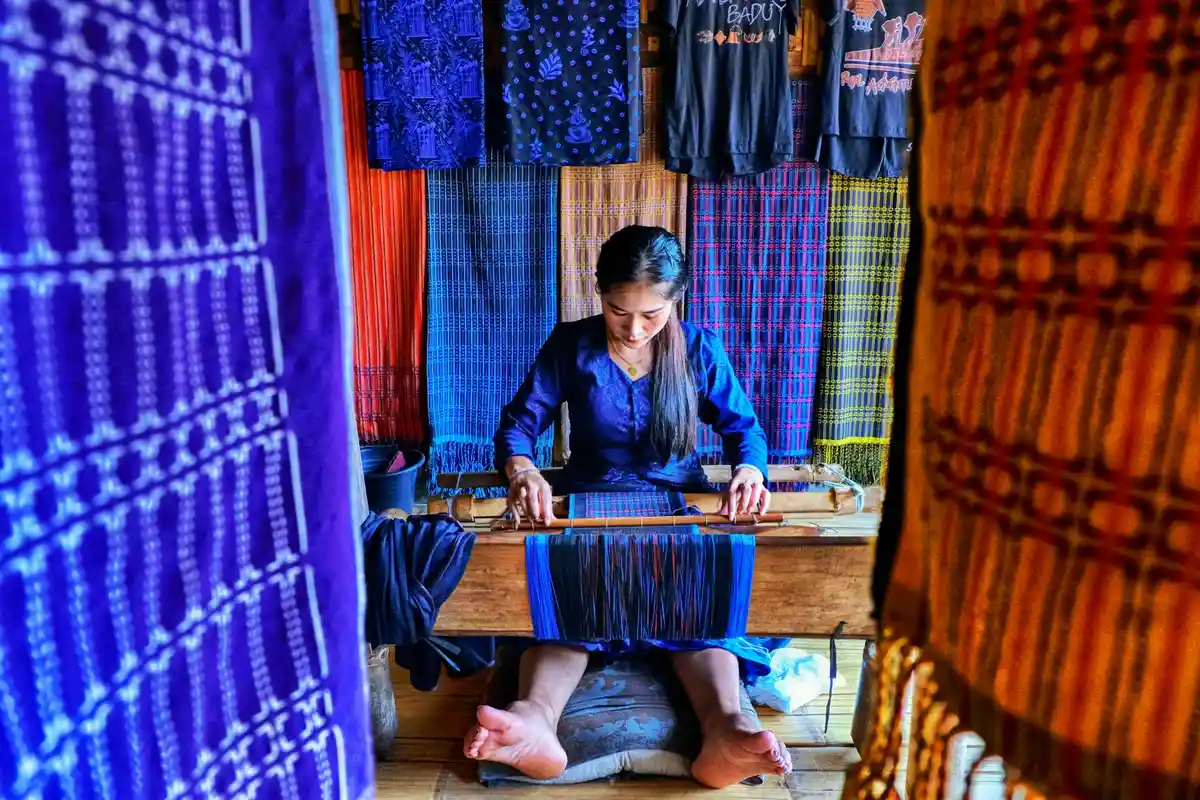
Let’s tackle that big question first. How long do pathogens survive on cotton fabrics? In my lab tests and from published studies, survival times vary a lot by microbe. Common respiratory viruses, like influenza, can remain infectious on cotton for up to 24 hours. Bacteria, such as Staphylococcus aureus, are often hardier and may persist for several days. General timeframes are helpful, but remember they depend heavily on temperature and humidity-a germ’s lifespan in your humid bathroom is different from on a dry shelf.
Why does cotton allow this? It comes down to its fundamental nature. Cotton fibers are breathable and highly absorbent. They wick moisture away and hold it within the fabric structure. For many microbes, that dampness is a lifeline. Cotton’s gift for comfort can backfire by creating a longer-lasting, damp environment that some bacteria and viruses love, much like a wrung-out sponge stays moist for hours.
Fabric construction changes this game completely. A crisp, tightly woven cotton canvas presents a smooth, dense surface with fewer hiding spots for moisture. A plush, fluffy cotton terry cloth or a fleece is a different story. All those loops and piles trap air and moisture, creating a more protective microclimate for pathogens. When you ask how long germs last, you also need to ask if the fabric is a flat sheet or a fuzzy blanket-the texture matters as much as the fiber.
Now, here is cotton’s brilliant countermove. While it can host germs, it is also incredibly robust when cleaned. Polyester might melt and wool can felt, but cotton can withstand the high heat that sanitizes. Cotton’s superpower is its ability to survive and even thrive through high-temperature washing that eliminates the pathogens it may harbor. I routinely wash cotton linens and towels at 60°C (140°F), a temperature that effectively deactivates most common viruses and bacteria without damaging the fabric.
Wool: The Surprising Defender
How long do germs survive on wool fabrics? The answer is often shorter than you might think. On many synthetic and plant-based fabrics, viruses and bacteria can persist for days. On clean, dry wool, studies show survival times can be significantly reduced, sometimes to just a few hours for certain pathogens.
This isn’t magic, it’s a result of wool’s incredible natural architecture.
Wool’s Built-In Defenses
Wool has two primary features that make it a challenging home for microbes. First, there’s lanolin. This is the natural, waxy substance sheep produce that gives their fleece water resistance. In the textile world, we often scour most of it out for a softer hand, but trace amounts frequently remain in the fiber’s core. Lanolin has mild antimicrobial properties.
The second, and more significant, factor is the fiber’s physical structure. Under a microscope, a wool fiber looks like a pine cone or a stack of scales. This scaly outer layer, called the cuticle, is key.
- The scales create a uneven, jagged surface that makes it physically harder for some bacteria to establish a stronghold.
- Wool is highly hygroscopic, meaning it can absorb a large amount of moisture vapor from the air into its core while still feeling dry to the touch. Many bacteria thrive in damp environments on surfaces. Wool’s ability to manage moisture can deprive them of that ideal, damp habitat.
It is critical to remember that these properties inhibit or reduce microbial growth; they do not sterilize the fabric. A wool sweater that someone sneezed on is not self-cleaning. Think of wool’s structure more like a rocky, dry coastline that’s hard to land on, compared to the calm, moist lagoon of a sweaty polyester shirt.
The Care Complication: Gentleness Required
This is where fabric science meets practical care. You cannot treat wool like cotton or polyester. Its great weakness is its sensitivity to three things: heat, agitation, and rapid changes in pH. For wool-polyester blends, care must honor both fibers’ limits. That means gentler heat, lighter agitation, and stable pH during washing.
Exposing wool to hot water (above 40°C or 104°F) and mechanical agitation is the perfect recipe for felting. This is when those microscopic scales lock together permanently, causing the fabric to shrink drastically and become dense and stiff. You can’t reverse it. Bleach and harsh alkaline detergents will also attack and dissolve the protein structure of the fiber, causing irreparable damage.
So, while you might want to “blast” germs with hot water and bleach, that approach will destroy the wool item itself.
Safe and Effective Wool Cleaning Protocol
To properly clean a wool item that may have been exposed to germs, you need a method that addresses pathogens while respecting the fiber. Here is my lab-tested, gentle protocol.
- Check the Care Label. Always start here. If it says “Dry Clean Only,” that is the safest recommendation, as professional solvents are very effective at sanitizing.
- Hand Wash in Cool Water. If the label permits washing, fill a clean basin or sink with cool to lukewarm water (not exceeding 30°C or 86°F).
- Use a Mild, Wool-Specific Detergent. These are pH-neutral or slightly acidic to match the fiber. Do not use standard laundry detergent or soap.
- Submerge and Gently Agitate. Let the garment soak for 10-15 minutes. Gently press and move it through the water with your hands. Never scrub, twist, or wring.
- Rinse Thoroughly. Drain the soapy water and refill the basin with fresh cool water of the same temperature. Repeat until the water runs clear.
- Remove Water Carefully. Press the garment against the side of the basin to remove excess water. Never lift a sopping wet wool garment by its own weight, as this can stretch it out of shape.
- Dry Flat on a Towel. Lay a clean, dry towel on a flat surface. Place the wool garment on top, gently reshape it to its original dimensions, and roll the towel up to absorb more moisture. Unroll and leave the garment to air dry completely away from direct heat or sunlight.
For odor or light sanitization without a full wash, you can hang the wool item in a steamy bathroom. The moisture can help relax fibers and refresh it, then let it air dry fully. Freezing does not effectively kill most household germs and is not a reliable cleaning method.
This gentle hand-washing method, paired with wool’s inherent structural defenses, is your most effective strategy for maintaining a cleaner garment without causing felting or fiber damage.
Polyester: The Smooth Operator
If you’re asking “how long do pathogens survive on polyester fabrics?”, the answer is: it depends on the germ, but often longer than on natural fibers. Lab studies on specific respiratory viruses, like influenza, have shown they can remain infectious on polyester for 24 hours or more. On a smooth polyester jacket, a virus might sit on the surface, waiting.
This happens because polyester is hydrophobic. It repels water. To a virus encased in a droplet, a polyester fiber feels like a slick, plastic countertop. The droplet dries out slowly, leaving the pathogen relatively intact on the surface. The upside of this slickness is that germs aren’t woven into the fiber; they are often just sitting on top, which makes them easier to dislodge.
You can use this to your advantage. Vigorously shaking or brushing a polyester item outdoors can mechanically remove a significant number of particles. Think of it like brushing crumbs off a tablecloth.
Blended fabrics, especially common poly-cotton, create a more complex habitat. The cotton threads absorb moisture, creating a little microenvironment that can help germs persist. Meanwhile, the polyester fibers in the blend can shield those same germs from the full effect of a disinfectant or detergent. Treating a blend often requires the more rigorous protocol of its most durable fiber-polyester-to ensure safety. Blending fabrics such as cotton, wool, and polyester brings a mix of moisture handling and durability. This makes the topic of blending fabrics—cotton, wool, and polyester—central to how we approach care and disinfection.
Fortunately, polyester’s synthetic toughness is its cleaning superpower. It resists shrinking and degrading in hot water and strong detergents that would damage wool or silk. You can safely wash polyester at 60°C (140°F) with a quality disinfectant laundry additive to deactivate a wide range of pathogens. Always check the care label first, but know that the fiber itself can handle a robust thermal or chemical clean when needed. Blends like polyester-spandex respond to the same wash-dry approach, preserving elasticity when cared for properly. If possible, opt for a gentle cycle and low heat when drying to protect stretch.
Real-World Scenarios: From COVID to the Common Cold
You’re not thinking about virology when you pull on your gym shirt or dry your hands. You’re just living. So let’s talk about what happens on the fabrics you use every day.
The exact number of hours a virus can be detected in a lab is less critical than understanding how it moves from that surface to you. The real risk isn’t usually from the fabric itself; it’s from your hand touching that fabric and then touching your eyes, nose, or mouth.
Your Everyday Fabric Hotspots
Let’s break down common worries:
- Pillowcases & Bedding: If someone is sick, their pillowcase is a prime landing spot for respiratory droplets. Enveloped viruses like cold, flu, or SARS-CoV-2 survive poorly on dry, porous cotton. They often become inactive within a few hours as the droplet dries out. My advice? Change pillowcases frequently during illness and use a pillow protector.
- Gym Clothes & Activewear: This is a bacterial playground. Polyester and nylon blends trap sweat and skin cells, creating a damp, warm environment where bacteria like Staphylococcus can thrive. Synthetic athletic wear needs a prompt wash after every use, ideally in warm water, to prevent odor-causing bacteria from taking hold.
- Kitchen Towels & Sponges: This is about cross-contamination, not just survival. Towels are repeatedly dampened, which can revive and transfer all sorts of microbes, from E. coli to norovirus. Use separate towels for hands and dishes, and wash them often on the hot cycle (if the fabric allows).
Microbe Survival: A Fabric & Fiber Comparison
Not all germs are created equal. Their structure dictates how long they last. Here’s a simplified guide based on textile science studies.
| Microbe Type | Example | Survival on Cotton/Wool | Survival on Polyester/Nylon | Why the Difference? |
| Enveloped Virus | Flu, Common Cold, SARS-CoV-2 | Hours to < 1 day | Hours to < 1 day | The “envelope” is a fragile fatty layer. Drying out (desiccation) on any porous fabric quickly disrupts it. |
| Non-Enveloped Virus | Norovirus, Rhinovirus | Can persist for days | Can persist for days | These have a tougher protein coat, making them more resilient on both natural and synthetic surfaces. |
| Hardy Bacteria | C. difficile, MRSA | Days to months (as spores) | Days to months | Some can form protective spores. They are tenacious and require thorough cleaning and disinfection. |
| Common Bacteria | E. coli, Staph | Hours to days | Can last longer (days) | Synthetics can wick moisture but not absorb it fully, sometimes leaving a film that bacteria cling to. |
The Golden Rule: Interrupt Transfer
Focusing only on “how long it lives” can make you anxious. Focus instead on breaking the chain of infection.
- Wash your hands frequently, especially after handling used laundry, gym bags, or kitchen linens.
- Don’t shake out dirty laundry indoors; this aerosolizes particles.
- Store dirty clothes in a ventilated hamper, not a damp pile on the floor.
The most reliable action for any high-touch or suspect fabric is a proper wash with detergent. Detergent molecules surround and lift microbes away (a process called micelle formation), which is often more effective than just hot water alone.
My lab-tested mantra for home hygiene is simple: when in doubt, wash it out. Use the warmest water the fabric care label permits, measure your detergent, and ensure items are completely dry before using or storing them. This routine drastically reduces any microbial load, letting you enjoy the comfort of your fabrics without the worry.
The Step-by-Step Sanitizing Protocol for Each Fabric
These steps are the result of lab testing and years of practical laundry work. The goal is to eliminate pathogens without damaging your textiles. Always check the care label first, but when sanitizing is the priority, these are the methods I use.
To Sanitize Cotton
Cotton’s robust nature makes it the easiest fiber to sanitize thoroughly. Heat and agitation are your best tools here.
- Temperature & Cycle: Use the hottest water the fabric’s color can tolerate. For white or colorfast items, a 60°C/140°F wash on a normal or heavy-duty cycle is the gold standard for pathogen elimination.
- Detergent & Additives: Use your regular detergent. For extra sanitizing power, add oxygen bleach (powdered sodium percarbonate or a liquid hydrogen peroxide formula). It is color-safe on most dyes and brilliantly effective against germs. Avoid chlorine bleach on colored cottons, as it will strip the dye.
- Drying: Tumble dry on a high heat setting until completely dry. The sustained heat of the dryer is a critical second phase of sanitization.
- Heavy Soil Pre-Wash: For visibly soiled items, run a pre-soak or pre-wash cycle with cool water and detergent to lift organic matter before the hot sanitizing wash.
To Safely Clean Wool
Wool requires a gentle touch. High heat and agitation will cause irreversible felting and shrinkage. We use lower heat and time instead.
- Temperature & Cycle: Hand wash or use the machine’s wool or gentle cycle with lukewarm water, never exceeding 40°C/104°F. The mechanical action must be minimal.
- Detergent & Additives: Use a detergent specifically formulated for wool or delicates. These are pH-neutral to protect wool’s scales. Do not use bleach of any kind. For disinfection, the sustained warm heat of the drying step is your primary agent.
- Drying: This is where sanitization happens for wool. Lay the garment flat on a drying rack in a warm, sunny room, or use a dryer’s air-fluff (no heat) cycle until bone-dry. The prolonged, gentle warmth in a dry environment is hostile to pathogens.
- Special Note: Never soak wool for extended periods. Wash quickly, rinse thoroughly in water of the same temperature, and press out water gently with a towel-never wring.
To Disinfect Polyester
Polyester is a synthetic plastic fiber. It can handle warmer water than wool but has a lower heat threshold than cotton before it can melt or scorch.
- Temperature & Cycle: A 50°C/122°F wash on a normal or permanent press cycle is effective and safe. Avoid the highest heat settings to prevent setting in wrinkles or damaging the fabric.
- Detergent & Additives: Standard detergent works well. Because polyester is prone to holding odors, consider a detergent with enzymes. For germicidal action, you can add a phenolic disinfectant (like certain laundry sanitizers) to the rinse cycle, as these are often safe for synthetics. Always check the product label.
- Drying: Tumble dry on a low or medium heat setting. High heat can melt or warp polyester fibers, especially in blends. Remove items promptly to minimize wrinkles.
- Odor Tip: If sanitizing due to persistent odors, a pre-soak in cool water with a cup of white vinegar can help break down the residues that harbor smell-causing bacteria.
One final, critical step for all fabrics: run an empty hot water cycle with a washing machine cleaner or a cup of white vinegar after sanitizing laundry. This cleans the drum and dispenser of any residual pathogens, preventing them from transferring to your next load.
Troubleshooting Laundry Room Germs and Common Pitfalls
You toss a load of gym clothes into the hamper. How long can the germs on them last before washing? The answer depends almost entirely on one factor: moisture.
In a typical, dry laundry basket, many common bacteria and viruses can become inactive within a few hours to a couple of days. But a warm, damp environment turns your hamper into an incubator, allowing some pathogens to survive for days or even weeks. A bunched-up, sweat-dampened towel at the bottom of the pile is the perfect host.
My advice is simple: keep your laundry dry and air it out. Use a hamper with ventilation, don’t leave wet items balled up, and wash workout gear or sickbed linens promptly.
Washing Removes, But Does It Kill?
It’s a critical distinction. The primary action of a washing machine is mechanical and chemical removal. Agitation and detergent lift germs, soils, and oils off the fabric and suspend them in the water, which then drains away.
This removal process drastically reduces the number of germs, but to reliably kill a broad spectrum of pathogens, you need either sufficient heat or a chemical disinfectant. Think of it like rinsing dirt off a plate versus sterilizing it in an autoclave.
Here’s the fabric science angle: heat tolerance varies. Cotton and linen can handle the hot water (60°C/140°F or above) needed to kill many germs. Delicate wool or silk will be ruined by that temperature, and polyester can permanently set stains in hot water. For cooler washes, you must rely on disinfecting additives.
Debunking Common Home Sanitizing Myths
Let’s clear up two persistent myths I see in home care routines.
First, vinegar is a wonderful natural cleaner and deodorizer. It can break down mineral deposits and balance pH. Vinegar is not, however, a registered or reliable disinfectant against pathogens like influenza or SARS-CoV-2. Don’t bet your family’s health on it for sanitizing.
Second, freezing does not sanitize fabric. While extreme cold can inactivate some microbes, many will simply go dormant and reactivate once thawed. Freezing is a great method for killing fabric moths in wool, but it is not a valid laundry sanitization technique.
For true disinfection in the wash, look for EPA-registered laundry sanitizers or disinfectants that are compatible with your fabrics. Chlorine bleach is powerful for white cottons, but oxygen-based bleach (like sodium percarbonate) is a safer, color-safe alternative for many fabrics. For items that can’t be washed, alcohol-based fabric sprays can be effective when used as directed. Always ensure oxygen bleach is safe for your fabric.
Handling Non-Washable Items and the Dry Cleaning Question
What about your structured wool blazer, a silk embellished top, or a suit? You have options beyond worrying.
Professional dry cleaning is a viable option for pathogen removal because the process uses heat and chemical solvents. The perchloroethylene or hydrocarbon solvents used dissolve oils and fats that can harbor viruses and bacteria. The garments are then subjected to heat in the drying cabinet. It’s a chemical-and-heat process, not just a gentle freshening.
For items at home that can’t be washed or dry-cleaned immediately, isolation and air are your friends. Hang the item in sunlight and fresh air for several days-UV light has sanitizing properties. A garment steamer can also help; the sustained heat of steam can kill many microbes on the fabric’s surface without the agitation of washing.
When in doubt, especially for delicate vintage pieces or heavily soiled non-washables, consult a reputable professional cleaner. They have the expertise and processes to handle these special cases effectively.
Special Cases, Blends, and Professional Care
Real-world laundry baskets are rarely filled with 100% pure fibers. You’re often dealing with blends, and that’s where fabric science gets practical.
Navigating the Blended Fabric Challenge
A common blend like 65% polyester and 35% cotton combines two very different personalities. The polyester core provides wrinkle resistance and shape memory, while the cotton sheath offers breathability and comfort. For pathogen removal, this blend is actually quite forgiving. Your cleaning strategy should target the most delicate component-here, the cotton-while using the polyester’s durability to your advantage.
Heat is your main tool for sanitization, but it’s also cotton’s enemy for shrinkage. The key is finding a temperature high enough to be effective but low enough to be safe. I recommend a warm wash at 40°C (104°F) with a standard detergent. This temperature is hot enough to disrupt and remove many pathogens through the mechanical action of washing, yet it’s generally safe for the cotton portion, especially if the fabric has been pre-shrunk. Always opt for a permanent press or synthetic cycle, which uses a slower spin and cooler final rinse to minimize wrinkles and stress on the fibers.
When to Call in the Professionals: Dry Cleaning
For delicate animal fibers like wool, silk, or structured garments (suits, ornate dresses), professional dry cleaning is often the safest path for thorough cleaning and germ removal. The process uses a chemical solvent (not water) which dissolves oils and suspends soils without causing the felting or distortion that water can.
You should seek professional dry cleaning for any garment labeled “dry clean only,” for structured wools like suit jackets, and for delicate silks or fabrics with water-sensitive dyes or trims. When you take an item in, ask your cleaner two simple questions: “Is this garment suitable for your standard process?” and “Do you see any stains or areas that need special pretreatment?” This opens a dialogue about the garment’s care.
A Note on Antimicrobial Treatments
You may see fabrics marketed as “antimicrobial” or “odor-resistant.” These are often treated with substances like silver ions or proprietary chemistries designed to inhibit bacterial growth on the fabric surface. While these treatments can reduce microbial growth between washes, they are not a substitute for cleaning and do not necessarily kill viruses or all pathogens on contact. Their effectiveness can also diminish over time with repeated washing and abrasion. For home use, view them as a supplement to a good laundry routine, not a replacement for it. When nylon fabrics are involved, odor prevention often hinges on regular washing and ensuring complete drying, since synthetic fibers can trap moisture and bacteria more readily. Focusing on nylon-specific odor prevention between wears can help keep these garments fresher.
Your Best Defense: Informed Routine Care
High-tech treatments and professional services have their place, but your everyday habits are the foundation. The most powerful antimicrobial tool in your home is your well-informed laundry routine, combining the right time, temperature, detergent, and mechanical action for each fabric type. Separating loads by fiber and soil level, not overloading the machine, and ensuring items are completely dry before storing them are simple, science-backed practices that keep your fabrics-and you-in better health. Your washer and dryer are your most reliable allies when you use them with knowledge.
Your Fabric Care Routine is Your Best Defense
The most reliable way to manage microbes on any fabric is through consistent, proper cleaning. Treat your laundry routine as your primary hygiene tool, matching wash temperatures and cycles to your fabric’s specific needs. This simple, science-backed practice is more effective than worrying about precise survival times.
Caring for your textiles thoughtfully extends their life and reduces waste. I encourage you to keep learning about the fibers you own—their properties and ideal care—to make informed choices that are effective for your home and kinder to our shared environment. Silk fabrics—types, properties, and care needs—offer a clear example of how fiber details guide gentle maintenance. Understanding silk care can set a positive pattern for caring for all textiles.
Related Guides and Information
- How long can nosocomial pathogens survive on textiles? A systematic review – PMC
- Germs 101: Their Average Lifespan on Different Surfaces [eBook]
- How Long Do Viruses Live and How to Kill Them | Cleanipedia
- How Long Do Germs Remain on Surfaces? – Trauma Scene Bio Services
- Germs can survive weeks on fabrics, plastic
Written by Florian Ventura. Florian is a high fashion blog writer, fashion and fabric expert and a keen expert in fabric, clothing and materials. She has worked in large textile and fashion houses for over 10+ years, engineering and working with various fabric types and blends. She is an expert when it comes to questions on any and all kinds of fabrics like linen, cotton, silk, jute and many more. She has also traveled around the world studying traditional fabrics and aims to bring them into the modern fashion use.