
What Is Viscose Fabric? A Textile Scientist Explains
You love how viscose feels and drapes, but its confusing label might make you nervous about care and shrinkage. I get it, and I’m here to clear that up for you.
Let’s look at exactly what you’re working with, from its wood-pulp beginnings to your laundry room. This article explains its natural fiber origin and manufacturing process, the resulting fabric properties like cool breathability and signature drape, and the precise washing, dyeing, and handling care that will make your viscose garments last.
Is Viscose a Plastic? The Fiber Origin Story
No, viscose does not contain plastic. It is not made from petroleum like polyester or nylon.
Viscose starts as plant cellulose, typically from wood pulp or bamboo. The raw material is completely natural. The confusion comes from the intensive factory process that transforms it. Think of viscose as a manufactured regenerated cellulose; the base is natural, but humans rebuild it into a new fiber.
Here’s a simple analogy. Making linen from flax involves combing and spinning natural fibers. Making viscose is like first turning wood into paper (a natural product), then dissolving that paper into a liquid, and finally reforming that liquid into silky threads.
This method was pioneered over a century ago to create “artificial silk,” a more affordable version of the luxurious fabric. It gave us a fiber with a beautiful drape from a renewable source, long before modern synthetics existed.
From Tree to Thread: How Viscose is Made
The “viscose process” explains nearly everything about how this fabric behaves, from its lovely feel to its washing challenges.
The Basic Steps: Dissolving and Reforming
It’s a three-step dance of breaking down and building back up.
- Wood pulp is purified into fluffy sheets of almost pure cellulose.
- This cellulose is dissolved in a chemical bath, creating a thick, sticky, honey-like liquid. This liquid is called “viscose,” which gives the fiber its name.
- The viscous solution is forced through a device with tiny holes, called a spinneret, into a bath of acid. The acid solidifies the streams of liquid into long, continuous filaments. These filaments are then spun into yarn.
Why This Process Matters for You
This isn’t just factory trivia. The chemistry here directly affects your clothes.
Dissolving the natural cellulose breaks its robust molecular structure. When remade, the fiber is smoother and more uniform, but also more vulnerable. This is why viscose loses up to half its strength when wet, becoming delicate and prone to stretching or shrinking if handled roughly.
That same reformation creates a sleek, solid filament with a gorgeous, fluid drape and a soft hand-much closer to silk than the rougher texture of crisp linen or cotton.
I should note that newer fibers like lyocell (often sold as Tencel) use a different, more modern solvent in a closed-loop system that recovers almost all chemicals. They are part of the same regenerated cellulose family but are engineered to be stronger, especially when wet.
The Hand Feel and Behavior: Viscose Fabric Properties
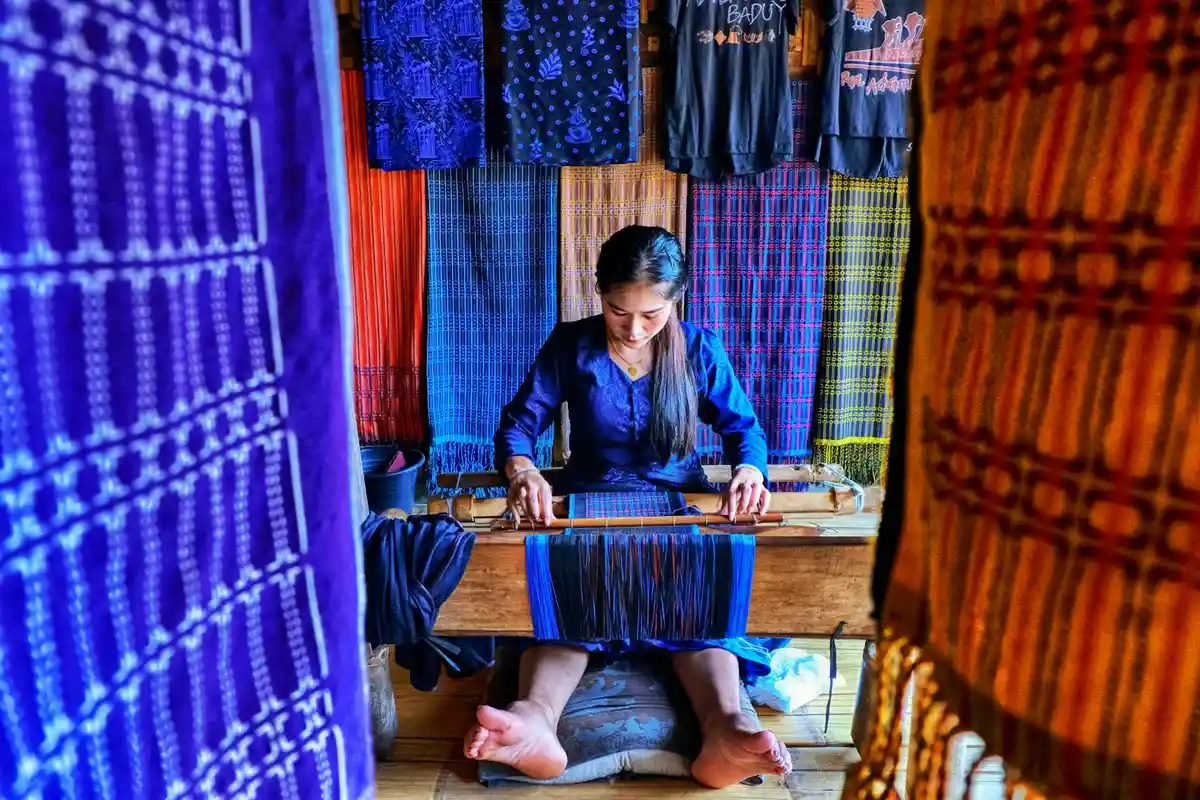
Run your fingers over a piece of viscose. It feels cool and smooth, like silk, but with a softer, more fluid weight than cotton. The material has a sleek hand that glides, never catching or feeling coarse. It lacks the crisp dryness of linen or the springy loft of wool. Instead, it feels luxuriously soft and substantial against your skin, moving with a gentle, liquid drape.
What You’ll Love
Viscose brings a set of wonderful qualities to your wardrobe that are hard to find in other fibers.
- Drape: This is viscose’s superpower. The fibers are smooth and heavy for their size, so the fabric falls in soft, graceful folds. It flows and hangs beautifully, avoiding the boxy stiffness you can get with heavier cottons or linens. This makes it perfect for blouses, dresses, and skirts where you want elegant movement.
- Luster: Viscose has a gentle, silky sheen. This subtle glow comes from the smooth, filament-like structure of the regenerated cellulose. It’s not a synthetic plastic shine, but a soft radiance that makes colors look richer.
- Breathability & Absorption: Because it’s made from plant cellulose, viscose absorbs moisture almost like cotton. It pulls sweat away from your skin, making it cool and comfortable to wear in warm weather. I find it far more breathable than polyester.
- Dyeability: Viscose takes dye brilliantly. The fiber readily accepts most dye types, especially fiber-reactive and direct dyes, resulting in deep, vibrant colors that often look more saturated than on cotton. This excellent dye affinity is why you see such rich jewel tones and bold patterns in viscose garments.
The Trade-Offs to Manage
Every fabric has its personality, and viscose’s lovely traits come with a few needs. Think of it like a beautiful silk plant-stunning, but requiring a specific environment to thrive. Even compared to other semi-synthetic fabrics, it demands a bit more care.
- Strength Loss When Wet: This is the biggest care point. The fiber can be fragile when saturated. When viscose gets wet, water molecules swell the cellulose structure, temporarily weakening the hydrogen bonds that give it strength. Mechanically agitating it (like in a spinning washer) stresses these weak points and can cause tearing or distortion. Always handle wet viscose with support, never wring it out, and avoid heavy spin cycles.
- Wrinkling: Viscose lacks natural resilience. It doesn’t have the memory of wool or the inherent crispness of linen, so it crumples easily with wear. A light steam is usually all it needs to release wrinkles. I keep a small steamer handy for my viscose pieces.
- Shrinkage Potential: The fiber can relax and contract with heat and water if not stabilized during manufacturing. Some shrinkage (3-5%) is common in the first wash. To minimize this, wash in cold water and always air dry flat. Never put a viscose garment in a tumble dryer, as the heat will almost certainly cause significant shrinkage.
- Biodegradability: Unlike polyester, viscose will break down, as it’s plant-based. This is an environmental plus at end-of-life. Just remember, this same natural origin is what demands more mindful care during its useful life.
Viscose vs. Cotton, Silk, Polyester & More
Understanding a fabric is easier when you hold it up against others you already know. Let’s compare viscose to the usual suspects in your closet.
Viscose vs. Cotton
Hold a viscose blouse next to a cotton one. The difference is immediate in your hands. Viscose feels sleek and fluid, with a soft hand that wants to flow and drape. Cotton feels crisper, with more body and structure that can hold a shape, like a classic poplin shirt.
The care routine is where they truly part ways: cotton can handle machine washing and drying, while viscose demands a gentle, more mindful approach.
In the wash, cotton is your durable workhorse. You can wash it in warm water and tumble dry it, and it might shrink a predictable 3-5% on the first go, then stabilize. Viscose is far more susceptible. I’ve seen viscose garments shrink significantly, sometimes over 10%, and lose their smooth finish in a regular wash cycle. It’s not like a sponge compressing; it’s more like the fibers tightening and tangling permanently.
- Feel: Viscose is sleek, fluid, and drapey. Cotton is crisp, breathable, and structured.
- Care: Machine wash cotton (warm/cool). Always hand-wash or use a delicate cold cycle for viscose, and never put it in the dryer. Lay it flat to dry.
- Shrinkage: Cotton shrinks predictably once. Viscose can shrink dramatically and progressively with heat and agitation.
Viscose vs. Polyester
This is a classic match-up: nature-renewable versus petroleum-based. Viscose comes from plants, while polyester is essentially plastic derived from oil. This root difference shapes how they behave on your skin.
Viscose absorbs moisture, which helps with breathability, while polyester tends to repel moisture and trap it against your skin, making you feel clammy.
For care, polyester is the ultimate wash-and-wear fabric. It resists wrinkles, dries quickly, and is very strong when wet. Viscose is the opposite-it’s weak when wet, wrinkles easily, and dries slowly. If you get a stain, you can often use a stronger spot treatment on polyester. With viscose, you need to be gentler to avoid damaging the fibers or causing water spots.
- Origin: Viscose is plant-based (wood pulp). Polyester is synthetic (petroleum).
- Breathability: Viscose absorbs and wicks moisture. Polyester tends to trap heat and sweat.
- Care: Polyester is durable, quick-drying, and wrinkle-resistant. Viscose is delicate, slow-drying, and prone to wrinkles.
Viscose vs. Silk
Viscose is often called “artificial silk,” and for good reason. The drape and luminous sheen can be strikingly similar to silk. In a blind touch test on a flowing dress, many people can’t tell them apart.
Viscose achieves that luxurious silk-like drape at a fraction of the cost, making it a popular and accessible alternative. This is a prime example of affordable luxury fabric. Its texture and drape offer high-end appeal without a premium price.
They share a delicacy in care-both generally require hand-washing and flat drying. But their fiber chemistry is different. Silk is a protein fiber (from silkworms), and viscose is a cellulose fiber (from plants). This means they react differently to dyes and chemicals. Silk dyes beautifully with acid dyes, while viscose, like cotton, works best with fiber-reactive or direct dyes. A spill that might water-spot silk can do the same to viscose, so careful spot cleaning is key for both.
- Feel & Drape: Very similar-soft, fluid, and luminous. This is viscose’s greatest trick.
- Cost & Care: Viscose is much more affordable. Both require gentle, hand-wash care, but they come from different fiber families (cellulose vs. protein).
Remember, viscose is part of a larger family called “regenerated cellulose,” which also includes modal and lyocell (like Tencel®). Think of them as cousins. Modal is often stronger and more stable when wet than standard viscose. Lyocell is made with a more environmentally friendly closed-loop process and is known for exceptional strength and a uniquely soft, cool feel. They all share that wonderful drape, but with varying levels of durability and eco-credentials.
What is Viscose Used For? From Sarees to Sundresses
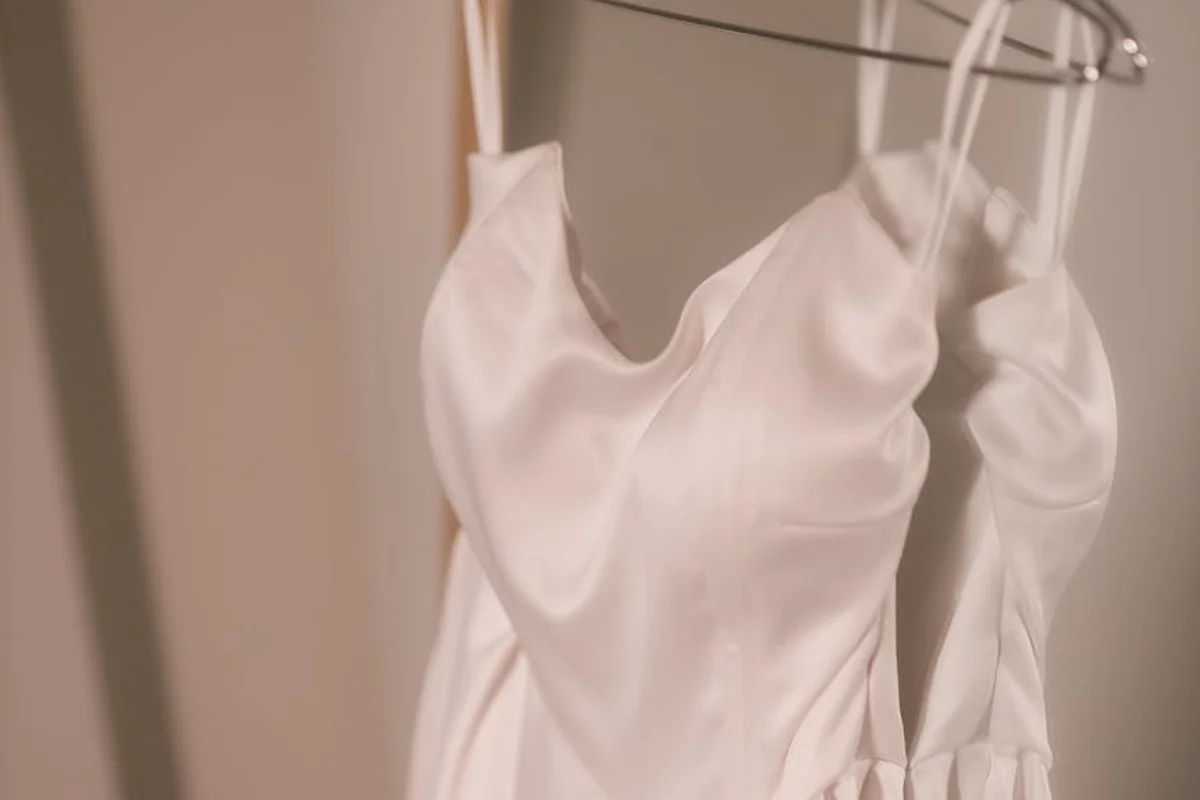
Viscose’s unique personality makes it a favorite for specific types of garments. Its fluid drape, soft sheen, and breathable comfort translate directly into how it performs on the body.
Everyday Apparel
You’ll most often find viscose in clothing that moves. It’s the secret behind a skirt that sways and a blouse that flows away from the body.
- Flowy blouses, dresses, and skirts that require elegant movement.
- Garment linings, where its smooth hand feels pleasant against the skin.
- Lightweight trousers and relaxed shirts that prioritize comfort.
Viscose is a classic warm-weather fabric because it absorbs moisture and breathes similar to cotton. It pulls dampness from your skin, helping you feel cooler. I always reach for my viscose pieces on humid days. Just remember, that same absorbency means it can feel damp longer than a synthetic like polyester.
Specific Uses from FAQs
Certain applications perfectly highlight viscose’s strengths.
Viscose Sarees
Viscose is hugely popular for sarees, and for good reason. It offers a beautiful compromise.
- Drape and Fall: It has a weighted, fluid fall that mimics pure silk, allowing the saree pleats to hold beautifully.
- Sheen: It carries a gentle, lustrous shine that reads as luxurious without the high cost.
- Affordability and Accessibility: It provides a silk-like aesthetic at a fraction of the price and is easier to care for than delicate silks.
People often ask if a viscose saree is heavy or light. The weight can vary dramatically based on the weave and GSM (grams per square meter). A lightweight, finely woven viscose georgette saree will be airy and breezy. A heavier viscose with a dense weave or elaborate embroidery will have a more substantial, regal feel, though it often remains lighter than a traditional pure silk Banarasi.
Viscose Crepe
Viscose crepe is a specific textured variant. The yarns are spun with a very high twist, which makes them want to kink and crinkle.
This creates that distinctive, pebbled surface and a delightful dry hand. Viscose’s natural drape combines with crepe’s textured body to create fabric that resists clinging and has excellent recovery from wrinkles. You see it used in blouses, dresses, and scarves where a bit of structured fluidity is needed. The texture also helps hide minor wrinkles, making it a great traveler.
The Care Protocol: Washing, Drying, and Ironing Viscose
Think of viscose like a beautiful, delicate houseplant. It thrives with consistent, gentle care but can wilt or distort if treated roughly. This guide walks you through the exact methods I use in my studio to keep viscose garments flowing and vibrant for years.
Before You Begin: The Care Label is Law
Always check the garment’s care label first. It is your most specific guide. The manufacturer knows the exact weave, dye, and finish used, so their instructions override general advice. If the label says “Dry Clean Only,” respect that. It often means the fabric is unstable or the dyes are not wash-fast. When in doubt, hand wash a hidden seam area first to test for color bleeding or distortion.
Step-by-Step: How to Wash Viscose Safely
Viscose is weakest when wet. The fibers can stretch, snag, or tear under force. Your goal is to clean without agitation.
Hand Wash Method (My Recommended Standard)
This is the safest way to preserve the fabric’s hand and longevity.
- Fill a clean basin or sink with cool or lukewarm water-never hot.
- Add a small amount of mild detergent, like one for wool or delicates. Swirl to mix.
- Submerge the garment, gently pressing it to soak. Let it sit for 10-15 minutes.
- Gently agitate the water with your hands. Do not scrub, twist, or wring the fabric.
- Drain the soapy water. Refill with clean, cool water to rinse. Repeat until the water runs clear.
- To remove water, press the garment against the side of the basin. Never lift a soaking wet piece by one shoulder-the weight can stretch it irreversibly.
Machine Wash Method (If the Label Allows)
If the care tag permits machine washing, these steps are non-negotiable.
- Always turn the garment inside out. This protects the surface from abrasion.
- Place it in a zippered mesh laundry bag for an extra layer of defense.
- Select the Gentle or Delicate cycle with COLD water only.
- Use a detergent formulated for delicates.
- Wash alone or with similarly colored, lightweight items like other viscose or silk.
This method is a calculated risk, but the mesh bag and cold water make it viable for stable knits and weaves.
Does Viscose Shrink? How to Prevent It
Yes, viscose can shrink dramatically, and heat is the primary culprit. The relaxed, regenerated cellulose fibers contract when exposed to high heat and agitation. It’s not like wool, which felts; it’s more like the fibers tightening up permanently.
I’ve seen pieces shrink 10-15% in a hot wash and dryer cycle. The golden rule to prevent all shrinkage is simple: always wash in cold water and always air dry. Some fabrics are designed to resist shrinkage. Choosing fabrics with the least shrinkage can make your care routine more forgiving. Lay the garment flat on a clean towel, reshape it to its original dimensions, and let it dry away from direct heat or sunlight. For structured pieces like blazers, use a wide, padded hanger to air dry.
Drying and Ironing for a Crisp Finish
Proper drying sets the stage for easy finishing. Never use a standard tumble dryer. The heat will shrink the fabric, and the tumbling action can cause pilling and weakening.
If you must use a dryer, only select a NO-HEAT or Air Fluff setting for a short time to remove dampness, then finish air drying flat.
Ironing is easiest when the fabric is slightly damp. Set your iron to a low or medium heat-the “silk” setting is perfect. Always use a pressing cloth (a clean cotton handkerchief works) between the iron and the viscose to prevent scorching and shine marks. Iron on the reverse side of the fabric for extra safety. Use a press-and-lift motion; don’t slide the iron, as you might distort the weave. This is especially important when handling delicate fabrics like silk or linen.
A Note on Dyeing Viscose
Viscose is a dream to dye. It accepts the same bright, colorfast fiber-reactive dyes used for cotton and linen. The cellulose structure readily bonds with these dyes, producing vibrant results. This also applies when you dye viscose rayon blended fabrics, which take up these dyes beautifully for vivid, durable color. Blends can deliver even saturation and colorfast results, making them a flexible option for a wide range of dyed textiles.
Handle viscose fabric with extreme care during the wet dye process. Its strength when saturated can be less than half its dry strength. Support the entire piece when moving it in and out of the dye bath. I gently lift it with two hands or use a mesh bag. Agitate very softly to avoid felting or tearing. Follow standard cellulose dye procedures regarding salt, soda ash, and temperature for stunning, lasting color.
Environmental Impact and Sustainable Choices
Let’s address the process. Traditional viscose production uses a chemical bath. Wood pulp is dissolved in a solution containing carbon disulfide and sodium hydroxide. This transforms the pulp into a honey-like liquid, which is then extruded to form fibers. The chemicals are harsh, and historically, some facilities have released untreated wastewater. This older method has significant environmental drawbacks if not managed with stringent controls.
The Shift to Closed-Loop Systems
Newer technologies offer a better path. The lyocell process, used to make fibers like Tencel, is a standout example. It uses a different, non-toxic solvent called N-Methylmorpholine N-oxide (NMMO). The key difference? Over 99% of this solvent is recovered and recycled back into the system. This “closed-loop” method drastically cuts chemical waste and water use compared to conventional viscose production.
A Natural End of Life
Despite its manufactured origin, viscose is fundamentally cellulose. This means it is biodegradable and will break down in soil or compost much like cotton, unlike synthetic plastics like polyester. Note, heavy dyes or synthetic blends can slow this process. A pure, undyed viscose garment is compostable under the right conditions.
Making Conscious Purchases
You can choose better viscose. Look for transparency from brands. Here is my practical advice:
- Seek out fabrics made from fibers certified by the Forest Stewardship Council (FSC) or programmes like CanopyStyle, which ensure wood pulp is not sourced from ancient or endangered forests.
- Prioritize fabrics explicitly made with closed-loop lyocell (branded as Tencel) or modal made from beechwood.
- Check care labels. A garment with detailed, gentle care instructions often signals a brand that expects you to keep it longer.
Choosing viscose from brands committed to responsible sourcing and advanced manufacturing directly supports better industry practices.
The Ultimate Sustainable Practice: Care
The greenest garment is the one already in your closet. Viscose’s fragility is its environmental Achilles’ heel. I have seen too many pieces ruined in one careless wash. Hand-washing in cool water with a mild detergent and laying flat to dry is the single most effective way to extend the life of your viscose clothing. This simple act reduces the need for replacement, saving all the resources embedded in making something new. Treat it like the delicate, semi-synthetic it is, and you’ll wear it for years.
Quick Troubleshooting: Common Viscose Problems
Viscose behaves beautifully, but it has a few specific quirks. When something goes wrong, it’s usually due to how it reacts with water and tension. Here are the fixes I use in my own laundry room.
My Viscose Shrank. Can I Fix It?
Viscose shrinkage is common. The fibers swell with water, and the fabric’s weave can tighten as it dries under heat or agitation. You can try to relax them back.
- Fill a basin with lukewarm water.
- Add a generous tablespoon of hair conditioner or a fabric softener. This acts as a lubricant.
- Soak the garment for 30 minutes, gently swishing it to ensure the fibers absorb the solution.
- Without rinsing, carefully press out excess water. Do not wring.
- Lay the garment flat on a dry towel. Gently, systematically stretch it back to its original shape and dimensions.
- Let it air dry completely in this position. You may need to adjust the stretching as it dries.
This method works best on minor, even shrinkage, but it is not a guarantee for severe cases. I’ve had about a 70% success rate. The best strategy is always to avoid shrinkage by washing in cold water and air-drying flat from the start.
It Stretched Out of Shape.
If your viscose top is now a dress, gravity is likely the culprit. Viscose becomes very heavy and pliable when wet. Hanging it on a hook or a hanger pulls the fibers downward, causing permanent distortion.
The single most important rule for viscose care is to always, always dry it flat. After washing, roll it in a clean towel to remove moisture, then lay it on a drying rack or a fresh towel. Reshape it gently by hand. This supports the full weight of the fabric and prevents those frustrating stretched-out shoulders and hem.
The Fabric Feels Stiff After Washing.
That rough, cardboard-like feel isn’t the true nature of viscose. It’s usually a sign of residue. Detergent that hasn’t fully rinsed out or minerals from hard water can coat the fibers.
For your next wash, run an extra rinse cycle with cold water. If stiffness persists, add 1/4 cup of plain white vinegar to the final rinse. The mild acidity helps dissolve mineral buildup without harming the fibers. This simple vinegar rinse often restores the fabric’s natural drape and soft hand immediately. Just avoid using vinegar too frequently, as it can, over many years, weaken cellulose fibers.
Working with Viscose: Care and Continuous Learning
To preserve viscose’s drape and color, handle it like a delicate sponge-always opt for cool water, gentle hand-washing, and flat drying. This simple routine is the most effective way to prevent the significant shrinkage and fiber weakening that define viscose’s behavior with water and heat.
Treating your viscose with care reduces waste and honors the resources in every garment, a core principle of responsible fabric ownership. Specifically for viscose rayon, understanding when to wash, air-dry, or dry-clean can help preserve its softness and drape. I urge you to take this proactive approach further by exploring how shrinkage, dyeing, and washing differ across materials like cotton, wool, silk, and synthetic blends, building your own practical textile science knowledge.
Industry References
- What is Viscose Fabric: Properties, How its Made and Where | Sewport
- Fabric Guide: What Is Viscose? Understanding Viscose Fabric and How Viscose Is Made – 2026 – MasterClass
- Glossary | Viscose
Written by Florian Ventura. Florian is a high fashion blog writer, fashion and fabric expert and a keen expert in fabric, clothing and materials. She has worked in large textile and fashion houses for over 10+ years, engineering and working with various fabric types and blends. She is an expert when it comes to questions on any and all kinds of fabrics like linen, cotton, silk, jute and many more. She has also traveled around the world studying traditional fabrics and aims to bring them into the modern fashion use.