
How to Craft with Nylon: A Guide to Scrubbies, Jewelry, and DIY Projects
Nylon can feel like a tricky, slippery synthetic to work with, but its unique properties make it a powerhouse for durable, washable crafts.
I will break down exactly how to handle this fiber, covering its essential properties for crafters, how to cut and shape it cleanly, the best methods for dyeing it at home, and how to care for your finished nylon projects so they last.
Executive Summary: Nylon as a Craft Material
Let’s get straight to it. Nylon is a synthetic fiber loved for its strength and flexibility. Think of it as the tough, springy workhorse of the fabric world. It resists water beautifully but hates high heat.
Its strengths make it a standout choice for certain projects.
- Extreme Durability: Nylon yarns and fabrics can withstand a tremendous amount of rubbing and pulling without breaking. This makes it perfect for items that get rough use.
- Holds Structure: It has a natural resilience that helps molded or woven items keep their shape, ideal for baskets or structured bags.
- Good Dye Affinity: With the correct type of dye (more on that later), nylon accepts color vividly and evenly.
Every material has its challenges, and nylon is no exception.
- Melts Under High Heat: This is the number one rule. An iron or hot dryer can ruin your project in seconds by fusing the fibers.
- Slippery to Work With: The smooth fibers can be tricky to cut, sew, or knot compared to cotton or wool.
- Not Biodegradable: It’s a plastic polymer, so it won’t break down naturally in the environment.
- Can Fray Easily: Cut edges often need to be heat-sealed or treated to prevent unraveling.
So, what should you actually make with it?Nylon excels in projects that need to be tough, water-resistant, or hold a form: think abrasive scrubbies for dishes, weight-bearing straps for bags, molded or beaded jewelry, and durable outdoor gear like chair slings or plant hangers.
Nylon’s Craft-Friendly Properties: Why It Works
To use nylon well, it helps to know *why* it behaves the way it does. At a microscopic level, nylon is made of long, chain-like molecules. I picture them as a tangle of tiny, super-strong springs.
This spring-like structure is the secret to nylon’s famous strength and stretch. The chains can flex and absorb force without snapping, which is why a nylon backpack strap can hold heavy books and still bounce back.
Let’s talk abrasion. Imagine scrubbing a baked-on pot. A cotton cloth would wear through quickly, its fibers breaking down. Wool would felt and compress. But nylon?Nylon’s hard polymer surface resists friction far better, making a nylon net scrubbie last months longer than a natural fiber alternative. It scours without disintegrating.
Nylon is also a hydrophobe-it fears water. Its fibers absorb less than 5% of their weight in moisture. Compare that to cotton, which can soak up over 20%.This low moisture absorption is a huge benefit for outdoor crafts, as it prevents the mildew and rot that can plague natural fibers left in the damp. A nylon chair sling dries almost instantly after a rain shower. To maintain these properties, follow nylon waterproof wash dry care guidelines. Simple washing and air-drying routines help preserve its quick-dry performance.
Now, the critical limit: heat. Nylon’s melting point is around 428°F (220°C), but it can start to soften and distort at temperatures as low as 300°F (150°C). A typical iron on a cotton setting can exceed 400°F. You must never iron nylon on a high setting; use a cool iron with a press cloth, or better yet, avoid ironing it altogether. Polyester, another common synthetic, has a higher melting point and is generally more heat-stable, which is why it’s often used for iron-on interfacings where nylon is not.
Finally, a practical note on sustainability from a crafter’s perspective. While virgin nylon is not an eco-fiber,the most responsible approach in your studio is to use what you have, seek out deadstock or remnant yarns, and design projects for extreme longevity-making a bag that lasts a decade is better than making five that fall apart.
Sourcing Your Materials: Nylon Craft Supplies Explained
Nylon comes in many forms for crafters, each with properties that make it perfect for specific jobs. Knowing what you’re buying is the first step to a successful project.
Tulle or netting is your go-to for making durable scrubbies because its open, crinkly structure creates fantastic abrasion without scratching. For macramé and jewelry, you’ll want nylon cord or rope, which is strong and often comes in vibrant colors. Woven nylon fabric, like ripstop or packcloth, is lightweight and tough, ideal for reusable bags and gear linings. Nylon webbing makes sturdy straps, and monofilament (invisible thread) is a clear, single-strand nylon perfect for beading or nearly invisible seams.
Let’s demystify two common terms. Those “nylon craft loops” for making pot holders are usually a specific type of bulked continuous filament (BCF) nylon. The fibers are textured to be springy and trap air, giving them great heat resistance. Nylon satin cord, popular in jewelry, is a multifilament cord with a tight, smooth braid that gives it a sleek hand and high sheen.
For advanced makers, there are moldable nylon pellets like Technoplast. These granules melt at relatively low temperatures (around 160°C/320°F) and can be shaped with dedicated craft heat tools, not a standard oven. You’ll need a precision hot pot or a spoon tip for your heat gun to work with them safely.
If you’re looking at nylon rope for crafts, the construction matters. Twisted rope has a traditional, slightly rough look and is great for projects where a rustic texture is desired. Braided rope is smoother, more flexible, and doesn’t unravel when cut, making it better for detailed macramé or items that need a neat finish.
Always check the label first, but if you’re unsure, you can perform a burn test to identify the fibers. Work over a metal sink with water nearby, hold a small snippet with tweezers, and ignite it. Nylon melts and burns, forming a hard, tan or gray bead, and smells like celery or hair. It self-extinguishes when removed from the flame. Never leave burning fiber unattended.
Hands-On Techniques: Cutting, Shaping, and Joining Nylon
How to Cut Nylon Fabric and Cord Without Fraying
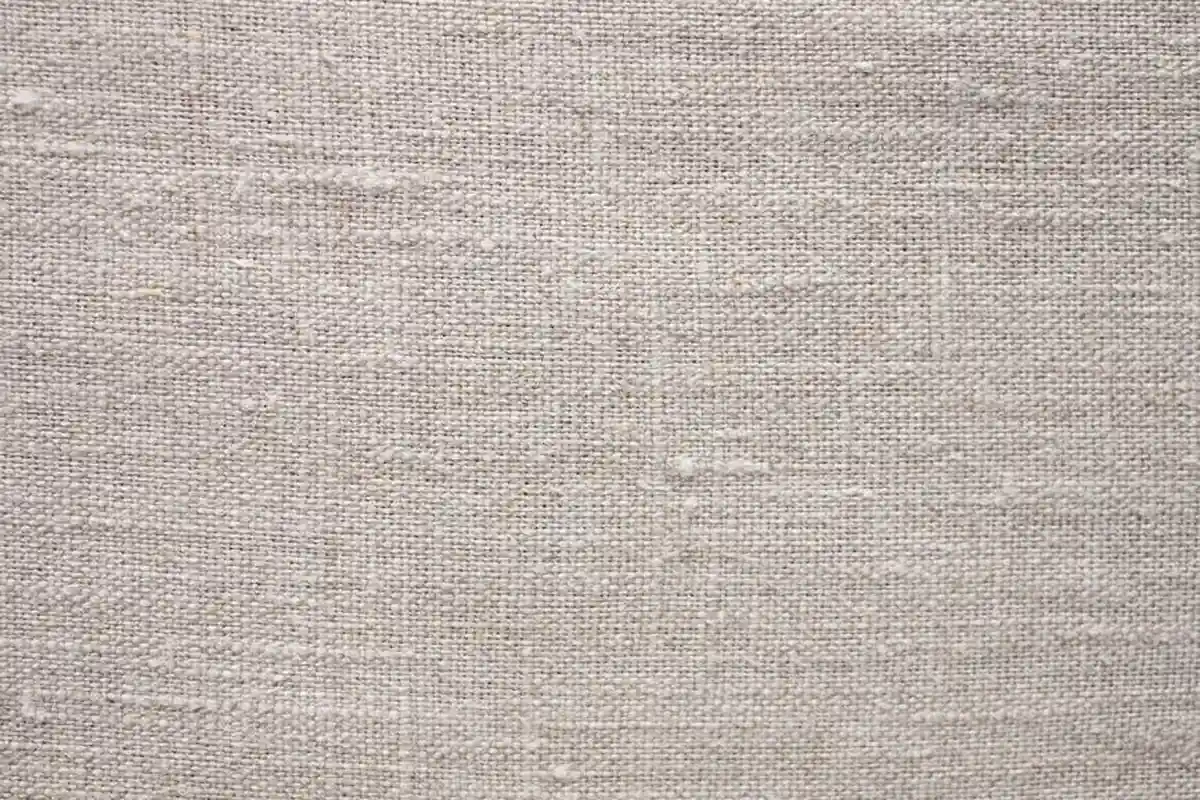
Nylon frays because its smooth, synthetic filaments slide away from each other easily once the fabric’s edge is cut. Compare this to linen fabrics, where the rough, natural fibers grip each other, or cotton broadcloth, which frays but often more slowly.
The best tool for a clean, sealed cut is a hot knife or a wood burning tool with a cutting tip, as it melts the edge as it cuts. For most home crafters, a very sharp pair of scissors or a rotary cutter works if you follow up with a sealing step.
Here’s my method for cutting woven nylon fabric:
- Align your pattern on the straight grain of the fabric.
- Cut slowly and deliberately with sharp shears or a rotary cutter.
- To seal the edge, work in a well-ventilated area. Quickly and carefully pass the very edge of the fabric through the tip of a lighter’s flame. Don’t let it catch fire, just melt. The edge will form a slight, smooth bead.
For cord, simply cut with sharp scissors and lightly melt the end to prevent unraveling.
How to Sew or Assemble Nylon
Sewing nylon requires a few adjustments. Use a sharp (Microtex) needle to pierce the tight weave cleanly, or a ballpoint for knit nylons. Always pair nylon with polyester thread, which has a similar stretch and strength profile. It’s also essential to select the right needle size for stretch fabrics.
Nylon fabric can be slippery, so use quilting clips instead of pins to hold layers, and try sewing with a layer of tissue paper on top that you tear away afterward. A walking foot on your sewing machine helps feed the layers evenly.
For jewelry makers asking about crimp beads on nylon thread: yes, you can. Use a quality crimp bead and the proper crimping pliers to crush it securely. I always recommend doubling the nylon cord through the crimp for extra security, as the smooth surface can sometimes slip under extreme tension.
How to Shape Nylon with Heat
Nylon can be gently shaped with low, controlled heat. This is how you “blow up” nylon balloons for ornaments or set shapes in molded projects.
My safety-first protocol is to always start with the gentlest heat source, like near-boiling water or a hair dryer on high, before considering a low-temperature heat gun. Hold the nylon over steam or submerge it in hot water until it becomes pliable, then shape it with your hands or over a form. It will hold that shape as it cools.
Never let a high-heat tool like an iron or heat gun nozzle touch nylon directly. It will melt rapidly, shrink, and can burn. If you must use an iron, use a thick press cloth and the lowest synthetic setting with no steam.
Project Tutorials: Applying the Science
Crocheted or Knitted Nylon Net Scrubbies
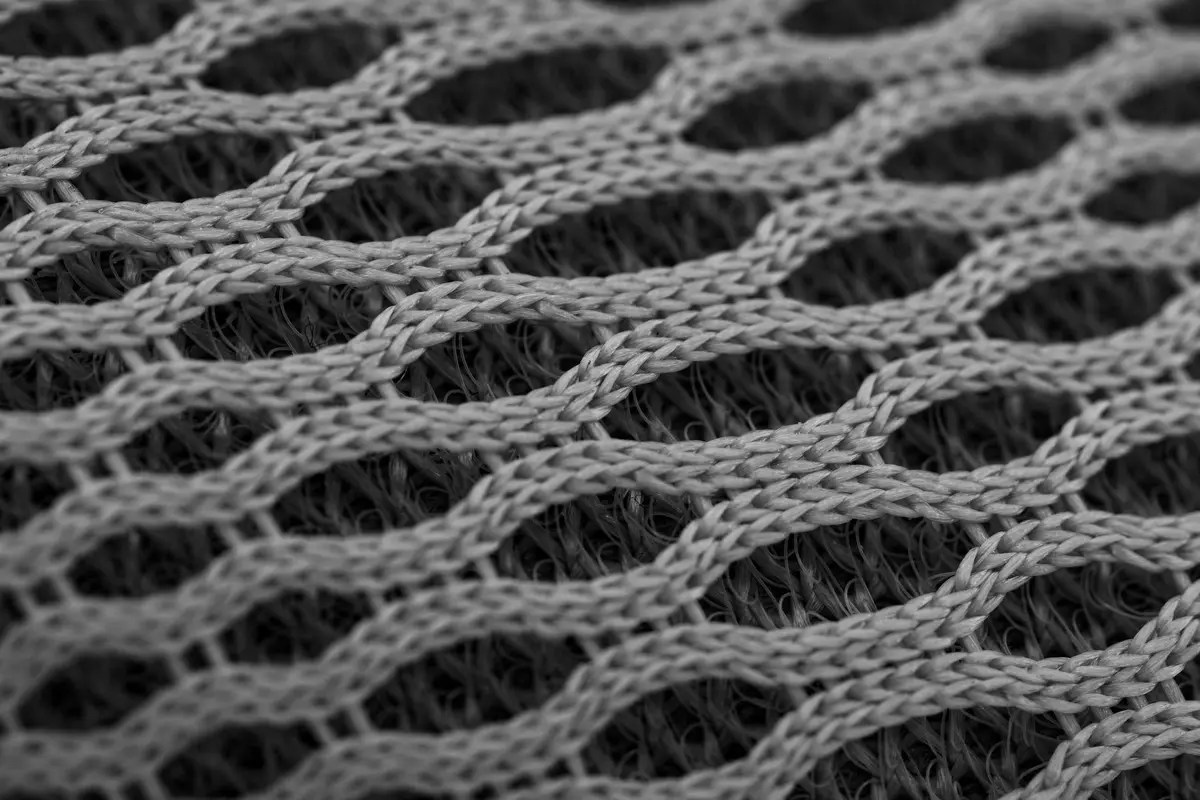
Nylon tulle or netting is the perfect material for a kitchen scrubby. Its open, grid-like structure creates natural scrubbing points, while the nylon fiber itself is incredibly abrasion-resistant. Think of it as a friendly sandpaper that won’t scratch your pans.
To make your own, you’ll work with a stiff nylon netting, which behaves very differently from yarn. Handling it takes a little practice. I use sharp fabric scissors to cut the netting into long, continuous strips about 1 to 1.5 inches wide. The strips will curl as you cut, which is fine. You’ll crochet or knit directly with this strip.
Here are the basic steps:
- Cut your nylon netting into strips and join them by simply overlapping the ends by an inch and crocheting or knitting over the join. It will hold.
- Using a large crochet hook or knitting needles (size US 10.5 or larger), make a simple circle or square. A single crochet or garter stitch works perfectly.
- As you work, gently pull the nylon strip to keep it flat. Don’t pull too tight, as the material has no stretch.
The best part? These scrubbies are practically bulletproof. They do not shrink in the wash, and the nylon won’t degrade or get mushy with constant use and cleaning. Toss them in the dishwasher or washing machine-they’ll come out ready for another round.
Nylon Cord Jewelry
For jewelry, you want a nylon that is strong but also looks good. Nylon satin cord has a beautiful sheen and comes in many colors, while clear or smoke-colored nylon beading thread is nearly invisible for stringing beads. The trade-off is simple: the satin cord is more visible and decorative, while the beading thread prioritizes strength and discretion.
If you can’t find the exact color you want, you can dye nylon cord yourself. I always dye the cord before I start a project for the most even color. You’ll need an acid dye, the same type used for wool. The process is outlined in the nylon fabric dyeing techniques section later, but the key is to keep the dye bath hot but not boiling to preserve the cord’s strength.
Finishing the ends securely is what makes jewelry last. For satin cord:
- Use cord ends or crimp beads designed for the cord’s thickness.
- Fold a tiny bit of the cord’s end back, tuck it into the crimp, and squeeze the crimp closed with pliers. This prevents the slick nylon from slipping out.
- Always add a drop of clear-drying glue (like GS Hypo Cement) inside the crimp or knot for insurance.
Upcycling Nylon Stockings and Woven Fabric
Don’t toss those snagged stockings or an old nylon windbreaker. The material is too useful. Nylon stockings have a surprisingly smooth, silky hand. I cut off the good sections, snip them into small pieces, and use them as stuffing for pincushions. It’s a wonderfully sleek filling that lets pins and needles slide in and out easily. You can also use strips as gentle, stretchy ties for tomato plants in the garden, or stretch a leg over a paint can to act as a filter.
For woven nylon fabric from a jacket or pack, try a simple drawstring bag. The main challenge is fraying. Nylon doesn’t fray as badly as cotton, but the edges will unravel.
My method is this:
- Cut your pieces.
- Immediately use a lighter to quickly and carefully melt the very edge of the fabric. Just a quick pass to fuse the fibers. Work in a ventilated area.
- Sew your seams with a tight stitch length. Then, sew a second line of stitching next to the first for durability. Finish by turning the top hem twice and stitching it down to create the channel for the cord.
Care and Maintenance for Finished Nylon Crafts
Washing and Drying Your Nylon Makes
Caring for nylon is straightforward if you remember one thing: respect heat. Here is my standard protocol:
- Machine wash on a cool or warm setting (not hot) with a mild liquid detergent.
- Avoid fabric softener. It leaves a coating on nylon fibers that can trap dirt and reduce their natural slickness.
- To dry, either tumble dry on the lowest heat setting or, better yet, air dry.
High dryer heat is the main risk for nylon; it can cause irreversible softening, distortion, or melting in severe cases. To air dry efficiently, gently squeeze out water (don’t wring), reshape the item, and lay it flat on a drying rack or towel. Nylon dries very quickly. Under normal care, expect minimal shrinkage, perhaps 1-3% only if exposed to high, sustained heat.
How to Dye Nylon at Home
You cannot use the same dyes for nylon as you do for cotton. Fiber reactive dyes will not bond. Nylon requires acid dyes, which are also used for wool and silk, or certain “all-purpose” dyes that list nylon on the label.
My simple stovetop method is safe for small projects like cord or fabric swatches:
- Wet the nylon item thoroughly.
- In a stainless steel pot you won’t use for food, prepare a dye bath with hot water, acid dye powder, and a cup of white vinegar (the acid fixative).
- Submerge the item and slowly heat the bath to just below a simmer (about 180°F / 82°C). Maintain this temperature for 30 minutes, stirring gently.
- Turn off the heat and let the bath cool completely before rinsing the item in cool water until it runs clear.
Always work in a well-ventilated area. After dyeing, test for colorfastness by rubbing the item with a white cloth while it’s damp; if color transfers, continue rinsing.
Textile Expert’s Note: Long-Term Storage and Repair
Nylon’s main enemies over time are heat and ultraviolet light. Store your nylon crafts away from radiators, hot attics, and direct sunlight. This prevents the polymer chains from slowly breaking down and weakening.
If a strap frays or a seam gives way, repair is simple. For a clean tear, I use a patch of fusible web (like Pellon Wonder-Under). Use a very low-temperature iron and a pressing cloth to melt the adhesive without damaging the surrounding nylon. For a stronger, nearly invisible repair on woven nylon, hand-darn the area with matching nylon thread or sew a patch over the damage.
Remember, nylon’s legendary durability is your biggest asset. A well-made nylon craft isn’t just a quick project; it’s a practical item built to last for years of daily use. That durability powers a wide range of nylon fabric durability applications—outdoor gear, bags, and more. It endures daily wear and tough conditions, making it a reliable choice.
Final Notes on Nylon’s Lasting Performance
Working with nylon successfully starts with respecting its relationship with heat. For any project, prioritize cold water washing and air drying to preserve its strength and shape for the long term. Treating high heat as the enemy will keep your scrubbies springy and your jewelry from warping.
Every fabric choice you make, from plant-based cotton to synthetic nylon, carries an impact. I keep learning about textile science because it empowers us to care for what we have and make thoughtful new choices. Understanding a fiber’s properties is the first step toward using it responsibly and extending its life cycle.
Expert Resources and Citations
- Nylon Pot Scrubber – Free Crochet Pattern – Maggie’s Crochet
- The Cabin Countess : Revised Nylon Netting Scrubbie
- Ravelry: Nylon Net Scrubbies pattern by Melanie Larsen
- Nylon Scrubbie | Etsy
Written by Florian Ventura. Florian is a high fashion blog writer, fashion and fabric expert and a keen expert in fabric, clothing and materials. She has worked in large textile and fashion houses for over 10+ years, engineering and working with various fabric types and blends. She is an expert when it comes to questions on any and all kinds of fabrics like linen, cotton, silk, jute and many more. She has also traveled around the world studying traditional fabrics and aims to bring them into the modern fashion use.