
Debunking Myths: Do All Synthetic Fabrics Cause Skin Allergies or Irritation?
If you’ve ever tossed a polyester shirt aside after a single itch, I get it-skin concerns are real, but blaming all synthetics is a common mistake.
This article breaks down the fabric science behind irritation, covering how fiber structure and finishes affect your skin, simple home tests for sensitivities, and tailored washing routines to keep garments gentle.
Executive Summary: The Skin-Safe Truth About Synthetics
Let’s clear the air right now. The belief that all synthetic fabrics automatically cause skin issues is one of the most persistent oversimplifications in textiles.
The polymer fiber itself-the polyester, nylon, or acrylic-is often chemically inert and not the primary culprit for most people’s skin complaints. The real irritants usually come from the other things on and in the fabric.
- The fiber is often innocent. Dyes, chemical finishes, and trapped laundry residues are the usual suspects.
- Construction matters as much as content. A tight, sleek weave feels different than a rough, bulky knit, regardless of the fiber.
- Your skin’s reaction is a clue. True allergies are rare and specific, while general irritation often points to physical friction or leftover chemicals.
Think of it like judging a cake. You wouldn’t taste raw flour, butter, and eggs separately and declare the final cake inedible. The finished garment, with all its dyes and treatments, is what touches your skin, not the raw polymer.
A tightly woven polyester blouse can feel cooler and cause less friction than a coarse, heavy wool sweater. The fabric’s structure-its yarn thickness, weave, and surface texture-directly affects breathability and how it moves against your skin.
The Big Myth: All Synthetics Are Irritants
I hear it all the time: “I can’t wear polyester, it makes me itch.” This blanket statement lumps every synthetic fabric into one irritating category, which isn’t fair or accurate.
First, we need to separate a true allergy from general skin irritation, as they have very different causes.
A true textile allergy is an immune system response to a specific substance. This is rare with synthetic polymers but can happen with certain textile dyes (like disperse dyes common on polyester) or formaldehyde-based resins used in “wrinkle-free” finishes. An allergy typically causes a red, itchy, defined rash that appears where the fabric touched. For those sensitive to these allergens, it’s often recommended to use hypoallergenic materials instead.
Irritation is much more common. It’s a physical or chemical annoyance to the skin. Common causes include:
- Trapped Detergent or Softener: If you don’t rinse thoroughly, these residues stay in the fabric and can transfer to your skin, causing dryness or itchiness.
- Pilling and Abrasion: A fabric that forms pills creates a rough surface that physically chafes the skin.
- Poor Breathability: A fabric that doesn’t wick moisture can trap sweat, leading to heat rash or chafing.
- Stiff Chemical Finishes: Some finishes make fabric feel stiff or “crunchy,” which can be uncomfortable.
This leads us to a common myth: “Synthetic fabrics are chemically reactive.” Most synthetic polymers are biologically inert-think of the plastic wrap in your kitchen; it doesn’t react with your food, but what you put on it matters. Polyester and nylon fibers are stable. The issue is rarely the fiber itself reacting with your skin, but rather what has been added to it or how it physically interacts with you.
So, what’s the practical takeaway? If a new synthetic garment feels itchy, don’t blame the polyester just yet. Wash it before you wear it. Use a mild, fragrance-free detergent and run an extra rinse cycle. This strips away excess dyes and finishing chemicals applied during manufacturing. Pre-washing is the single most effective step you can take to prevent irritation from new clothes, synthetic or natural.
For dyeing at home, remember that synthetics require specific dyes (disperse dyes) and high heat to set the color permanently. Improperly set dye can migrate to your skin, causing stains and potential irritation. Always follow dye instructions precisely, including the required heat-setting step with an iron or dryer.
What Actually Causes the Itch? Dyes, Finishes, and Trapped Soap
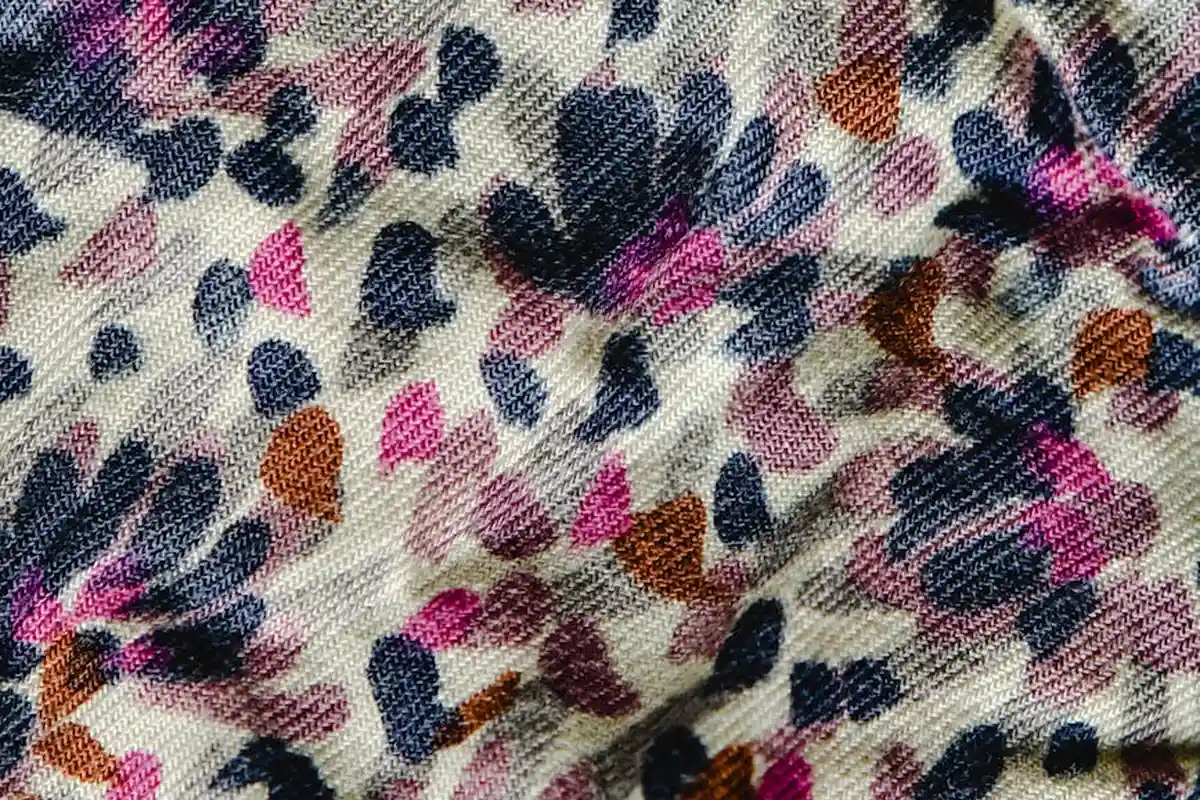
The fabric itself is rarely the villain. Think of the synthetic fiber as a blank canvas. The problems usually come from what gets added to that canvas during manufacturing and laundering. There are many myths and misconceptions about synthetic fabrics that muddy this picture. Exploring them helps separate fact from fiction.
I group the main culprits into three categories.
- Chemical Dye Molecules: Not all dye is locked into the fiber. Some dye molecules, especially in darker or less expensive garments, are not fully “fixed.” They sit loosely on the fiber surface, waiting to migrate. When you sweat or your skin rubs against the fabric, these loose molecules transfer to your skin, potentially causing a reaction. It’s like having loose glitter on a card-it gets everywhere.
- Functional Finishes: These are chemical treatments applied for performance. A common one is formaldehyde-based resin, used to give cotton and blends that “wrinkle-free” or “permanent press” quality. This resin can slowly release formaldehyde gas or leach onto skin, a known irritant. Waterproof, stain-resistant, and flame-retardant finishes work similarly, using complex chemistry that can be problematic for sensitive skin.
- Laundry Residue: This is a huge, overlooked factor. Synthetic fibers like polyester are hydrophobic-they repel water. Detergent and fabric softener are designed to cling to fibers. If you use too much detergent or have a weak rinse cycle, these soapy residues get trapped in the fabric’s microscopic structure. Later, your body heat and sweat reactivate them, creating a concentrated soap solution against your skin.
You can run two simple home tests before wearing a new garment to check for these issues.
First, the white cloth rub test for dye fastness. Take a damp, white cotton cloth or paper towel. Firmly rub it on a colored area of the new fabric for 10-15 seconds. If you see color transfer, those dyes are not fully fixed and may transfer to your skin. This helps prevent false results in a fabric colorfastness test. It also informs how you proceed with colorfastness testing.
Second, the sniff test. Give the new garment a good smell right out of the packaging. A strong, sharp chemical or plasticky odor often indicates residual finishing chemicals. That “new clothes smell” isn’t always a good sign.
Fiber-Specific Sensitivities: From Acrylic to Spandex
Labeling something just “synthetic” isn’t helpful. It’s like calling all fruit “sweet.” Each fiber has its own story. Let’s look at the usual suspects individually.
Polyester and Nylon: The Workhorses
These fibers are chemically inert and non-allergenic by nature. Their polymer chains are stable and don’t typically react with skin. So why the bad reputation?
The issue is their physical structure. Polyester and nylon are excellent at holding onto oils, body salts, and, crucially, detergent residues. Nylon fabric activewear properties—smooth surfaces, durability, and moisture management—affect how oils and residues cling to the fibers. That’s why thorough rinsing and proper washing are essential. If not rinsed impeccably clean, your activewear becomes a petri dish. The irritation from “backpack rash” or persistent gym clothes odor is usually from bacterial growth thriving in the trapped residue and sweat, not the fiber.
Microfiber polyester takes this further. Its incredibly fine filaments create a massive surface area. This makes it superb for wicking moisture when clean, but it also means it can trap more residues if laundered poorly. With polyesters and nylons, impeccable washing is your best defense against irritation.
Acrylic: The Potential Offender
Acrylic is different. It’s made from a chemical called acrylonitrile. During manufacturing, trace amounts of unreacted chemical, called monomers, can remain in the fiber. For some people, these residual monomers can trigger a genuine allergic contact dermatitis.
There’s also mechanical irritation. Acrylic is often spun to mimic wool. If spun into a coarse, bulky yarn, the fibers can be stiff and prickly, scratching sensitive skin much like a low-grade wool can. The itch from a cheap acrylic sweater is often this physical pricking, not a chemical allergy.
Elastane (Spandex/Lycra): The Common Denominator
You will almost never find a garment made of 100% elastane. It’s always a small percentage blended into other fibers to add stretch. The elastane polymer itself is generally skin-friendly.
The trouble often lies in the complex soup of chemicals used to process and dye these stretchy blends. Specific chemicals, like certain rubber accelerants used in the production of elastic threads or bands, are more common culprits in “elastic” allergies. If you get a rash precisely where elastic touches your skin, the elastic component is the likely source, but it’s the auxiliary chemicals, not the spandex fiber itself, causing the issue.
How Fabric Construction and Care Create (or Solve) Problems

Think of the fiber as the ingredient and the fabric as the finished meal. How it’s prepared changes everything. A polyester fiber can become a suffocating plastic sheet or a breezy, technical athletic shirt. The construction and your care routine are what make the difference.
Weave, Knit, and Your Skin
Picture two jackets. A tightly woven nylon windbreaker seals you in, trapping heat and sweat against your skin. This humid microenvironment is a common irritant. Now picture a loose, mesh polyester knit for running. Its open structure promotes constant airflow, moving moisture away. The fabric’s structure, not just its fiber content, dictates how it interacts with your skin.
Now, feel the yarn. A smooth, filament polyester yarn feels slick and uniform, like a continuous strand of fishing line. It has fewer places for dust, skin cells, or detergent residue to cling. A fuzzy, spun polyester yarn, made from short fibers twisted together, has a wool-like texture. That fuzz creates microscopic nooks that can trap more debris, which may lead to irritation for some. A sleek hand often means a smoother experience for sensitive skin.
The Laundry Reset: Washing for Skin Safety
Most skin reactions I see stem from what’s *on* the fabric, not the fabric itself. New garments often carry finishing chemicals, sizing, or dye residues from the factory. Your first wash is a critical reset button.
- Wash new synthetics alone before their first wear. This prevents any chemical transfer to other clothes.
- Use warm water (around 40°C or 100°F). This is hot enough to dissolve and release many processing chemicals but gentle enough for the fibers.
- Use half the recommended detergent, and choose a free-and-clear formula. High-efficiency machines use less water, so full doses can lead to sudsy residue trapped in the fabric.
- Run an extra rinse cycle. This is the most important step to flush away any loosened chemicals and detergent remnants.
- Skip fabric softener entirely on synthetic activewear or moisture-wicking layers. It creates a waxy coating that clogs the fibers’ ability to move moisture and can trap irritants against your skin.
A proper first wash removes the vast majority of potential contact irritants, making your garment safer to wear.
Handling Pro-Tip: The Pre-Wear Ritual
Here is my non-negotiable rule from years of testing clothes. For any synthetic item, especially performance activewear, “wrinkle-free,” or “stain-resistant” pieces, turn it completely inside out for that first wash. This protects any special coatings or finishes on the outer face from abrasion in the drum. More importantly, it focuses the cleaning action on the inner surface-the part that will be in direct, prolonged contact with your skin. Wash it separately on a gentle cycle. This simple ritual solves so many problems before they start.
Choosing Skin-Safe Synthetics: A Practical Guide
You don’t need a lab degree to make smarter choices. You just need to know what to look for and feel for when you shop or select fabric for a project.
What to Look for on Labels
Beyond the fiber content, seek out independent certifications. The Oeko-Tex Standard 100 label is your best friend. It means the fabric has been tested for a list of over 100 harmful substances, including allergens, and the limits are safe for human skin. It’s a verified checkpoint.
Your fingertips are also powerful tools. Before you buy, rub the fabric between your fingers. A soft, slick, and consistent feel often indicates finer, better-processed fibers. A rough, gritty, or overly stiff hand can signal lower-quality processing or heavier chemical finishes. Trust that tactile feedback.
When Blends Are Your Friend
Don’t write off blends. A classic 60% cotton / 40% polyester blend is a strategic compromise. The cotton fibers provide breathability and a familiar, soft feel against the skin. The polyester fibers add strength, reduce shrinkage, and help wick moisture away from the body. This hybrid approach often gives you the comfort of a natural fiber with the performance and durability of a synthetic, minimizing the pitfalls of each. For everyday wear like t-shirts and casual button-ups, a good blend can be the most reliably comfortable choice.
Are There Truly Hypoallergenic Synthetics?
First, let’s define “hypoallergenic.” In textiles, it generally means the product is made with fewer known allergenic substances. It is not a medical guarantee of no reaction. With that in mind, some synthetic options are inherently lower-risk, such as non-toxic nylon blends.
Fabrics made from recycled polyester (often labeled rPET) or certain recycled nylons can be surprisingly skin-friendly. The reason is in the process. To create clean, usable recycled fibers, the source material (like plastic bottles or old fishing nets) undergoes intense, repeated washing and purification. This rigorous cleaning can strip away previous chemical loads, resulting in a very “clean” starting point for the new fiber. While not automatically hypoallergenic, they start with a significant advantage. Look for these recycled materials paired with an Oeko-Tex certification for the most confident choice.
When NOT to Use Synthetic Fabrics
While most people wear synthetics without issue, specific situations call for a more cautious approach. Choosing a different fabric in these scenarios isn’t about fear, but about making an informed, low-risk choice for your comfort and health. Here’s my guidance, drawn from textile science and years of troubleshooting fabric reactions, especially in medical textiles where synthetic fabrics are commonly used.
For Chronic, Unexplained Contact Dermatitis
If you have a persistent, itchy rash with no clear cause, your clothing could be a silent contributor. This is the time for a strict diagnostic approach. I advise a full switch to plain, undyed, and preferably organic cotton or linen for at least two weeks as an elimination test. The goal is to remove as many variables as possible: dyes, synthetic fibers, chemical softeners, and formaldehyde-based wrinkle-resistant finishes common on synthetics and even some treated cottons.
Wash these test garments with a fragrance-free, dye-free detergent before wearing. If your skin clears up, you can begin reintroducing other fabrics one at a time to identify the culprit.
During Intense Physical Activity in Heat
Not all synthetics are created equal for sweat. A sleek, coated polyester windbreaker traps heat and moisture like plastic wrap. This humid microclimate can macerate skin, leading to heat rash (prickly heat) and chafing irritation, which is often mistaken for an allergy.
If you’re running, hiking, or working out in the heat, your choice matters. Opt for engineered, moisture-wicking constructions. Look for terms like “mesh,” “vented,” or specific performance names for polyester or nylon that are designed to move sweat to the fabric’s surface to evaporate. A loose weave is better than a tight coating.
For Baby Clothing That Will Be Chewed On
This is a critical distinction: the risk shifts from primarily skin contact to direct ingestion. Babies explore with their mouths, and textile finishes can transfer onto wet fabric. I recommend avoiding synthetics for items like drool bibs, crib sheet edges, and loveys because the risk of chemical ingestion from finishes is higher than from skin contact alone.
Stick with GOTS-certified organic cotton or cotton flannel. These standards limit harmful residues. Always wash new baby clothes multiple times with a gentle detergent before use to reduce any residual processing chemicals.
If You Are Highly Sensitive to Chemical Smells
That “new clothes smell” from a bag or suitcase is often volatile organic compounds (VOCs) off-gassing from textile finishes and dyes. For individuals with multiple chemical sensitivity (MCS), this off-gassing from new synthetic textiles can trigger headaches, nausea, or respiratory irritation.
Synthetics, particularly polyester, can retain these smells more tenaciously than natural fibers. The solution isn’t always to avoid synthetics entirely, but to manage them. Air out new garments outdoors for 24-48 hours before wearing. Wash them with a cup of baking soda or white vinegar in the rinse cycle to help neutralize odors. When possible, seek out Oeko-Tex certified items, which limit harmful substances. For polyester fabric odors removal, use cleaners made for synthetic fibers to target lingering smells. Pair them with the airing and rinsing steps above for best results.
Final Notes on Fabric Chemistry and Your Skin
Your best defense against skin irritation is knowing what is *on* your fabric, not just what it’s made from. Always wash a new garment before you wear it to rinse away excess chemical finishes, and test questionable items by wearing them for a short period over a cotton undershirt. This simple habit solves most problems before they start.
Treat your clothes as a long-term investment in both your comfort and the planet’s health. Learning about fiber properties, proper washing temperatures for cotton, wool, and synthetics, and gentle dyeing methods empowers you to care for your wardrobe effectively, reducing waste and irritation alike.
Research and Related Sources
- Allergens in Clothes: My Experience with Textile Dermatitis from Synthetic Fabrics
- Fabrics for atopic dermatitis – PubMed
- Synthetic clothing and itching complaints: An analysis – Iconic Elements by dr. Wu
Florian is a high fashion blog writer, fashion and fabric expert and a keen expert in fabric, clothing and materials. She has worked in large textile and fashion houses for over 10+ years, engineering and working with various fabric types and blends. She is an expert when it comes to questions on any and all kinds of fabrics like linen, cotton, silk, jute and many more. She has also traveled around the world studying traditional fabrics and aims to bring them into the modern fashion use.