
Cupro vs. Polyester Lining: Which is Better for Your Suits and Dresses?
Choosing a lining fabric often comes down to a battle between the cool, smooth feel of cupro and the tough, resilient nature of polyester. I test these materials regularly and can tell you the best pick depends entirely on how you wear and care for your clothes.
We will break down this choice by examining breathability and skin comfort, shrinkage behavior, washing and dyeing responses, and long-term care requirements.
The Short Answer: Your Quick Lining Selection Guide
Choosing a lining often comes down to a simple choice between two different worlds of fabric. Here’s a direct comparison.
| Cupro (Bemberg®) | Polyester |
|---|---|
| Feels cool, sleek, and soft against skin | Feels smooth but can be slightly plasticky |
| Highly breathable and moisture-wicking | Tends to trap heat and humidity |
| Has a beautiful, fluid drape that moves with you | Offers a crisp, structured hold |
| Derived from cotton (regenerated cellulose) | Made from petroleum (synthetic polymer) |
| Requires gentle, dry-clean preferred care | Machine-washable and very durable |
| Higher cost, considered a luxury lining | Very affordable and widely available |
The core trade-off is luxury feel and comfort versus easy care and budget-friendliness. One prioritizes how the garment feels to wear, the other prioritizes how the garment survives your routine.
For summer suits, silk dresses, or any formal wear where comfort is paramount, cupro often wins. For a machine-washable blazer or an everyday dress, polyester is the practical choice.
Fiber Foundations: What Are Cupro and Polyester Made Of?
To understand how they behave, you need to know where they come from. Their origins are completely different.
Cupro is a regenerated cellulose fiber. It starts with cotton linter, the tiny, silky hairs left on cotton seeds after ginning. This waste product is dissolved using a cuprammonium solution and then extruded into filaments. I like to call it “vegan silk from a lab” because it replicates silk’s luster and hand without any animal input. Is cupro a natural fabric? It’s man-made, but from a natural starting material, which explains its plant-like qualities—especially when compared to other natural fabrics.
Polyester is a fully synthetic polymer. Its base is purified terephthalic acid (PTA) and monoethylene glycol (MEG), both derived from petroleum. These chemicals are reacted to form a polymer melt that’s spun into thread. In polyester chemical properties manufacturing, catalysts and processing conditions tune molecular weight and crystallinity to control properties like strength and elasticity. Think of it as a very sophisticated plastic thread engineered for textiles.
Feel them side-by-side. Cupro has a smooth, cool hand, like the inside of a polished seashell. Polyester has a consistent, slick feel, more like a new credit card. You can often hear the difference, too-polyester linings have a characteristic stiff rustle, while cupro is much quieter.
The Property Breakdown: How Cupro and Polyester Behave as Linings
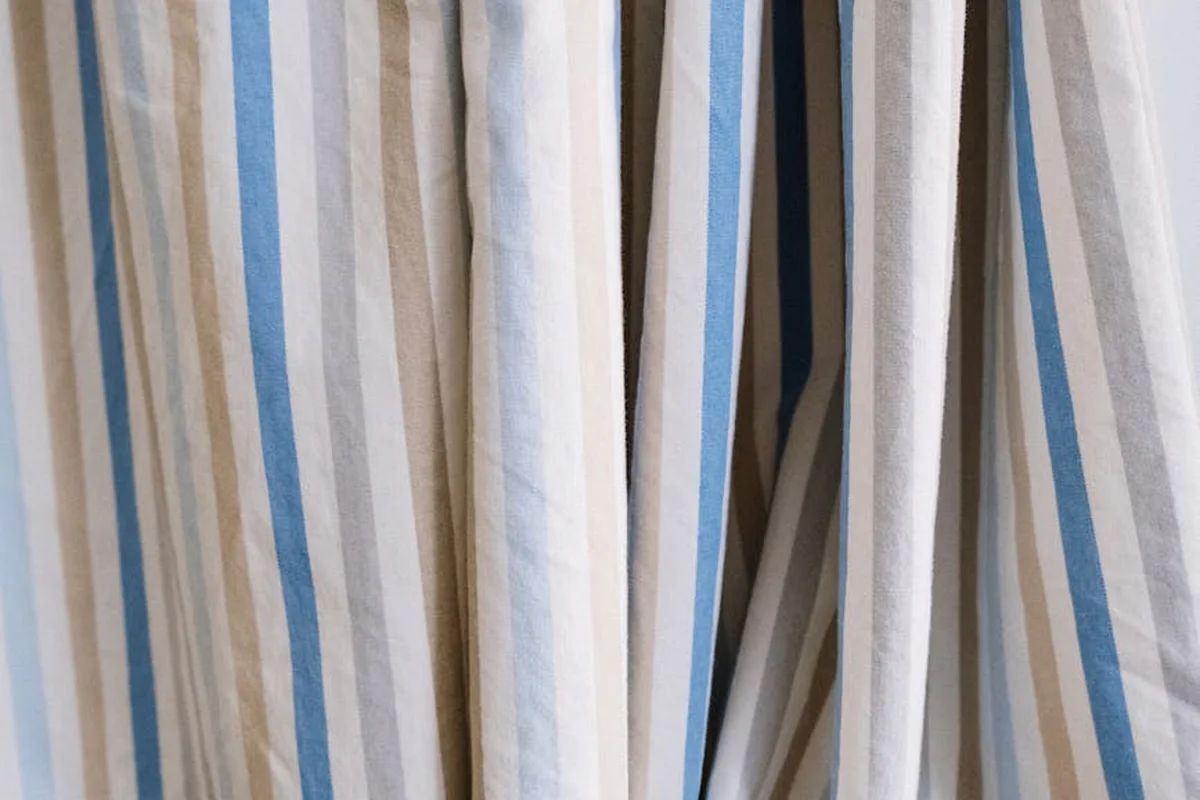
Let’s put these two lining fabrics under the microscope. This table gives you the quick comparison, but the real texture is in the details beneath it.
| Property | Cupro | Polyester |
|---|---|---|
| Breathability | Excellent | Poor |
| Shrinkage Rate | Medium-High (if mishandled) | Very Low |
| Heat Tolerance | Low-Medium | Very High |
| Stretch Factor | Minimal, but fluid drape | Minimal, but can be engineered |
Breathability and Moisture: Why You Feel Cool or Sticky
This is the most critical difference for how a garment feels on your skin all day. Cupro is a regenerated cellulose fiber, which means its microscopic structure is like a sponge. It absorbs moisture (sweat) and allows air to pass through its tiny channels. Cupro actively pulls dampness away from your skin, helping you feel cooler and drier.
Polyester, a synthetic plastic fiber, has a non-absorbent, smooth surface. Think of it like a thin layer of plastic wrap against your skin. It traps your body heat and any moisture, creating that clammy, sticky feeling. Polyester linings are more breathable than solid plastic, but they lack the active cooling mechanism of natural-based fibers. If you run a warm body or live in a humid climate, this difference is night and day, especially when compared to other synthetic fibers like nylon.
Durability and Daily Abuse: Which Lining Lasts Longer
Pure toughness is where polyester shines. Its synthetic polymer chains are incredibly resistant to abrasion, pilling, and snagging. It laughs off the friction of your arm sliding in and out of a sleeve. For pure, hard-wearing durability that can withstand years of rough handling, polyester is the stronger lining.
Cupro is more delicate. It’s strongest when dry but can weaken significantly when wet, making it more prone to tearing if handled roughly during washing. Its lovely smooth surface is also more susceptible to snags from rough fingernails or jewelry. Try this simple test: rub a swatch of the lining fabric briskly between your thumb and fingers for 10 seconds. Polyester will feel unchanged. Cupro may start to feel slightly fuzzy or “pilly,” signaling it requires gentler care.
Shrinkage, Wrinkles, and Static: The Annoyance Factor
Cupro behaves like its plant-based cousin, cotton. Wash it in hot water or put it in a hot dryer, and it will shrink, often by 5% or more. The safe rule is always cold water wash and air dry or tumble dry on the lowest, coolest setting. Does cupro lining wrinkle easily? Yes. Its fluid, elegant drape means it will develop soft creases, much like silk. A quick pass with a garment steamer or an iron on a low setting with a pressing cloth makes them vanish.
Polyester hardly shrinks at all and is highly wrinkle-resistant. Its main annoyance is static cling. In dry winter air, polyester linings are notorious for crackling with static and clinging to your clothing underneath. You can fight this with a dryer sheet tossed in the dryer, a light spray of diluted fabric softener on the lining, or by using a natural anti-static spray. So you choose your battle: gentle care for wrinkles or fighting static cling. For a no-fuss wardrobe, consider wrinkle-free, wrinkle-resistant fabrics that stay crisp with less effort.
Dyeing and Color: How These Fabrics Hold Hue
Cupro dyes beautifully. It has a high affinity for the same rich, reactive, and direct dyes used on cotton, resulting in deep, vibrant colors. Always wash a dark cupro-lined garment alone in cold water the first time, as some excess dye may bleed. After that initial wash, colorfastness is generally very good.
Polyester requires specialized disperse dyes and very high heat (often near boiling) to permanently bond the color to the fiber. This makes home dyeing a polyester lining practically impossible. A good care tip for any dark lining is to turn the garment inside out before washing. This protects the color from friction against other items in the wash, especially when washing delicate fabrics.
Suit Linings: Engineering for Movement and Climate
Choosing a suit lining isn’t just about fabric. It’s about solving physical problems: overheating in a boardroom, a sleeve that catches every time you move, a jacket that loses its shape. The lining is the hidden engine that makes comfort possible.
Choosing for Comfort: Summer Suits vs. Year-Round Blazers
For a summer suit or a dress you’ll wear in the heat, cupro is the clear choice. Its breathability directly prevents that trapped, sweaty feeling, making a wool or linen suit wearable on a warm day. For a year-round blazer worn mostly in climate-controlled spaces, a polyester lining can be a cost-effective and durable choice, especially in a tighter, more structured cut where maximum breathability is less critical.
Think about zones of friction. Even in a cupro-lined jacket, some makers will use a polyester or acetate sleeve lining. This “sleeve head” area takes the most abrasion from your shirt and arm movement. Using a synthetic here increases durability where it counts most, while keeping the cupro against your torso for comfort.
The Cost and Longevity Calculation for Suits
Cupro is more expensive. The process of dissolving cotton linter (a byproduct) and regenerating it into fiber is more complex and costly than extruding polyester pellets. That higher material cost translates directly to a higher garment price.
You must weigh this initial investment against care and feel. A cupro-lined suit feels luxurious and cool but often requires professional dry cleaning to preserve its hand and prevent shrinkage. A polyester-lined suit is less expensive upfront, can often be gently machine washed, and will show less wear from friction. The polyester lining will likely outlast the cupro in terms of pure abrasion resistance, but it may not outlast your desire to wear a suit that doesn’t breathe.
Dress Linings: From Bodycon Drapes to Formal Gowns
For a lining to do its job in a dress, it needs to solve three problems: stop the outer fabric from clinging to your body, provide enough opacity so you don’t see through it, and move with you without pulling or bunching. The right lining makes you forget it’s even there.
Formal and Special Occasion Dresses: The Luxury Standard
Which lining is better for formal dresses, cupro or polyester? For a gown you’ll wear for hours at a wedding or gala, I always recommend cupro. Its performance under pressure is unmatched.
Cupro has a sleek, heavy drape that makes skirts fall beautifully and prevents the lining from riding up. Polyester can sometimes feel stiff or create a separate, rustling layer.
The feel against your skin is the biggest differentiator. Cupro is smooth and cooling, a lot like high-quality silk. Polyester often feels slippery or synthetic, which can become uncomfortable during a long, warm event.
For formalwear, cupro is the premium choice because it breathes like a natural fiber, wicks moisture, and offers superior comfort for extended wear.
Everyday and Machine-Washable Dresses: The Practical Pick
Now, for your favorite lined sundress or a work shift dress that goes in the laundry every week, polyester’s toughness makes perfect sense. It can handle regular machine washing and drying with minimal fuss, especially when it’s polyester-spandex blend.
I tell people to think of it as the reliable workhorse. It resists wrinkles, dries quickly, and generally holds its shape wash after wash.
If you love the idea of cupro’s feel but need easier care, look for blended linings. A cupro-acetate mix, for instance, gives you a softer, more breathable hand than 100% polyester while being more washable than pure cupro. It’s a smart middle ground.
The Hands-On Care Protocol: Washing, Drying, and Ironing
Treating these linings correctly is what makes a garment last. Here is your step-by-step guide for each.
How to Care for Cupro Lining
Cupro is a regenerated cellulose fiber, similar to rayon or lyocell, and needs gentle handling. How do you care for cupro lining? Follow these steps.
- Test for colorfastness first. Dab a hidden spot with a damp white cloth to see if dye transfers.
- Hand wash in cold water or use a machine’s gentle/delicate cycle with cold water only. Hot water causes significant shrinkage.
- Use a mild, neutral pH liquid detergent. Avoid heavy detergents with optical brighteners or bleach.
- Never twist or wring the fabric. Instead, lay it flat on a clean towel, roll it up, and press gently to remove excess water.
- Always air dry flat, away from direct sunlight or radiators. Hanging it while wet can distort the shape.
High heat and harsh agitation are the main enemies of cupro, leading to irreversible shrinkage and a weakened fabric hand.
How to Care for Polyester Lining
Polyester is synthetic and much more resilient, but smart care prevents issues like static and heat damage. How do you care for polyester lining? It’s straightforward.
- Machine wash on a warm setting (around 40°C / 104°F). Warm water cleans better than cold and helps reduce static cling compared to hot water.
- A standard detergent is fine. You can add a fabric softener if static is a chronic problem.
- Tumble dry on a LOW heat setting and remove the garment promptly. This minimizes deep-set wrinkles.
- If you still fight static, toss in a dryer sheet or a damp, rumpled washcloth during the drying cycle.
While durable, consistent high heat from dryers can slowly degrade polyester fibers, making them brittle over many years.
Ironing and Storage for Both Linings
A quick press makes everything look polished.
- For Cupro: Use a low to medium heat setting. I always use a press cloth (a thin cotton handkerchief works) between the iron and the fabric. Steam is your best friend for releasing wrinkles without heavy pressure.
- For Polyester: Use a cool iron setting. Too much heat can melt the fibers slightly, creating a shiny, glazed patch that you cannot fix.
For storage, always use padded or wide hangers for suits and structured dresses to maintain the shoulder shape. For long-term storage, a breathable cotton garment bag is better than plastic, which can trap moisture.
Troubleshooting Common Issues
When problems pop up, here’s what to try.
Shrinkage in Cupro: This is often permanent because the fibers tighten and bond. You can try having a professional press it with steam while gently pulling the fabric to regain a small amount of ease, but don’t expect a full recovery.
Static in Polyester: Increase humidity in your home with a humidifier. Lightly misting the lining with a mix of water and a drop of fabric softener can help. Rubbing a metal clothes hanger over the garment also disperses the electrical charge, which is especially common in synthetic fabrics.
Pilling: Those little fabric balls are more common on polyester blends in areas like underarms. Use a battery-operated fabric shaver, moving it gently over the surface. Pilling happens from friction, so it’s a sign of wear, not a fabric defect.
Lining Up Your Final Choice
The best lining is the one that serves the garment’s purpose. For a tailored wool suit you wear often, choose cupro for its breathability and elegant drape. For a structured dress or a frequently worn blazer, a high-quality polyester offers dependable durability and shape retention.
Your care routine is part of the fabric’s science. Gentle washing, proper storage, and timely repairs extend the life of any garment, making your choice more sustainable. I encourage you to keep feeling fabrics, checking labels, and learning how fibers like cotton, silk, and nylon respond to dye, heat, and wear.
Expert Resources and Citations
- What Is Bemberg? And Why It’s The Best Lining Fabric – The Modest Man
- Bemberg, cupro, ermezine: The guide to linings – Permanent Style
- Cupro and Bemberg – the Only Choice for Your Suit Lining
- Bemberg – The King of Linings | Tailor On Ten
- Lining Fabric
Florian is a high fashion blog writer, fashion and fabric expert and a keen expert in fabric, clothing and materials. She has worked in large textile and fashion houses for over 10+ years, engineering and working with various fabric types and blends. She is an expert when it comes to questions on any and all kinds of fabrics like linen, cotton, silk, jute and many more. She has also traveled around the world studying traditional fabrics and aims to bring them into the modern fashion use.