How Do You Care for Rayon-Blend Office Clothes Without the Wrinkles and Stains?
Worried your rayon-blend skirt will crease by lunch or that coffee stain won’t come out? I handle these fabrics daily, and with the right care, you can keep them looking crisp and professional.
I will show you why rayon blends wrinkle so easily, my lab-tested routine for preventing creases during wash and wear, and safe, effective steps to remove common office stains.
Executive Summary: The Quick Facts on Rayon-Blend Office Wear
Rayon blends present a core paradox for your work wardrobe. They give you a beautiful, breathable drape that looks polished, but they are famously temperamental with water and heat.
Let’s start with the good. The key pros make rayon a favorite for office clothes.
- Excellent moisture absorption: It pulls sweat away from your skin, keeping you cooler than polyester on a long day.
- A soft, comfortable hand: The fabric feels pleasant against your skin, not stiff or synthetic.
- Superior drape: It flows and hangs elegantly, avoiding the boxy look some woven fabrics can have.
- Often more affordable: It provides a silk-like or fine-cotton look without the high price tag of pure luxury fibers.
Now, the challenges. Knowing the cons helps you work around them.
- High susceptibility to shrinkage: This is the number one risk. Heat and agitation can permanently reduce the size of your garment.
- Weakens when wet: The fibers become fragile, so you must handle a damp rayon garment gently to avoid tearing.
- Can wrinkle easily: Especially in humid conditions or after sitting, wrinkles can set in quickly.
- Requires mindful care: You cannot treat it like cotton. It demands a specific, gentle routine.
Rayon-blend office attire is ideal for blouses, dresses, and trousers where you need a sleek, professional, and breathable look. You just need to know its language.
Understanding Rayon’s Quirks: Why It Acts This Way
To care for rayon properly, you need to know what it is. Rayon is a regenerated cellulose fiber. That means it starts as wood pulp, which is then dissolved and chemically processed into fibers.
This makes it chemically similar to cotton (which is also cellulose), but its manufactured structure is different and weaker. Think of it like this: cotton is a strong, naturally twisted rope, while rayon is a smooth, reconstituted thread that hasn’t built the same internal strength.
Its reaction to water is the key to all its care needs. I tell my workshop students to picture a dry sponge. When you add water, it swells up, becomes heavy, and can easily lose its shape if you squeeze or pull it. Rayon acts just like that sponge.
Now picture a wool fiber. It’s more like a spring. It can stretch and return. Rayon does not have that natural resilience.
This leads to the two major risks you must manage:
- Progressive Shrinkage: Every time you expose a rayon blend to heat and mechanical action (like a washer’s spin cycle or a dryer’s heat), the swollen fibers can tighten and bind together a little more. I’ve measured garments that shrank 5-10% over just a few improper washes. The shrinkage is often irreversible.
- Loss of Strength When Wet: A wet rayon fiber can lose up to 50% of its strength. If you try to wring out a soaked rayon blouse, you risk stretching it out of shape or, worse, tearing the fabric along the seams.
Finally, let’s talk color. Rayon accepts dye beautifully, which is why you see such rich, vibrant colors in rayon garments. But this beauty has a caveat. The colorfastness can vary greatly depending on the dye used.
You should always wash rayon blends in cold water to lock the dye in place and prevent a laundry disaster. Hot water can cause dyes to migrate, leading to fading or bleeding onto other clothes. If a garment is a deep or bright color, wash it carefully and alone the first few times.
Rayon’s Office Allies: The Blend Breakdown
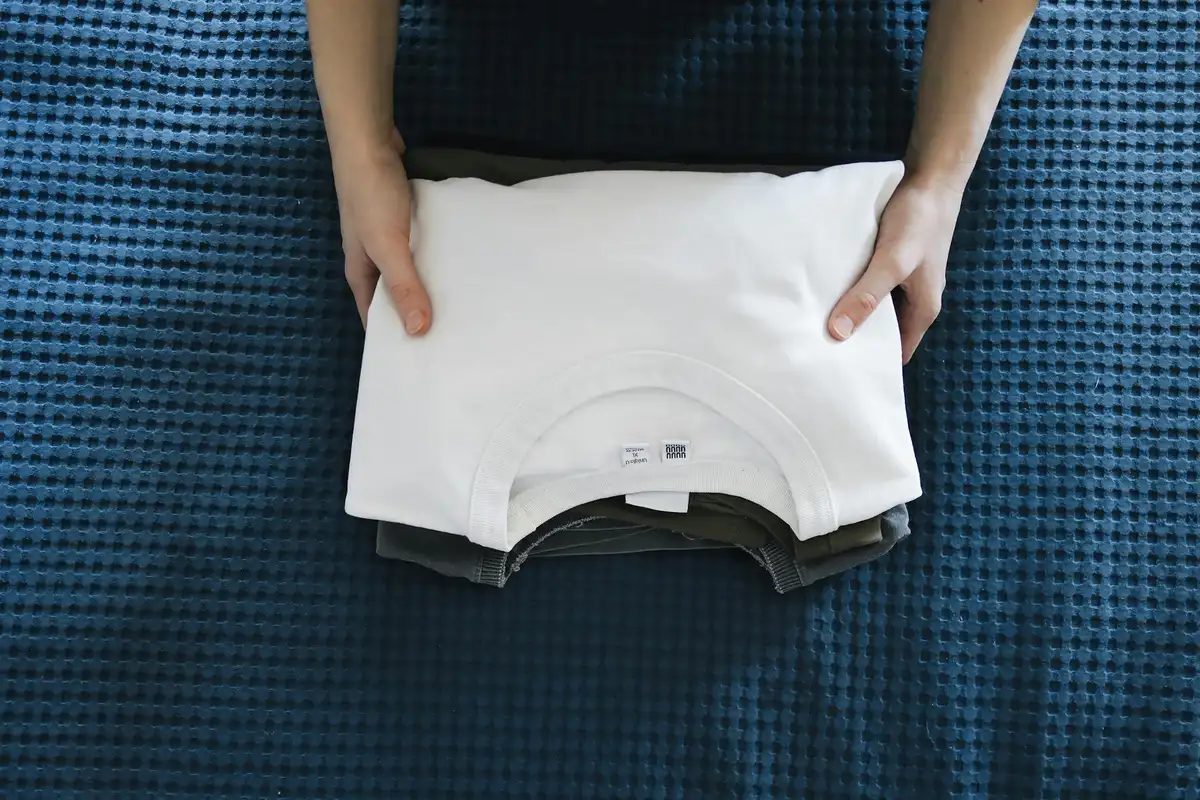
Pure rayon has a beautiful drape but can be a high-maintenance friend. In office attire, it’s almost always blended with other fibers to balance its luxurious feel with practical performance. The partner fiber dictates the garment’s personality and, most importantly, its care needs.
Rayon-Polyester
This is the workhorse of wrinkle-resistant office separates. Polyester brings synthetic strength to the partnership. Polyester’s main jobs are to add wrinkle resistance, boost durability against abrasion, and dramatically reduce the rayon’s tendency to shrink. A blouse with 60% rayon and 40% polyester will hold its shape through a long day at your desk far better than a 100% rayon one. The hand feel is often smoother and less porous than other blends.
Rayon-Cotton
Think of soft, breathable button-downs and relaxed-fit trousers. Cotton makes the fabric more absorbent and adds a familiar, soft hand. While cotton increases breathability and softness, it also introduces cotton’s own tendency to wrinkle, so this blend often requires more pressing. It’s supremely comfortable but may not look as crisp by 4 PM without a little steam. It can also shrink more than a rayon-polyester blend if washed in warm water.
Rayon-Wool (or Alternatives)
This blend is for structured blazers, sheath dresses, and cooler-weather tailoring. Wool provides natural warmth, resilience (it springs back from creases), and a crisply tailored structure. For animal welfare, excellent alternatives exist. High-quality acrylic or recycled polyester can mimic wool’s loft and warmth in a blend, offering a structured, resilient fabric without animal fiber. These synthetic alternatives are also often easier to care for, sometimes allowing gentle machine washing where wool would strictly require dry cleaning. However, it’s important to follow specific care instructions for wool-synthetic blends to maintain their quality.
Rayon-Spandex
Spandex (or elastane) is the secret agent of comfort, added in small doses, usually 2-5%. Its role is singular but vital. Spandex adds that minimal, recoverable stretch for comfort across the shoulders or when seated, without compromising rayon’s fluid drape. You won’t see it on the surface, but you’ll feel the difference. The key care note here is that high heat can degrade spandex, so ironing requires extra caution.
Reading Your Care Label: The Ratio is Key
That tiny tag holds the blueprint. Look for a phrase like “60% Rayon, 37% Polyester, 3% Spandex.” The first fiber listed is the primary one. The blend ratio matters because it tells you which fiber’s properties will dominate the care process. A garment that is 70% rayon and 30% cotton behaves much more like rayon-it’s more water-sensitive. Flip that ratio to 70% cotton and 30% rayon, and you can often treat it like a robust cotton item. I always decide my washing method based on which fiber has the highest percentage and the most delicate needs, especially when dealing with modal-cotton fabric blends that require extra attention.
The Care Protocol: Your Step-by-Step Washing Guide
Rayon, even in a blend, is a regenerated cellulose fiber. This means it’s stronger when dry than when wet. Different rayon production methods—viscose, cuprammonium, and lyocell—shape fiber properties like strength and absorbency. I always treat it like a delicate silk or fine wool. Rushing this process is how pieces get misshapen.
Step 1: The Label is Law
Before you do anything, read the permanent care label inside the garment. Look past the words for the symbols:
- A tub symbol means washing. One line underneath indicates a gentle cycle. Two lines means very gentle.
- A circle means dry clean only. Respect this, especially for structured pieces like rayon-wool blazers.
- An iron with dots shows the max heat: one dot (low, approx. 110°C/230°F), two dots (medium), three dots (high).
If the label says “Dry Clean Only,” there’s usually a good reason related to the fabric’s construction or dye stability. For blends with a “hand wash” instruction, proceed to step two.
Step 2: The Gold Standard Hand-Wash
This is my go-to method for any rayon-blend I cherish. Fill a clean sink or basin with cool to lukewarm water. Use a gentle, neutral pH detergent (like one for delicates or wool). Submerge the garment and gently swish it through the water for 2-3 minutes. No scrubbing, no twisting. The key is gentle agitation, not force, to release soil without stressing the wet fibers. For light stains, let the garment soak for up to 30 minutes. Then, drain the soapy water and refill with clean, cool water of a similar temperature to rinse until the water runs clear. That same gentle wash-and-dry routine applies to rayon-nylon-spandex blends as well. After washing, lay flat or hang to air dry to preserve shape and elasticity.
Step 3: The Machine Wash Workaround
Only attempt this if the care label includes a machine wash symbol. Your safeguards are non-negotiable:
- Turn the garment inside out.
- Place it in a zippered mesh laundry bag for protection.
- Set the machine to a cold water wash and a gentle or delicate cycle.
- Use a low spin speed, or better yet, the “drain only” or “spin cancel” option if you have it.
The washer’s agitation and spin are the main risks, not the water itself, so minimizing mechanical action is the goal. Never wash rayon blends with heavy items like jeans or towels.
Step 4: Drying is Where You Win or Lose
This is the most critical phase. Never, ever put a rayon-blend garment in a tumble dryer unless the label explicitly says “tumble dry low.” The heat and tumbling will cause severe shrinkage and distortion. Instead:
- Lay a large, clean, dry towel flat on a surface.
- Lay the wet garment flat on top, smoothing it into its correct shape.
- Carefully roll the towel and garment together like a jelly roll to blot out excess water.
- Unroll, transfer the garment to a fresh, dry towel or a flat drying rack, reshape it, and let it air dry away from direct sunlight or heat vents.
Lay-flat drying preserves the garment’s dimensions and prevents the shoulders from forming weird bumps from a hanger. Patience here saves you from ironing later. These steps are a core part of rayon fabric drying care. Getting this right helps preserve softness, drape, and fit.
Step 5: Ironing and Steaming for a Crisp Finish
Even with careful drying, you might need to remove wrinkles from rayon blend garments. Steam is your best friend. A handheld steamer or the steam function on your iron can relax wrinkles without direct contact. If you must iron:
- Set your iron to a medium-low heat (the synthetic or silk setting, usually one or two dots).
- Always iron the garment while it is slightly damp or use a spray bottle to mist it.
- Use a pressing cloth-a thin cotton handkerchief or muslin placed between the iron and the fabric. This prevents scorching and that unwanted shine.
Iron on the reverse side whenever possible, and use a gentle press-and-lift motion instead of sliding the iron, which can stretch the fabric. For rayon with spandex, keep the heat as low as possible to protect the elastane fibers.
Keeping It Pressed: Wrinkle Prevention for the Work Week
Rayon wrinkles because of its core science. It is made from regenerated cellulose, similar to the fibers in a cotton ball. These fibers are pliable and have a low natural resilience. Think of each fiber like a slender tree that bends easily in the wind but lacks a strong spring to pop back upright. Once the hydrogen bonds between cellulose molecules are broken by pressure or moisture, they reform in a bent position, creating a wrinkle.
Your Daily Prevention Plan
A little daily habit saves you from weekly ironing marathons. Your best tools are time and gravity.
- Hang It Immediately: When you take off your blouse or trousers, hang them on a padded hanger right away. Letting the fabric hang freely allows many of the day’s wear wrinkles to relax and fall out overnight.
- Steam During Your Shower: Hang the garment in the bathroom while you take a hot shower. The ambient steam gently relaxes the cellulose fibers. I often give it a light shake and smooth it with my hands after my shower; it’s like a free refresh cycle.
- Roll For Travel: Folding creates sharp, pressed-in crease lines. Rolling your rayon-blend pieces loosely, like a sleeping bag, distributes the pressure and minimizes hard wrinkles. Place them at the top of your suitcase.
Fixing Deep Wrinkles
For stubborn creases, you need controlled heat and moisture. An iron is your friend, but it must be used correctly to prevent scorching or melting any synthetic fibers in the blend.
- Set your iron to a low or synthetic setting. If your garment is a 50/50 rayon-polyester blend, use the polyester temperature guide.
- Place a thin, damp cotton cloth (a clean kitchen towel or pillowcase works) over the wrinkled area. This creates a protective barrier and provides uniform steam.
- Press the iron down gently, hold for a few seconds, lift, and move to the next section. Do not slide the iron back and forth, as this can distort the fabric.
Always iron the garment inside-out for an extra layer of protection against shine or accidental heat damage.
Remember, the blend matters. A fabric with 70% polyester and 30% rayon will hold its shape with far fewer wrinkles than a 95% rayon piece. The synthetic polyester fibers act like tiny springs, giving the fabric memory and bounce-back that pure rayon lacks.
Stain Removal for Office Mishaps: Coffee, Ink, and Lunch
Stains are a race against the clock. Your three universal rules are non-negotiable: act fast, always blot (never rub), and test any cleaner on an inside seam or hem first. Rubbing grinds the stain deeper into the fiber matrix.
By Stain Type: A Targeted Approach
Water-Based Stains (Coffee, Tea, Soda)
- Act immediately. Turn the garment inside out to access the stain’s backside.
- Flush the stain from the back with a steady stream of cool, running water. This pushes the stain out the way it came in, instead of through the fabric.
- Apply a single drop of clear, gentle liquid detergent (like a mild dish soap) directly to the stain. Gently work it in with your fingers or a soft toothbrush.
- Blot firmly with a clean, white cloth from the front to absorb the lifted stain.
Oil-Based Stains (Salad Dressing, Makeup, Butter)
- Your first goal is absorption. Immediately sprinkle the spot with cornstarch, baking soda, or talcum powder. This soaks up the grease.
- Let it sit for 15-20 minutes, then brush away the powder completely.
- Pre-treat the remaining spot with a stain remover gel designed for greasy stains. Let it sit for 5-10 minutes before washing.
Ink Stains (Ballpoint Pen)
This is the trickiest. Isopropyl (rubbing) alcohol can dissolve the ink dye, but it can also dissolve or damage certain fabric dyes and finishes. Proceed with extreme caution and a well-ventilated area.
- Place a clean, absorbent cloth under the stain.
- Dampen a cotton swab with a small amount of 70% isopropyl alcohol.
- Gently dab (do not rub) the center of the ink stain. You should see the ink transfer to the swab.
- Frequently shift to a clean part of the cloth underneath and use new swabs to avoid reapplying ink.
- Stop and try a different method if you see the garment’s color leaching onto your swab.
The Critical Final Step
After any spot treatment, you must wash the garment. Wash it alone or with similarly colored items on a cool, gentle cycle to prevent any residual stain solution from affecting other clothes. Before you transfer it to the dryer, inspect the stain under good light. Heat from a dryer will set any remaining stain permanently. If the mark is still visible, repeat the treatment and washing cycle. Air dry until you are certain the stain is completely gone.
When to Call a Pro: Dry Cleaning vs. Home Laundry
That “Dry Clean Only” tag can feel like a command, but in textile science, it’s often a risk assessment. My rule is simple: send out the complex, handle the simple at home.
Send it to the Professionals For
Dry cleaning uses chemical solvents, not water, which prevents fibers from swelling and fabrics from losing their shape. This process is non-negotiable for garments where structure is the entire point. Think of a tailored blazer or suit-the inner interfacing, padding, and crisp seams are often glued or heat-set. Water can dissolve these bonds, causing irreparable bubbling or collapse.
- Structured Garments: Suits, structured blazers, and any piece with significant internal interfacing.
- Intricate Detailing: Items with beading, sequins, or delicate embroidery that stitching or glue won’t survive agitation.
- Strict Labels: If the tag says “Dry Clean Only” on a garment you truly value and cannot replace, heed it. The manufacturer has determined home care risks are too high.
You Can Likely Handle These at Home
Most of your rayon-blend office wardrobe falls here. Simple weaves like plain or twill in blouses, dresses, and pants, especially those blended with polyester, are excellent candidates for gentle home care. The synthetic polyester adds stability, reducing rayon’s notorious wet weakness and shrinkage risk. I machine wash my own polyester-rayon blends on a cold, delicate cycle inside a mesh bag. They come out fine — so long as you follow proper care guidelines.
The “Dry Clean” Tag on Rayon: A Liability Shield
Here’s an industry truth. Rayon, a semi-synthetic from cellulose, loses about 40% of its strength when wet. Manufacturers use the “Dry Clean” label to avoid claims from customers who machine-wash aggressively and ruin a garment. For many simple rayon blends, hand-washing with extreme care is a viable, money-saving option. For viscose rayon fabrics, care often comes down to whether to wash or dry clean. Understanding these options helps you navigate care labels. You must decide if the gamble is worth it.
Ask yourself these questions before attempting home wash:
- Construction: Is it a simple shell with no lining, padding, or stiff structure?
- Value: Is this a replaceable fast-fashion piece or a cherished designer item?
- Color: Are the colors saturated and likely to bleed? Test a hidden seam with a damp white cloth.
If you proceed, use cold water, a mild detergent, and never wring. Gently press water out and lay flat on a towel to dry. Expect 3-5% shrinkage, which is normal for rayon.
Talking to Your Dry Cleaner is Key
If you do take a garment in, be an active participant. Always point out any stains directly to the cleaner and tell them what caused the stain if you know. Coffee, ink, and oil each require different pretreatment solvents. A stain they miss before the cleaning cycle can become permanent set by the heat of finishing.
I keep a small piece of masking tape on my garment with a note like “lipstick on collar” or “tea splash here.” This clear communication gives them the best chance to return your attire to you in perfect, professional shape.
Fabric Stewardship for Your Office Attire
Always handle rayon-blend garments with a cool head and a gentle touch to keep them office-ready. Steam out wrinkles instead of ironing with direct heat, and blot stains immediately with cold water to protect the fabric’s delicate cellulose structure.
Treating your clothes with respect extends their life, reducing waste and honoring the resources used to make them. I encourage you to stay curious about textile science, from how cotton breathes to why polyester dries fast, making every wash a informed choice.
Sources and Additional Information
- How to Wash and Care for Rayon Clothing
- Rayon Fabric: Care Tips & Benefits
- r/VintageFashion on Reddit: How to wash 80’s rayon?!
- How To Care For & Wash Rayon | Fabric Care Guide | Purex®
- r/femalefashionadvice on Reddit: Rayon – is it all awful? Am I washing wrong?
- Does Rayon Shrink? How to Wash and Dry Rayon | Whirlpool
Florian is a high fashion blog writer, fashion and fabric expert and a keen expert in fabric, clothing and materials. She has worked in large textile and fashion houses for over 10+ years, engineering and working with various fabric types and blends. She is an expert when it comes to questions on any and all kinds of fabrics like linen, cotton, silk, jute and many more. She has also traveled around the world studying traditional fabrics and aims to bring them into the modern fashion use.