
What Is Rayon? Your Guide to the Fiber from Wood Pulp
If you’ve ever been baffled by a rayon tag that says “dry clean only” or felt a shirt lose its shape in the wash, I’ve been there in the lab. Let’s demystify this common but confusing fabric together.
I’ll walk you through exactly what makes rayon unique. We will cover the chemical process that transforms wood pulp, the different types you’ll encounter, and the practical properties that affect shrinkage, dyeing, and daily care.
Executive Summary: Your Quick Guide to Rayon
Here’s what you need to know right away. Rayon is a semi-synthetic, breathable fiber born from wood pulp. It gives you the fluid drape and sleek, cool hand of silk without the high price tag.
Its key properties define how it behaves and how you should care for it:
- Excellent Drape: It falls in soft, graceful folds, perfect for fluid silhouettes.
- Soft Hand: The fiber surface is incredibly smooth, often feeling luxurious against the skin.
- Good Moisture Absorption: It can absorb more moisture than polyester, helping you feel cooler.
- Prone to Shrinkage When Wet: This is its most famous trait. It can shrink 3% to 10% or more if agitated in warm water.
- Weaker When Damp: The fiber loses up to 30-50% of its strength when wet, so it needs gentle handling.
The main appeal of rayon is its affordable versatility and beautiful drape in vegan-friendly fabrics. The trade-off is a fabric that demands a gentle touch. It can shrink dramatically, often requires hand-washing, and its conventional manufacturing raises environmental questions we’ll discuss.
You’ll find rayon doing its best work in garments where movement and flow are key:
- Flowy summer dresses and skirts
- Lightweight blouses and tunics
- Garment linings that feel cool and smooth
- Any design where a beautiful, cascading drape is the goal
Your one-line care rule to live by: Hand-wash in cool water and always air-dry flat to keep its shape. This simple habit prevents most rayon heartbreaks.
The Rayon Process: How Wood Becomes Fabric
So, how is rayon made from wood pulp? The process transforms solid wood into a liquid and then back into a solid fiber, a true feat of textile engineering. Let’s walk through it.
Think of it like making pasta from scratch. You start with a raw material-flour from grain, or cellulose from wood. You then dissolve or mix it into a dough-like substance. Finally, you force it through a tool with holes (a pasta die or a spinneret) to create the desired strands.
- Sourcing the Wood: It begins with trees or plants like beech, bamboo, or eucalyptus. These are chosen for their high cellulose content and, often, fast growth rates.
- Creating Wood Pulp: The wood is chipped and broken down through cooking and bleaching to extract pure cellulose. This leaves a white, fluffy pulp not unlike thick paper.
- Dissolving into Viscose: Here’s where chemistry takes over. The pulp is treated with chemicals like sodium hydroxide and carbon disulfide. This transforms it into a thick, honey-like, viscous liquid called “viscose.” This is how the most common type of rayon, viscose rayon, gets its name.
- Extruding through a Spinneret: The viscose liquid is forced through a tiny showerhead-like device called a spinneret. Each hole forms a single, continuous filament.
- Solidifying into Fiber: The thin streams of viscose are extruded into a bath of sulfuric acid. This bath coagulates the liquid, solidifying it into regenerated cellulose filaments-the rayon fibers we know.
This is why rayon is called “semi-synthetic” or “regenerated cellulose.” The core material is 100% natural plant cellulose. But the chemical processing required to dissolve and regenerate it into a spinnable fiber places it in a unique category between natural and fully synthetic. It’s one of several synthetic cellulose fibers used in the textile industry.
From Forest to Fiber: A Closer Look
Different woods impart subtle characteristics. Fast-growing bamboo is a popular source marketed for its renewability, though the processing is chemically identical to viscose. Beechwood gives a very soft, consistent fiber. Eucalyptus can be used for types like Lyocell (TENCEL™), which uses a different, closed-loop solvent.
The chemical solvents, like carbon disulfide in the viscose process, are effective but have historically raised environmental and worker safety concerns. This has driven innovation toward more sustainable, closed-loop methods where solvents are recycled. This is a key point to consider when choosing your fabrics.
How This Process Defines Rayon’s Behavior
The manufacturing journey explains everything about how rayon feels and behaves in your hands and in your wash.
The extrusion through the spinneret creates a fiber with an incredibly smooth, round surface. This gives rayon its characteristically sleek, silky hand. However, this same process creates a fiber structure that is vulnerable. Unlike the naturally formed, robust spiral structure of cotton, rayon’s regenerated polymer chains are shorter and less organized.
This has two major effects. First, the less crystalline structure absorbs water molecules more readily, which is why rayon is so moisture-absorbent. Second, when those water molecules push between the polymer chains, the fibers swell and can permanently re-settle into a shorter, thicker formation-this is the science behind rayon’s notorious shrinkage. In essence, cotton’s structure is like a tight, resilient spring, while rayon’s is more like a sponge that can compress.
Rayon Types Decoded: Viscose, Modal, Lyocell & More
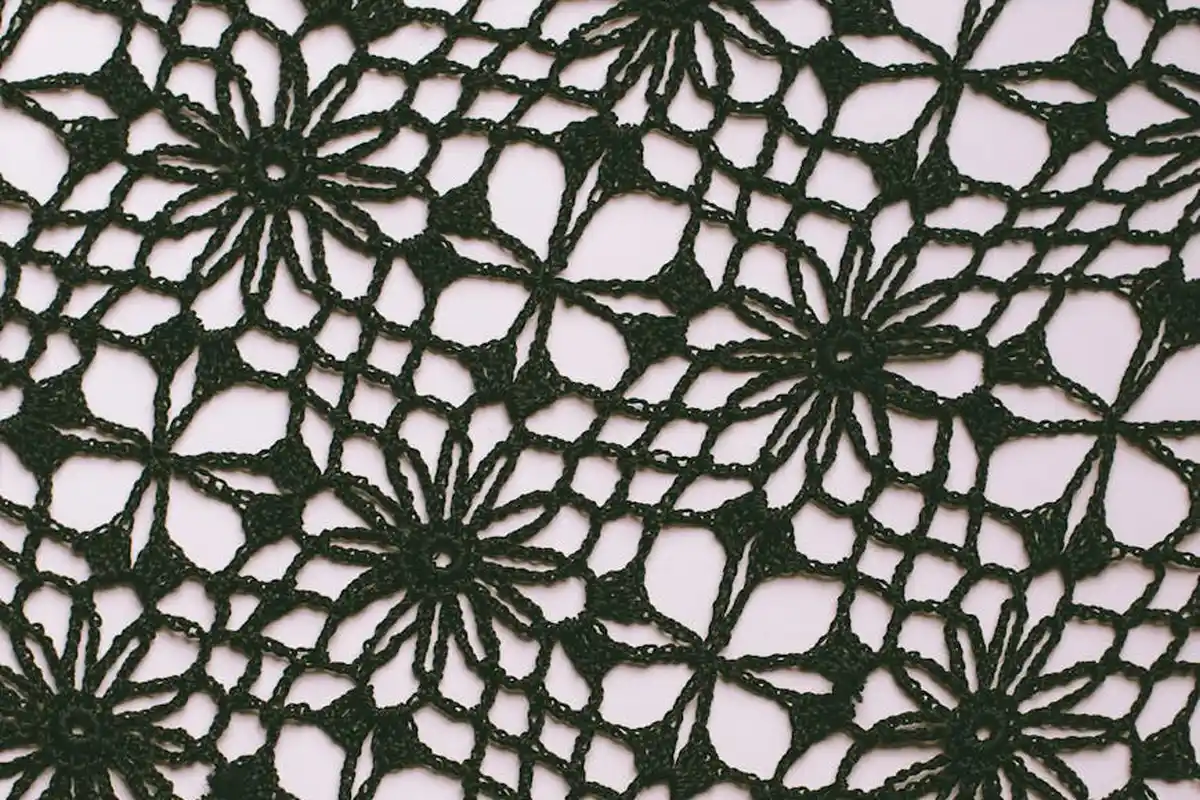
First, a key clarification: “rayon” is the umbrella category for fibers made from regenerated cellulose. Viscose is the most common type, so you’ll often see the names used interchangeably. Think of it like “soda” being the category and “cola” being a specific type. The differences come from the source material and, crucially, the manufacturing process, which changes the final fiber’s personality — it’s similar to the differences between viscose, modal, cotton, and polyester.
This quick guide compares the main types you’ll meet.
- Viscose: Feel: Soft, fluid drape. Strength: Weakens significantly when wet. Shrinkage: High risk. Best For: Flowy blouses, dresses, linings.
- Modal: Feel: Silky, heavier, more substantial than viscose. Strength: Stronger when wet than viscose. Shrinkage: Moderate risk. Best For: Everyday t-shirts, pajamas, underwear.
- Lyocell (TENCEL™): Feel: Smooth, cool, sleek hand. Strength: Very strong, even when wet. Shrinkage: Low risk. Best For: Structured garments, denim, activewear, bedding.
- Cupro: Feel: Silky, luxe drape similar to silk. Strength: Moderate. Shrinkage: Moderate risk. Best For: Lightweight dresses, blouses, luxury linings.
Viscose Rayon: The Standard
When you pick up a breezy, inexpensive blouse that feels cool and drapes beautifully, you’re likely holding viscose. It’s highly absorbent, even more so than cotton, which makes it comfortable in heat. That gorgeous drape comes from the fiber’s structure and weight.
Its main drawbacks are a tendency to wrinkle easily and a high potential for shrinkage, sometimes up to 10% or more in a warm wash. It also loses about half its strength when wet, so you must handle viscose garments gently in the wash. I always recommend a cold, gentle cycle and laying flat to dry to preserve its size and shape. For dyeing, it takes fiber-reactive dyes (like those for cotton) beautifully, resulting in vibrant colors.
Bamboo Rayon: It’s Usually Just Viscose
Here’s a vital fact: most fabric labeled “bamboo” is actually “bamboo viscose.” The bamboo plant is pulped, and then it undergoes the standard viscose process. While bamboo is a fast-growing, renewable resource, the chemical processing is similar, so don’t assume it’s inherently “green.”
The resulting fabric is wonderfully soft and breathable, often with a slight sheen, but it behaves exactly like standard viscose in care. Expect the same shrinkage and wet-weakness. Always check the label-if it says “bamboo viscose” or “rayon from bamboo,” treat it as you would viscose.
Modal: The Stronger, Softer Upgrade
Modal is like viscose’s more resilient cousin. During production, the fibers are partially stretched, which aligns their molecules. This makes modal stronger, especially when wet, and much more resistant to shrinkage-often under 5%.
You’ll notice modal has a heavier, more luxurious hand than standard viscose, often compared to super-soft, pima cotton but with more luster. It’s commonly used for items that need to withstand regular washing while staying soft, like t-shirts and bed sheets. You can usually machine wash modal on a gentle cycle with cool water. It dyes well with the same fiber-reactive dyes as cotton and viscose.
Lyocell (Often TENCEL™): The Modern Marvel
Lyocell, frequently branded as TENCEL™, represents a technological leap. It uses a non-toxic, organic solvent (NMMO) in a closed-loop process where over 99% of the solvent is recycled. This is its major environmental advantage.
Lyocell fibers are incredibly strong, even when soaking wet, and show minimal shrinkage, often around 3%. The surface is exceptionally smooth, giving it a cool, sleek feel that drapes without clinging. It wicks moisture better than cotton and has a gentle, peach-skin texture. I find it performs like a blend of the best qualities of cotton (breathability), silk (drape), and polyester (strength). For care, a gentle machine cycle is typically fine, and it’s very resistant to pilling.
Other Types: Cupro and Acetate
Two other regenerated cellulose fibers are worth a brief mention. Cupro (short for cuprammonium rayon) is made from cotton linter—the tiny, fuzzy fibers left on cotton seeds after ginning. Cupro has a beautifully silky hand and fluid drape, making it a popular, more affordable alternative to silk for linings and lightweight garments. Care is similar to viscose: gentle, cold washing.
Rayon acetate (or simply acetate) is chemically different. It’s an acetate ester, not a pure regenerated cellulose. This gives it a more synthetic feel, often used in taffetas and satiny linings. Acetate is often dry-clean only, as it can be dissolved by common solvents like acetone (found in nail polish remover) and can melt under a high-heat iron. Always check the care label on acetate items.
Rayon in Your Hands: Properties and Practical Uses
Let’s move from the chemistry vat to your closet. What does this wood-pulp fiber actually feel like? I handle rayon every week, and its behavior is distinct. It often mimics the luxury of silk with the accessibility of cotton, but it has its own unique personality.
Think of rayon as the graceful performer of plant-based fibers-it moves beautifully but needs a gentle backstage hand.
Key Physical Properties
These are the core traits that define how rayon looks, feels, and behaves in your projects and daily wear.
Drape and Texture
Rayon’s most celebrated feature is its fluid drape. It doesn’t stand away from the body; it flows over it. This happens because the regenerated cellulose filaments are incredibly smooth and often spun as long, continuous threads. There’s little friction or stiffness to resist gravity.
Compare a viscose challis skirt to one made of crisp cotton poplin. The challis will fall in soft, rolling waves, clinging and releasing with movement. The poplin holds a more structured, A-line shape. A tightly woven rayon can feel sleek and cool to the touch, almost like a lightweight satin, while a textured one can have a subtle, linen-like nub.
The smoothness of the fiber is what gives rayon its signature sleek hand and elegant, forgiving drape in garments.
Moisture and Strength
This is the most critical property for care. Rayon is highly absorbent-it can take in moisture like a sponge. This makes it wonderfully cool and comfortable to wear in heat, as it pulls sweat away from your skin. However, it requires special care when drying to maintain its quality.
But here’s the catch I always warn about: rayon can lose up to half its tensile strength when it’s wet. A damp rayon seam is surprisingly fragile. This is the root of so many issues-garments that tear at the seams in the wash, necklines that stretch out when hung heavy with water, or fabrics that distort easily if handled roughly while damp.
You must handle wet rayon with deliberate care, supporting its weight and avoiding any pulling or wringing to prevent tears and misshaping. I always treat a wet rayon piece as if it were a delicate silk crepe de chine.
What to Make and Buy: Rayon’s Best Uses
Knowing its properties tells us exactly where rayon shines. It’s perfect for garments that benefit from movement and a soft, fluid silhouette.
- Flowing blouses and tunics
- Summer dresses and maxi skirts
- Loose, draped trousers
- Lightweight scarves and wraps
- Unlined jackets and kimonos that need a soft drape
In home textiles, its elegant fall makes it a classic choice for curtains and drapery, especially in lined styles where its weaker strength is supported.
You’ll rarely find 100% rayon in hard-wearing items like jeans or upholstery. Instead, it’s often blended to balance its virtues with more robustness:
- Rayon + Polyester: The polyester adds significant durability, wrinkle resistance, and helps control shrinkage. The rayon keeps the blend from feeling too synthetic or stiff. This is common in blouses and dresses that need to travel well.
- Rayon + Cotton: This blend marries rayon’s drape with cotton’s breathable stability. It often results in a fabulously soft, slightly textured fabric that is easier to care for than pure rayon. Look for it in casual shirts and lightweight knit tops.
When you choose a rayon blend, you’re often getting easier care and more durability, while still enjoying that desirable fluid movement.
Rayon Care Protocol: The Step-by-Step Guide
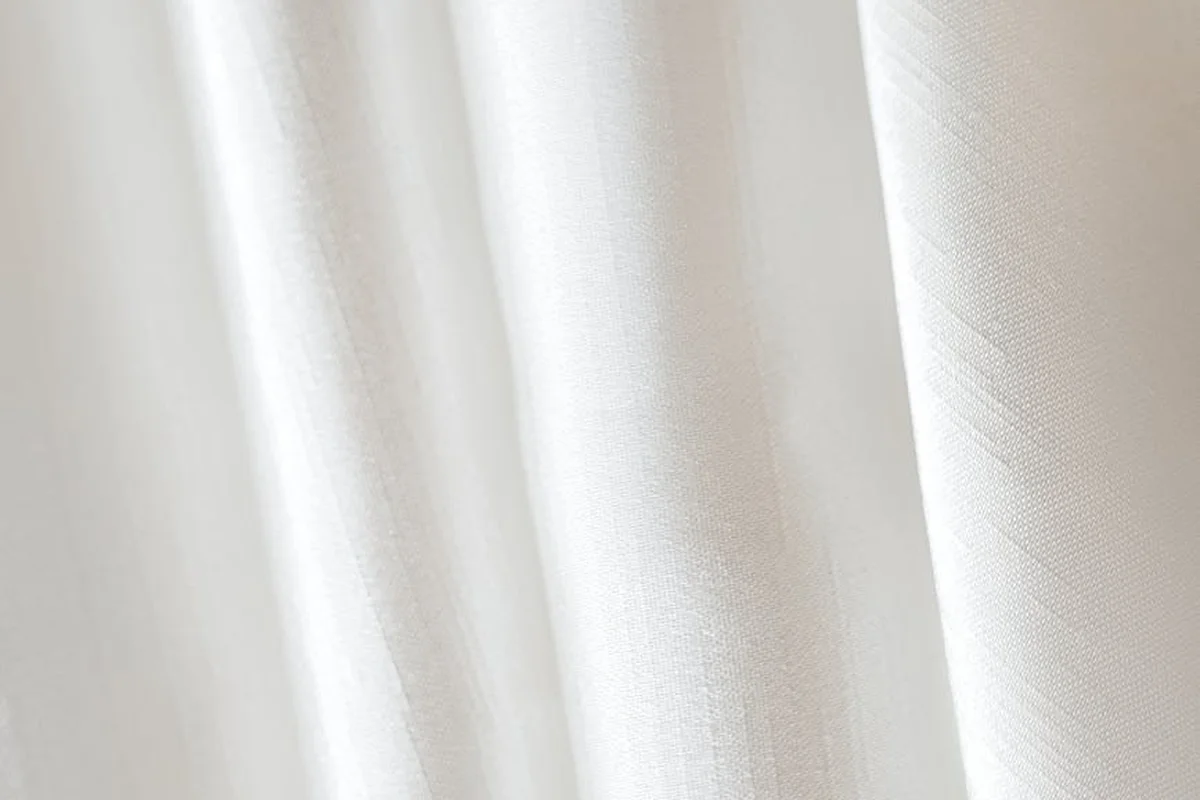
Treating rayon correctly isn’t about being fussy. It’s about physics. The fibers are weakest when wet and will shrink permanently with heat and agitation. This protocol is your non-negotiable routine for keeping rayon garments beautiful for years.
For every step, remember these core parameters: keep water cool (under 30°C/86°F), use mild pH-neutral detergent, avoid all twisting/wringing, and banish heat from dryers.
How to Wash Rayon: The Golden Rules
Rayon’s strength drops by up to 50% when saturated. That’s why gentle handling is not a suggestion-it’s a requirement to prevent stretching, tearing, and fuzzing.
Hand-Washing Method (Recommended)
I always hand-wash my favorite rayon pieces. It gives you control no machine can match.
- Fill a clean basin or sink with cool or lukewarm water. Never exceed 30°C (86°F). Hot water starts the shrinking process.
- Add a small capful of mild, liquid, pH-neutral detergent. Avoid powders; they can leave residues. Harsh detergents or alkalis (like in some laundry sodas) can degrade the fiber over time.
- Submerge the garment fully. Gently swish and agitate it with your hands for 3 to 5 minutes to allow the detergent to work. Do not rub, scrub, or twist the fabric.
- Drain the soapy water. Refill the basin with cool, clean water and rinse the garment by gently pressing and moving it through the water. Repeat until the water runs completely clear. To remove water, press the garment against the side of the basin or roll it in a clean towel. Never twist or wring it out.
Machine-Washing (If You Must)
Some heavier, woven rayon items can handle a machine-but only with extreme precautions. If the care label says “Dry Clean Only,” listen to it.
- Always use a zippered mesh laundry bag for protection.
- Set your machine to the gentlest possible cycle: “Hand Wash,” “Delicate,” or “Wool” setting.
- Use cold water only and a mild liquid detergent.
- Never use chlorine bleach or fabric softener. Bleach dissolves rayon. Softener coats the fibers, diminishing their beautiful drape and can lead to build-up.
- Wash similar colors together. Rayon, especially viscose, can release excess dye in the first few washes.
How to Dry Rayon: Air-Dry Only
This is the most critical rule. Never, ever put rayon in a tumble dryer. The combination of heat and tumbling agitation is a guarantee of severe, irreversible shrinkage and a rough, puckered texture.
- After washing, lay a large, clean, dry towel flat on a surface.
- Place the damp rayon garment on top and gently reshape it to its original dimensions-smooth out the seams, align the hem, pull sleeves to length.
- Let it air dry completely, away from direct sunlight, radiators, or heaters. A drying rack is perfect.
The science is simple: heat gives energy to the relaxed polymer chains in the fiber, allowing them to contract and curl up permanently, which we see as shrinkage. Laying it flat maintains the shape while the water evaporates slowly, keeping the chains in place.
How to Iron Rayon Safely
Rayon can wrinkle easily. Ironing it safely is about moisture and barrier protection.
Iron the garment while it is still slightly damp for the easiest, most effective wrinkle removal. If it’s already dry, use a spray bottle to mist it lightly with water.
- Set your iron to a low-temperature setting. Use the “Silk” or “Wool” dot. If your iron uses numbers, stay at the lowest (1).
- Always use a pressing cloth. A clean, thin cotton handkerchief or muslin cloth placed between the iron and the rayon is essential. This prevents scorching and avoids creating a harsh “shine” or glaze on the fabric surface.
- For stubborn wrinkles, use the steam function on your iron or a handheld garment steamer. The steam relaxes the fibers without direct heat contact.
The Dyeing and Shrinkage Reality of Rayon
Let’s get straight to the two questions I hear most often about working with rayon. Understanding the “why” behind its behavior is the first step to managing it perfectly.
Why Rayon Shrinks and How to Manage It
Rayon’s shrinkage comes from its fundamental structure. When the fibers get wet, they swell up, absorbing water deep into their core. The mechanical agitation of a wash cycle then lets these swollen, softened fibers twist and contract into a more compact state. Think of it like a wet sponge being squeezed, not a spring bouncing back. Once it dries in that tightened form, the shrinkage is locked in. This principle also helps explain linen–rayon fabric shrinkage in blends. When linen and rayon are combined, their different moisture responses can influence how much the fabric tightens during washing and drying.
So, does rayon shrink when washed? Absolutely. Viscose rayon is the most notorious for this. Some manufacturers apply a pre-shrinking finish, but you can’t count on it. I always assume a rayon fabric could shrink between 3% and 10% on its first wash.
If you are a sewer, my non-negotiable rule is this: always pre-wash your rayon fabric exactly as you plan to wash the finished garment. Dry it completely, then press it before you ever lay out your pattern. This simple step prevents heartbreaking mishaps.
Found a favorite top now a size too small? For minor shrinkage, you can often rescue it. While the garment is still damp from washing, gently but firmly stretch it back to its original shape and dimensions. Lay it flat on a towel, pat it into place, and let it air dry completely. This re-blocking can work wonders.
How to Dye Rayon at Home
Here’s the good news: rayon loves dye. As a regenerated cellulose fiber, it has a great chemical affinity for the same dyes used on cotton. You can achieve deep, vibrant colors that are often even more brilliant than on natural cotton.
For the best, most wash-fast results, use fiber-reactive dyes, like Procion MX dyes. These dyes form a permanent covalent bond with the cellulose molecules. All-purpose dyes, like Rit, will color rayon, but the results will be less vivid and will fade faster with washing.
Safety first. Always wear gloves and a mask when handling dye powder. Use a stainless steel or enamel pot you won’t use for food again. The basic process is straightforward:
- Wash the rayon item to remove any finishes.
- Dissolve the dye powder in warm water.
- In your pot, cover the fabric with water and add the required amount of salt.
- Simmer for about 20 minutes, stirring gently.
- Add the fixative (usually soda ash for cellulose dyes) and simmer for another 30-60 minutes.
- Rinse in cool water until it runs clear, then wash with a mild detergent.
You can absolutely tie-dye rayon. The results are beautiful but different from cotton. Rayon’s high absorbency means the dyes will wick and blend more, creating softer, more watercolor-like edges rather than sharp, defined lines. Embrace that fluid look.
Preventing Color Fade
To keep those beautiful rayon colors vibrant, your washing routine matters. Always wash dyed rayon in cold or cool water with a detergent formulated for colors. Hot water accelerates dye loss from the fiber.
Turn the garment inside out before washing. This simple act minimizes abrasion against other clothes or the drum of the machine, which is a major cause of surface fading and that worn-out look over time.
Rayon’s Environmental Profile: The Sustainability Question

Rayon’s story isn’t simple. Its feel is natural, but its production is industrial. To make an informed choice, you need to see both sides of the fabric.
The Advantages: Biodegradability and Vegan Status
Rayon comes from plants, and it can return to the earth. In a managed composting environment, cellulose-based fibers like rayon will break down over time. This is a fundamental difference from petroleum-based synthetics like polyester or nylon, which can persist for hundreds of years.
Unlike polyester or nylon, rayon does not shed microplastic fibers into waterways with every wash. This is a significant environmental benefit for our oceans and ecosystems.
For those advocating for animal welfare, rayon serves a vital role. It offers the fluid drape and sheen of silk and the absorbent comfort of wool without using any animal products. It’s a cornerstone vegan fabric for elegant blouses, flowing dresses, and lightweight sweaters.
The Concerns: Chemicals and Forestry
The main environmental cost lies in how the wood pulp is transformed. The traditional viscose process, used for most rayon, relies on potent chemicals like sodium hydroxide and carbon disulfide to dissolve the pulp into a spin-able solution.
Carbon disulfide is a toxic chemical that, if not strictly contained in a closed-loop system, can pose risks to factory workers and local environments. Older or less regulated facilities have been linked to pollution.
Where the wood comes from matters immensely. If the wood pulp is sourced from ancient or endangered forests, the environmental benefit of a biodegradable fabric is negated. The “bamboo rayon” often marketed as eco-friendly is typically just viscose made from bamboo pulp, using the same chemical-heavy process. Even then, the bamboo viscose sustainability question hinges on the chemical-heavy conversion process. The environmental cost—chemicals, energy, and wastewater—matters as much as the bamboo source.
Unless that bamboo viscose is made in a certified closed-loop system (which is rare), its green credentials are mostly a marketing claim, or greenwashing.
Making More Sustainable Rayon Choices
You can steer toward better options. Start by looking at labels for transparency.
- For wood sourcing, look for certifications like FSC (Forest Stewardship Council) or PEFC (Programme for the Endorsement of Forest Certification). This means the wood comes from responsibly managed forests.
- For the manufacturing process, the most reliable mark is the TENCEL™ brand name for lyocell. TENCEL™ lyocell is produced in a closed-loop system that recovers and reuses over 99% of the solvents and water.
When shopping, prioritize fabrics named modal or lyocell over generic “viscose” or “rayon.” Modal is often made from beechwood with a more efficient process, and lyocell (especially TENCEL™) represents the current gold standard for low-impact production.
These newer generation rayons are not only produced more cleanly, they are also stronger when wet and more resistant to shrinkage, meaning your garments will last longer with proper care.
Rayon is a fabric of compromise and complexity. No fiber is perfect. The most sustainable garment is the one you already own, cared for with knowledge. Wash rayon in cool water, air dry it flat, and choose pieces from brands that disclose their sources and processes. Your attention makes a difference.
Rayon in Your Fabric Toolkit
When you work with rayon, remember its core trait. Rayon is weakest when wet, so always check the care label and opt for gentle hand washing or dry cleaning to preserve its drape and strength. Treat it like the plant-based cousin of silk—beautiful but needing a mindful touch. That sensitivity also applies to viscose rayon. When care labels reference wash or dry-clean for viscose rayon, follow them to protect its drape and softness.
Every fabric in your closet, from resilient cotton to delicate wool, has a science behind its care. Learning these material properties transforms you from a passive owner into a responsible custodian of your clothes, making them last longer and reducing waste. Your choices matter for your garments and the world they come from.
Further Reading & Sources
- Rayon – Wikipedia
- Rayon, Viscose, Modal – SustainYourStyle
- The Science Behind Rayon: How Wood Turns into Fabric
- Rayon: Materials Explained: Process, Applications and Pros & Cons – Monday Merch
- Rayon Material: Everything You Need to Know – Fiber-Seal Systems
Florian Ventura
Florian is a high fashion blog writer, fashion and fabric expert and a keen expert in fabric, clothing and materials. She has worked in large textile and fashion houses for over 10+ years, engineering and working with various fabric types and blends. She is an expert when it comes to questions on any and all kinds of fabrics like linen, cotton, silk, jute and many more. She has also traveled around the world studying traditional fabrics and aims to bring them into the modern fashion use.