Why Do Acetate-Wool Blends Improve Suit Fabric Drape and Durability?
If your suit feels stiff or starts to sag after a few wears, the fabric blend might be the culprit. I’ve tested countless materials in the lab, and acetate-wool blends consistently offer a smarter balance for modern tailoring.
We will cover how acetate creates fluid drape, why wool reinforces structure, and the best methods for washing, dyeing, and caring for these blended fabrics.
What Is an Acetate-Wool Blend, Really?
An acetate-wool blend is a tailored marriage of fibers. It combines the fluid, sleek drape of a synthetic with the resilient, springy structure of a natural fiber. You get the best of both worlds in one fabric.
Acetate is a cellulose-based synthetic, meaning it starts as wood pulp that is chemically processed into a silky filament. Wool is a natural protein fiber, typically sourced from sheep. From a textile science perspective, this blend is a strategic compromise, designed to elevate the hand and fall of a garment beyond what either fiber can do alone.
The Science of Acetate: Built for Fluid Drape
Acetate’s magic and its weakness come from the same source. Its molecules are structured in long, smooth chains with little crimp. This lets the fibers lie flat against each other, creating a fabric with a heavy, liquid drape.
In your hands, it feels smooth, slightly shiny, and cool to the touch. That coolness is a giveaway it’s not silk. The major trade off for that beautiful drape is durability. Acetate has low abrasion resistance and a very low tolerance for heat.
I’ve seen acetate fibers actually melt under a too hot iron, fusing into a hard, shiny patch that ruins the fabric. It’s also weakened by many common solvents, including some in perfumes and nail polish remover.
The Role of Wool: The Durability Anchor
Wool is the anchor in this blend. Its fibers have a natural, three dimensional crimp like a microscopic spring. This structure creates air pockets, giving wool its loft and springiness. When blended with nylon, wool gains added durability and resilience. Wool-nylon fabric blends marry warmth with strength.
Each fiber is also covered in tiny scales. This allows wool to bend and recover thousands of times without breaking. Think of a wool fiber like a durable spring, while an acetate fiber is more like a smooth, straight rod.
Wool brings essential performance to the partnership. It fights wrinkles with its natural memory and allows the fabric to breathe. Without wool’s resilience, an acetate fabric would quickly lose its shape and develop permanent creases at the elbows and knees.
Acetate-Wool Blend Performance: The Suit Fabric Data Sheet
So what does this partnership mean for your suit? Let’s translate the science into what you’ll see and feel when you wear it.
How does the drape compare to 100% wool or acetate? A 100% wool suit has a structured, architectural drape. It holds a sharp crease. A 100% acetate garment drapes in a heavy, flowing cascade, but can look limp. The blend finds a sweet spot. The acetate gives the cloth a graceful, elegant fall, while the wool provides enough body so the suit doesn’t collapse, creating a balanced silhouette that tailors love.
How does the blend affect wrinkle resistance and shape retention? Here, wool rescues acetate. Pure acetate holds onto creases and can bag out. Wool’s natural bounce-back means the blend will shed light wrinkles from sitting and recover its shape better throughout the day. The suit jacket will keep its structure at the shoulders.
Optimal Blend Ratios for Suiting
What is the typical blend ratio? You’ll commonly see ratios like 55% acetate to 45% wool, or 70% acetate to 30% wool. The exact balance is a designer’s choice.
Changing the ratio shifts the fabric’s character significantly. A higher acetate percentage (e.g., 70/30) amplifies the glossy sheen and fluid drape, ideal for formal evening wear. A higher wool percentage (e.g., 45/55) increases breathability, structure, and daytime suitability. Always check the label to know what you’re getting.
Material Data Table: Acetate-Wool Suiting Fabric
| Breathability | Moderate. Wool allows some air flow; acetate is less breathable. |
| Shrinkage Risk | High. Heat and agitation can felt the wool and melt/distort the acetate. |
| Heat Tolerance | Very Low. Iron on lowest synthetic setting (<110°C / 230°F) with a pressing cloth. |
| Stretch & Recovery | Minimal inherent stretch, but good recovery from bending due to wool’s crimp. |
Best Suit Types for This Blend
What are common applications or suit types? This blend excels in situations where a sleek, flowing silhouette is the priority.
I recommend it for formal suits like tuxedos and dinner jackets, where its drape and subtle luster look luxurious under lights. It’s also excellent for tailored dresses and structured blazers meant for special occasions.
I advise caution against using an acetate heavy blend for a daily office suit or a travel suit, as the acetate component is not built for high friction and frequent abrasion. For those uses, a higher wool content or a different blend (like wool polyester) will last much longer.
How to Care for an Acetate-Wool Blend Suit: A Step-by-Step Protocol
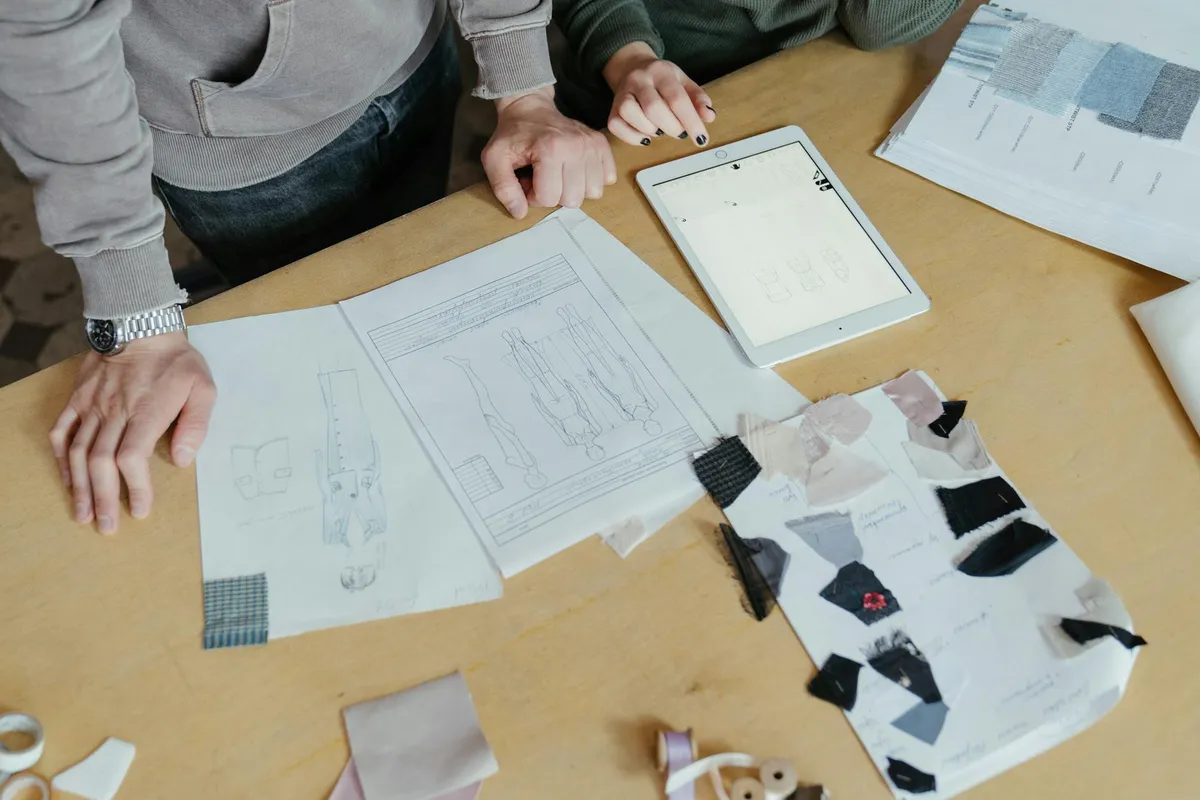
Your acetate-wool suit has a beautiful drape, but its care is non-negotiable. Treat it wrong once, and you risk permanent damage. I handle these fabrics with a specific protocol I developed after seeing too many ruined garments in the lab. Follow these steps to keep your suit looking sharp for years.
The single most important care practice is to respect the extreme sensitivity of both fibers to heat and mechanical agitation. This isn’t just a suggestion it’s the rule that prevents disaster.
Step-by-Step Guide: Washing, Drying, and Ironing
Think of this as a gentle ritual, not a chore. Rushing leads to mistakes.
Rule 1: Your first and last stop is the care label. Assume it will say “Dry Clean Only.” For a structured suit jacket or trousers, I always recommend professional dry cleaning. It’s the safest bet for the inner construction and outer fabric.
If the label shows a hand-wash symbol, you can proceed with extreme caution. This is more applicable to unlined blend garments.
- Fill a clean basin or tub with cold water. Not cool, cold.
- Use a detergent made for wool or delicate fibers. These are pH-balanced and lack harsh enzymes.
- Submerge the garment and gently swish it for a few minutes. Do not rub, twist, or agitate. Imagine you’re barely moving it through water.
- Rinse by repeatedly pressing the garment down in clean cold water. Never lift it while sopping wet, as the weight can stretch the fabric.
- To remove water, roll the suit in a clean, absorbent towel. Press down to transfer the moisture. Wringing is forbidden, it will distort the fibers permanently.
- Lay the garment flat on a fresh, dry towel on a mesh rack or clean surface. Reshape it to its original dimensions. Let it air dry away from direct heat and sunlight.
Ironing requires a light touch and a protective barrier. Acetate can melt and become shiny under a direct iron. Understanding acetate’s melting points and how heat affects its appearance helps you iron safely and avoid unwanted shine.
- Set your iron to the lowest possible heat setting, often the “Silk” or “Acetate” mark.
- Always use a press cloth a thin cotton cloth between the iron and your suit. This diffuses the heat.
- I recommend avoiding steam unless you are certain of the fabric’s finish. Steam is a form of intense, localized heat that can affect the acetate.
- Iron on the reverse side when possible.
Proper storage protects your investment from slow damage. Use wide, padded hangers to support the jacket’s shoulders without creating points. Store the suit in a breathable cotton garment bag, never plastic, to prevent mustiness.
For moth prevention, the wool component is vulnerable. I use natural cedar blocks in my closet. For severe cases, seal the suit in a container with lavender sachets between wears, as some chemical mothballs can interact poorly with acetate. Regular inspection and preventive measures become crucial, especially when dealing with animal fibers like wool.
Understanding Shrinkage and Heat Damage
What happens if you ignore the protocol? Let’s be clear about the risks so you understand why the rules exist.
There are two main disasters, one from the wool and one from the acetate.
Felting is the irreversible matting and shrinking of the wool fibers. It’s caused by a combination of heat, moisture, and agitation think a hot wash and a tumble dry. The wool scales lock together like tiny Velcro, and the fabric compresses, becoming thick and stiff. You cannot unfelt wool. For crafters curious about controlled shrinkage, there are wool felting shrinking techniques that tailor the degree of shrinkage. We’ll explore them in the next steps.
Acetate melting or distortion happens in an instant with a too-hot iron. The thermoplastic fibers literally melt, becoming sticky and glazed. The fabric loses all integrity, often developing a hard, shiny patch. This is not repairable.
Any shrinkage in an acetate-wool blend is typically permanent. Unlike cotton, which you can sometimes carefully stretch back, the structural changes in wool and acetate are final. Prevention is your only tool, especially when dealing with cotton-wool blends that offer some stretch.
How Does Acetate-Wool Compare to Other Suit Fabrics?
Choosing a suit fabric is about balancing priorities. An acetate-wool blend sits in a unique spot between natural luxury and synthetic function. Let’s compare it to the common alternatives, like cotton blends.
Understanding the potential drawbacks helps you decide if this blend’s beautiful drape is worth its specific care needs.
Vs. 100% Wool
This is a choice between classic performance and modern drape.
- Drape and Drape: The acetate-wool blend wins for fluid, sleek movement. It hangs beautifully. A good 100% wool has a more classic, structured drape.
- Cost: Acetate brings the cost down. You often get a more luxurious-looking drape for less money than a premium 100% wool.
- Breathability: 100% wool is the champion here. Wool naturally wicks moisture and regulates temperature. The acetate component reduces this natural breathability somewhat.
- Care: Both require care, but 100% wool is often more forgiving. You can usually use a steamer on wool to remove wrinkles, a technique that is riskier with the acetate present.
Vs. Wool-Polyester Blends
Here, the battle is between natural feel and bulletproof durability.
- Drape and Drape: Acetate-wool feels more luxurious and fluid. Wool-polyester tends to be crisper and holds a crease more rigidly, which some prefer for a very sharp look.
- Durability: Polyester is much stronger than acetate. A wool-poly blend will resist pilling, abrasion (like on the seat), and general wear far better. This is the key trade-off.
- Heat Sensitivity: Polyester can handle more heat from washing and ironing (though still use medium heat). It doesn’t melt as easily as acetate, making home care slightly less fraught.
- Feel: Acetate, a cellulose-based fiber, feels closer to silk or rayon more natural to the touch than the often slightly plastic-like hand of polyester.
The Drawbacks: What to Watch For
To make an informed choice, you must know the limitations.
- Poor abrasion resistance and pilling. The acetate component is the weak link. Areas like the inner thigh, cuffs, and seat are prone to wear, fuzzing, and pills much faster than a wool-polyester or durable 100% wool.
- High heat sensitivity. As detailed, both the washing machine and the iron are your enemies. This fabric demands a gentle, cool environment.
- It can develop a “shiny seat.” With prolonged wear and friction, the acetate fibers can polish and develop a sheen, a sign of wear that is difficult to reverse.
- Often requires professional care. The safest route for a full suit is dry cleaning, adding to the long-term cost of ownership compared to more home-washable fabrics.
Handling Pro-Tip: Working With Acetate-Wool Fabric
If you’re sewing or mending this blend, a few adjustments make all the difference. I treat it like a sophisticated but slightly temperamental guest in my workshop.
When cutting, your goal is to prevent the layers from shifting. The sleek acetate face wants to slide over the wool’s textured grip. Use very sharp fabric shears or a rotary cutter. I place pattern weights everywhere instead of pinning, as pins can leave permanent snags in the delicate acetate. If you must pin, do so only within the seam allowance.
Sewing requires a gentle touch. Start with a fresh, fine needle-a size 70/10 or 80/12 Microtex or Sharp needle works best. It pierces cleanly without pushing the fabric down into the machine. Reduce your top tension slightly to prevent puckering. A walking foot is your best friend here; it feeds the top and bottom layers evenly, eliminating frustrating shifts. Always test your seam on a scrap first, then give it a firm tug. A good seam will hold tight; a weak one will pop and needs adjusting.
For shoppers assessing a finished garment, look beyond the label. A higher wool content (I look for at least 50%) generally means better durability, shape recovery, and breathability for your money—especially compared to cotton-wool blends. Feel the fabric. It should have a substantial heft and a smooth, fluid hand, not a thin, plastic-like feel. The drape should be elegant, not stiff.
Long-Term Care for Your Acetate-Wool Blend
Treat your acetate-wool suit like the complex fabric it is. For durability and shape, professional dry cleaning is your most reliable choice, as it cleans the wool gently while protecting the acetate from water damage (especially since washing synthetic blends at home can be risky). This simple step preserves the drape and internal structure for years.
Every fabric, from cotton to silk to nylon, has a science behind its care. Applying this mindful approach—learning about fiber properties, shrinkage behaviors, and appropriate cleaning especially for delicate fabrics like silk—extends the life of all your garments and reduces waste.
Sources and Additional Information
- Wool – Wool Blend Drapery Fabric – Buy Fabrics
- Wool-Rayon Blend Fabric: Comfort & Durability
- Wool Acrylic Blend by the Yard | Mood Fabrics
- What is Acetate Fabric: How it’s Made, Clothing Uses, and Fabric Buyin – Yardblox Fabrics
Florian is a high fashion blog writer, fashion and fabric expert and a keen expert in fabric, clothing and materials. She has worked in large textile and fashion houses for over 10+ years, engineering and working with various fabric types and blends. She is an expert when it comes to questions on any and all kinds of fabrics like linen, cotton, silk, jute and many more. She has also traveled around the world studying traditional fabrics and aims to bring them into the modern fashion use.