
Linen or Silk: Which is More Breathable and Easier to Care For?
If you’re debating between linen and silk, you’re likely weighing cool comfort against delicate luxury. I’ve handled both for years, from weaving mills to home laundering, and I can guide you past the hype.
This article will explain how their breathability really works, precise care routines to prevent damage, expected shrinkage behavior, and what defines their unique luxury.
Executive Summary: The Quick Comparison
Place a piece of linen and a piece of silk in your hands. The difference is immediate. Linen feels cool, dry, and slubby with a grounded, rustic texture. Silk is smooth, sleek, and whispers against your skin with a luminous sheen. These sensations hint at their very different origins and behaviors.
Here is a core look at what each fabric offers and what it demands.
- Linen Pros: Superior breathability and coolness. Exceptionally strong and durable. Becomes softer with every wash. Has natural antibacterial properties.
- Linen Cons: Wrinkles very easily. Can feel stiff or coarse initially. Often requires ironing for a crisp look.
- Silk Pros: Naturally temperature-regulating (cool in summer, warm in winter). Hypoallergenic and gentle on sensitive skin. Drapes beautifully with a fluid, luxurious fall.
- Silk Cons: Requires delicate, mindful care. Can be damaged by sweat, perfume, and water spots. Often recommends dry cleaning.
Think of linen as your go-to for structured, breezy summer wear and sturdy home textiles like tablecloths and curtains. I reach for it when I need a fabric that stands up to heat and use. Silk is for fluid draping, sensitive skin, and year-round layering pieces that feel special. It’s a fabric for close contact and elegance.
For those who prioritize animal welfare, ethical silk alternatives like peace silk (where the moth leaves the cocoon) or high-quality plant-based silks (like Tencel Lyocell) offer a similar luminous drape and feel without conventional silk production.
Material Data Table: Linen & Silk at a Glance
| Property | Linen | Silk |
| Breathability | Very High | High |
| Typical Shrinkage Rate | 3-5% on first wash (always pre-wash!) | Minimal if dry-cleaned; 3-8% if machine-washed improperly |
| Heat Tolerance (for ironing) | High (use a hot iron with steam) | Medium (use a medium/cool iron, always with a cloth barrier) |
| Stretch Factor | Very Low (no give) | Low (slight give on the bias) |
| Moisture Wicking | Excellent (pulls moisture away fast) | Good (absorbs moisture, can feel damp) |
| Pilling Tendency | Very Low | Low |
| Best For | Shirts, pants, suits, sheets, napkins, tablecloths | Blouses, dresses, scarves, pillowcases, lingerie, linings |
The Fiber Science: Why They Feel and Behave So Differently
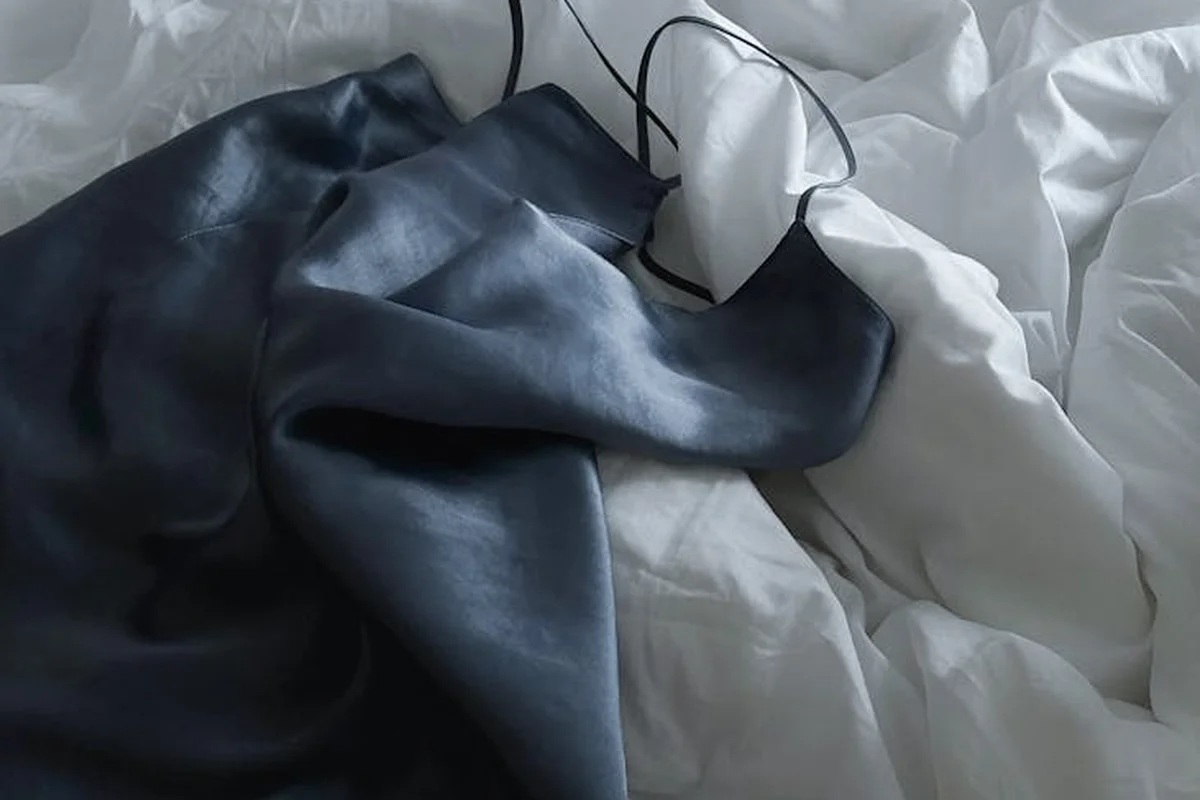
To understand why linen and silk feel like two different worlds, you have to look at where they come from. Linen is a bast fiber, pulled from the stem of the flax plant. Silk is a protein fiber, spun by silkworms to form their cocoons. This fundamental difference sets the stage for everything.
Picture the structure. Under a microscope, a linen fiber looks like a jointed, hollow straw. It has natural nodes along its length and a central empty core. Silk, in contrast, is made of two continuous filaments of fibroin, each shaped roughly like a triangular prism, bound together with sericin gum.
Now, connect structure to what you feel. Linen’s hollow core is a built-in ventilation system. This architecture is why linen has unmatched breathability and a distinctively crisp, dry hand that softens with wear but never loses its character. Air moves through it effortlessly. Those nodes are why it wrinkles so easily, but also give it a pleasing, textured slub.
Silk’s smooth, triangular filaments act like tiny prisms, refracting light to create its famous, shimmering luster. Because its filaments are incredibly long and seamless, silk fabric has an unparalleled fluid drape and a sensationally smooth, sleek hand against the skin. There are no ends to poke out, which is why high-quality silk resists pilling.
Strength and Care: A Practical Comparison
Let’s tackle two common user questions: strength and washing.
First, tensile strength. Linen is one of the strongest natural fibers, and it gets about 20% stronger when wet. This is why good linen lasts for decades and can handle robust washing. Silk is also remarkably strong for its incredible fineness, but it loses about 15-20% of its strength when wet, making it more vulnerable during laundering.
Second, washing frequency. This follows directly from the science. Linen’s robust plant-based structure loves water and becomes softer with each wash, making it a low-fuss fabric for regular use. You can and should wash it often. When it comes to silk fabric care and washing, the approach must be gentler to protect luster. Silk, being a protein fiber like hair, is more delicate. Washing can diminish its luster over time and risks water spotting. For silk, I recommend spot-cleaning for small spills and reserving full immersion washes for when it’s truly soiled.
Putting Them to Work: A Guide to Common Uses
Choosing between linen and silk isn’t about which is better, but which is better for the job. Here’s how their science translates into specific uses.
Shirts
For a warm-weather shirt, this is a classic showdown. A linen shirt is a champion of air circulation. It will keep you cool, absorb moisture quickly, and develop a relaxed, lived-in look. It will also wrinkle the moment you put it on. A silk shirt offers a more polished, luxurious drape. It feels sublimely smooth and is naturally temperature-regulating. Choose linen for effortless, breathable casual wear; choose silk for elegance and a sleek finish that travels better.
Pillowcases & Sheets
This choice depends on your sleep priorities. Silk pillowcases are slick, creating very little friction against hair and skin. This can help prevent sleep creases and reduce hair breakage. Linen bedding is supremely absorbent and breathable, wicking moisture away all night. If you sleep hot, linen’s cooling power is unmatched. If your focus is on reducing friction for skin or hair, silk’s smooth surface wins. For sheets, linen’s durability and crisp, cooling feel make it a favorite for summer, while silk offers ultimate smoothness and warmth in winter.
Pocket Squares
Here, the decision is purely about the look and statement you want. Linen provides a beautiful, matte texture with structured folds. It holds a shape well and conveys a rustic, earthy elegance. Silk takes dye vibrantly and catches the light with a soft sheen. It offers fluid, cascading folds and a formal, luxurious polish. Use linen for texture and a relaxed yet sharp look; use silk for color brilliance and classic refinement.
Summer Hats & Caps
Both are excellent for sun protection, but they achieve it differently. Linen’s stiff fibers allow it to hold a shape beautifully without heavy interfacing. A pure linen hat is lightweight, breathable, and provides great structure. Pure silk is often too soft and floppy for a structured hat, so it’s typically used as a lightweight outer shell over a supportive lining, or blended with other fibers. For a standalone, breathable hat that maintains its form, linen is the straightforward champion. Silk offers a dressier, lighter-weight option, usually as part of a constructed design.
The Care Protocol: Washing, Drying, and Ironing
How to Wash Linen (The Easygoing One)
Linen is far more robust than its elegant drape suggests. You can often care for it with the same relaxed attitude it embodies. I machine wash my linen garments and fabrics regularly. The goal is to clean them while preserving their natural texture and preventing excessive shrinkage.
Here is my tested method:
- Check a hidden seam for colorfastness by dabbing it with a damp white cloth.
- Machine wash on a gentle cycle using warm or cold water. Hot water accelerates shrinkage.
- Use a mild, liquid detergent. Avoid powders that can get trapped in the fibers and avoid optical brighteners if you want to keep natural, earthy hues from looking artificially bright.
- Remove promptly after the cycle ends and reshape the garment while it’s still damp. Smooth out the seams and hems.
- Tumble dry on low heat if you need it fast, but line drying is my favorite. It gives linen that deliciously crisp, air-dried feel and minimizes wear.
The key to linen’s character is understanding its wrinkles are part of its charm, but you can easily iron it while slightly damp for a sharp, polished look on a medium-high heat setting. Most shrinkage happens in the first wash as the fibers relax from the tension of weaving and finishing. If you’re sewing with linen, always pre-wash your yardage the same way you’ll wash the final garment. Know the common shrink triggers—heat, moisture, and agitation. Use cool-water washes and air-drying to minimize future shrinkage.
How to Wash Silk (The Delicate One)
Silk requires a gentle touch. It’s a protein fiber, much like human hair, and responds poorly to harsh treatment and alkaline chemicals. I always hand wash my silks. It’s a meditative few minutes that ensures their longevity. Proper care for silk is essential.
Follow these steps to preserve silk’s strength and luminous sheen:
- Always check the care label first. Some silks, like dupioni or certain weaves, are designated “dry clean only” for a reason, often due to dyes or construction.
- Fill a clean basin with lukewarm water. Add a small amount of pH-neutral soap or a shampoo meant for fine hair. Never use regular alkaline detergent.
- Submerge the garment and agitate the water gently with your hands. Never scrub, wring, or twist the fabric.
- Rinse thoroughly using water of the same lukewarm temperature. A sudden temperature change can shock the fibers.
- Lift the garment, support its weight, and lay it flat on a clean, dry towel. Roll the towel up to blot out moisture. Never twist to wring.
To prevent subtle water spots, avoid letting soapy water droplets dry on the surface; rinse thoroughly. Iron silk while it is still slightly damp, using the lowest heat setting (often labeled “silk” or “synthetic”). Always place a thin cotton pressing cloth between the iron and the silk to prevent scorching and shine marks. If silk water spots have formed, try a gentle silk water spots removal method.
When Things Go Wrong: Shrinkage, Stains, and Dyeing
Shrinkage: Why It Happens and How to Stop It
Linen and silk shrink for different reasons. Linen shrinkage is mostly “relaxation shrinkage.” Imagine the fibers are stretched tight during weaving and finishing. That first wash lets them relax back to their natural state. You can minimize linen shrinkage by washing in cold water and opting for line drying over a hot dryer. Typical shrinkage, if pre-washed, is around 3-5%. A full care routine—wash, dry, and a gentle iron—can help prevent further shrinkage. Iron while the linen is slightly damp on a low to medium heat for best results.
For silk, aggressive heat is the primary enemy. High heat in washing or drying can cause the protein fibers to contract permanently. It’s less about relaxing and more about damaging the delicate structure. Sticking to lukewarm water for washing and air drying flat is your best defense.
Stain Removal: Two Different Philosophies
With linen, you can often be more proactive. For food or grease stains, I pre-treat with a bit of liquid detergent or a dedicated stain remover before washing. Its robust fibers can usually handle it.
With silk, you must be a detective. Always spot-test any cleaner on an inner seam first. For a fresh oil-based stain, my go-to method is to gently dab cornstarch or talcum powder onto the spot to absorb the oil before brushing it away and lightly hand-washing the area. For silk, gentle absorption and patience always beat aggressive rubbing or harsh chemicals.
Dyeing Notes: A Fundamental Fiber Difference
While both are glorious natural fibers, linen and silk come from completely different chemical families. This changes how you dye them.
Silk is a protein fiber. It bonds beautifully with acid dyes, which produce the most vivid, wash-fast colors on it. The dye process requires heat and an acidic environment (often with vinegar or citric acid).
Linen is a plant-based cellulose fiber. It requires fiber-reactive dyes or direct dyes. Fiber-reactive dyes (like those for cotton) form a strong covalent bond with the fiber for excellent longevity. These same principles apply when dyeing plant fibers at home, including cotton, linen, and hemp. Choosing the right dyes for home projects helps ensure durable, vibrant results.
Home dyeing silk is an advanced project because controlling a gentle, even heat is critical; too hot or uneven, and you can damage the fabric’s hand and sheen. Linen is more forgiving with temperature but can dye less evenly than cotton due to its smoother fiber surface. For both, proper scouring (deep cleaning) of the fabric before dyeing is the most important step for even color.
Making Your Choice: Lifestyle, Feel, and Long-Term Care
So, how do you choose? Let me ask you directly: Do you value effortless, low-maintenance coolness (Linen) or delicate, sensual temperature control (Silk)? Your daily routine and personal patience for fabric care will point you to the right fiber.
Think of linen as your resilient companion. It forgives a hot machine wash and loves to dry in the sun. Silk is your precious ally, asking for a gentle hand in return for its unparalleled feel. Your lifestyle is the best guide; linen suits an active, sun-drenched reality, while silk rewards a more mindful, curated approach.
Understanding Longevity and Care
Both fabrics are remarkably durable when treated according to their nature. Their longevity stories, however, are different.
Well-cared-for linen gets softer for decades. To keep that softness for decades, how you wash, soften, and care for linen fabric matters. Those initial crisp wrinkles relax into a beautiful, supple drape. I have linen tablecloths from my grandmother that feel like butter now. Silk is also durable, but its protein structure makes it vulnerable to two main enemies: sun exposure and improper pH.
Prolonged direct sunlight will weaken silk fibers, causing them to become brittle and lose strength, much like how hair gets damaged from too much sun. Spills like wine, fruit juice, or sweat, which are acidic, can cause permanent yellowing or staining if not treated promptly with the right pH-balanced solution.
Practical Care Instructions
Here is a clear, side-by-side guide to caring for each fabric based on my years of testing.
A Note on Ethics and Alternatives
Since we advocate for animal welfare, it’s honest to address silk. Conventional silk production involves the silkworm. For a comparable plant-based luxury, look to high-quality lyocell (often branded as Tencel™) or refined hemp blends. They offer a similar fluid drape and cooling sensation, though the signature luminous sheen of silk is unique.
Your choice might come down to the feeling you want against your skin each day, the crisp rustle of linen or the silent slip of silk. One feels like a fresh breeze, the other like a second skin. Both, when understood and cared for, become lifelong treasures in your wardrobe.
Which Fabric is Your True Luxury?
Your true luxury is the fabric you can live in and care for with confidence. If your days are active and sun-filled, embrace the robust, crumpled grace of linen; if your luxury leans toward delicate draping and cooler climates, commit to the gentle handwash and cool iron that silk demands.
Extend the life of every garment by repairing small tears and respecting care labels. I encourage you to look closer at the textiles you own-read a fiber content label today, feel the difference between a polyester blend and a pure linen, and dig deeper into the science behind their care.
Sources and Additional Information
- Breathability Comparison of Linen vs. Silk Bedding
- How Does Linen’s Breathability Compare to Wool or Silk? → Learn
- Linen Vs Silk Which Is the Better Choice –
- Linen vs Silk | Best Bedding for Comfort and Skin – SmartSilk™ | Online Store
- Is Silk Breathable and Comfortable Year-Round? – Blissy
Florian is a high fashion blog writer, fashion and fabric expert and a keen expert in fabric, clothing and materials. She has worked in large textile and fashion houses for over 10+ years, engineering and working with various fabric types and blends. She is an expert when it comes to questions on any and all kinds of fabrics like linen, cotton, silk, jute and many more. She has also traveled around the world studying traditional fabrics and aims to bring them into the modern fashion use.