
Is Oxygen Bleach Always Safe for Your Fabrics?
You probably reach for oxygen bleach hoping for a gentle clean, but I’ve tested how it can quietly degrade delicate fibers in my workshop. Let me clear up the confusion so you can protect your favorite clothes.
We will cover how oxygen bleach chemistry works, which fabrics like silk and wool are at risk, and the right way to use it on cotton, polyester, and blends.
Executive Summary: The Quick Truth on Oxygen Bleach
The big myth is that oxygen bleach is a gentle, all-fabric brightener you can use without a second thought. I see this advice everywhere.
Here is the quick truth: no, it is not safe for all fabrics. Its safety depends entirely on the chemistry of the fibers and dyes. Treating it as a universal solution is a fast track to damaged clothes. Some dyes and finishes can leave toxic residues or irritants that pose health risks through skin contact or inhalation. Knowing how the materials interact helps you sidestep unsafe choices and prevent exposure.
You can generally use it safely on untreated, colorfast white and light-colored items made from plant fibers. Think of your basic white cotton t shirts, kitchen linens, and plain linen napkins. These fibers can handle the oxidative environment well.
On the flip side, oxygen bleach can actively damage several common materials. Protein fibers like silk and wool are at the top of this list. The chemical process can weaken the fibers, making them brittle and yellow. It is also harsh on spandex (lycra), breaking down the elastic, and it can strip or alter many dyes, leading to fading or weird color shifts.
Remember, heat and concentration are critical. What works as a helpful cleaner in warm water can become a fabric destroyer in water that is too hot or if you use too much powder. Always follow the label and start with less.
What Oxygen Bleach Is (And Isn’t) in Your Laundry
Let’s break down what you are actually pouring into your washing machine. That powdered oxygen bleach is typically sodium percarbonate. When you dissolve it in water, it breaks down into soda ash (a mild alkali) and hydrogen peroxide.
The hydrogen peroxide is the active cleaning agent. It works through oxidation, breaking the chemical bonds in stain molecules. This is the same family of chemical reaction as chlorine bleach, but it is generally less harsh and aggressive.
This is why it gained its “safer” reputation. Chlorine bleach can rapidly degrade synthetic fibers like polyester and nylon, often turning them yellow and weak. Oxygen bleach usually does not cause this type of catastrophic damage on man made fibers, which makes people think it is risk free—unlike chlorine bleach, which is known to cause yellowing in polyester, spandex, and nylon.
This is the key point I tell everyone in my workshops: “safer than chlorine” absolutely does not mean “risk free.” You are still introducing a powerful oxidizer into your laundry load. It has specific targets.
Its ideal use is for breaking down organic stains and brightening dull whites. Think of coffee, red wine, grass, or body soil. These are complex molecules that oxidation slices through nicely. For the best brightening effect on white cottons, I use it with warm to hot water (around 40 60°C), which activates the peroxide more fully. For anything delicate or colored, I always use cool water and a much smaller amount.
Fiber Science: Why Some Fabhes Fail the Bleach Test
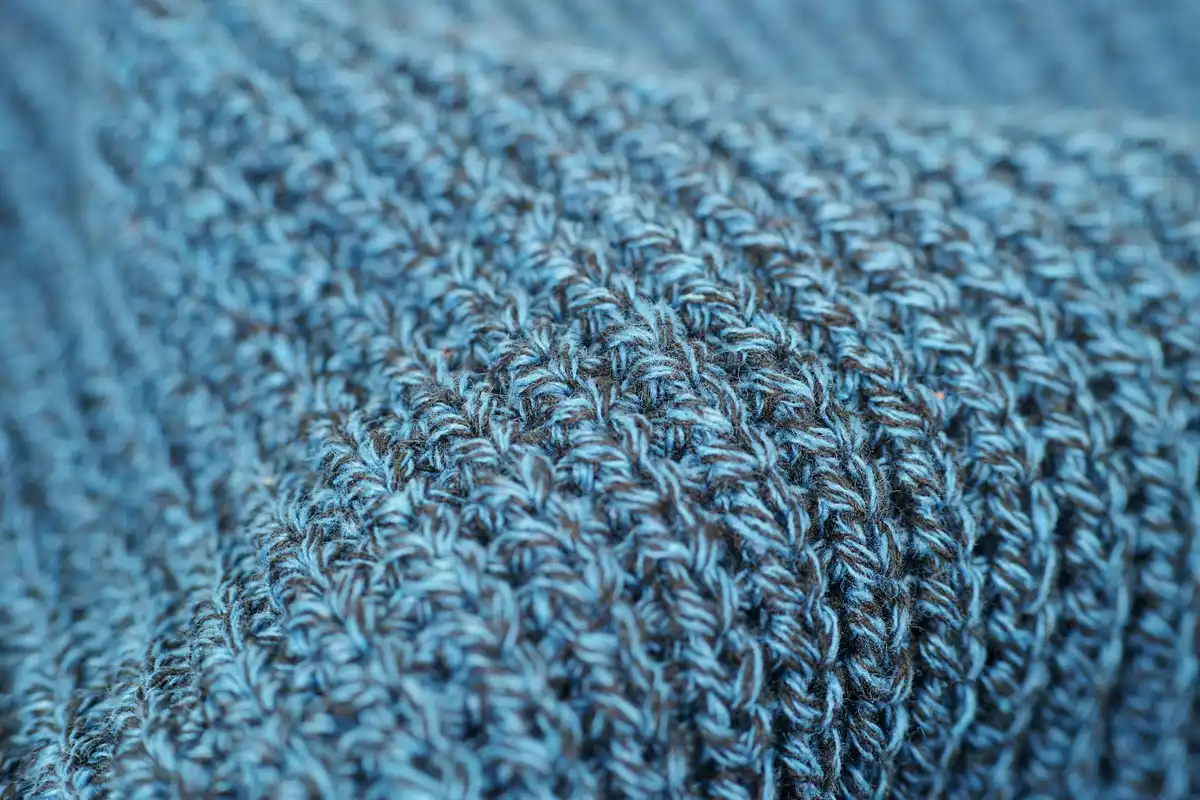
When oxygen bleach damages a fabric, it’s easy to blame yourself. I want you to stop. This is almost always a chemistry problem, not a laundry mistake. Different fibers react to chemical environments in specific, predictable ways.
Protein Fibers: Silk and Wool
Think of silk and wool as cousins to the hair on your head. They are made of protein chains. An activated oxygen bleach solution is alkaline, and alkaline substances attack those protein structures.
The damage is permanent. I’ve seen lab samples where wool fibers lost over half their strength after an alkaline soak. The fabric becomes weak, prone to holes, and often turns a dull yellow, especially compared to boiled wool used in felting.
To the touch, damaged silk loses its sleek hand and becomes brittle. Wool loses its springy loft and can feel harsh. Gentle care is the most ethical choice for animal fibers, as it honors the material by making the garment last for many more years.
Delicate Synthetic Fibers
Your stretchy leggings or fitted tee likely contain spandex (also called elastane). This is the fiber that gives bounce. Oxygen bleach works by releasing oxidizing agents, and these agents are like tiny scissors for the elastic polymer chains in spandex.
The result isn’t immediate. You might not see it until after a few washes. The fabric loses its recovery, leading to permanent sagging and bagging at the knees and elbows.
Other synthetics to watch are acetate and triacetate, often used in linings or special occasion fabrics. They are particularly sensitive and can become gummy or dissolve under chemical stress.
Colored and Dyed Fabrics
We must remember a simple fact: oxygen bleach is a bleach. Its job is to break down color molecules. Whether it’s a vibrant red cotton or a deep navy polyester, the bleach will attempt to lighten it. In contrast, reverse dyeing techniques use bleach to create patterns by selectively removing color.
The key is a dye’s colorfastness, or its resistance to this attack. Many direct dyes on cotton, and some dyes on synthetics, have poor colorfastness to peroxide.
Always test first. Mix a small amount of oxygen bleach powder with warm water as directed. Use a cotton swab to dab the solution on a hidden seam or inside facing. Wait 10 minutes, then blot dry. Check for any color change or transfer. This hidden seam test can save a favorite shirt from becoming a faded ghost of itself.
Special Finishes and Coatings
Modern fabrics often have applied finishes. A rain jacket has a waterproof coating. Children’s pajamas may have a flame-retardant treatment. Workwear might have a soil-release finish.
Oxygen bleach can strip these functional treatments right off. You could end up with a jacket that soaks through or sleepwear that loses its safety rating. If a garment has a special function, check the care label extra carefully before considering any bleach.
Your Step-by-Step Guide to Safe Oxygen Bleach Use
Used correctly, oxygen bleach is a powerful tool. This is the right way to harness its power without fear.
The Pre-Treatment Checklist
Never skip these three steps. They are your fabric’s safety net.
- Check the fiber label first. If you see silk, wool, spandex, elastane, acetate, or “dry clean only,” stop. Find another cleaner. No label? Do a quick burn test. The smell of burning hair means protein fibers (unsafe). A melted bead means synthetics (use caution).
- Always perform the colorfastness test I described above. Every single time, even on white fabrics, as some whites have optical brighteners that can shift color.
- Identify the stain. Oxygen bleach excels on organic stains like coffee, wine, grass, and sweat. It is less effective on inorganic stains like ink, paint, or rust. Starting with the wrong cleaner wastes time and risks the fabric.
Mixing and Applying the Solution
This is where most mistakes happen. The goal is a uniform, fully dissolved solution.
I always dissolve the powder completely in the hottest tap water first, usually in a plastic bucket or my wash basin. This activates the bleach. Then, I add cold water to bring the solution to the correct overall temperature.
- For sturdy, white 100% cotton: Use hot or warm solution.
- For colored cotton or linen: Use a lukewarm solution.
- For any fabric where you’re being cautious: Use a cool solution.
Never sprinkle the dry powder directly onto a garment in the washer or sink. Undissolved granules can concentrate on one spot, leading to localized fiber damage and color loss that looks like white speckles.
Wear gloves to protect your skin. Ensure the room is well-ventilated. Always store the powder in a dry place, tightly sealed and away from children and pets.
The Safe Soak Protocol
Once your fabric is submerged in the fully dissolved, temperature-appropriate solution, set a timer.
A good soak ranges from 1 to 8 hours. I rarely recommend overnight. Extended soaking in an alkaline solution increases the risk of damage, even to hardy fibers like cotton.
After soaking, drain the solution. Wash the garment immediately on a cycle suitable for its fiber content. This rinses away any residual bleach and lifted stain particles. For cottons, a regular warm wash is fine. For more delicate tested fabrics, use a gentle or cold cycle.
What to Use Instead: Caring for “No-Bleach” Fabrics
Oxygen bleach is a powerful tool, but you don’t need it to keep most fabrics clean and bright. The right method depends entirely on the fiber. Think of it like first aid: you match the treatment to the injury, not use one bandage for everything.
For Silk and Wool
Silk and wool are protein fibers. Their molecular structure is delicate and can be damaged by alkaline environments, which is why oxygen bleach is a risk. Your goal is to clean without disrupting the fiber’s natural pH or physical structure, as it can be damaging to wool and silk.
I always reach for a detergent labeled for delicates or wool. These are formulated to be neutral in pH, around 7. They clean without attacking the fiber. For a brightening rinse, I add a quarter cup of white distilled vinegar to a basin of cool rinse water. It helps dissolve any soapy film that can dull the fabric’s luster.
Agitation and heat are the enemies of these fibers. Hand-wash in cool water, no warmer than 30°C (86°F). Gently swish the garment, then press the water through it without wringing or rubbing. Roll it in a towel to remove excess moisture and dry it flat, away from direct heat or sun.
For stains, I pretreat with a dab of pure glycerin. It helps lift the stain to the surface without harsh rubbing. You can also use a gentle enzymatic stain remover, but check the label for “safe for delicates” first. Always test any treatment on a hidden seam first.
For Colored Cottons and Synthetics (Polyester, Nylon)
The priority here is dye fastness. You want to clean the fabric without stripping or dulling its color. Cold water washing is your single most effective tool for preserving dyes on any fabric. It keeps dye molecules from becoming mobile and escaping the fibers.
Use a detergent formulated for colors. These often contain ingredients that help lock dyes in place during the wash cycle. For extra insurance, I toss in a dye-catching sheet. These little sheets are coated with a material that acts like a magnet, grabbing loose dye particles in the water before they can settle on another garment.
If colors look faded, it’s often from a buildup of mineral deposits or detergent residue, not lost dye. A bluing agent, added to the rinse cycle, can counter yellowing by adding a tiny, imperceptible amount of blue pigment. It works like a screen filter, neutralizing the yellow tint. Laundry brighteners for colors work on a similar optical principle.
Treat stains with an enzymatic cleaner for organic stains (food, grass, blood) or make a thick paste from your color-safe detergent and water. This approach helps remove stains on dyed fabrics while protecting the color. Apply it directly to the stain, let it sit for 15 minutes, then wash as usual. Avoid rubbing, as the friction can damage the dye layer on the fabric’s surface. For dyed fabrics, preserving color during stain removal is essential, which you’ll see reflected in the next steps.
For Blended Fabrics (Like Cotton-Spandex)
Blends follow the “weakest link” rule. You must care for the blend according to the needs of its most delicate component fiber. That 5% of spandex in your favorite jeans is what gives them stretch, and it’s highly sensitive to chlorine and heat from bleach.
Even a small amount of oxygen bleach can degrade the spandex elastomers over time, making them brittle and losing their spring. I’ve seen cotton-spandex blends where the cotton is still perfect, but the spandex has turned to crumbs inside the yarn, destroying the garment. This risk also crops up with paint bleach spandex fabric, where decorative bleaching can stress the elastic fibers and shorten the garment’s life.
Your safest bet is always spot cleaning first. Mix a small amount of mild detergent with cool water. Use a clean cloth to dab the solution onto the stain, working from the outside in. Blot with a dry cloth to lift the stain. This localized treatment minimizes risk to the entire garment, especially the delicate fibers within the blend.
Final Notes on Smart Bleaching
The single most important rule is this: oxygen bleach is a targeted tool, not a universal one. Before you soak anything, test it on a hidden seam and know your fibers-this simple habit prevents most disasters before they start.
Caring for your clothes responsibly means making informed choices that extend their life. I encourage you to see every care label as a starting point for learning more about fabric science and textile properties, connecting with a community that values making things last.
Sources and Additional Information
- What Is Oxygen Bleach? How to Use It in Laundry
- Is Oxygen Bleach Safe for Naturally Dyed Fabrics? – Charlie’s Soap
- Chlorine Bleach vs. Oxygen Bleach: What’s the Difference? | Whirlpool
- Ultimate Guide To Oxygen Bleach: Uses For Laundry, Stain Removal & Cleaning
Florian is a high fashion blog writer, fashion and fabric expert and a keen expert in fabric, clothing and materials. She has worked in large textile and fashion houses for over 10+ years, engineering and working with various fabric types and blends. She is an expert when it comes to questions on any and all kinds of fabrics like linen, cotton, silk, jute and many more. She has also traveled around the world studying traditional fabrics and aims to bring them into the modern fashion use.