
Thinsulate vs. Down: What’s the Physics of Synthetic Insulation?
You’re comparing jackets and wondering if synthetic Thinsulate can really match the legendary warmth of down. I have tested both materials for years, and the answer lies in understanding their basic fabric science.
We will explore how each insulation traps heat and handles real-world use, focusing on thermal efficiency, moisture response, durability over time, proper care methods, and ethical material sourcing.
Executive Summary: Your Quick-Answer Cheat Sheet
The fundamental difference is in the structure. Down is a cluster of fine, interlocking protein filaments from bird plumage, creating a lofty 3D puff. Thinsulate is a non-woven web of ultrafine polyester and polyolefin microfibers, engineered into a flat, dense mat.
Think of it this way: Down is like a pile of fluffy, springy pillows. Thinsulate is more like a dense, felted wool blanket. Both trap heat, but they do it in very different ways.
| Aspect | Down Insulation | Thinsulate Insulation |
|---|---|---|
| Warmth-to-Weight | Excellent. Highest warmth for its weight when dry and lofty. | Very Good. Exceptional warmth for its thinness, but often heavier for equivalent warmth. |
| Compressibility & Loft Recovery | Superior. Packs tiny and bounces back fully when unpacked. | Good. Packs well, but the dense fibers don’t have the same ‘springy’ recovery. |
| Moisture Resistance | Poor. Loses all loft and insulating power when wet, clumps, and dries slowly. | Excellent. Made of hydrophobic synthetics, it retains most insulation value when damp and dries fast. |
| Cost & Long-Term Value | High initial cost. Can last decades with proper care but requires professional cleaning. | Moderate initial cost. Very durable and withstands frequent machine washing. |
| Ethical Sourcing | Variable. Must seek Responsible Down Standard (RDS) or Global Traceable Down Standard (GTDS) certification to ensure no live-plucking or force-feeding. | No animal materials. A consistent choice for vegan and animal welfare-focused consumers. |
| Durability & Care | Gentle care is non-negotiable: use a front-load washer on delicate with a down-specific soap, then dry low with tennis balls to re-loft. | Easy care: machine wash warm, tumble dry low. The synthetic fibers are tough and won’t clump from washing. |
Here is your immediate recommendation: choose down for maximum warmth in dry, cold conditions where packability is key, like ski trips or winter travel. Choose Thinsulate for damp cold, high-activity use, or if you need a jacket that can handle rain, sweat, and frequent washing without fuss, like for hiking or daily commuting.
| Material | Breathability* | Shrinkage Risk (Fabric Shell) | Max Safe Heat (Wash/Dry) | Stretch Factor |
|---|---|---|---|---|
| Down Clusters (Insulation) | High | N/A (but can clump) | 40°C / Low Dry | None |
| Thinsulate Web (Insulation) | Medium | N/A | 60°C / Low Dry | None |
| Typical Nylon Shell (e.g., ripstop) | Low-Medium | Minimal (1-3%) | 40°C / Low Dry | Low |
| Typical Polyester Shell (e.g., taffeta) | Low | Minimal (1-3%) | 60°C / Low Dry | Low |
*Breathability here refers to the insulation’s structure; a shell fabric’s membrane (like Gore-Tex) is the main controller of overall garment breathability, especially in hot and humid climates.
How Does Any Insulation Actually Trap Your Body Heat?
Insulation doesn’t create warmth. Your body does that. The job of your jacket’s fill is to trap the warm air your body heats up, creating a stable, cozy microclimate. It slows down convective heat loss, which is the movement of warm air away from your skin. The stiller the air pocket, the warmer you stay.
You can feel this science in your hands. Pinch the sleeve of a puffy coat. That springy thickness that compresses and then bounces back? Textile scientists call that “loft.” Loft is the visible, tangible measure of an insulation’s ability to trap air; more loft generally means more trapped air and more warmth.
Down and Thinsulate build their lofts in opposite ways. A high-quality down cluster is a three-dimensional marvel. Each cluster has a central quill with filaments that branch and hook together, forming a resilient puff that creates millions of tiny, complex air chambers. Thinsulate builds loft in two dimensions. Its microfibers are about 10 times finer than a human hair, and they are spun into a dense, non-woven web. This web has countless small air pockets, but they are flatter and more uniform, like the pores in a high-quality sponge.
This structural difference is why we measure them differently. For down, we use “fill power.” It’s a volume measurement. One ounce of 800-fill-power down will loft to 800 cubic inches. Higher fill power (like 900) means less weight is needed to achieve the same loft. For synthetics like Thinsulate, we use weight: grams per square meter (gsm). A 100 gsm Thinsulate layer is lighter and less warm than a 200 gsm layer in the same jacket style. You can’t compare fill power and gsm directly; one measures efficiency, the other measures amount.
People often search “Thinsulate vs down vs synthetic,” which shows the confusion. Thinsulate is a specific, premium brand of synthetic insulation, known for its fine fibers. Other synthetics (like PrimaLoft) use different fiber shapes (e.g., shorter staples, hollow fibers) to mimic down’s cluster structure. All synthetic insulations share the core advantage of hydrophobic, quick-drying fibers, but their feel, loft, and weight can vary significantly based on their engineered structure.
Material Deep Dive: The Fiber Science of Down vs. Synthetic Webs
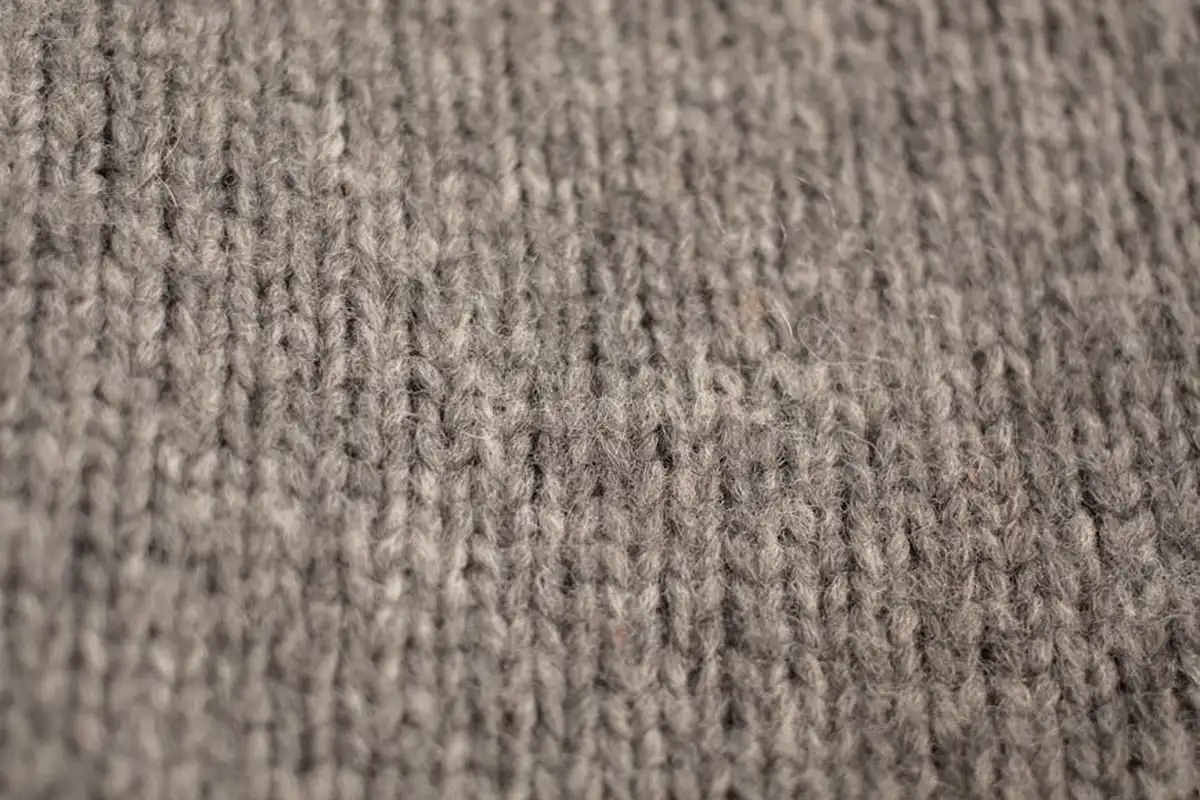
The Anatomy of a Down Cluster
Think of down as the ultimate natural high-tech fiber. Each fluffy cluster is made of keratin, the same protein that forms your hair and wool. This gives down a natural, built-in water resistance. The fibers have a microscopic structure that helps bead up light moisture.
Ethical sourcing is non-negotiable when choosing down, and I always look for traceability. The Responsible Down Standard (RDS) is a strong baseline, ensuring the down comes from animals that were not force-fed or live-plucked. Supporting brands that are transparent about their supply chain is the best choice for animal welfare.
The magic of down is in its three-dimensional structure. A single cluster is a complex web of filaments stemming from a central point, trapping still air in countless tiny pockets. This creates an incredible warmth-to-weight ratio. You can stuff a down jacket into a tiny sack, and it will spring back to its full, lofty volume because the keratin fibers are naturally resilient.
That legendary loft completely disappears when down gets soaked. The filaments absorb water, cling together, and collapse into a flat, heavy mat. All those insulating air pockets vanish, and so does your warmth.
The Engineered World of Thinsulate Microfibers
Thinsulate is a masterpiece of synthetic textile engineering. It’s a non-woven batt made from polyester or polyolefin microfibers. I’ve worked with these under a microscope – each fiber is finer than a strand of silk, much thinner than a human hair. They represent the advancements seen in synthetic fabrics used for medical textiles.
The key is its “horizontal platelets” shape. Unlike round fibers, these are flat. They layer and stack randomly, creating a dense forest of ultra-fine, non-interconnecting air cells. This structure resists airflow (which steals warmth) incredibly well for its thickness.
This focus on thin, dense layers of microfiber is what sets Thinsulate apart from bulkier synthetic insulations like PrimaLoft. PrimaLoft often uses a mix of fiber shapes to mimic down’s lofty feel. Thinsulate aims to be the slimmest, most packable effective barrier.
The polymer construction gives Thinsulate its superpower: hydrophobic performance. The fibers themselves do not absorb water. When damp, Thinsulate retains most of its loft and insulating ability because the air pockets between the plastic fibers stay mostly dry and open. In fabric physics, hydrophobic vs hydrophilic properties explain this behavior. These principles help explain why moisture management matters for insulation performance.
You might search “thinsulate vs down roof” and find both materials used in construction. The physics of trapping still air is universal. But building insulation is engineered for static, permanent installation with different fire codes and vapor barriers, while garment insulation must be flexible, breathable, and durable through countless compressions.
Wet & Wild: What Really Happens When Insulation Gets Damp?
Let’s put them in a real-world test. In high humidity, down’s natural hydrophobicity handles perspiration vapor fairly well. Thinsulate is unaffected. In a light rain shower, water will bead up on a treated down jacket shell, but if it seeps in, down starts to dampen and lose loft at the edges. Thinsulate shrugs it off.
In a soaking scenario, it’s a total mismatch. Think of a sponge versus a plastic mesh pot scrubber. Down acts like the sponge, absorbing water, becoming heavy, and collapsing its structure entirely. Thinsulate acts like the mesh; water passes through, but the springy synthetic web maintains its shape and most of its insulating air pockets.
“Hydrophobic down” is a common treatment. It’s a durable water repellent (DWR) applied to the feather itself. This helps the down resist absorbing moisture from humid air and gives you more time in a drizzle. It does not make down waterproof; if fully submerged, the clusters will still become saturated and clump.
This is why your shell fabric matters so much. A tightly woven nylon or polyester with a good DWR finish is your first line of defense, buying time for whatever insulation is inside. Breathability is also key to let your sweat vapor escape before it condenses inside the jacket.
So, for “thinsulate vs down jacket,” let activity guide you. For dry, cold, static activities (like belaying or city commuting) where maximum warmth and packability are prized, down excels. For high-output activities (like winter hiking or ski touring) where sweat and wet conditions are likely, Thinsulate’s reliable performance when damp makes it the safer, more consistent choice.
The Care & Feeding of Your Puffy Layer: Washing, Drying, and Repair
Step-by-Step: How to Wash a Down Jacket or Sleeping Bag
Down needs a gentle, thorough clean. Always use a front-loading washer (the central agitator in top-loaders can shred baffles). Use a technical down cleaner or a very mild, liquid detergent without softeners. Softeners coat the feathers, stripping their natural oils and water resistance.
Choose a gentle or delicate cycle with cold or lukewarm water. Hot water can damage the down and any DWR coatings, such as those found on Gore-Tex fabrics.
The drying process is more critical than the wash. Tumble dry on low heat. This will take a long time-two or three cycles sometimes. Throw in two or three clean tennis balls or dryer balls. They physically bash the wet down clusters apart as they tumble, preventing them from drying in a cemented lump. Dry it until every bit is completely, utterly dry to the touch and fluffy. This is especially important when you wash and dry delicate fabrics like modal.
Never store down compressed for months. Hang it in a closet or keep it in a large cotton sack. Long-term compression can permanently damage the filaments’ ability to spring back.
Step-by-Step: How to Wash Thinsulate and Synthetic Insulation
Synthetics are less finicky but still need care. The fine fibers can break or melt with harsh treatment. Use a gentle cycle with cold water to protect the bonds holding the batting together.
A standard liquid detergent is fine. Avoid powder detergents; they can leave a gritty residue trapped in the synthetic web, especially when washing wool-synthetic blends.
You can tumble dry on low heat or air dry flat. Never use high heat, as it can damage or even melt the fine polyester or polyolefin fibers, causing them to fuse and lose loft permanently.
Even though Thinsulate stays warm when wet, you must dry the garment completely. Lingering moisture in the shell fabric or seams can lead to mildew and odors. This is particularly important for athletic wear fabrics that rely on moisture-wicking to keep you dry and comfortable.
Basic Field Repairs and Troubleshooting
For a small tear, gear repair tape (like Tenacious Tape) is a quick, waterproof fix. For a more permanent mend, use a small hand-sewn patch with a nylon thread. The goal is to seal the hole to stop insulation from leaking out.
Cold spots happen when insulation shifts or mats. For down, you can sometimes gently massage and redistribute the clusters from the outside. For synthetics, a thorough low-heat tumble dry can help re-fluff matted areas.
All insulation loses loft over years. Down has an advantage here: it can often be professionally washed and re-treated, restoring much of its original fluff. Synthetic insulation, however, suffers from gradual, permanent fiber breakage and compaction from repeated compression. Its warmth degrades slowly but irreversibly over time.
Insulation Care: A Textile Scientist’s Final Advice
When choosing between Thinsulate and down, let the fabric’s response to moisture and maintenance guide you for reliable warmth. For most real-world conditions, a synthetic like Thinsulate offers easier care and consistent performance, so wash it gently in cold water and dry with low heat to protect the fiber structure. Weigh these benefits against the drape and GSM of natural fabrics you’re considering for outerwear.
I see responsible ownership as learning each fabric’s language, from wool’s shrinkage to polyester’s dye retention, to prevent waste. Considering dye permanence helps you pick colors and methods that stay vibrant longer. It also guides better care routines that protect color and extend garment life. Treat textile science as a lifelong tool, and you’ll make eco-friendly decisions that honor both your gear and the materials it’s made from.
Relevant Resources for Further Exploration
- Down vs. Thinsulate? | Snowboarding Forum – Snowboard Enthusiast Forums
- Which is warmer – down or thinsulate for a winter jacket? – Quora
- The Science of Insulation: Understanding Thinsulate, Primaloft, and Other Technologies – Blog
- Down Vs. Thinsulate Parka Insulation | Gone Outdoors | Your Adventure Awaits
- Thinsulate – Wikipedia
- Thinsulate? – Backpacking Light
Florian Ventura
Florian is a high fashion blog writer, fashion and fabric expert and a keen expert in fabric, clothing and materials. She has worked in large textile and fashion houses for over 10+ years, engineering and working with various fabric types and blends. She is an expert when it comes to questions on any and all kinds of fabrics like linen, cotton, silk, jute and many more. She has also traveled around the world studying traditional fabrics and aims to bring them into the modern fashion use.