What’s the Secret to Vibrant, Long-Lasting Natural Dyes?
If your homemade indigo fades quickly or your turmeric dye washes out, I’ve pinpointed the cause in my lab work: mastering pH and mordants is the key.
This article will explain the fabric science behind successful natural dyeing. We will cover how pH alters dye color on different fibers, why mordants are non-negotiable for durability, and practical, safe dyeing steps for cotton, wool, and silk.
Executive Summary: The Quick Science of Color and Cloth
Think of natural dyeing like a recipe. The dye plant provides the flavor. The pH of your bath is the seasoning that changes that flavor. The mordant is the binder that makes everything stick to your fabric.
pH can change a dye’s final hue on your cloth, while mordants chemically lock that color in place for the long term.
Your fabric is the most important ingredient. Protein fibers like wool and silk behave one way. Cellulose fibers like cotton and linen behave another. They react very differently to both pH adjustments and mordants.
Successful dyeing depends more on understanding your fabric’s fiber science than on hunting for any single, magical plant. Knowing how to dye plant fibers like cotton, linen, and hemp is crucial.
Why pH is Your Dye Bath’s Secret Control Dial
pH is a simple scale from acidic to alkaline. Lemon juice is acidic. Baking soda dissolved in water is alkaline. Pure water is neutral, right in the middle.
Many dye molecules are sensitive to this scale. They physically change shape, which changes how they reflect light to your eye. This means a different color. You’ve seen this with red cabbage juice, which turns pink with vinegar and greenish with baking soda.
So, what is the role of pH in dyeing? It does two big jobs. First, it directly controls the final color you get from your dye pot. Second, it influences how readily the dye molecules initially attach to your fiber before the mordant does its work.
Your tap water can be a hidden variable. Hard, alkaline water will start your dye bath at a higher pH. Soft water might be more neutral or even slightly acidic. This is why a recipe that worked perfectly for someone else gives you a different shade. I always test my water’s pH with a simple strip first.
Testing your dye bath is easy and safe. Use pH test strips for pools or gardens. Dip one in your cooled bath and match the color. For a home science project, make a red cabbage juice indicator. Just note that the plant matter from the dye itself can sometimes tint the reading.
How an Acidic Bath Shifts Plant Dyes
Adding an acid like white vinegar or citric acid powder often coaxes reds, pinks, and oranges from your dye materials. Think of the shift you get from adding lemon to tea.
This makes scientific sense for protein fibers. Wool and silk are chemically slightly acidic. A mildly acidic dye bath (a splash of vinegar) creates a friendly environment that helps the dye molecules bond. For dyeing protein fibers, a slightly acidic bath is your default, friendly starting point.
But more is not better. Very strong acids, or prolonged boiling in an acidic bath, can damage the protein structure over time. Your wool can become weak and brittle. I use acid to shift color, but I never let my precious silk or wool simmer in a harshly acidic pot for hours.
How an Alkaline Bath Transforms Colors
Shifting your bath alkaline with washing soda (sodium carbonate) or a wood ash leach can pull out surprising yellows, olive greens, or deeper browns from the same plant matter.
You must handle alkalinity with care. High pH can actually weaken the molecular chains in cellulose fibers like cotton, reducing their long-term strength. For wool, a highly alkaline bath can strip its natural oils, leaving it feeling harsh and straw-like.
Use dramatic pH swings intentionally for color modification at specific stages, not as the base environment for your entire dyeing process. I might do an initial dye extraction at one pH, then shift the bath with a pinch of soda ash for the last 20 minutes to change the hue on the fiber.
Mordants Demystified: The Molecular Glue for Dyes
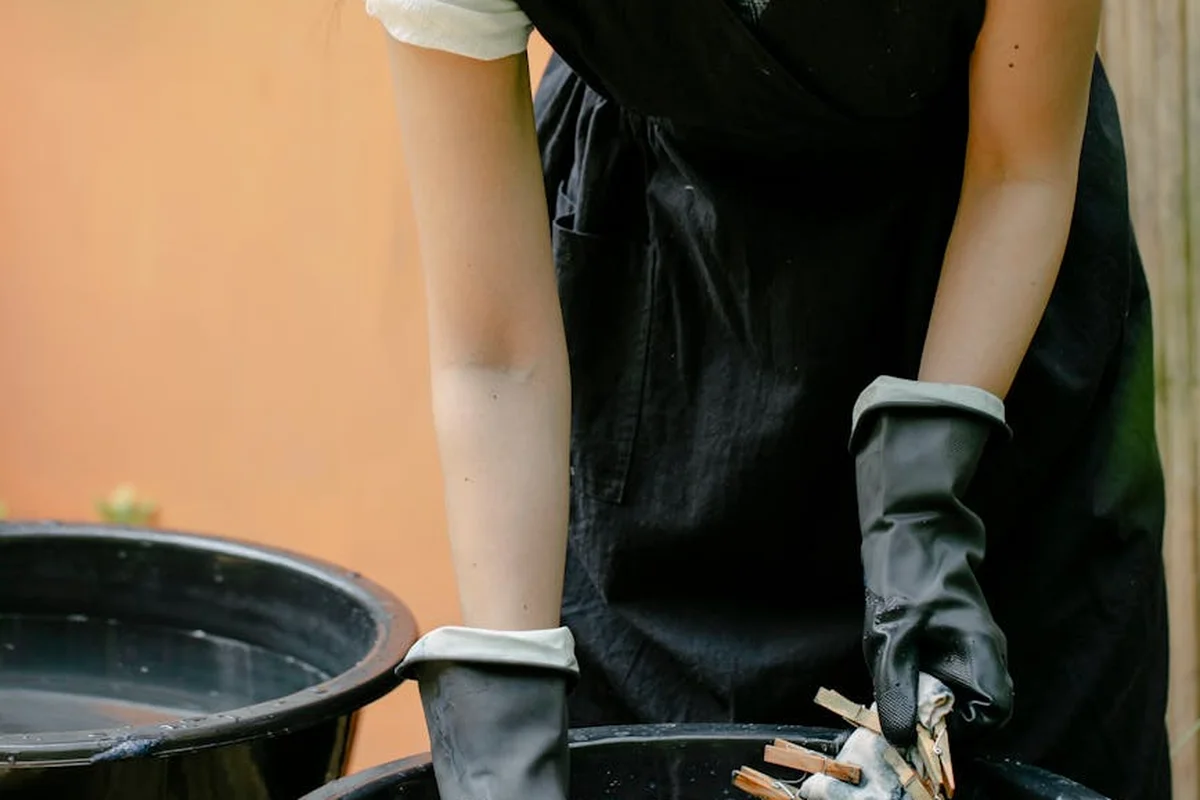
Think of a mordant as molecular glue. In my lab, we define them as metal salts, like alum (potassium aluminum sulfate) or iron (ferrous sulfate), that create a permanent chemical bridge between your fabric and the dye.
Here’s a simple way to picture it. Imagine the mordant molecule has two hands. With one hand, it grabs onto a reactive site on your wool or cotton fiber. With the other hand, it forms a tight bond with the dye molecule. It’s a handshake that locks the color in place—something that’s especially important for synthetic fabrics, which don’t readily bind with dyes.
So, how do mordants work? They create those binding sites. In natural dyeing, mordants are used to lock color onto fibers. This helps ensure colorfastness. Can you dye without one? Technically, yes, especially with protein fibers like wool and silk, which have a natural affinity for many dyes. But skipping the mordant almost always means sacrificing color fastness. Without a mordant, most naturally dyed colors will fade quickly with washing and light, leaving you with a pale, fugitive version of what you started with.
Modifier vs. Mordant: What’s the Real Difference?
This trips up many new dyers. A mordant is applied *before* or *during* the dye process to fix the color to the fiber. Its job is adhesion. A modifier is used *after* dyeing to change the color you already have, typically by shifting the pH of the fabric.
Let me give you a real example from my notebook. You mordant wool with iron, which gives you a dark gray base. After dyeing with goldenrod, you get a mossy green. If you then dip that green wool into a mild baking soda (alkaline) water bath, the pH shift acts as a modifier, often pulling the color toward a warmer, olive tone. The mordant fixed the dye; the modifier altered its expression.
Common Mordants and What They Do
You don’t need a chemistry lab to start. These three are the most accessible and safe for home use.
- Alum (Potassium Aluminum Sulfate): This is your workhorse. It produces bright, clear colors and is very forgiving. I use it primarily on protein fibers like wool and silk. For cellulose fibers (cotton, linen), it often needs a helping hand, which is where tannin comes in.
- Iron (Ferrous Sulfate): Iron is a “saddening” agent. It deepens and darkens colors, pushing yellows to olive, reds to burgundy, and blues to gray. A little goes a very long way. Iron is perfect for achieving those deep slate, charcoal, and black shades without using synthetic black dyes.
- Tannin (from Oak Galls, Sumac, or even Black Tea): Think of tannin as a primer for stubborn fibers. Cotton and linen have fewer binding sites for mordants. A tannin bath first gives the fiber a sticky surface that the alum mordant can then grab onto. It’s a two-step process for vibrant, wash-fast colors on plant fibers.
Handling Mordants and pH Adjusters Safely
This is not a suggestion; it’s your lab safety protocol. “Natural” dyeing uses metal salts and pH extremes that demand respect.
Your essential gear is non-negotiable:
- Rubber or nitrile gloves
- Eye protection
- A dedicated pot and utensils (stainless steel is best) that will never again be used for food
- A well-ventilated workspace
Handle each mordant with its personality in mind. Alum is relatively mild but can still irritate. Iron will stain everything-skin, tools, sinks-and will cause your dedicated tools to rust. Tannin is famously messy and can be slippery. Always add mordants to water, not water to concentrated mordants, to avoid splashes.
Store all mordants and pH adjusters (like citric acid or soda ash) in clearly labeled, sealed containers, out of reach of children and pets. Treat them with the same caution as any household chemical.
For disposal, dilution is key. Heavily dilute any leftover mordant bath with plenty of water before pouring it down the drain. Alternatively, you can use cooled, spent mordant baths to dye wood or as a mordant for dyeing ornamental grasses in your garden-just keep it away from edible plants.
Remember, working with natural materials doesn’t automatically mean working without risk. Respect the process, and you’ll create beautiful, lasting color safely.
Fabric by Fabric: A Dyer’s Guide to Fiber Science
Think of your fabric as a hungry guest at a dinner party. What you serve (the dye) and the table setting (the pH and mordant) must match its dietary needs. Here’s how to feed each fiber type correctly.
Dyeing Cotton and Linen (Cellulose Fibers)
Cotton and linen are made of cellulose, a molecule that is naturally shy and resistant to forming bonds with dye particles. To get a lasting color, you need to prepare its surface.
For cellulose fibers, mordanting is usually a two-step process: first a tannin bath to create ‘handholds,’ then an alum bath to lock the dye in place. You can find tannin in simple things like strong black tea or oak galls.
These plant fibers are tough when wet and can handle a slightly alkaline environment better than protein fibers can. But they are not immune to stress. High, rolling heat can cause the fibers to contract permanently. I always recommend a steady, gentle simmer. Watch for tiny bubbles at the bottom of the pot, not a violent boil.
Dyeing Wool and Silk (Protein Fibers)
Wool and silk are protein-based, much like your own hair. Their molecular structure has open sites that are eager to grab onto dye molecules, especially in a slightly acidic environment.
A weakly acidic dye bath, around pH 4 to 5, helps open up the protein fibers, allowing for deeper, more vibrant color uptake. A splash of white vinegar or citric acid crystals can achieve this.
With wool, the biggest risk is felting shrinkage. Agitation, heat, and rapid temperature changes cause the scales on the wool fibers to lock together. Handle it like a delicate, warm cloud. Use lukewarm water for both mordanting and dyeing, and never stir aggressively-gently push it under with a spoon.
Silk requires even more heat caution. Too much heat will strip away its beautiful, natural sheen. Keep your dye bath below a simmer, just hot enough to steam. Mild acids work perfectly here without damaging the delicate filaments.
When working with animal fibers, I choose my sources carefully. I look for wool from farms that practice ethical shearing and high animal welfare standards. For silk, peace silk (also called ahimsa silk) is a wonderful alternative where the silkworm is allowed to complete its life cycle.
A Note on Synthetic Fibers (Polyester, Nylon, Blends)
Here is the simple, scientific truth. Natural dyes are designed to bond with natural fibers.
Most synthetic fibers like polyester and nylon have a non-porous, plastic-like chemistry that natural dye molecules cannot permanently penetrate or bond to.
Any color you see on a 100% synthetic fabric is a surface stain. It will wash out almost completely in the first rinse. If you are dyeing a blend, only the natural fiber portion (like the cotton in a cotton-polyester blend) will hold the dye. The synthetic threads will stay their original color or take on a faint, temporary tint.
Your Step-by-Step Natural Dyeing Protocol
Treat this like a lab experiment. Your goal is repeatable, beautiful results. Start with fabric swatches-it saves time, money, and heartache.
Keep a dye journal: note fiber type, mordant used, dye source, pH, and the resulting color. This logbook becomes your most valuable tool.
Step 1: Scouring and Preparing Your Fabric
Every new fabric has invisible barriers-factory oils, starches (sizing), or finishes. These will block the mordant. You must remove them first.
- Wash your fabric in hot water (use cool for wool) with a pH-neutral, dye-free soap. Synthrapol or a plain castile soap works well.
- Rinse thoroughly. For cotton, you can simmer it in a pot of plain water for 30 minutes. This step is non-negotiable for good results.
- Handle wool gently in cool water to prevent any felting before you even begin dyeing.
Step 2: The Mordant Bath
Weigh your dry, scoured fabric. This weight determines your mordant amounts.
A standard alum mordant recipe is 10-15% of the fabric’s weight. For 100 grams of dry fabric, use 10-15 grams of alum.
- For Wool: Dissolve the alum in warm water (60°C/140°F). Add the wet, scoured wool. Keep it at this warm temperature for one hour, moving it gently now and then.
- For Cotton/Linen: Simmer the fabric in the alum bath for one hour. Remember, for cotton you may need a tannin bath first.
- For Silk: Use a warm bath, not simmering, around 70°C (160°F) for 45 minutes.
After mordanting, you can dye immediately or squeeze out the fabric and let it dry for later use. Do not rinse it.
Step 3: Creating and Testing Your Dye Baths
Simmer your plant material (like onion skins or avocado pits) in water for about an hour to extract the color. Strain out the solids.
This is where pH science happens. Divide the dye liquid into three pots.
- Pot 1: Leave as is (neutral).
- Pot 2: Add a teaspoon of white vinegar (acidic).
- Pot 3: Add a pinch of washing soda (alkaline).
Use pH test strips to check and record the pH of each pot. You will see how the same dye can shift from gold to rust to chocolate based on pH alone.
Step 4: Dyeing, Rinsing, and the Colorfastness Test
Add your pre-mordanted fabric swatches to the different pots. Maintain a gentle heat-a simmer, not a boil-for 30 to 60 minutes. Longer soaking often means richer color.
Remove the swatches and let them cool in the dye bath for even deeper saturation. Now, rinse each one in cool water until the water runs mostly clear.
This rinse test is your first quality check. If a large amount of dye washes out, the mordant did not bond properly. A little color loss is normal.
Let the swatches dry away from direct sunlight. Then, do a basic wash test: hand-wash a swatch in warm water with mild soap. Observe if the water discolors. This tests for colorfastness to washing.
My final pro-tip from years in the workshop: always dye more fabric than your project requires. Natural variations in fiber, water, and plant material mean even a perfect process can yield slight shade differences between batches, especially when you dye fabric using natural materials.
Caring for Your Naturally Dyed Textiles
Your most reliable step is always to mordant based on fiber type before you even touch the dye pot. I pre-treat wool and silk with an acidic mordant like alum, while cotton and linen need an alkaline bind to hold color securely through washes (especially when you’re dyeing synthetics and blends).
Handle your dyed creations with a gentle, cool wash and air-dry them to maintain their vibrant texture. Every time you learn how a fabric like polyester or a silk blend reacts to pH, you build a more sustainable and respectful practice. This extends beyond dyeing, especially when you wash delicate fabrics.
References & External Links
- r/dyeing on Reddit: What natural dye has the best potential of being long staying? Or is there a method to make them stay?
- Our Top 8 Picks For The Most Durable Natural Dyes – Botanical Colors
- DO NATURAL DYES FADE? LET’S CHANGE THE WAY WE THINK ABOUT THIS! – Farm & Folk
- Discover the Top 6 Natural Dyes for Long-Lasting, Fade-Resistant Cloth – LusionWear
- Colourfast natural dyes – How long do the colours last? – Gorgeous Yarns
- The Ultimate List of Natural dyes (for fabric & yarn) – La creative mama
Florian is a high fashion blog writer, fashion and fabric expert and a keen expert in fabric, clothing and materials. She has worked in large textile and fashion houses for over 10+ years, engineering and working with various fabric types and blends. She is an expert when it comes to questions on any and all kinds of fabrics like linen, cotton, silk, jute and many more. She has also traveled around the world studying traditional fabrics and aims to bring them into the modern fashion use.