
Is Modal Fiber Natural or Synthetic? The Clear Classification You Need
That silky-smooth modal fabric in your hands blurs the line between natural comfort and synthetic performance. I’m here to give you the straight answer from my textile lab experience.
This article will clarify modal’s true nature by covering its origin from beech trees, the chemical process that makes it semi-synthetic, its practical properties including shrinkage and breathability, and how to wash and dye it correctly.
Executive Summary: Your Quick Fabric Guide
Let’s clear up the confusion right away. Modal is neither purely natural like cotton nor fully synthetic like polyester. It is a regenerated cellulosic fiber, which means it starts with natural wood pulp but is processed in a factory to become a textile fiber. Think of it like paper: the wood is natural, but the paper itself is a man-made product derived from that natural material.
Top 3 Practical Pros
- Silky Hand-Feel: The manufacturing process creates incredibly smooth fibers. This gives modal a luxuriously soft, sleek feel against your skin that often beats even high-thread-count cotton.
- High Breathability: Because it’s made from plant cellulose, modal is highly absorbent and allows air to circulate. You get the moisture-wicking comfort of cotton, but modal often dries significantly faster, keeping you from feeling damp.
- Less Shrinkage Than Cotton: Modal fibers are more stable. While you should still use cool water, you can expect minimal shrinkage (typically 2-5%) compared to regular cotton, which can shrink over 10% in a hot wash.
Top 3 Practical Cons
- Can Lose Strength When Wet: The fibers swell with water, making them more vulnerable. You must handle wet modal garments gently to avoid stretching or tearing them, especially when wringing them out.
- Wrinkles Easily: That same smooth, drapey quality means the fibers have little natural resilience. Modal fabrics crumple and crease more readily than a crisp cotton poplin or a springy wool.
- Requires Gentle Washing: To preserve its strength and softness, modal needs a mild touch. This means cold water, a gentle cycle, and avoiding harsh detergents or bleach.
Most Common Uses
You’ll find modal where softness and comfort are priorities. Its top applications are in bed linens for a cool, smooth sleep surface, in underwear for its breathability, in loungewear for its drape, and in those incredibly soft t-shirts that feel broken-in from the first wear.
Material Data Table: Modal at a Glance
| Property | Rating | What This Means for You |
| Breathability | High | It pulls moisture (sweat) away from your skin like cotton but usually dries faster. This prevents the “clammy” feeling you can get with polyester during activity. |
| Shrinkage Rate | Low to Moderate | In a standard hot machine wash, expect about 2-5% shrinkage. This is much more manageable than standard cotton, which can easily shrink 10% or more under the same conditions. |
| Heat Tolerance | Low | Always iron on a low or cool setting. High heat can melt or glaze the fibers, permanently damaging the fabric. Never iron modal directly while it is damp, as the combination of heat and moisture is particularly damaging. |
| Stretch Factor | Minimal | Modal has excellent, fluid drape but very little inherent stretch. For fitted items like leggings or tee shirts, look for a blend with 5-10% spandex or elastane to add recovery and comfort. |
What is Modal? The Core Science

Modal is a fiber made from beech tree pulp. Think of a hardwood tree. Inside its wood is a natural polymer called cellulose. We break that wood down, extract the cellulose, and transform it into a textile fiber.
That transformation is where the “regenerated” part comes in. The natural cellulose isn’t just spun as-is. It’s first dissolved into a liquid solution, like making a very fine, smooth wood pulp. This liquid is then forced through tiny spinnerets-imagine a showerhead with microscopic holes-to form new, continuous filaments. This process of dissolving and reforming is what makes it a “regenerated cellulose” fiber; we’ve taken a natural material and rebuilt it into a new, more usable thread.
Modal has two well-known textile cousins. Viscose (often called Rayon) uses a similar but older, more chemically intensive process. Lyocell, branded most famously as Tencel, uses a newer, closed-loop solvent system that recovers almost all the chemicals. Modal sits between them, offering a softer process than viscose but often not quite as environmentally streamlined as Lyocell.
You might also see “Micro-Modal” on a label. This isn’t a different fiber. It’s the same Modal base, just extruded as an ultra-fine filament. The result is a fabric with an even silkier hand, more like high-grade satin than a standard cotton tee. It feels exceptionally smooth against the skin.
Modal Fiber Classification: The “Semi-Synthetic” Reality
Let’s answer the question directly. Modal is not a natural fiber. You cannot pick it from a plant like cotton. It is also not a synthetic fiber. It is not derived from petroleum like polyester or nylon. Understanding its fiber composition helps explain its fabric uses. Modal fabrics are known for softness and drape, making them popular in clothing and linens.
The confusion is understandable. Its origin is a tree-completely natural. But its path to becoming a fiber involves a human-made chemical manufacturing process. That’s the synthetic step. This is why the most accurate label is “semi-synthetic.”
Textile scientists have an official category for fibers like this: Man-made cellulosic fibers or regenerated cellulose. This is the precise classification. It tells you the raw material source (cellulose from plants) and the method of production (man-made through chemical regeneration).
I like to compare it to baking bread. You start with natural flour. But you use a chemical process (yeast fermentation, heat) to transform it into a new product-bread. You wouldn’t call flour “bread,” and you wouldn’t call wood pulp “Modal.” Both are man-made transformations of a natural starting point.
This classification matters for how you care for it. Because it’s a regenerated cellulose, Modal behaves more like cotton than polyester in the wash. It absorbs water readily and can shrink. I always wash Modal in cool or lukewarm water (max 30°C or 86°F) and lay it flat or hang it to dry. High heat in the dryer will permanently shrink it and can weaken the fibers. For dyeing, fiber-reactive dyes-the same type used for cotton-work beautifully, as the cellulose readily accepts the color molecules. Modal requires even more gentle care when it’s part of a Modal-cotton blend.
How Modal Behaves: Properties for Daily Life
Shrinkage and Washing Response
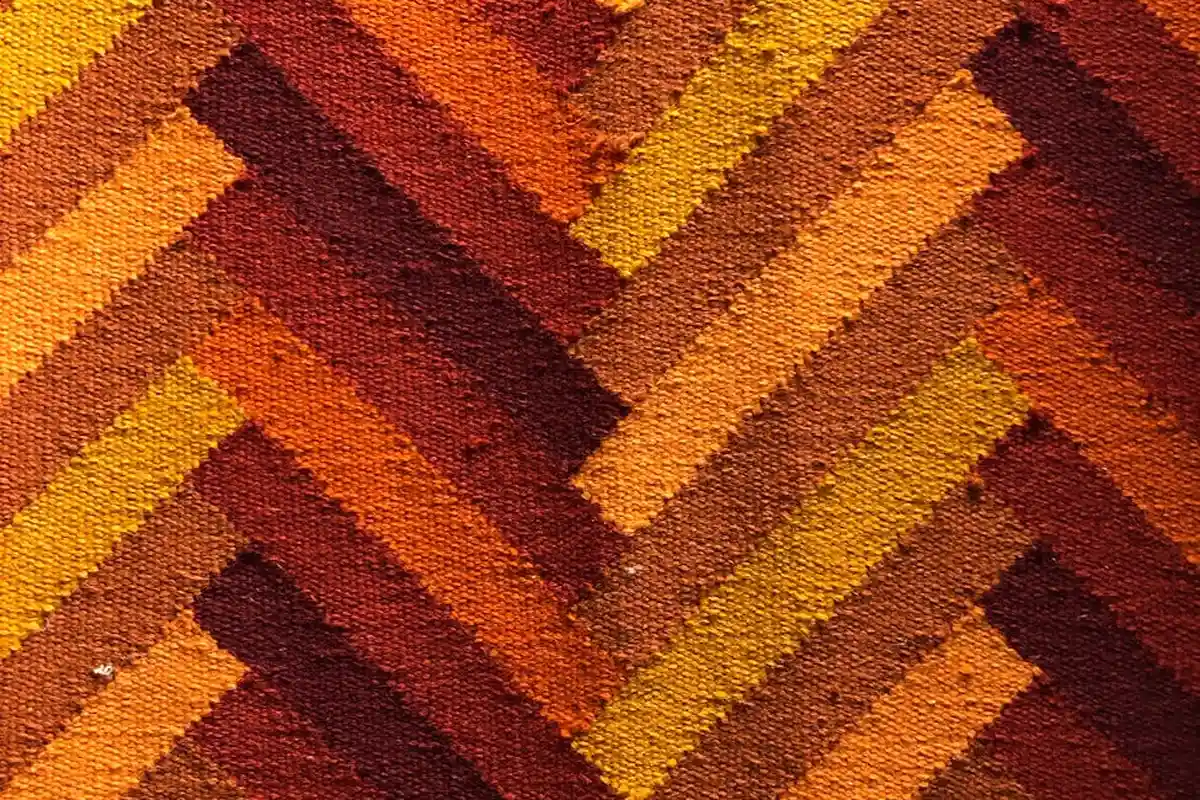
Modal is notably more shrink-resistant than cotton. This comes down to its fiber science. While cotton fibers have a more open, spiraling structure, modal fibers are more crystalline and stable from the manufacturing process. Think of cotton like a sponge that compresses, while modal is more like a spring that returns to its original shape.
If you are sewing with modal or are worried about a favorite garment, do a quick pre-wash test. Cut a small swatch (about 4×4 inches) from an inside seam allowance. Measure it precisely, wash and dry it as you plan to care for the final item, then measure again. This tells you the exact percentage of shrinkage to expect.
Your safe washing rule is simple: cold or lukewarm water on a gentle cycle. Heat and agitation are the enemies of any cellulosic fiber’s longevity.
Feel and Wear (The “Hand”)
The signature feel of modal is what makes it so desirable. It is smooth, sleek, and fluid with a cool, soft touch against the skin. It lacks the occasional dryness or crispness of a standard cotton.
Compared to cotton, high-quality modal is often softer right out of the box. Compared to silk, it offers a similar fluid drape and cool hand but feels more casual, is less expensive, and is far easier to care for. In terms of modal fabric quality characteristics, breathability and easy-care are standout features. These qualities help explain why modal sits between cotton and silk for everyday wear.
This excellent drape means modal fabrics hang beautifully on the body, flowing and moving with you instead of standing stiffly away. It’s a key reason you find it in so many skirts, dresses, and soft blouses.
Color and Dye Affinity
Modal takes dye brilliantly. The fiber’s structure is highly accessible, so dye molecules are readily accepted and locked in deeply. This results in vibrant, rich colors that are often more colorfast than those on cotton.
Polyester, in contrast, is a closed, plastic-like fiber that requires specialized (and often higher-temperature) dyes to penetrate. Modal’s dye behavior is much more like other plant-based fibers.
To keep those deep modal colors vibrant, wash darks inside out and use a detergent formulated for dark or colored fabrics. This minimizes friction and dye loss in the wash water, which is especially important when washing delicate fabrics.
Wrinkle and Care Factors
Let’s be clear: modal wrinkles. A lot. Its smooth, fluid fibers have little natural resilience or “memory” to bounce back from creases.
This isn’t a flaw, just a property to manage. The same softness that feels wonderful creates those wrinkles.
My pro tip is to remove modal items from the dryer the second the cycle ends and hang them immediately. The remaining body heat and moisture will let many of the wrinkles fall out on their own.
How to Care for Modal Fabrics: Washing, Drying, Ironing
The Gentle Wash Cycle
Your machine settings are non-negotiable for long-term care. Always use cold water and the gentle or delicate cycle. Turning garments inside out protects the outer surface.
I recommend a mild liquid detergent. Avoid heavy powder detergents that might not fully dissolve, and skip detergents with added enzymes or optical brighteners unless you’re dealing with a specific stain. These additives can be harsh over time.
Do not use liquid fabric softener. It leaves a waxy coating that can reduce modal’s natural absorbency and that sublime soft hand you bought it for.
Drying Without Damage
The best way to dry modal is to lay it flat on a mesh drying rack. This supports the garment’s weight, prevents stretching at the shoulders, and minimizes new wrinkles from forming.
If you must use a dryer, select the absolute lowest heat setting or the “air fluff” (no heat) option. You must remove the items while they are still slightly damp to the touch. Then, hang or lay them flat to finish drying. This step is crucial.
Never use high heat. High heat is the primary cause of shrinkage, can melt any elastane blends, and can give the fibers a harsh, rough feel.
Ironing and Steaming
If you need to iron, set your iron to the “synthetic” or low setting (often one dot). Always use a pressing cloth-a thin cotton handkerchief works-between the iron and the modal fabric to prevent scorching and shine.
A garment steamer is a far better tool for modal. The steam relaxes the wrinkles without direct contact and intense heat. Just hover the steamer head over the fabric and watch the creases disappear.
For a quick fix, hang the wrinkled modal item in your bathroom while you take a hot shower. The ambient steam will often do the job with zero effort.
How Modal Compares to Other Common Fabrics
Putting modal in context shows its real strengths and weaknesses. Let’s see how it stacks up against fabrics you already know.
Modal vs. Cotton
Think of cotton as your reliable friend and modal as its more luxurious cousin. They share a family tree but have different personalities.
Modal feels luxuriously soft right out of the box, while cotton often needs a few washes to reach its full, broken-in comfort. That silky hand is modal’s signature. In the wash, modal is the more stable fabric. I’ve tested standard jersey knits where modal shrank about 2-3%, while a comparable cotton shrank 5-8% on a warm wash cycle. Both let your skin breathe beautifully, but modal often feels cooler to the touch and dries slightly faster because of how smoothly the fibers channel moisture.
Where cotton wins is raw strength. A wet cotton t-shirt is still tough. A soaking wet modal garment becomes delicate and can stretch or tear if handled roughly. Always support the weight of wet modal when moving it from washer to dryer.
Modal vs. Polyester
This is a classic match-up between nature and oil. Their behaviors are almost opposites.
Modal loves water. It can absorb up to 50% more moisture than cotton, pulling sweat away from your skin to evaporate. Polyester typically repels water, which can leave you feeling clammy. For activewear, modal is for comfort and breathability, while polyester is for quick-drying performance and shape retention.
Both are heat-sensitive, but for different reasons. High heat can weaken and degrade modal fibers over time. With polyester, high heat (like from an iron) can actually melt the fibers, causing shiny patches or holes. Their origins define a big difference: modal comes from renewable beech trees, while polyester is synthesized from petroleum.
Care routines split here, too. Polyester is famously low-maintenance and can handle machine drying. Modal demands a gentle, cooler wash and prefers to air dry or tumble dry on low.
Modal vs. Tencel (Lyocell)
Here we have sibling rivalry. Both modal and Tencel start as wood pulp, usually from beech or eucalyptus trees. The difference is in the processing.
The modern Tencel (Lyocell) process uses a non-toxic solvent in a closed-loop system that recycles over 99% of the water and solvent. Traditional modal production uses a different chemical process. This gives Tencel a strong environmental edge. In your hand, Tencel often feels subtly stronger and has a distinctive, cool drape. Some finishes give it a beautiful, soft “peach skin” texture.
In performance, Tencel fibers are notably stronger than modal, both when dry and, importantly, when wet. This makes Tencel garments more resistant to stretching or damage during washing. If you have a item labeled “Lyocell,” treat it with the same gentle care as modal, but know it has a bit more innate resilience.
Environmental Impact of Modal Fiber
The story of modal’s sustainability is nuanced. It has clear advantages over synthetics but also real concerns.
The raw material is a major plus. Beech trees grow quickly without irrigation or pesticides, often in sustainably managed, FSC-certified forests. This makes the feedstock renewable. The environmental weight comes from the manufacturing. To turn hard wood into a soft fiber, the pulp is dissolved using chemicals like sodium hydroxide and carbon disulfide. If not strictly managed, these chemicals can pose risks to factory workers and local ecosystems.
This is why I always look for transparency. A generic “modal” on a tag tells you little, but “Lenzing Modal” indicates fiber produced in Austria under stringent EU environmental and social controls. Lenzing has made significant efforts to clean up this process, recovering and reusing more chemicals.
Two huge benefits for the planet are often overlooked. First, microplastics. Modal does not shed them. When you wash a modal shirt, any tiny fibers released are biodegradable cellulose, not persistent plastic that pollutes oceans. Second, biodegradability. A 100% modal fabric in a composting environment will break down significantly faster than polyester or nylon, returning to the earth. The speed depends on any dyes or chemical finishes applied to the final fabric.
My advice is to be a choosy shopper. Support brands that specify their modal source, especially when the modal is healthy and eco-friendly. It pushes the entire industry toward better, cleaner production methods for these useful plant-based fibers.
Your Guide to Modal in the Wardrobe
Treat your modal fabrics as you would a premium cotton, but with gentler drying. I always wash modal in cool water with a mild detergent and let it air dry to preserve its soft hand and prevent shrinkage or damage from high heat.
Every fabric choice, from modal to wool, carries an impact. Modal’s silky drape and moisture-managing properties shape its uses and care needs. I learn more about fiber science every day in my own workshop, and I encourage you to view caring for your garments-mending, washing wisely, choosing long-lasting materials-as a fundamental part of sustainable style.
Expert Resources and Citations
- What kind of fabric is Modal? | The pros and cons | House of U
- What Is Modal Fabric and Is It Eco-friendly? | HowStuffWorks
- Fabric Guide: What Is Modal Fabric? Understanding How Modal Is Made and Whether Modal Is an Environmentally Conscious Choice – 2026 – MasterClass
- What is Modal fabric? Discover the eco-friendly fabric modal
- What is Modal Fabric: Properties, How its Made and Where | Sewport
Florian Ventura
Florian is a high fashion blog writer, fashion and fabric expert and a keen expert in fabric, clothing and materials. She has worked in large textile and fashion houses for over 10+ years, engineering and working with various fabric types and blends. She is an expert when it comes to questions on any and all kinds of fabrics like linen, cotton, silk, jute and many more. She has also traveled around the world studying traditional fabrics and aims to bring them into the modern fashion use.