
How Long Do Fabric Dyes, Bleaches, and Treatments Really Take?
If you’re staring at a bubbling pot of dye or a fizzing bucket of bleach, wondering when you can finally rinse, you’re not alone. The timing is often the biggest question, and getting it right makes the difference between a brilliant result and a disappointing mess.
We will cover the active working time for common processes like tie-dye and bleaching, the essential resting or curing periods many treatments require, and the total project clock from prep to final wash.
The Fabric Dyeing Clock: From Pot to Permanent
When you ask “how long do you leave fabric in dye,” you’re really asking about two separate clocks. The first is the immersion time in the hot dye bath. The second, just as critical, is the setting or curing time after you rinse. Ignore the second, and your beautiful color will wash right down the drain.
Immersion time isn’t arbitrary. It’s dictated by the fabric’s molecular structure. Think of dyeing as a targeted delivery system where the dye molecule must find and bond to a specific site on the fiber. How long that takes depends entirely on what you’re dyeing.
Cellulosic Fibers: Cotton, Linen, Rayon
For plant-based fibers like cotton, you need a long, hot, salty bath. I aim for 45 to 60 minutes of simmering (not rolling boil).
The heat causes the fiber to swell, opening up microscopic doors. The salt acts like a crowd controller, pushing the dye molecules out of the water and into the fabric. It’s like convincing a dry sponge to fully absorb colored water; it needs time and the right conditions to soak through completely.
Protein Fibers: Silk and Wool
Animal fibers like silk and wool require a gentler, more acidic approach. I use a vinegar-water bath and keep the temperature below a simmer for about 30 to 45 minutes.
The acid helps the dye bond to the fiber’s chemistry. The lower heat is non-negotiable. Too hot or too long, and wool will felt (those scales permanently lock together), and silk will lose its prized, sleek hand and luster. Patience with lower heat preserves the delicate beauty of protein fibers.
Synthetic Fibers: Polyester and Nylon
These are the tough cases. Polyester, especially, requires specialized disperse dyes and water so hot it’s nearly boiling (often 200°F+). You must maintain this for at least 30 minutes, sometimes longer. Carrier chemicals at high heat are often used with polyester to help carry the dye into the fiber. Getting the heat and chemical balance right is essential for even coloration and colorfastness.
The dye literally has to dissolve into the plastic-like fiber. This time is non-negotiable for penetration. Nylon is more forgiving and can use acid dyes like wool, but still needs sustained heat. For synthetics, think of the time as the energy needed to soften the fiber enough to let the dye in.
What About Tie-Dye and Direct Application?
“How long do you let dye sit on fabric” for tie-dye is a different story. Here, you bundle the fabric and let it sit for 6 to 24 hours. This allows the colors to blend and the pattern to set without running. This long sit is for creating the pattern, not for the final dye bond; you must still rinse and then heat-set the item according to the dye type for permanence.
For commercial dyes like Rit, which are fiber-reactive for cellulose and acid-based for protein/synthetics, always follow their specific timing. It’s usually 30 to 60 minutes of constant stirring. Their guidelines are engineered for reliable home results.
Bleaching: A Race Against the Clock (and the Fabric)
Bleaching is not dyeing. It is a controlled chemical attack on color molecules. This process is measured in careful minutes, not relaxed hours, and active monitoring is your best tool. Look away for too long, and you go from lightening to destroying. For linen, whiten safely with proper concentration and thorough rinsing. Always follow label directions and test on a small area first.
Chlorine vs. Oxygen Bleach: Speed vs. Safety
You have two main timers:
- Chlorine Bleach (Sodium Hypochlorite): Fast and harsh. For whitening or stain treatment, I never exceed 5-10 minutes of soak time on robust white cotton or linen. It weakens fibers with every second.
- Oxygen Bleach (Sodium Percarbonate): Slower and gentler. A soak of 1 to 8 hours is common for brightening colors or tackling stains on safer fabrics. It’s my go-to for maintenance.
The Critical Factors That Change the Time
Your bleach timer starts counting faster or slower based on three things:
- Fiber Type: Never use chlorine bleach on silk, wool, spandex, or mohair. It will dissolve them. Oxygen bleach is safer for most colors but test first.
- Fabric Strength: A worn-thin cotton tee will disintegrate far faster than new canvas.
- Water Temperature: Warm water accelerates the chemical reaction dramatically. I use cool water for more control.
A Safe Bleaching Protocol
Here is my non-negotiable routine for any bleaching project:
- Always Dilute. Never apply straight bleach to fabric.
- Always Test. Apply the diluted solution to a hidden seam or hem first. Wait 2 minutes, rinse, and check for damage or color change.
- Set a Timer. Start with 5 minutes. Check. You can always add time, but you can’t reverse it.
- Have a Neutralizer Ready. For chlorine bleach, a quick rinse in a solution of one part hydrogen peroxide to ten parts water stops the action instantly.
“How long does it take to bleach” has no single answer. The time depends entirely on your goal-a slight brightening, removing a stain, or stripping all color-and respecting the fabric’s limits is the real timer.
Fabric Treatments and Finishes: The Invisible Timeline
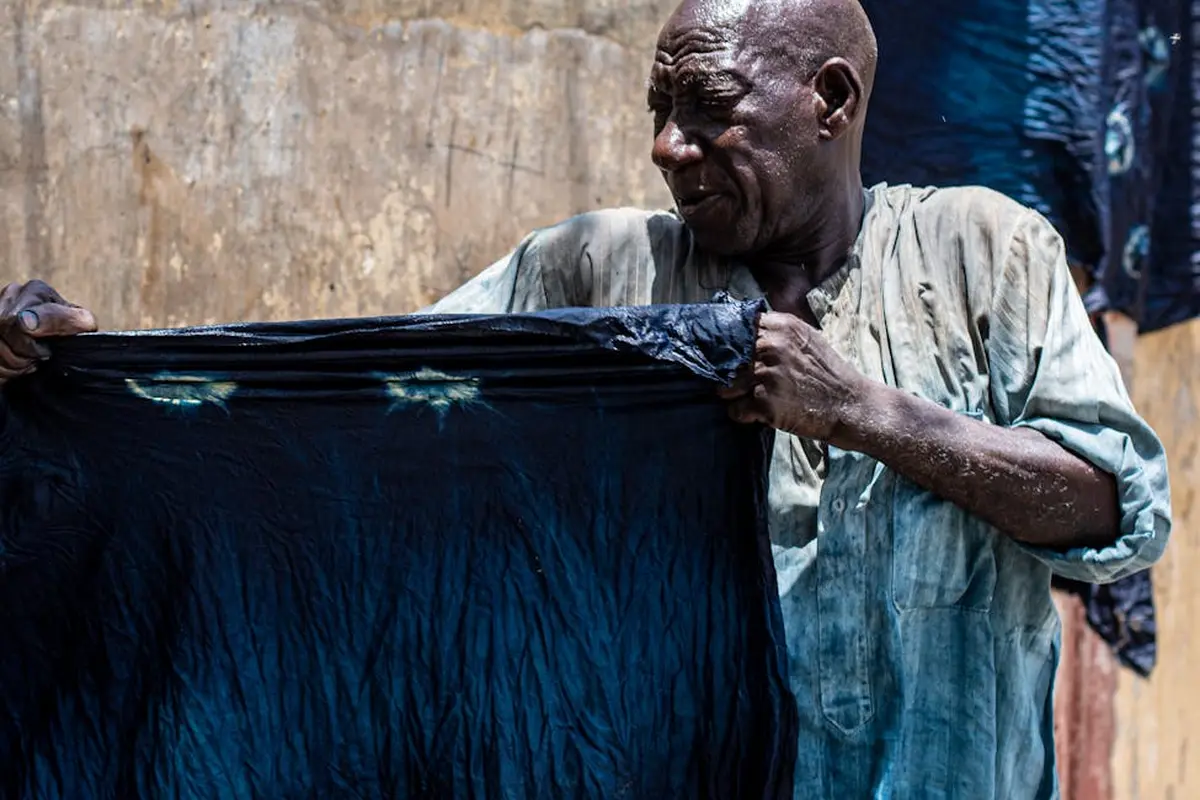
When we talk about dyeing and bleaching, we see the color change. Treatments are different. They alter how a fabric behaves, not just how it looks. Think of water repellency, wrinkle resistance, flame retardancy, or a soft, brushed feel. These are all applied finishes.
In a mill, this happens at lightning speed. A finish is sprayed, padded, or foamed onto miles of fabric, then cured with heat or pressure in seconds. It’s a continuous, high-tech process.
At home, the clock slows way down. Applying a spray-on water proofer? You’re doing the spraying, but the real work happens as it dries. The chemicals need 12 to 24 hours to fully cure and bond at room temperature. Rushing this by wearing the jacket too soon leaves a tacky feel and weak performance.
Heat setting is a treatment step you often control. For synthetic fabrics like polyester or nylon, and for many dyes, heat locks everything in place. This is the direct answer to “how long does fabric dye take to set” for home dyers: a focused 2-5 minutes of high heat. I use a dryer on its hottest setting or an iron (with a pressing cloth). This step makes the color wash-fast and stable.
Some finishes are baked in from the start. Performance fabrics often have moisture-wicking or antimicrobial properties built into the polymer before it’s ever spun into yarn. For these, the “treatment time” is zero for you-it’s a permanent part of the material’s DNA.
What Controls the Stopwatch? Key Factors in Treatment Time
Whether you’re dyeing, bleaching, or applying a finish, several factors push the timeline faster or slower. Understanding them turns guesswork into a plan.
Fiber Chemistry
This is the foundation. Hydrophilic fibers, like cotton and silk, love water. They soak up dye baths quickly, which can speed up the process. Hydrophobic fibers, like polyester, repel water. They need high heat and specialized dyes to open up and accept color, which takes longer.
Protein fibers (wool, silk) and cellulose fibers (cotton, linen) also react to different chemicals. A bleach safe for cotton will dissolve wool. Always know your fiber first.
Temperature
Heat is your best tool at home. Warmer temperatures make dye and chemical molecules move faster, driving reactions. Increasing the temperature is the single most effective way to shorten processing time for most dyes and many treatments. A wool dye bath at a simmer takes an hour; a lukewarm bath could take all day and give patchy results.
Chemical Concentration
It’s tempting to think more dye equals faster, darker results. It usually doesn’t work that way. Fiber can only absorb so much. Excess dye just rinses down the drain, wasting money and harming the environment. With bleach, excess concentration eats through the fabric itself. Follow package directions for the best balance of time, result, and fabric safety.
Fabric Weight & Yardage
A sheer silk chiffon scarf will absorb dye in minutes. A dense, 12-ounce denim jacket needs much longer for the dye to penetrate every thick thread. More yardage means more material for the chemicals to work on, requiring a larger dye bath and often more time for even coverage.
Agitation
Constant, gentle stirring in a pot ensures every part of the fabric meets the dye evenly, leading to uniform color in less time. For a tie-dye project where you want distinct patterns, the fabric sits still in the bucket-the dye slowly migrates, and the process is slower by design.
Finally, a quick note on a common search: “how long does fabric wholesale direct take to ship?” That’s a logistics and supplier question, not a fabric science one. It varies by company and distance, completely separate from the chemical timelines we control in our studios and laundry rooms.
When Things Go Wrong: Troubleshooting Time-Related Issues
Getting the timing wrong is the most common reason a project fails. Rushing or dragging out a step can damage your fabric. Let’s diagnose the usual suspects.
Problem: Dye is pale or washes out. The likely cause is not enough time in the dye bath or you skipped the heat-setting step. Dye molecules need time to travel into the fiber’s core. For cotton, that means a long, hot simmer. For polyester, it requires sustained, high heat to “open” the fiber. If you pull it out early, the color only coats the surface and rinses right off.
Problem: Fabric is weak or has holes after bleaching. You left the fabric in bleach too long or used the wrong type. Chlorine bleach is a powerful oxidizer. It doesn’t just remove color, it eats away at the fiber itself if left unchecked. Cotton can become brittle and tear. Wool or silk will dissolve. If you’ve over-bleached cotton or rayon and it’s just weakened but not full of holes, a simple fix is to dye it a darker, richer color. The dye can help mask the damage and the fabric may still have useful life left.
Problem: Treatment (like waterproofing) feels sticky or fails. This almost always means you didn’t allow the full curing time before getting the fabric wet or using it. These finishes need time for the solvents to evaporate and the polymers to fully cross-link. Putting on a second coat because it looks wet, or packing a tent away too soon, creates that tacky feel and ruins the performance.
Problem: Colors bleed in the wash after dyeing. The culprit is incomplete rinsing. You didn’t rinse until the water runs completely clear. This is a time-intensive but absolutely vital step. Any loose dye left in the fibers will migrate in the first wash, staining other clothes or making your new color look muddy. Think of this rinse as part of your prepare troubleshoot fabric dyeing routine. It sets up smoother troubleshooting for future dyeing projects.
Your Step-by-Step Protocol for Timing It Right
Think of this as a recipe where patience is the main ingredient. Here is a condensed, actionable guide for a home dyer working with common fibers like cotton or polyester.
-
Pre-Wash: 1 full wash and dry cycle to remove finishes. (60-90 min)
I never skip this. Fabric is often coated with sizing or finishes that repel water and dye. A hot wash with a little detergent strips this away so the dye can penetrate evenly. -
Dye Bath Immersion: Based on fiber type. (30-60 min of active simmering)
For plant fibers (cotton, linen): maintain a bare simmer for 30-60 minutes, stirring often. For animal fibers (wool, silk): use a gentle heat below a simmer for 30+ minutes to avoid felting. For synthetics (polyester): you must keep the bath at a near-boil for 30 minutes to lock the dye in. -
Rinsing: Until water runs cool and clear. (15-30 min of patience)
This is the test. Rinse the fabric under cool, running water. Gently squeeze. Keep going until the water is completely clear with no trace of color. This ensures no excess dye remains. It also ties into fabric colorfastness testing, helping prevent color bleed in future washes. -
Setting: Heat in dryer (synthetics, some cottons) or with acid rinse (wool/silk). (5-30 min)
For polyester, tumble dry on high for 30 minutes-the heat permanently sets the dye. For cotton, a high-heat dryer cycle also helps. For protein fibers, a final rinse in cool water with a splash of white vinegar (an acid bath) helps neutralize the dye bath and set the color. -
Final Wash & Dry: A gentle cycle with mild soap. (90 min)
Wash the garment alone on a gentle, warm cycle with a mild detergent. This removes any last traces of dye or chemicals. Then dry as you normally would. For dye delicate fabrics washing, choose a cooler cycle and color-safe detergent. This helps prevent dye bleed and keeps colors vibrant.
A final note on drying: How long does fabric dye take to dry? This is separate from setting the dye. Drying time depends entirely on fabric weight and air flow. After the final rinse, squeezing out excess water and air-drying a medium-weight cotton can take 4 to 12 hours. A thick sweatshirt might need 24. Using a fan speeds it up.
Good fabric transformation isn’t about speed. It’s about giving each chemical reaction the time it needs based on the fiber’s inherent properties. Wool needs a gentle, cool patience. Polyester demands a forceful, hot commitment. Listen to the fiber, and you’ll get the result you want.
The Timeline in Your Hands
The most reliable way to predict how long a dye or bleach process will take is to know your fiber. I always treat a wool sweater with a different clock than a polyester jacket. Before any project, check the fabric content and care label-this small step saves hours of frustration and prevents damage.
Treating our fabrics well is an act of care, both for the material and the resources used to create it. Your journey with fabric science doesn’t end here; keep learning about how cotton, silk, or nylon react, and choose methods that honor the material’s life.
Relevant Resources for Further Exploration
- r/upcycling on Reddit: Is there a specific method to bleach/dye fabric?
- How To Garment Dye With Jacob Keller
- What Color to Expect When Bleaching Fabric (With Examples & Expert Tips) | Chandye
- How to Tie Dye with Bleach: 3 Easy Techniques for Reverse Tie
- How to Tie Dye with Bleach: 15 Steps (with Pictures) – wikiHow
Florian is a high fashion blog writer, fashion and fabric expert and a keen expert in fabric, clothing and materials. She has worked in large textile and fashion houses for over 10+ years, engineering and working with various fabric types and blends. She is an expert when it comes to questions on any and all kinds of fabrics like linen, cotton, silk, jute and many more. She has also traveled around the world studying traditional fabrics and aims to bring them into the modern fashion use.