
What Are the Types and Classifications of Cotton, Wool, Silk, and Synthetic Fabrics?
Fabric labels might seem like a secret code, but decoding them starts with knowing a few basic types. I’ve spent years in the lab and laundry room, and I’ll show you how this knowledge simplifies care and shopping.
This guide will walk you through the essentials, covering cotton classifications like long-staple and brushed, wool types from fine Merino to resilient Shetland, silk varieties such as cultivated and wild, and synthetic fibers including polyester, nylon, and common blends.
Executive Summary: Your Fabric Quick-Reference Chart
Use this chart as your starting point. It connects the fiber type to the final fabric you hold in your hands.
| Fabric Type | Primary Use | Key Property | Biggest Care Warning |
| Cotton Poplin | Shirts, Blouses | Crisp, Smooth Hand | Prone to shrinkage in heat |
| Wool Flannel | Suiting, Winter Trousers | Insulating, Brushed Surface | Can felt and shrink with agitation and heat |
| Silk Charmeuse | Lingerie, Eveningwear | Lustrous, Fluid Drape | Water can spot; needs gentle handling |
| Polyester Fleece | Activewear, Jackets | Fast-Drying, Insulating | Holds body odors; wash with sport detergent |
| Nylon Taffeta | Outer Shells, Bags | Strong, Wind-Resistant | Heat can melt or scorch the fibers |
| Cotton Jersey | T-Shirts, Casual Dresses | Soft, Knitted Stretch | Can lose shape if stretched while wet |
Knowing the fiber is the first step to making your clothes last.
Cotton: From Crisp Poplin to Soft Jersey
Cotton is a plant fiber. Its core structure is cellulose, a natural polymer that forms tiny, twisted ribbons. Between these ribbons are spaces that let air pass through, which is why cotton feels so breathable against your skin. The number of cotton fabric types is vast, but they all come down to two things: how the yarns are woven or knitted together, and any special finishes applied afterward. These factors greatly influence the characteristics of the cotton fabric.
The Cotton Spectrum: Weave Defines the Fabric
Think of the weave as the fabric’s architecture. It changes everything from drape to durability.
Poplin or Broadcloth has a very simple, tight weave. It feels like smooth, lightweight paper and is ideal for structured button-down shirts and summer dresses where you want a crisp look. While poplin fabric is often cotton-based, it can also be made from synthetic fibers.
Twill creates a subtle diagonal rib on the surface. You know it from denim and chinos. This structure makes the fabric more durable and resistant to wrinkles than a plain weave, giving it a sturdy, substantial hand.
Sateen uses a clever weave that puts more yarns on the surface. This gives it a sleek, lustrous feel reminiscent of silk, but with cotton’s breathability. I love it for luxurious bed sheets and draped blouses.
Jersey is a knit, not a weave. It’s a series of interconnected loops, which gives it natural stretch and a soft, forgiving hand. This is your classic t-shirt and comfortable dress fabric.
Flannel is usually a brushed twill or plain weave. After weaving, little brushes raise the fibers to create a fuzzy, insulating surface. That soft, cozy feel is perfect for shirts and pajamas. Flannel fabric can be made from cotton or wool, each lending a distinct character to its warmth and texture. Cotton flannel tends to be lighter and breathable, while wool flannel offers extra warmth.
Cotton Care: Taming Shrinkage and Wrinkles
Cotton shrinks because of its hydrogen bonds. Heat, moisture, and agitation relax these bonds, allowing the fibers to release tension and contract closer together. It’s like a sponge tightening up as it dries.
Follow this protocol to manage it. If you are sewing with cotton, pre-wash and dry the fabric exactly as you plan to care for the final garment. This “gets the shrinkage out” first. For everyday care, wash cotton items in cold water to minimize further shrinkage and color loss. You can tumble dry on a low heat setting, but I always air dry my favorite pieces. It uses less energy and is gentler on the fibers over time.
Linen, from the flax plant, is another beloved plant fiber. It shares cotton’s love for cool water and air drying but wrinkles far more easily. Think of those wrinkles as part of its natural, relaxed character—especially when compared to other summer textiles like cotton.
Wool: Understanding Scales, Not Just Itchiness
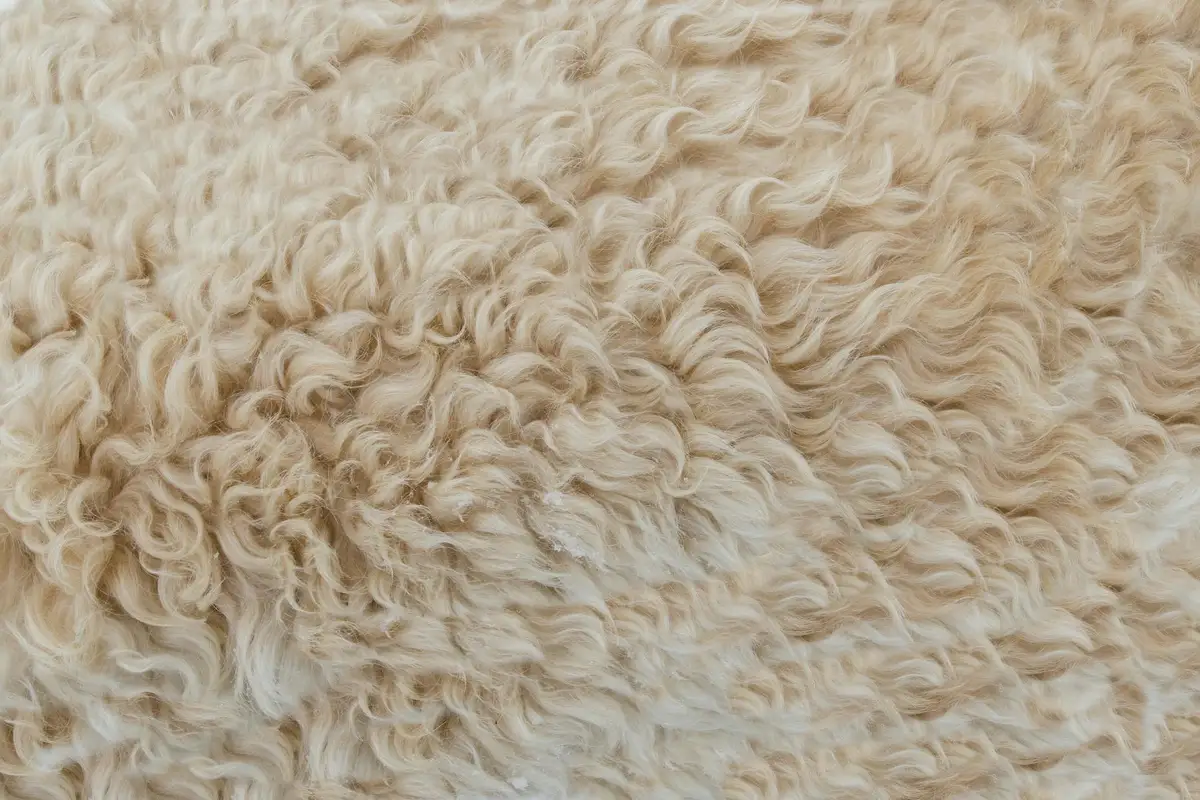
Wool begins with sheep, and I always start by honoring the animal. Seeking out wool certified for humane sourcing respects the animal’s welfare and often results in higher-quality fiber. Let’s look at why wool behaves the way it does. Under a microscope, a wool fiber isn’t smooth. It’s covered in tiny, overlapping scales, like the feathers on a bird.
Heat and agitation make these scales lock together. This permanent tangling is called felting, and it’s the real cause of wool shrinkage, not just the fabric tightening. Imagine a sponge compressing versus a spring coiling up-wool is the sponge, its structure changing forever.
Wool Types by Sheep (and Other Animals)
Not all wool is created equal. The breed of sheep defines the fiber’s fineness and character.
- Merino wool comes from Merino sheep. It has very fine, soft fibers, often under 20 microns. This makes it luxuriously soft against the skin, not itchy.
- Shetland or Cheviot wool is a medium-grade fiber. It has a rustic, springy loft and is famously durable for tweeds and cozy sweaters.
- Wool felt is a fabric category, not a weave. The fibers are matted and compressed with heat, moisture, and pressure. It doesn’t fray and holds shapes beautifully for hats and crafts.
Other animals offer options too. Alpaca fiber, for instance, is hollow and lacks scales, giving it a sleek hand and less tendency to felt.
Wool Care: It’s All About Temperature Control
Wool care is simple: avoid sudden temperature changes and physical stress. Follow these steps exactly.
- Fill a clean sink with lukewarm water. Test it with your wrist-it should feel neutral, never hot.
- Dissolve a capful of wool-specific detergent. I avoid regular detergents; their enzymes can damage protein fibers.
- Submerge the garment gently. Swish it through the water. Never rub, scrub, or wring the fabric.
- Soak for up to 15 minutes, then drain the soapy water. Refill with fresh lukewarm water to rinse until it runs clear.
- Press the water out. Roll the garment in a clean, absorbent towel and press firmly to blot out moisture.
- Reshape the garment and lay it perfectly flat on a drying rack, away from direct heat or sun.
What if it’s already felted and shrunk? Severe felting is often permanent, but you can try a gentle soak in lukewarm water with a generous amount of hair conditioner to slightly relax the scales. It might recover some give, but it won’t return to its original size.
The reward for this care is immense. Well-maintained wool is remarkably durable, naturally resists odors, and can provide warmth for a lifetime. This durability often sets it apart from other materials, such as cashmere, which requires more delicate handling.
Silk: The Protein Thread That Demands Gentleness
Silk is the product of silkworms and moths. I acknowledge this origin and encourage exploring peace silk (where the moth emerges) or recycled silk as compassionate alternatives. The secret to silk’s beauty is its structure. Unlike cotton or wool, silk is a continuous filament.
This means each thread is one incredibly long, unbroken strand of protein. That continuous filament is what gives silk its legendary strength and deep, luminous luster. It feels sleek and cool to the touch.
Silk Fabrics: Weight and Weave Change Everything
The name “silk” covers a family of fabrics where weight and weave dramatically alter the hand and use.
- Charmeuse is a satin weave, giving it a shiny face and a dull back. It’s slippery and drapey, perfect for lingerie, slips, and flowing blouses.
- Habotai or China Silk is a lightweight, plain weave. It’s soft and slightly crisp, ideal for linings, scarves, and lightweight summer dresses.
- Dupioni is woven from irregular, slubbed threads. This creates a crisp texture with a subtle shine, excellent for structured gowns, suits, and upholstery.
- Chiffon is a sheer, gauzy weave with a slight stretch. It’s used for overlays, veils, and ethereal evening wear.
When considering types of fabrics for dresses, think of Charmeuse for a fluid, body-skimming fit and Dupioni for a garment that holds a sculpted shape.
Washing and Dyeing Silk: A Delicate Balance
Many “dry clean only” silk tags are more for liability than necessity. You can safely hand-wash most silk habotai, chiffon, and even charmeuse at home, preserving its life and luster.
My protocol is this. Use cool water and a mild, pH-neutral soap like a dedicated silk wash or castile soap. Submerge the silk, swish gently for a minute, then rinse thoroughly in cool water. Roll it in a towel to blot, never wring. Lay it flat to dry, smoothing out any wrinkles.
Silk dyes beautifully. As a protein fiber, silk has a strong affinity for acid dyes, which produce rich, vibrant colors that bond well to the fiber. For home dyers, the key is maintaining a consistent, low simmer. Sudden high heat can shock the fibers, making them brittle.
Always remember silk’s kryptonite: water spots. Water spots happen when droplets dry unevenly, leaving permanent rings, so after washing, ensure the fabric dries uniformly without pooled water. For silk fabric care washing, always use cold water and a gentle detergent. Avoid wringing and lay flat to dry to maintain softness and shine.
Synthetic & Blended Fabrics: The Science of Performance
Unlike natural fibers that grow from plants or animals, synthetic fabrics are born in a lab. They are engineered from polymers, which are long chains of molecules often derived from petroleum. Think of each polymer chain like a long, smooth, and very strong piece of plastic spaghetti. This structure gives synthetics their superpower: incredible strength and resistance to wrinkles, mildew, and abrasion. However, those smooth chains don’t absorb water. Instead, they wick moisture away from your skin to the fabric’s surface to evaporate, which is why they are the foundation of most activewear.
Common Synthetic Players: Polyester, Nylon, and More
You might ask, are there different types of polyester fabric? Absolutely. The base polymer is just the start. How it’s spun, textured, and woven creates entirely different fabrics. Polyester fleece is brushed to create a soft, lofty pile that traps warm air. Microfiber uses filaments dozens of times finer than a human hair, resulting in an ultra-soft, dense fabric perfect for cleaning cloths and linings. Polyester taffeta is woven tightly to produce a crisp, slightly noisy fabric with a sleek hand, often used for jackets and linings.
Nylon is even stronger than polyester and has a slight natural give, which is why it’s the hero of hosiery, swimwear, and backpacks. You’ll rarely see 100% nylon in clothing; it’s usually blended with other fibers to add durability and stretch. Speaking of stretch, elastane (like Lycra or Spandex) is the pure stretch component. It’s never used alone but is blended in small percentages (usually 2-10%) to give jeans, leggings, and dresses their recovery. Considering nylon vs polyester fabric differences helps explain why each performs best in different garments. This quick contrast can guide your fabric choices for activity-based wear.
For outdoor furniture and awnings, solution-dyed acrylics like Sunbrella are the gold standard. The pigment is added to the liquid polymer before it’s ever spun into a fiber, making the color incredibly resistant to fading from UV rays. This is a great example of engineering a synthetic for a specific, demanding job.
Caring for Synthetics and Blends
Caring for these materials is straightforward if you remember their petroleum-based origin. Always wash synthetics in cold water. Hot water can set oil-based stains permanently into the plastic-like fibers and can cause colors to fade or transfer. When drying, use low heat only. High heat can melt, scorch, or cause severe shrinkage as the fibers contract.
The golden rule for any blended fabric, like a 60% cotton 40% polyester shirt, is to care for it according to the most delicate fiber in the mix. A 70% wool 30% nylon blend sweater gets the gentle, cold-water wool treatment. That’s how you preserve the garment.
Pilling is a common issue, especially on polyester fleece and blends. Those tiny balls of fuzz aren’t dirt; they are tangled fibers that have broken and rolled up from friction. Understanding what causes pilling can guide both prevention and removal strategies. A simple fabric shaver or a battery-operated defuzzer will clean them right off without damaging the base fabric.
Material Data Table: The Physics of Your Fabrics
This table puts the physical properties of common fibers side-by-side. Use it as a quick-reference guide when you’re checking a care label or planning a project.
| Fiber | Breathability | Shrinkage Risk | Safe Iron Temp | Stretch Factor |
|---|---|---|---|---|
| Cotton | High | High (unless pre-shrunk) | High (Cotton setting) | Little (gains give when wet) |
| Wool | High | Very High (felts with heat & agitation) | Low-Med (Steam preferred) | Mechanical (wove/knit structure) |
| Silk | Medium | Medium | Low (Silk setting) | Little |
| Polyester | Low | Low (but high heat can melt) | Low-Med (Synthetic setting) | None (unless blended) |
| Nylon | Low | Low (but high heat can damage) | Low (Cool setting) | Mechanical (inherent slight give) |
| Blend (e.g., Cotton/Poly) | Medium | Medium (driven by cotton) | Use lower fiber setting | Varies by blend |
When in doubt, wash cold, inside out, and air dry. It solves most problems. This method protects color, minimizes agitation damage, and completely avoids heat-related disasters like shrinkage or melting.
Putting Your Fabric Knowledge to Work
From my workbench, the most important rule is this: always start with the fiber. Check the label first. Knowing whether you’re holding a spongy cotton jersey or a sleek polyester satin tells you everything about how it will behave, wash, and wear over time.
Caring for fabric thoughtfully is a direct path to more sustainable habits. I mend my favorite pieces and wash everything with a gentler touch. This respect for the material science makes your clothes last longer and deepens your own textile knowledge with every laundry cycle.
Citations and Authoritative Sources
- 28 Types of Fabrics and Their Uses – 2026 – MasterClass
- A Beginners Guide to Fabric Types | Hawthorn
- 15 Types of Fabric and What To Use Each For | Skillshare Blog
Florian Ventura
Florian is a high fashion blog writer, fashion and fabric expert and a keen expert in fabric, clothing and materials. She has worked in large textile and fashion houses for over 10+ years, engineering and working with various fabric types and blends. She is an expert when it comes to questions on any and all kinds of fabrics like linen, cotton, silk, jute and many more. She has also traveled around the world studying traditional fabrics and aims to bring them into the modern fashion use.