
Which is Safer for Kids’ Sleepwear: Polyester or Treated Cotton?
As a parent, you rightly worry about fire safety when choosing your child’s pajamas. I’ve spent years in the lab testing how fabrics react to flame, and I’m here to give you straight answers.
We will cover the strict flammability standards for children’s sleepwear, how polyester and flame-retardant cotton behave differently near fire, and the crucial washing and care steps that keep these protections intact.
Executive Summary: The Quick Fabric Facts
- Polyester: A synthetic polymer (plastic) fiber. It melts and pulls away from a flame, which is its primary safety feature. You often see it in cozy fleece or stretchy knit sleepwear. Pros: Very durable, holds color well, and has minimal shrinkage. Cons: It doesn’t breathe like cotton, so it can trap heat and feel clammy against the skin.
- Treated Cotton: This is natural cotton fiber that has been given a special chemical finish at the mill to make it flame-resistant. Pros: It keeps cotton’s natural breathability and soft, familiar feel. Cons: The treatment can gradually wash out if cared for incorrectly, and it requires you to follow specific laundry instructions.
Both types of fabric meet the same strict government safety rules, but they do it in completely different ways-one uses an inherent property of the fiber, and the other uses an applied treatment. These standards cover sleepwear for children in sizes 9 months up to size 14.
Material Data Table: Sleepwear Fabric Properties
| Property | Polyester | Treated Cotton |
|---|---|---|
| Breathability | Low; traps heat and moisture. | High; similar to untreated cotton. |
| Shrinkage Rate | Minimal (less than 3% with proper low-heat care). | Moderate (can shrink 5-8% if washed in hot water; treatment doesn’t prevent fiber shrinkage). |
| Heat Tolerance | High melting point (approx. 250°C/482°F); melts and pulls away from flame. | Chars but resists open flame due to chemical barrier; treatment can degrade with high heat. |
| Stretch Factor | Depends on knit or weave; generally good recovery. | Minimal stretch unless blended with spandex. |
Look at “Breathability” for sleep comfort, “Shrinkage Rate” for how the fit might change, “Heat Tolerance” for the core safety science, and “Stretch Factor” for how the garment moves. We will come back to this table later.
The Burn Test: Fiber Science Behind the Safety Rules
So, what are these safety rules? In the U.S., they are known as CFR 1615 and 1616, set by the Consumer Product Safety Commission (CPSC). Other countries have their own versions, like in Canada and the EU, but the goal is identical. The rule is simple: the fabric must stop burning on its own almost immediately after a small flame is taken away.
Labs test this with a standard vertical flame test. They hold a controlled flame to a suspended fabric strip for a set time. Then they measure how long it keeps burning and how far the damaged area (the “char”) travels up the strip.
Let’s break down why the rules exist. Untreated cotton is a serious fire risk for sleepwear. Cotton is made of cellulose, which is essentially plant fiber that holds oxygen in its structure. Think of a dry autumn leaf-it catches a spark and burns fast and completely. Untreated cotton behaves the same way, making it dangerous near an open flame.
Polyester acts differently. It’s a thermoplastic, meaning it gets soft with heat. When a flame touches it, the polyester at the point of contact melts. It drips or pulls away, which removes the fuel from the ignition source. This melting action usually puts the flame out. This is not magic; it’s a fundamental property of the polymer, making polyester inherently flame-resistant without any added chemicals, unlike other synthetic fabrics that require chemical treatments.
You asked, “Are there specific tests for children’s sleepwear flammability?” Yes, the vertical flame test I described is the primary method used globally to certify these fabrics. It’s a strict, repeatable lab procedure.
How Flame-Resistant Treatments Work on Cotton
Since cotton wants to burn, we have to change its behavior. Mills apply special durable polymer finishes to the fabric. If you’re asking “what treatments are used on cotton to make it flame-resistant?”, they are usually proprietary chemical formulas that bond to the cotton fibers.
Here is my favorite way to explain it. When heat hits the treated cotton, the chemical finish doesn’t burn. Instead, it swells and forms a thick, insulating char crust on the fabric’s surface. This crust acts like a protective shield, blocking oxygen from reaching the fresh cotton fuel underneath and smothering the flame. It’s like throwing a wet blanket on a small fire.
These treatments are applied during manufacturing and are designed to last. A well-applied finish should survive 50 or more home laundry cycles if you follow the care label. That means using mild detergent and avoiding chlorine bleach or high-heat dryer settings, which can break down the chemical bonds over time.
Polyester vs. Treated Cotton: Care, Comfort, and Longevity
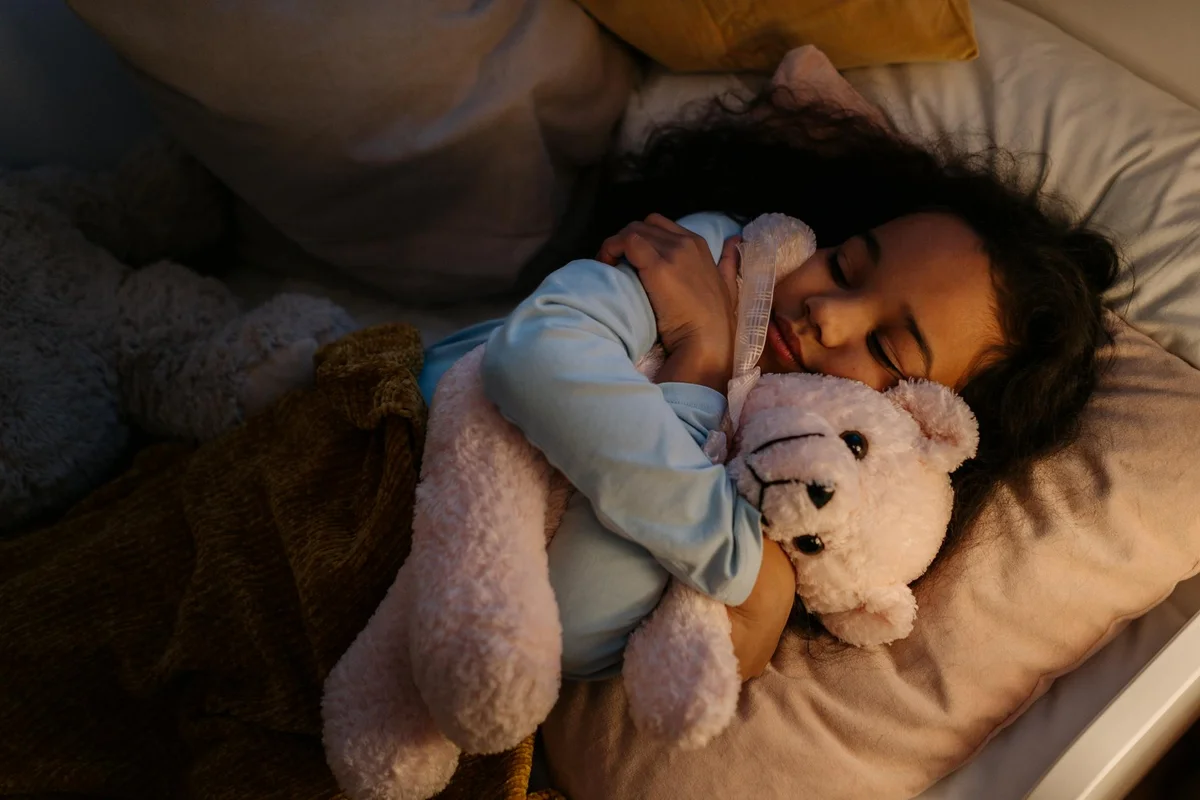
In the lab, we test fabric strips with precise flames. At home, you face washing machines and spilled breakfast. The care you give directly impacts how these fabrics perform and, crucially, how long they stay safe.
Think of polyester’s flame resistance like its DNA—it’s built into the polymer. For treated cotton fabrics, the safety is a durable coating. Your laundry routine is the environment that either preserves or degrades these properties.
Caring for Polyester Sleepwear
Polyester sleepwear is simple to maintain. Wash it in cool or warm water, no hotter than 40°C (104°F). Any standard laundry detergent works fine. For polyester spandex blends, use a gentle cycle and low-heat drying to protect elasticity. Air-drying helps preserve the fabric’s stretch and shape.
Its flame resistance is inherent, so washing won’t wash the safety out. The fibers themselves resist ignition and melt away from a flame.
For drying, use a low heat tumble dry setting. I recommend low heat because high heat can make the fibers brittle, leading to excessive pilling. In extreme cases, very high heat from an iron or dryer can actually melt the polyester, causing shiny patches or holes.
A major benefit here is fit consistency. Polyester fibers have very low moisture absorption and are heat-set during manufacturing. This means you get minimal shrinkage, often less than 3%, so the snug fit you buy stays a snug fit wash after wash.
For comfort, know that polyester doesn’t breathe like cotton. It can trap sweat against the skin. I suggest it for cooler bedrooms or as a base layer under a sleep sack for children who don’t tend to overheat. Polyester is great for providing warmth but not for breathability.
Caring for Treated Cotton Sleepwear
Caring for flame-resistant (FR) cotton is about protecting the chemical finish. Always use a mild, non-bleach detergent. Avoid chlorine bleach and fabric softeners completely-they strip away the treatment.
Wash in warm water, not hot. Hot water can accelerate the loss of the flame-resistant chemicals. After washing, tumble dry on a medium or low heat setting. Line drying is also perfectly fine and gentler on the finish.
The flame resistance on treated cotton is durable, but it is not permanent and will diminish over many wash cycles. This is the most critical point for parents to understand. You maintain its safety by following the label’s care instructions exactly.
So, how do you care for flame-resistant children’s sleepwear to maintain its safety? Your routine is the answer: gentle detergent, warm water, and medium or low heat drying. This maximizes the life of the treatment.
When the Treatment Washes Out: What Happens?
After many washes-often 50+ for a well-made garment-the cotton fabric slowly returns to its natural state. And plain, untreated cotton is highly flammable. The safe fabric you bought is no longer compliant.
Here’s my practical tip from the laundry room. If the garment’s original flame-resistant hangtag is gone and the fabric feels noticeably different-maybe stiffer when new or now overly soft-its protection is likely compromised. When in doubt, retire it to non-sleepwear use.
Risk Assessment: When NOT to Use These Fabrics
Safety isn’t just about buying the right thing. It’s about knowing when to stop using it.
Do not use old, worn, or improperly washed treated cotton sleepwear if you suspect the FR finish is gone. It’s just flammable cotton pajamas at that point.
Do not assume a loose-fitting polyester shirt is safe for sleep. If it isn’t specifically labeled as meeting sleepwear flammability standards (like CPAI-75), it hasn’t been tested to those strict rules.
Do not use high-heat ironing on either fabric. For polyester, you risk melting especially when applying heat for transfers. For FR cotton, high heat can rapidly break down the chemical treatment.
For comfort, avoid 100% polyester sleepwear for children who overheat or sweat easily. The trapped moisture can lead to discomfort and chill. Opt for treated cotton or tested blends for better breathability.
Are there any drawbacks? Yes. Polyester can be less breathable. Treated cotton’s safety has a finite lifespan dictated by your care. Both require you to be a label-reader and follow instructions, which is an extra step but a vital one.
Choosing and Using Safe Sleepwear: A Hands-On Guide
Let’s move from the laundry basket to the store rack. Your most powerful tools are your eyes and your hands.
What to Look for on the Label
Ignore the cartoon characters for a second. Find the permanent label and any hangtag. You’re looking for three things.
First, a clear statement that it meets the flammability standard. This is often worded as “Meets CPAI-75” or “Flame Resistant.” Second, check the fiber content: “100% polyester” or “100% cotton” with a phrase like “flame-resistant finish.” Third, read the care instructions. If they specify avoiding bleach and softener, you know it’s a treated fabric. If linen or other natural fibers are involved, bleaching requires extra care. The next steps outline safe, linen-specific whitening approaches that you can link to.
That mandatory hangtag is your first guarantee of tested safety; never buy sleepwear without it. This is what parents should look for when buying flame-resistant children’s sleepwear.
Why Fit is a Safety Feature
The rules define two categories: tight-fitting and loose-fitting. Tight-fitting pajamas, because they hug the body, have less air space between fabric and skin to fuel a flame. They can be made from untreated, but snug, fabrics.
Loose-fitting pajamas, the kind with more room, must be made from compliant fabrics like inherently flame-resistant polyester or treated cotton. The fit is part of the safety equation.
These standards apply to all children’s sleepwear up to size 14. The rules govern both the fabric’s behavior and the garment’s cut to minimize fire risk.
Beyond Pajamas: Sleep Sacks, Robes, and Blends
The standards cover any garment intended for sleep or sleep-related activities. This includes robes, nightgowns, and sleep sacks. Don’t assume a cozy robe is safe-check for that label.
Blended fabrics, like a 65/35 polyester-cotton mix, can be compliant. The blend must be specifically engineered and tested to pass. You can’t assume a regular polyester-cotton tee-shirt qualifies.
Research continues into new materials, like inherently flame-resistant rayon from modified cellulose. These aim to combine natural fiber feel with built-in safety. For now, polyester and treated cotton are the proven, regulated choices for keeping kids safe.
Last Notes on Sleepwear Fabric and Safety
Your safest bet is to select sleepwear made from inherently flame-resistant fibers like polyester or to meticulously maintain any chemical treatments on cotton. I always wash treated cotton in cool water with a gentle detergent to preserve its protective finish, and I recommend you do the same.
Apply this careful attention to all fabrics—understand how wool shrinks, how silk dyes, and how polyester blends wear—to make informed, sustainable choices. Continuous learning about textile science empowers you to care for your belongings responsibly and reduce environmental impact. Regular and careful laundry care is especially important for delicate blends.
Related Guides and Information
- Cotton VS Polyester: Understanding the Differences | Veetrends
- Polyester Fabric vs Cotton: Differences & 3 Ways to Tell
- Polyester vs Cotton – what’s the difference? | House of U
- Polyester vs Cotton: Difference Between Fabric Choices – Supplier of Textile Yarn
- Polyester vs Cotton: Is the Latter REALLY More Sustainable? | Sustainable Fashion Blog | Project Cece
Florian Ventura
Florian is a high fashion blog writer, fashion and fabric expert and a keen expert in fabric, clothing and materials. She has worked in large textile and fashion houses for over 10+ years, engineering and working with various fabric types and blends. She is an expert when it comes to questions on any and all kinds of fabrics like linen, cotton, silk, jute and many more. She has also traveled around the world studying traditional fabrics and aims to bring them into the modern fashion use.