
Where Should You Buy Wool Fabric Online and In-Store?
Feeling lost in a sea of fabric listings and local shops? I’ve handled countless wool swatches in the lab and at the mill, and I know how to find the good stuff.
This guide will help you shop smartly, covering trusted online retailers and physical store strategies, how to assess wool quality and fiber content from a description, and the shrinkage, washing, and care facts you must know before purchasing.
Your Quick Wool Fabric Cheat Sheet
Let’s define wool simply. It’s a natural protein fiber, harvested from the fleece of animals like sheep, goats (cashmere, mohair), and alpacas. I always advocate for seeking out suppliers who prioritize animal welfare and transparent, ethical sourcing practices. For projects where you prefer to avoid animal fibers, high-performance alternatives like Tencel (lyocell) or warm, brushed recycled synthetics can be excellent substitutes.
Wool’s strengths are legendary in the textile world. Here are the core pros:
- Superior Insulation: It traps heat incredibly well and, uniquely, retains warmth even when damp. This makes it ideal for activewear and outerwear.
- Highly Breathable: The fiber manages moisture vapor, helping you stay comfortable across a range of temperatures.
- Naturally Flame-Resistant: Wool is difficult to ignite and tends to self-extinguish, a built-in safety feature.
- Durable and Resilient: The fiber’s natural crimp gives it spring-back elasticity, helping garments resist wrinkles and keep their shape.
To use wool well, you must respect its quirks. These are the main cons:
- Dramatic Shrinkage (Felting): With improper wash care, wool can shrink up to 50% permanently. This is my number one warning for new makers.
- Mindful Care Required: It often demands hand-washing in cool water with a mild detergent or professional dry cleaning.
- Potential for Itchiness: Coarser wools can irritate skin. Merino and cashmere have much finer, softer fibers for comfort.
- Cost and Cleaning: Quality wool is an investment, and maintaining it sometimes means added cleaning expenses.
You’ll most often find wool put to work in these areas:
- Structured garments like tailored coats, blazers, and suits.
- Warm, lofty blankets and insulating throws.
- Durable, long-wearing upholstery for furniture.
- Winter-weight skirts, trousers, and sweaters.
Why Does Wool Act the Way It Does? The Science of a Protein Fiber
The secret to all of wool’s behavior lies in its microscopic structure. Imagine a single wool fiber. Its surface is covered in overlapping protein scales, much like shingles on a roof. This scaly structure is the absolute key to understanding wool’s unique shrinkage and dyeing characteristics.
Let’s connect that directly to the big fear: felting shrinkage. When wool is exposed to heat, moisture, and physical agitation (like the tumbling of a washing machine), those tiny scales lift up. They catch on each other and ratchet together, permanently tangling the fibers. Think of it like a knot that only gets tighter and can’t be undone. This process transforms soft, flexible fabric into a thick, dense mat.
Now, for its superpower: moisture management. Wool is hygroscopic. Its core can absorb a significant amount of moisture vapor (up to 30% of its weight) without feeling wet or clammy to the touch. This absorbed water actually releases heat, which is why wool continues to insulate you effectively in damp, cold conditions. It’s managing your microclimate.
Those built-in properties of elasticity and flame resistance come from its chemical makeup as a protein (keratin) fiber. The natural crimp creates spring, and the high nitrogen and water content make it resist ignition. It’s a fiber engineered by nature, and working with it means understanding these rules.
From Bouncy Felt to Sleek Suiting: Common Types of Wool Fabric
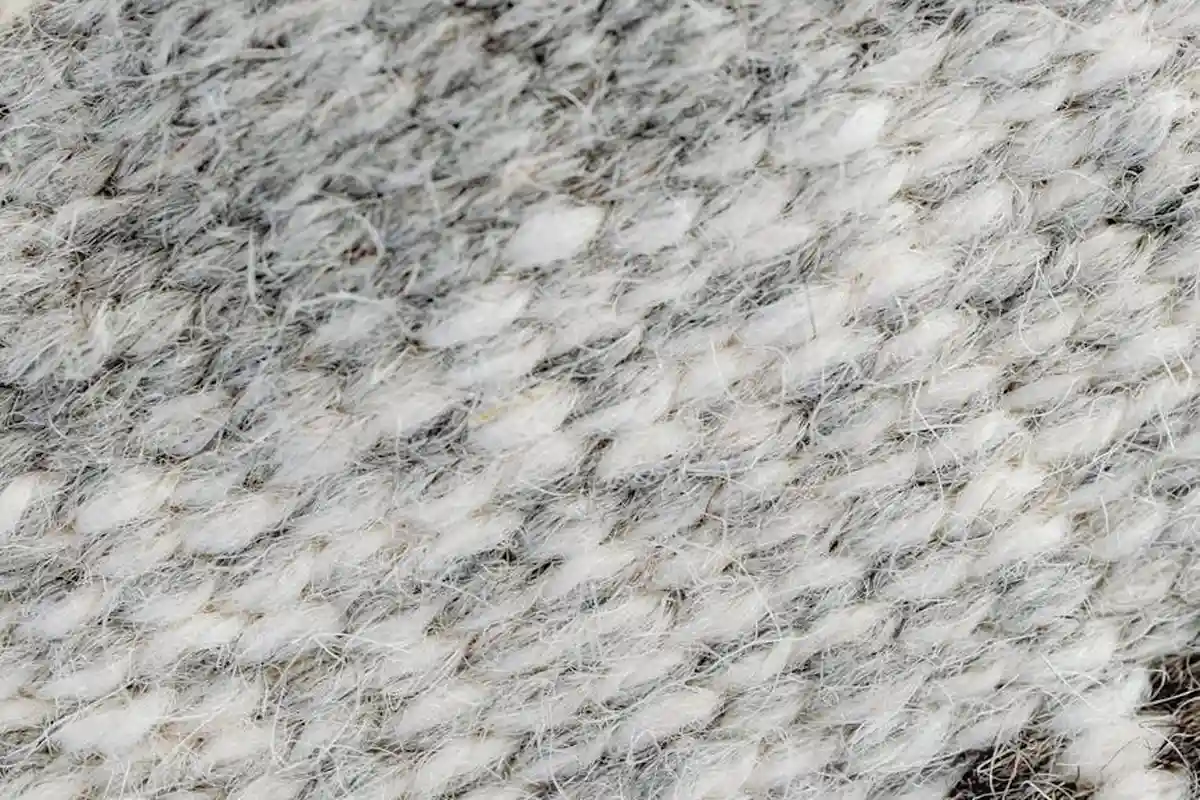
Walking into a fabric store can be overwhelming with so many names on the bolt. Let’s talk about what these wools actually feel like and what they want to become.
Boiled Wool
Imagine a thick, cozy sweater that’s been condensed into a stable fabric. That’s boiled wool. It has a dense, felted texture that’s both soft and surprisingly structured. The “boiling” name is misleading, it’s really about controlled agitation and moisture that causes the fibers to mat together tightly. This process makes it wind-resistant, warm, and it doesn’t fray. I love it for structured jackets, vests, and even durable slippers. When searching, you might look for ‘where to buy boiled wool fabric’.
Felted Wool
This is different from the thin craft felt sheets. Felted wool fabric starts as a woven or knitted wool that is then deliberately shrunk and agitated (fulled) to create a dense, non-woven material. The edges won’t unravel, which is a dream for bag makers, hat makers, and appliqué work. It has a solid, substantial hand. Look for ‘where can i buy felted wool fabric’ for these versatile blanks.
Merino Wool
This is the luxury sedan of wools. Merino sheep produce incredibly fine, soft fibers, which means the fabric is often much less itchy against the skin. That fine fiber creates a drapey, lightweight fabric with excellent temperature regulation. It’s my top choice for base layers, delicate knit fabric, and any garment meant to be worn close to the skin. Search for ‘where to buy merino wool fabric’ for these soft treasures.
Wool Flannel & Melton
These are the workhorses for cold-weather clothing. Wool flannel is brushed after weaving, giving it that signature soft, slightly fuzzy surface that feels warm the moment you touch it. It’s perfect for shirts and relaxed trousers. Melton is its heavier cousin, a densely woven fabric that is then felted just enough to create a smooth, almost felt-like finish that is incredibly windproof. You’ll find Melton in classic pea coats and car coats.
Worsted Wool & Gabardine
This is where wool gets tailored. The term “worsted” refers to a specific way of spinning the yarn, aligning the fibers to create a smooth, strong strand. This results in a crisp, tightly woven fabric with a clear surface and a sleek hand. It resists wrinkles and holds a sharp crease. Gabardine is a type of worsted weave, known for its diagonal rib (twill) and incredible durability. If you’re making a suit, blazer, or tailored skirt, you are in worsted wool territory.
You’ll also see brand names, like Pendleton wool. This typically refers to high-quality, often brightly patterned woven wools used in iconic blankets and jackets, known for their weight and vibrant, colorfast dyes.
Wool Care & Handling Protocol: Your Step-by-Step Guide
Wool isn’t fragile, but it has its own rules. Treat it right, and it will last for decades.
Decoding the Care Label: Dry Cleaning vs. Home Laundry
Here’s my simple rule from the lab and the laundry room. Any structured garment with a defined shape-think suit jackets, coats, tailored trousers-almost always needs professional dry cleaning. The solvents and pressing techniques preserve the internal structure (the interfacing and padding) that you can’t replicate at home.
What can you often wash? Sturdy knits like sweaters, felted items that have already shrunk, and many blankets. Always, always check the label first. When in doubt, err on the side of dry cleaning for structured pieces.
How to Hand-Wash Wool Safely (The No-Shrink Method)
The enemy of wool is a trio: Heat, Agitation, and Sudden Temperature Changes. Avoid these, and you avoid shrinkage and felting. Follow these steps exactly.
- Fill a clean basin or sink with cool or cold water.
- Use a detergent made for wool or delicates. Regular detergents often contain enzymes or bleach that can damage protein fibers.
- Submerge the garment gently. Swish it slowly. Do not rub, scrub, or wring.
- Let it soak for 10 to 15 minutes. This lets the detergent work.
- Drain the soapy water and refill with fresh water of the same cool temperature for rinsing. Repeat until the water runs clear.
- Press the water out gently. Never lift a heavy, wet wool garment-it can stretch out of shape.
The key is a gentle, temperature-stable bath, never a turbulent, hot wash.
Drying and Ironing Wool Without Damage
Never use the dryer. Instead, lay a dry, thick bath towel flat. Place the washed garment on top, roll the towel up like a jelly roll, and press firmly to absorb massive amounts of water. Then, lay the garment flat on a drying rack, reshaping it to its original dimensions. Keep it away from direct heat or sun, which can fade colors and stress fibers.
For ironing, use your iron’s wool setting (usually a medium heat with steam). Always use a pressing cloth-a simple damp cotton cloth like a tea towel-between the iron and the wool. This protects the fibers from direct heat, which can scorch them and create an ugly, shiny patch called “iron shine.” Press, don’t slide.
How Does Wool Compare to Cotton, Silk, or Polyester?
Choosing a fabric is about matching its personality to your project’s needs. Let’s compare wool to other common fibers so you can decide, especially when considering cotton and wool flannel for your project.
Wool vs. Cotton
Think of wool as a warm, resilient sweater and cotton as a cool, easygoing t-shirt. Wool fibers have a natural crimp that creates insulating air pockets, making them much warmer. Their scaly surface also repels light moisture. Wool will keep you warm in damp conditions where cotton would just feel cold and wet. Exploring cotton-wool fabrics—how they’re composed and what they’re used for—can guide your choices. Blends of cotton and wool offer breathable warmth for a range of garments and textiles.
Cotton wins on easy care. You can machine wash it on warm, even bleach it, with little worry. Wool requires gentler handling to avoid felting. For drape, a crisp cotton poplin holds sharp pleats, while a wool crepe has a fluid, elegant fall that resists wrinkling.
Wool vs. Silk
Both wool and silk are protein fibers, which means they come from animals and share some family traits. They both need respect for pH-alkaline cleaners like strong soaps can damage them. Understanding how pH and alkalinity can harm wool and silk helps explain why detergent choice matters. Choose pH-neutral, gentle detergents to protect these fibers. You must treat both wool and silk with mild, neutral-pH detergents designed for delicate fibers.
Their differences are in texture and insulation. Silk is a continuous filament, giving it a sleek, lightweight hand that feels cool in summer and warm in winter. Wool is a staple fiber, making it inherently bulkier and loftier. Wool provides active insulation, while silk offers subtle temperature regulation and breathability.
Wool vs. Polyester
This is the classic natural versus synthetic face-off. Polyester is incredibly strong, resists shrinking, and dries in a flash. But it doesn’t breathe well, which can leave you clammy. Wool’s superior breathability and moisture-wicking ability make it far more comfortable for all-day wear, despite its higher maintenance needs.
Polyester is often chosen for its durability and low cost. Wool is an investment in comfort and performance. Heat is another divider: polyester can melt under a hot iron, while wool can be steam-pressed beautifully.
Wool in Blends (e.g., Wool/Nylon, Wool/Acrylic)
Blends are created to balance cost, performance, and care. Adding 10-20% nylon to wool increases its abrasion resistance dramatically, which is why it’s standard in socks and suiting. A wool/acrylic blend is often more affordable and easier to machine wash. Always care for a blend based on the most delicate fiber present-if it contains wool, treat it gently. For wool-synthetic blends, proper washing matters. A gentle, cold-water cycle with a mild detergent helps protect both wool and synthetic fibers.
I keep a blend sample swatch book. A 70% wool/30% nylon feels nearly all-wool but wears twice as long on elbows and cuffs. Check the label percentages; they tell the real story.
Finding the Right Wool for Your Project: Your Buying Guide
Finding the perfect wool involves knowing what to ask for, whether you’re clicking online or walking into a store.
Buying Wool Fabric Online
Online shopping is convenient, but you lose the touch test. You have to become a detective with the product description.
First, look for four key specs in every listing: weight, fiber content, width, and finishing.
- Weight: This is often in grams per square meter (gsm) or ounces per square yard (oz/yd²). A lightweight 150 gsm wool is for shirts and dresses. A 300+ gsm wool is for coats and blankets.
- Fiber Content: It should list the exact percentage of wool and any other fibers. “100% Wool” is pure. “Wool Blend” needs that percentage breakdown.
- Width: Wool fabrics are commonly 54″ to 60″ wide. This affects how much yardage you need to buy.
- Finishing: Look for terms like “pre-shrunk,” “ready-for-sewing,” or “machine washable.” This tells you how much preparation the mill has done.
I never buy more than a yard of a new wool online without getting a swatch first. A $2 swatch tells you more than any photo ever could-you can feel the hand, test the drape, and check the true color under your own light.
Use precise search terms. Searching for “buy wool coating fabric 350 gsm” or “merino wool jersey by the yard” will get you better results than a generic “wool fabric.”
Buying Wool Fabric In-Store (Local Fabric Stores)
Nothing replaces seeing a fabric roll in person. You can scrunch it in your hand, pull it to test the stretch, and drape it over your arm to see how it falls.
The main advantage of shopping in-store is you can assess the fabric’s true character with your own senses before you commit.
Don’t be shy with the store staff. Ask pointed questions:
- “Is this wool pre-felted or fulled?” (This means it’s already been shrunk and stabilized).
- “What is the recommended care? Can it handle a gentle machine cycle, or is it hand-wash only?”
- “I’m making a structured blazer. Would this fabric hold a shape, or is it too soft?”
To find shops, search for “buy wool fabric near me” or “fabric store [your city].” For specific types, call ahead. Ask, “Do you carry boiled wool or melton cloth?” before making the trip. A quick phone call can save you a wasted journey and connect you with a local expert who knows their stock.
Last Notes on Choosing and Caring for Wool
Treat your first yardage like a textile sample. Before you cut into your main project, test its washing and pressing behavior on a small swatch. This simple habit builds your fabric intuition faster than any blog post, letting you predict how a wool will behave before you commit. Always match your project’s demands to the wool’s inherent properties, not just its color or price.
Good fabric is a resource to be respected. Learn its language-how it shrinks, how it drapes, how it accepts dye. I keep a journal with swatches and care notes for every wool I buy. Wash gently, mend promptly, and choose air-drying over harsh tumbling to preserve the fiber’s integrity. For wool-polyester blends, a cool, gentle wash helps protect both fibers. Stick with low heat, light agitation, and air-drying where possible to maintain balance. Understanding and caring for your materials is the most sustainable practice in any maker’s toolkit.
Related Guides and Information
- Wool Fabric – Fabric Mart
- Wool Fabric by the Yard – Wool Suiting for Menswear > Vogue Fabrics
- Wool Fabric – Nature’s Fabrics
- Wool Fabric – Denver Fabrics
- Fabric – Woolen Mill Store
Florian Ventura
Florian is a high fashion blog writer, fashion and fabric expert and a keen expert in fabric, clothing and materials. She has worked in large textile and fashion houses for over 10+ years, engineering and working with various fabric types and blends. She is an expert when it comes to questions on any and all kinds of fabrics like linen, cotton, silk, jute and many more. She has also traveled around the world studying traditional fabrics and aims to bring them into the modern fashion use.