
Is Your Wool Itch Really an Allergy? The Truth About Lanolin and Fiber Diameter
If you avoid wool because it feels prickly or causes a rash, you might assume you have an allergy. I’ve tested hundreds of samples in the lab, and true wool allergies are far less common than most people think.
We will cover the critical difference between an allergy and mechanical irritation, how lanolin is often wrongly blamed, why the diameter of the wool fiber is the real key to comfort, and practical steps to select and care for wool that won’t bother your skin.
Executive Summary: The Quick-Knit Facts
- True immunoglobulin-mediated allergies to the keratin protein in wool fiber are medical rarities.
- The instant ‘scratchiness’ you feel is usually caused by coarse fiber ends mechanically pricking the skin, not an immune response.
- Lanolin allergies exist but are uncommon; most garment-grade wool is thoroughly scoured to remove this natural wax.
- Wool care practices (like using harsh detergent) or processing chemicals are often the real culprits behind skin irritation and shrinkage.
The Itch Factor: Separating Allergy from Irritation
Let’s get this straight. An allergy and an irritation are different processes in your body. Knowing which one you’re experiencing is the first step to finding comfortable wool.
An allergic reaction is an immune system response. Your body mistakenly identifies a harmless protein (like lanolin or wool keratin) as a threat. It releases histamines to fight it off. This causes symptoms like raised hives, a spreading rash, itchy welts, or even respiratory issues, and these reactions can occur without the fabric even touching your skin.
Irritation is a physical response. It’s your skin saying, “This is uncomfortable!” Think of an allergy like your body’s security system screaming “INTRUDER!” over a squirrel. Irritation is like a scratchy clothing tag rubbing your neck raw all day.
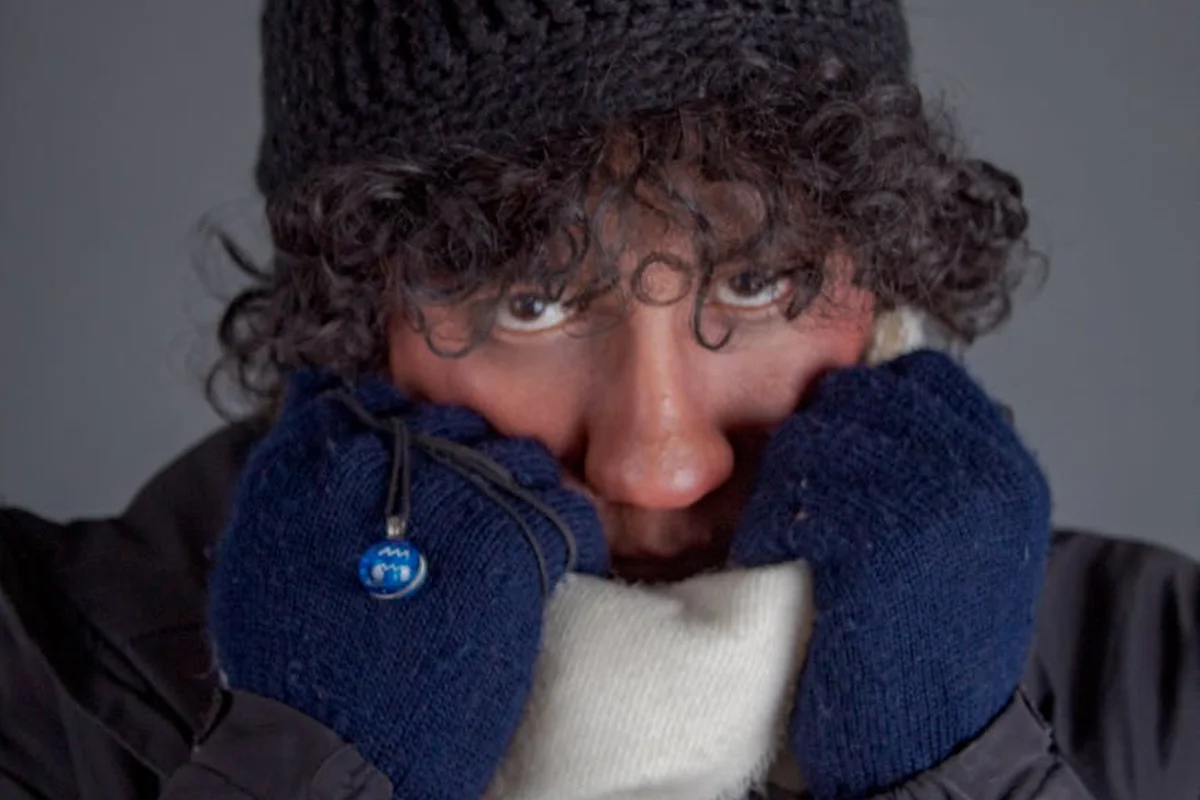
Common signs of wool irritation include a localized prickling or stinging sensation, redness from friction, and a general feeling of discomfort that stops shortly after you take the garment off. The itch from irritation is immediate and tactile.
What Your Skin is Actually Reacting To
When you feel that familiar itch, one of three main suspects is usually to blame.
Suspect 1: The Fiber Itself. This is almost always about physics, not chemistry. Wool fibers have a scaly outer layer called the cuticle. Coarser wools have larger, stiffer scales and a wider fiber diameter (measured in microns). I’ve measured fibers under a microscope where a coarse fiber (over 28 microns) looks like a rigid tree trunk compared to a soft Merino fiber (often under 20 microns), which is more like a flexible sapling. These thicker, stiffer fiber ends act like tiny pins, mechanically pricking your skin’s nerve endings, which you perceive as scratchiness.
Suspect 2: Residual Lanolin. Lanolin is the golden wax sheep produce to waterproof their wool. While some people are genuinely allergic to it, it’s not common. More importantly, nearly all wool for clothing is “scoured” in an industrial wash. This process removes most of the lanolin, dirt, and suint (sheep sweat). What remains is usually a trace amount. If you react to a new, store-bought sweater, lanolin is an unlikely culprit.
Suspect 3: External Factors (The Most Likely Culprits). This is where I see most problems arise. The wool itself is often innocent. The irritation comes from what’s on it or how it was made. Beyond that, how pathogens survive on fabrics—cotton wool and similar textiles—can influence irritation and risk. The way a fabric is stored, cleaned, and finished can affect microbial survival as much as its texture or weave.
- Processing Chemicals: “Superwash” wool is treated (often with a chlorine bath and a polymer coating) to prevent felting. Some skin types react to these residual chemicals.
- Dyes and Finishes: Harsh metallic dyes or functional finishes (like anti-wrinkle or stain-resistant) can be irritants.
- Laundry Products: Detergent residue, fabric softener, and enzymatic “bio” cleaners can get trapped in wool’s scaly fibers and sit against your skin.
- Blend Fibers: A polyester-wool blend might irritate you where pure wool does not, or vice-versa.
You need to play detective. Try this simple patch test. Turn the garment inside out and secure a piece of the fabric against the soft skin of your inner forearm for 15-20 minutes. Use a bandage or soft tape. If you see a red, raised rash where the fabric was, you might be dealing with an allergy or chemical irritant. If you just felt a prickly sensation, the fiber diameter is likely too coarse for your skin’s sensitivity. If you felt nothing, the wool is probably fine, and any previous discomfort may have been from a wash product you can change.
Lanolin: The Wool Wax That’s Rarely the Villain
Lanolin is the natural grease that sheep produce to weatherproof their coats. Picture a sticky, yellowish wax that coats each fiber, repelling rain and keeping the sheep’s skin conditioned. That’s lanolin in its raw state.
In your hands, raw lanolin feels thick and tacky. It has a distinct, earthy smell. This raw state is almost never what you encounter in a finished sweater or scarf. Nearly all apparel wool undergoes a thorough scouring process. This industrial wash uses warm water and mild detergents to strip the lanolin and dirt from the fibers, leaving them clean and ready for spinning.
You might find residual lanolin in some traditional knitting yarns labeled “greasy” or “with lanolin,” prized by some crafters for its water-resistance. But for the vast majority of wool garments on store shelves, the lanolin is long gone.
True lanolin allergy is possible but uncommon. Diagnosed cases are more frequently linked to its use in medical ointments or lip balms, where it’s applied directly to sensitive, broken skin. What most people interpret as a “lanolin itch” from clothing is usually a reaction to the heavy, occlusive feel of a minimally processed wool or, more often, a sensitivity to chemical residues from dyeing and finishing. If a wool garment feels waxy or stiff, try hand-washing it with a wool-specific detergent to remove any last processing agents before deciding the fiber itself is the problem.
Fiber Diameter: The Micron Measurement That Dictates Feel
The single biggest factor in how wool feels against your skin is the width of each individual fiber. We measure this in microns (one-thousandth of a millimeter). It’s the wool industry’s universal standard for softness.
For scale, a typical human hair measures between 50 and 100 microns wide. A fine Merino wool fiber can be under 20 microns. You can see why the feel is so different.
The science is straightforward. A finer fiber is more flexible. It bends easily when it touches your skin, creating a soft, yielding sensation. A coarse fiber is rigid. It resists bending and instead presses back against your nerve endings, creating that familiar prickling, itchy feeling. Think of the difference between a flexible blade of grass and a stiff twig brushing your arm.
Fine Wool vs. Coarse Wool: A Feel Guide
Use micron counts as your shopping guide. Lower numbers mean softer wool.
- Merino (under 24 microns): The gold standard for next-to-skin wear. It feels luxuriously soft, often compared to fine cotton or cashmere. This is what you find in high-quality base layers and delicate sweaters.
- Shetland or generic “wool” (around 26-30 microns): This is classic, robust sweater wool. It provides wonderful warmth and durability but may feel itchy on sensitive necks or wrists. I often recommend wearing it over a cotton layer.
- Carpet wool (over 30 microns): Built for durability and resilience, not comfort. These fibers are best for rugs, upholstery, and hard-wearing outer layers.
A garment’s itch is dictated by the coarsest fibers present, not the average. A blend averaging 22 microns can still be prickly if it contains just a few 35-micron fibers. Your skin will find them.
Processing can help. ‘Superwash’ treatments chemically smooth the microscopic scales on the wool fiber’s surface. This can make a mid-range wool feel significantly softer and reduces its tendency to shrink and felt in the wash. If you’ve found a non-itchy wool sweater that is machine-washable, it’s likely undergone this treatment. These finishing steps are part of the broader wool fabric production techniques that determine texture and care. They illustrate how processing choices shape the feel and performance of the finished fabric.
True Wool Allergies vs. Common Sensitivities
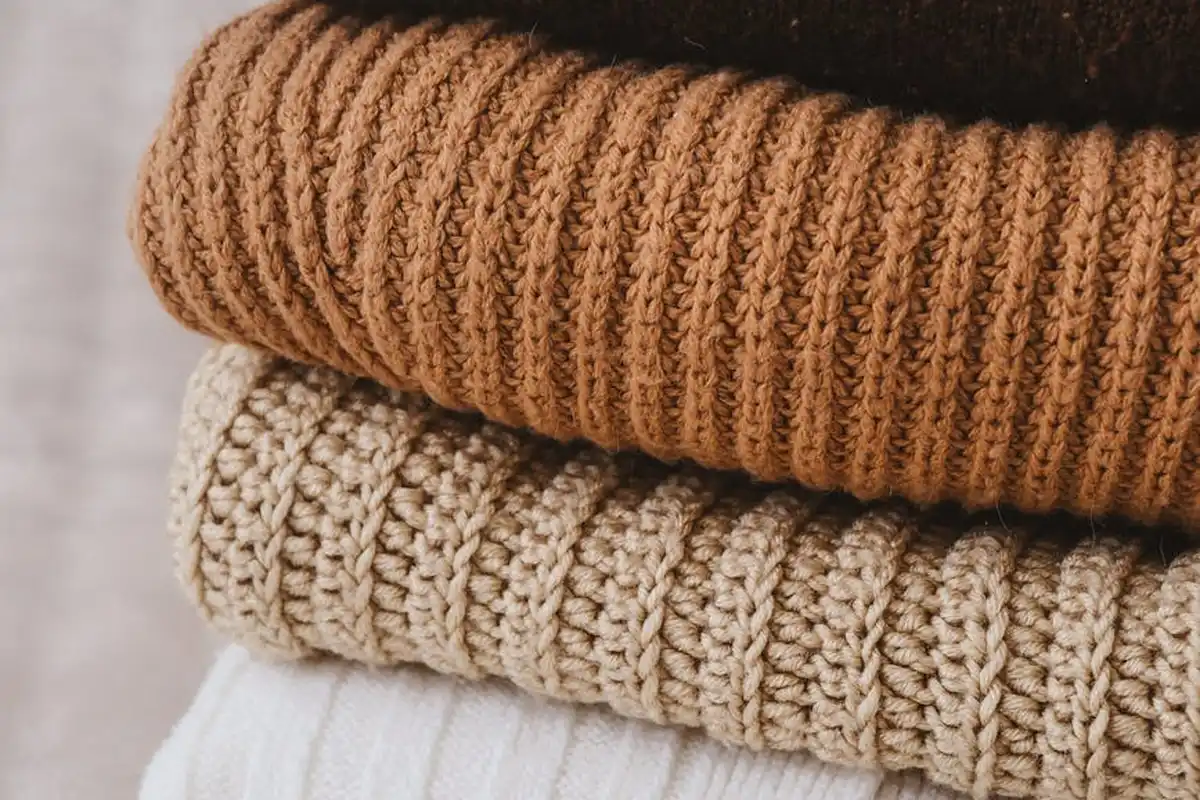
Let’s get one thing clear. A true wool allergy, an immune response to the keratin protein in the fiber itself, is exceptionally rare. If you have one, you likely already know. It’s not a minor itch.
A real allergy often shows as rapid-onset contact urticaria-think hives, redness, or significant worsening of conditions like eczema where the fiber touches your skin. The reaction is triggered by the physical presence of the fiber’s protein structure. This is different from how your skin feels about other fabrics.
What most people experience is a sensitivity, not an allergy. This is a crucial distinction. The irritation usually comes from outside the fiber, not from the wool itself. Your skin is most likely reacting to chemical residues left from industrial processing, dyeing, or even the wrong laundry detergent. Harsh surfactants, brighteners, and synthetic softeners can coat the fibers and disrupt your skin’s balance, unlike hypoallergenic materials designed to minimize such reactions.
The Moda Material Care Protocol for Gentle Wool
Think of this gentle cleaning method as the solution for 90% of “itchy wool” problems. Harsh washing damages the delicate scales on wool fibers. It makes them brittle and more likely to feel prickly against your skin. Proper care keeps them sleek and soft.
Step-by-Step: Washing to Preserve Softness (and Avoid Felting)
Follow these steps exactly. They prevent felting (that irreversible shrinkage and matting) and strip away irritants.
Step 1: The Pre-Wash Check. Always read the label first. Is it ‘superwash’? This wool is treated to be machine-safe. Is it ‘hand wash only’? Never ignore this. Feel the fabric. Does it have a stiff, waxy, or overly slick finish? This is a sign of processing chemicals that need a gentle wash to remove, especially if you’re dealing with wool-polyester blends.
Step 2: Detergent Choice. I use a mild, neutral pH detergent made for wool or cashmere. A clear, fragrance-free baby shampoo is a perfect substitute. For cashmere, choose a pH-balanced detergent for cashmere designed for delicate fibers to protect softness and fiber integrity. These detergents help maintain fiber integrity during washing. You must avoid standard detergents with enzymes, optical brighteners, and fabric softeners, as they degrade fibers and leave irritating films.
Step 3: The Bath. Fill a clean basin with cool to lukewarm water-never hot. Hot water shocks the fibers and causes felting. Dissolve the detergent completely, then submerge the garment. Gently agitate it with your hands for a minute, then let it soak for 10 to 15 minutes. Do not rub, scrub, or twist the fabric.
Step 4: The Rinse. This is the most critical step for removing irritants. Drain the soapy water. Refill the basin with fresh water at the same temperature. Gently press the garment through the water. Repeat this process, changing the water each time, until it runs completely clear with no soapy suds. This may take three or four rinses.
Step 5: Drying. Never wring out wool. It stretches the fibers out of shape. Gently lift the garment, support its weight, and lay it flat on a clean, dry towel. Roll the towel up like a log to press out the water. Unroll it and transfer the wool to a flat drying rack, gently reshaping it to its original measurements as it dries. Be cautious not to shrink the wool during this process. Keep it away from radiators, direct sunlight, and tumble dryers.
Textile Expert’s Note: Choosing Your Wool
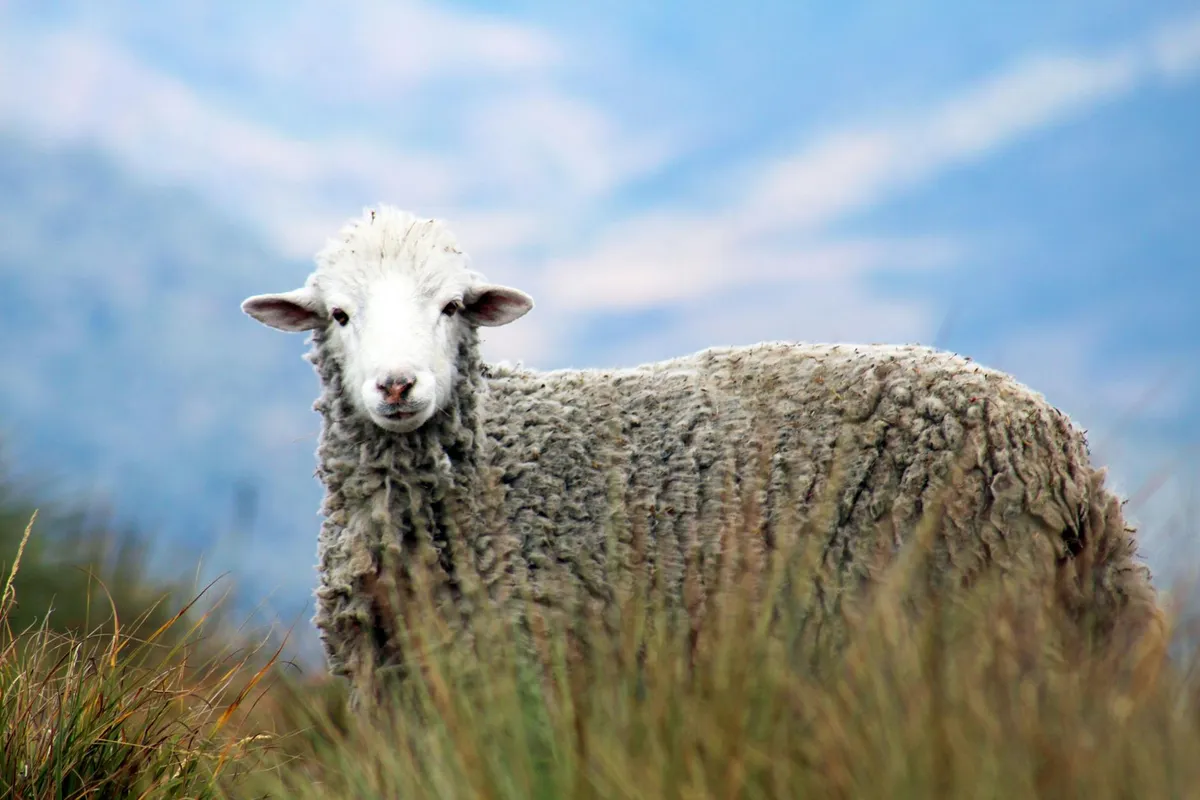
From my work in fabric testing, I know buying wool can feel like a gamble if you’ve had a bad reaction before. Let’s turn that guesswork into a confident choice when you buy wool fabric online. Here is my tested advice for bringing home wool that feels good.
For the Sensitive Skin
Start your search with Merino or cashmere. The fibers from these sheep (and goats) are consistently finer, often below 20 microns. Remember, a lower micron number means a smoother, more flexible fiber that bends easily against your skin instead of poking it. For the most reliable feel, look for wool labeled with its average micron number; under 19 microns is a great target for comfort.
Blends can be a smart gateway. A wool-silk or wool-Tencel blend often has a sleeker hand. A wool-nylon blend can offer added durability and resilience for everyday wear. It can also maintain warmth and a comfortable drape. Certifications are your silent partners here. An Oeko-Tex Standard 100 label certifies the finished fabric is free from a long list of harmful substance residues left from dyeing or finishing. GOTS (Global Organic Textile Standard) goes further, covering organic fibers and environmentally responsible processing.
The “Knit Fit” Test
Never rely on touch alone. The sensitive skin on your inner wrist or the side of your neck is your best on-the-spot lab. Here’s my method:
- Scrunch a portion of the garment fabric firmly in your hand for 10 seconds to warm it up.
- Press this warm, bunched fabric firmly against your inner wrist.
- Hold it there for a full 30 seconds, applying gentle pressure.
- Remove it and immediately check for any redness, stinging, or a persistent prickly sensation.
This test simulates the friction and warmth of wearing the garment, revealing irritants that a simple fingertip touch will miss. If it passes here, it’s likely to be comfortable in wear.
Pre-Wash New Garments
I always wash new wool before it touches me. The factory finish often includes sizing agents, anti-static sprays, or loose fiber dust that can cause itching. Washing removes these and lets the fibers relax into their true state. For most wool and synthetic blend sweaters and knitwear, I use a washing machine’s cold water “wool” or “delicate” cycle with a wool-specific detergent. Place the item in a mesh laundry bag for extra protection. A gentle machine wash in cold water is often safer than hand-washing, as it minimizes harsh agitation and uneven handling that can cause felting. Always lay flat to dry, reshaping it to its original dimensions.
Consider the Weave
Fiber diameter is only half the story. The construction of the fabric dictates how those fibers interact with you. A tightly woven gabardine, like in a tailored wool pant, traps the fiber ends within the weave, presenting a smooth, hard-wearing surface. A loose, fluffy mohair knit has long, hairy fibers sticking out freely, which can create a tickling sensation even if the individual fibers aren’t particularly coarse. When in doubt, choose a tight, flat weave over a loose, brushed, or hairy texture for direct-skin comfort.
A Balanced Perspective on Wool
If you think wool irritates you, don’t give up. Test a tiny patch of skin with a superwash merino or fine cashmere garment first, as the fiber diameter is often the true culprit. This simple test can help you distinguish between a true lanolin allergy and a sensitivity to coarse, prickly fibers.
Treat all your fabrics, from silk to polyester, with the same informed care you’d now give wool by always checking the fiber label and its specific washing needs. Learning about fiber properties and care is the most direct way to make your clothes last longer and perform better for you.
Expert Resources and Citations
- Wool Allergy: What You Need to Know
- Debunking the Myth of Wool Allergy: Reviewing the Evidence for Immune and Non-immune Cutaneous Reactions – PubMed
- Blog | Understanding Lanolin Allergy: The 2023 Allergen of the Year
Florian Ventura
Florian is a high fashion blog writer, fashion and fabric expert and a keen expert in fabric, clothing and materials. She has worked in large textile and fashion houses for over 10+ years, engineering and working with various fabric types and blends. She is an expert when it comes to questions on any and all kinds of fabrics like linen, cotton, silk, jute and many more. She has also traveled around the world studying traditional fabrics and aims to bring them into the modern fashion use.