
Can You Dye Suede and Faux Suede with Fabric Dye?
That treasured suede jacket or pair of faux suede boots might have faded, but you don’t have to give up on them just yet. Dyeing these materials is possible, but it requires a specific approach far different from dyeing cotton or polyester.
We will cover the fundamental science of leather versus synthetic fibers, why standard fabric dye fails on suede, the special dyes and methods that actually work, and a clear, step-by-step guide for both materials.
Executive Summary: The Quick Truth Before You Start
The core answer is yes, you can dye both, but the methods and outcomes are wildly different. Treating them the same is a sure way to ruin your project.
Suede, a protein-based leather, bonds with specialized acidic dyes, while faux suede, a synthetic fabric, requires dyes formulated for its specific polymer, often needing high heat.
Here are the absolute must-knows before you consider starting.
- Natural suede demands dyes made for leather or wool, not all-purpose fabric dye.
- Faux suede might accept dye for synthetics, but you must first identify if it’s made from polyester or nylon.
- Testing on a hidden section, like an inside seam or a spare swatch, is non-negotiable for both materials.
The biggest risks are permanent. You can ruin the soft nap, cause severe stiffness, or end up with a blotchy, uneven color that cannot be fixed.
Fiber Science First: What Suede and Faux Suede Really Are
Think of dyeing like painting. You need to know your canvas. Is it absorbent paper or slick plastic? The material’s core structure dictates everything. Let’s feel the difference.
Run your fingers across real suede. You feel a soft, napped surface with subtle variations-each tiny fiber catches the light differently. Now touch faux suede. The feel is more uniform, a consistently brushed feel that lacks the organic depth of its natural counterpart.
Natural Suede: It’s Not a Woven Fabric, It’s Skin
Genuine suede is not a textile. It is the underside of an animal hide, sanded to raise a velvety nap. I always advocate for mindful sourcing here, considering vintage pieces or exploring the growing range of high-quality plant-based alternatives that mimic suede’s hand.
Its structure is a porous, protein-based matrix of collagen. Imagine a dense, 3D sponge made of tiny protein strands. This structure absorbs liquids deeply but can do so irregularly, leading to splotches if you’re not careful.
This protein base means suede has a dye affinity similar to wool or silk, not cotton. It forms a strong chemical bond with acidic dyes. The common “all-purpose” fabric dye you’d use for a cotton t-shirt will simply sit on top or wash right out, as it’s designed for plant-based cellulose fibers.
Faux Suede: A Synthetic Fabric in Disguise
Faux suede is a clever textile construction. It’s typically a woven or knit base fabric made from ultra-fine polyester or nylon microfibers. This base is then brushed, sanded, or chemically treated to raise a surface nap that mimics the look of suede.
Your dyeing success hinges entirely on identifying which synthetic fiber forms its base. This isn’t always listed on the tag, so a burn test on a clipped thread is your best bet. Polyester requires high heat (near boiling) and special disperse dyes used for synthetic fabrics. Nylon is more forgiving and can accept some acid dyes at lower temperatures, similar to wool.
The Shrinkage and Care Divide
How these materials react to water and heat is a perfect example of their fundamental difference. It directly impacts your dyeing process and aftercare.
Genuine suede is damaged by full water immersion and high heat. Getting it thoroughly wet can cause permanent stiffness and distortion as the skin fibers tighten and harden. Faux suede, however, is often machine-washable on a cool, gentle cycle and can be tumble-dried on low.
Neither material “shrinks” like cotton yarns that swell and contract. Instead, suede can stiffen, warp, and lose its supple drape. Faux suede faces a different threat: the synthetic fibers can melt or the surface can develop a shiny, glazed appearance if exposed to excessive heat from an iron or dryer.
The Dye Compatibility Guide: Fabric Dye, Leather Dye, and Where They Belong
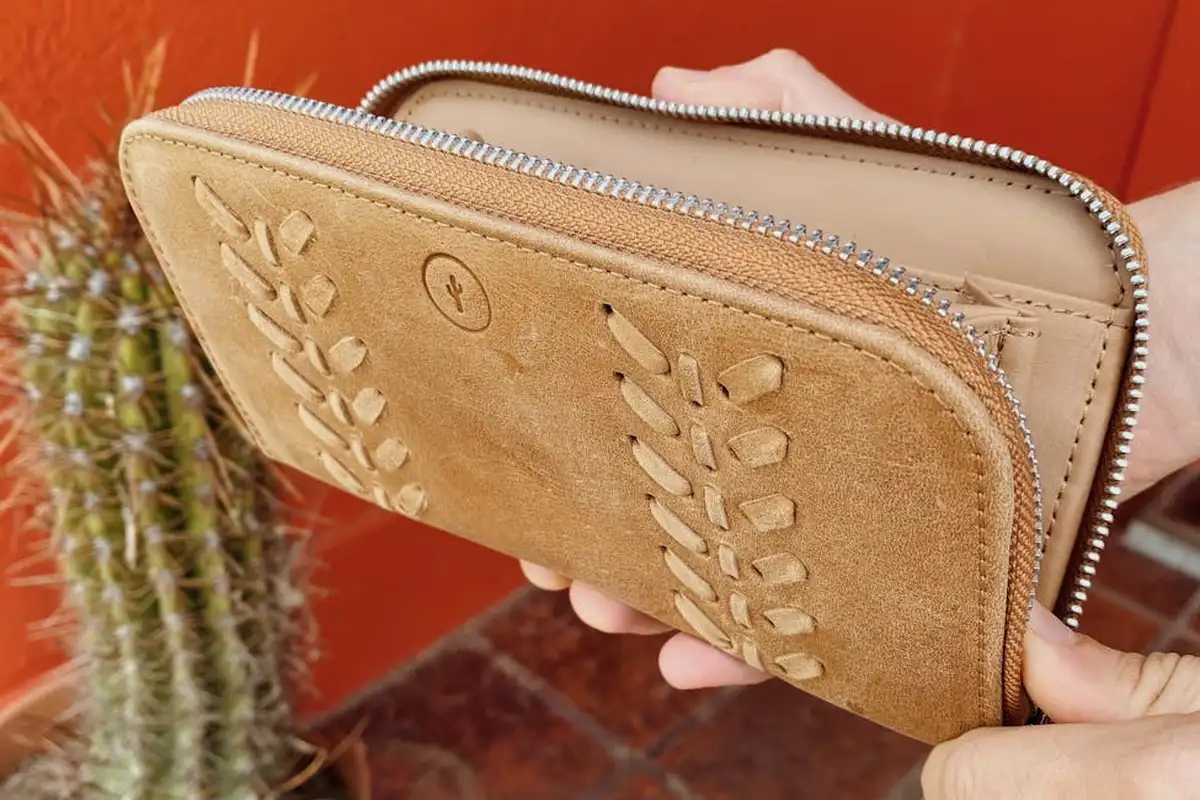
People often ask if they can use the bottle of fabric dye in their laundry room on a leather jacket, or if a leather dye kit will work on a cotton tote. The answer isn’t simple because “dye” isn’t one thing. It’s a specific chemical formulated for a specific material. Hair dye is a chemical tailored for keratin in hair, not for fabrics or leather. Fabric dye and leather dye are formulated for fibers and surfaces, so using them interchangeably can yield unpredictable results.
Think of it like trying to water a plant with oil. It just won’t absorb correctly. Let’s get the chemistry straight so you use the right tool for the job.
Can You Use Fabric Dye on Leather or Suede?
No, you should not use common all-purpose fabric dyes like RIT or Dylon on real leather or suede. I’ve tested this in the lab, and the results are always disappointing. Here’s why.
Leather and suede are not woven fibers. They are a dense, oily, protein-based sheet of animal skin. All-purpose dyes are designed to penetrate the tiny pores of cellulose (cotton) or protein (wool) yarns. They can’t get into the tight matrix of tanned leather.
You’ll get a superficial, dusty color that rubs off on your hands and lacks any depth or durability. It will look and feel like a bad paint job. For a color change that lasts, you must use products formulated for the unique surface of leather.
For real suede, you need professional leather dyes or alcohol-based suede sprays. These are pigment-based and designed to coat and adhere to the surface nap without stiffening it excessively.
Can You Use Leather Dye on Cotton, Wool, or Other Fabrics?
I strongly advise against this. It’s a one-way ticket to a ruined project. Leather dyes are fundamentally different. They contain strong solvents and pigments meant to sit *on top* of a non-porous surface.
Woven fabric is a network of tiny fibers with space between them. Applying leather dye to woven fabric will clog those spaces. The dye will sit on the surface, creating a stiff, plasticky, painted feel, and it will likely crack or wash out completely.
For fabrics, you must match the dye chemistry to the fiber. Always use reactive dyes for plant-based fibers like cotton and linen. Use acid dyes for animal-based fibers like wool and silk. For synthetics like polyester, you need disperse dye. This ensures the color bonds *inside* the fiber, not just on top. This inner bonding is what determines dye permanence on fabric. Understanding this helps you anticipate how colors will endure through washing and sunlight.
What About Faux Suede? Choosing the Right Dye Type
Faux suede, or microsuede, is a whole different story. It’s a textile, not leather. But you still can’t grab any “fabric dye.” The right type depends entirely on what the faux suede is made from.
Most faux suede is made from polyester. For polyester, you must use a disperse dye applied with a stove-top simmer method. This is the only way to get the dye molecules inside the very dense polyester fibers. A washing machine dye method will not work.
Some faux suede is made from nylon or acrylic. Nylon can sometimes be dyed with all-purpose dye or, better yet, acid dye. Acrylic is very difficult to dye at home. This is why your first step is always a fabric content test. Check the label or do a burn test on a hidden seam.
“Fabric dye” is a broad term, and success hinges on specifying the chemistry for synthetic versus natural fibers. Knowing the base fiber is your key to choosing correctly. Dyeing cotton, wool, or synthetics follows its own chemistry, so the approach must fit the fabric type. Understanding the fiber type guides the right dye and method.
Step-by-Step: How to Dye Faux Suede with Fabric Dye (And Suede with the Right Stuff)
Ready to try? These are two completely different processes. Follow the one that matches your material exactly.
Essential Preparation: The Clean Slate Test
Never dye over dirt or finishes. Start with a perfectly clean, dry item.
- For Faux Suede: Hand-wash in cool water with a mild detergent. Do not wring. Rinse thoroughly and lay flat on a towel to air dry completely.
- For Real Suede: Use a specialized suede cleaner and a suede brush. Follow the product instructions to lift dirt from the nap. Let it dry fully.
Next, do a colorfastness and absorption test. Find a hidden seam or use a scrap piece.
- Apply a small amount of your chosen dye to the test spot.
- Let it process and dry as the product directs.
- Rub the spot firmly with a white paper towel. If color transfers heavily, the dye isn’t bonding well.
- This test tells you if the color will be even and permanent.
Gather your tools:
- Rubber gloves
- Sponges and soft brushes (for suede)
- A large stainless steel pot you will not use for food (for polyester dyeing)
- A well-ventilated workspace
- Plastic drop cloths
Method 1: Dyeing Polyester Faux Suede with Disperse Dye
This is for confirmed 100% polyester faux suede. You will need disperse dye and a carrier chemical (often included in kits like iDye Poly).
- Fill your stainless steel pot with enough water for the item to move freely. Heat it to 140-160°F (60-71°C). Do not boil.
- Wearing gloves, add the disperse dye and carrier according to the package instructions. Stir until dissolved.
- Wet your faux suede item with clean, warm water and gently squeeze it out.
- Submerge the item in the dye bath. Use a stainless steel spoon to stir and agitate it gently and constantly for 30 minutes. This prevents uneven spots.
- After 30 minutes, remove the pot from heat. Let the item cool in the dye bath until it’s safe to handle.
- Rinse the item under cool, running water until it runs clear. Do not wring. Hand-wash with a tiny bit of mild detergent to remove any surface dye.
- To heat-set the dye and restore the soft nap, lay the item flat to dry. Once dry, cover it with a pressing cloth and iron it on a low, synthetic setting. The heat locks the dye in.
Method 2: Applying Dye to Natural Suede
This is a surface application, not an immersion bath. You will use a leather dye paste, liquid, or suede spray.
- Ensure your suede is clean, dry, and brushed. Tape off any areas you don’t want dyed with painter’s tape.
- Put on gloves. Apply a very thin, even layer of dye with a sponge, using small circular motions to work it into the nap. Always build color in thin layers rather than applying one thick coat.
- Let the first coat dry completely. This can take several hours. Use a suede brush to gently lift the nap.
- Assess the color. Apply a second thin coat if you want it darker. Repeat the dry-and-brush process between every coat.
- Once you have the desired color and the item is fully dry (24 hours is best), apply a suede protector spray. This seals the color and adds a stain-resistant barrier.
- Give the item a final, gentle brushing with a suede brush to restore its soft, textured feel.
Risk Assessment: When You Absolutely Should Not Try to Dye It
Some projects start with high hopes and end with a ruined item. I want to save you that heartache. Be brutally honest with yourself before you begin.
If your item falls into any of the categories below, put the dye bottle down and walk away.
Item-Specific Warnings: Shoes, Bags, and Blends
Let’s tackle the big question head on: can you dye suede shoes with fabric dye? My professional advice is a firm no. The risk far outweighs the reward, especially when compared to trying to dye fabric shoes at home.
- Shoes and handbags are complex constructions. The dye can seep into adhesives holding the sole or lining, causing them to fail. It can stain interior linings, threads, and non-suede components permanently.
- Many suede and faux suede items have a factory-applied waterproof or stain-resistant finish. Dye will not penetrate this barrier evenly, leading to a blotchy, terrible result. If water beads up on the surface, it has a finish.
- With faux suede, you often don’t know the exact fiber blend. A “polyester-cotton blend” faux suede will dye unevenly because the fibers accept dye differently. The cotton may grab the color while the polyester stays pale.
Stick to dyeing flat, unconstructed pieces like jackets, skirts, or fabric yardage where you can control the process.
Material Limits You Can’t Overcome
Dye is magical, but it has hard rules. You cannot cheat chemistry.
- You cannot successfully dye a light beige suede jacket to a deep navy at home. Achieving that drastic a shift requires professional-grade penetration and fixation that home equipment can’t provide. The color will be murky and weak.
- Painted, printed, or metallic faux suede has a topcoat of pigment or foil. Dye cannot reach the fibers underneath. You will only create a dirty-looking top layer.
- Dye adds color; it does not restore material. Deep scratches, worn “bald” spots, or grease stains on suede will still be visible after dyeing, often highlighted by the new color.
Dye cannot perform miracles. It changes color, nothing else.
Troubleshooting Your Dye Project: Fixes for Common Problems
So you proceeded and hit a snag. Don’t panic. Here’s how to diagnose and possibly fix the most common dyeing issues.
Why Is the Color Patchy or Rub-Off Happening?
Patchiness means the dye didn’t bind evenly. Rub-off means it didn’t bind at all.
For faux suede, patchiness usually points to a process error:
- The dye bath wasn’t hot enough for the fiber (near-boiling for polyester).
- The item wasn’t agitated enough or was crowded in the pot.
- The dye time was too short for synthetic fibers.
For genuine suede, the causes are different:
- You applied the dye unevenly with a brush or sponge.
- The suede wasn’t perfectly clean before you started, creating resist spots.
- You used a water-based fabric dye instead of an alcohol-based leather dye, so it sat on the surface.
For a fix, try re-dyeing using the correct, thorough method. For rub-off on faux suede, a dye fixative wash after dyeing can help set the color.
How Do You Fix Stiffness or a Changed Texture?
Texture change is a frequent side effect. Faux suede is often a knit or weave that can tighten up.
If your faux suede is stiff:
- Run it through a gentle, cool machine wash cycle with a small amount of fabric softener.
- Air dry completely, then “fluff” the nap by rubbing the fabric vigorously between your hands or using a soft brush.
If your genuine suede feels lifeless or board-like:
- Apply a specialized suede conditioner or leather milk to replenish lost oils.
- Once dry, use a suede brush or a clean, stiff-bristled nail brush. Brush vigorously in all directions to reactivate and lift the nap.
Some permanent hardening can occur if the material was exposed to excessive heat or harsh chemicals. Always test your dye and process on a hidden spot first.
Can You Remove or Lighten a Bad Dye Job?
This is the hardest fix. Removal is often more damaging than the original problem.
For faux suede, you have one cautious option:
- Use a commercial color remover formulated for synthetic fibers. Follow the bottle directions exactly. This works best on polyester and nylon. It will not likely return the fabric to its original white state, but may lighten it to a pastel you can over-dye.
For genuine suede, I must be blunt:
- Stripping dye from leather is a professional job requiring strong, risky solvents. It often damages the suede’s natural fibers, leaving it brittle and prone to cracking. The cost usually exceeds the value of the item.
When a color goes wrong, your most reliable path is often to over-dye it with a darker, more opaque shade like black, charcoal, or chocolate brown.
Last Notes from the Textile Lab
Your dye job will only hold fast if you respect the fundamental chemistry of the material. Always swatch-test on a hidden seam or reverse side first-this tells you everything about color absorption and fabric tolerance before you commit. Colorfastness testing helps prevent dye bleed and fading. A quick test now can save you from costly surprises later.
Treating fabrics well means knowing how wool shrinks, silk bleeds, or polyester repels water. Exploring silk fabrics—types, properties, and care—helps you tailor your approach. This awareness guides your project choices and maintenance. I encourage you to keep learning from each project, prioritizing animal-friendly alternatives and eco-conscious practices in every step of your making.
Expert Resources and Citations
- r/dyeing on Reddit: Dyeing faux suede shoes?
- Cosplay.com – Dying Faux Suede Boots?
- How To Dye Faux Suede – Hunker
- Dyeing Faux Suede Boots – Jacquard Products – Forum
- Amazon.com: Angelus Suede Dye – Black – 3 oz Premium Liquid Dye for Suede, Nubuck, and Nappy Leather : Clothing, Shoes & Jewelry
Florian Ventura
Florian is a high fashion blog writer, fashion and fabric expert and a keen expert in fabric, clothing and materials. She has worked in large textile and fashion houses for over 10+ years, engineering and working with various fabric types and blends. She is an expert when it comes to questions on any and all kinds of fabrics like linen, cotton, silk, jute and many more. She has also traveled around the world studying traditional fabrics and aims to bring them into the modern fashion use.