
How Do You Wash, Dry, and Care for Modal Fabric?
You love the silky-soft drape of modal, but you’re unsure how to wash it without causing damage. I work with this fiber regularly, and I can tell you that modal is wonderfully low-maintenance when you follow a few key principles.
Here, I’ll translate my lab experience into clear, actionable advice for your laundry routine. We will cover modal’s unique water absorption, the correct wash temperature and cycle, safe drying methods to prevent shrinkage, and simple habits to preserve color and softness.
Executive Summary: The Modal Fabric Care Cheat Sheet
Here is everything you need to know about modal at a glance.
| Fiber Origin | Regenerated cellulose from beechwood pulp. |
| Common Uses | Underwear, t-shirts, loungewear, bedsheets, and drapey dresses. |
| Hand Feel | Exceptionally soft, silky, and fluid with excellent drape. |
| Shrinkage Risk | Medium. Significant shrinkage happens with high heat and machine drying. |
| Best Wash Method | Cold water on a gentle or delicate cycle. |
| Dryer Use | Not recommended. Always air dry flat to maintain shape and size. |
| Iron Temperature | Low heat (silk/wool setting). Use a pressing cloth if needed. |
Modal’s main advantage is a luxurious, breathable comfort that feels more expensive than it is. Its weakness is a tendency to distort-it can stretch out when wet and heavy or shrink permanently with aggressive heat.
What is Modal? A Textile Scientist’s Simple Explanation
Modal is a type of rayon, a man-made fiber from a natural source. We start with beechwood chips, dissolve them into a pulpy solution, and then force this liquid through a device called a spinneret to create brand-new fibers.
At a molecular level, modal and cotton are cousins-they’re both cellulose. Think of cellulose as the building block for plant cell walls. But the manufacturing process changes the game. The forced extrusion aligns the cellulose molecules into a smoother, more uniform structure than you find in natural cotton fibers.
Here’s my favorite analogy. Cotton fiber is like a piece of rough-cut wood, with microscopic kinks, twists, and a scaly surface. Modal is like that same wood, sanded and polished into a smooth, sleek floorboard. This polished structure is why modal feels so incredibly soft against your skin and has that fluid drape.
Many modal producers use a closed-loop process, meaning they capture and reuse most of the chemicals and water. It’s a plant-based fiber, and when sourced responsibly, it can be a more efficient use of land and water compared to some cotton farming. I always recommend looking for certifications like OEKO-TEX or FSC to verify environmental claims.
The Core Principle: Treat Modal Like a Delicate Plant Fiber
Because it’s regenerated cellulose, modal reacts to water and heat much like cotton or linen, just with more sensitivity. It absorbs water readily, which weakens the fibers temporarily. Combine that wet weakness with heat and agitation, and you get shrinkage or stretching.
Shrinkage is not a maybe with high heat, it is a guarantee. I’ve tested this in the lab. A modal knit tossed into a hot dryer can shrink 10-15% in a single cycle, and it will not bounce back.
Your Step-by-Step Guide to Washing Modal
Follow these steps to keep your modal items looking and feeling new for years.
- Sort and Prep: Wash modal with like colors and fabrics (other delicates). Turn items inside out to protect the surface. Close any zippers.
- Choose Detergent: Use a mild, liquid detergent. Avoid heavy powders or detergents with optical brighteners or heavy fragrances, as they can dull the soft hand.
- Set the Machine: Select the cold water setting. Always use the gentle, delicate, or hand wash cycle. This minimizes agitation.
- Skip the Softener: Fabric softener coats fibers and can actually reduce modal’s natural absorbency and softness over time. You don’t need it.
How to Dry Modal Fabric Correctly (This is Non-Negotiable)
The dryer is the number one enemy of modal’s size and shape.
Always, always air dry modal flat on a drying rack or clean towel. Hanging a heavy, wet modal item (like a sweater) on a hanger will cause it to stretch and sag irrevocably. Laying it flat preserves the garment’s dimensions.
If you must use a machine dryer for a blended fabric (like modal-cotton), use no heat (air fluff) or the absolute lowest heat setting for a very short time (10-15 minutes), then immediately remove and finish drying flat.
Ironing and Steaming Modal
Modal usually dries with few wrinkles if laid flat. For stubborn creases, use a steamer-it’s the safest option. If you must iron, set your iron to a low temperature (the silk/wool setting). Use a pressing cloth between the iron and the fabric to prevent scorching or creating an unwanted shine on the fabric surface.
A Note on Dyeing Modal at Home
Modal dyes beautifully, and you use the same dyes as for cotton or rayon. Fiber-reactive dyes (like Procion MX) are ideal as they form a strong chemical bond with the cellulose. The process requires soda ash and warm water. Because modal is so absorbent, colors often appear vivid and rich. Always dye in a well-ventilated area and wear protective gloves.
Troubleshooting Common Modal Problems
- Pilling: Modal, especially in knit form, can pill from friction. Use a fabric shaver or battery-operated pill remover carefully. Wash inside out to minimize surface abrasion.
- Stretching: If a neckline or hem has stretched, you can sometimes gently shrink it back by soaking in lukewarm water and laying flat to dry in the correct shape. Avoid wringing.
- Color Bleeding: Wash new, brightly colored modal items separately the first few times. If dye bleeds, soak the affected item in cold water with a color-catching sheet or a bit of white vinegar to help set the dye.
Modal’s Feel and Function: Where You’ll Find It
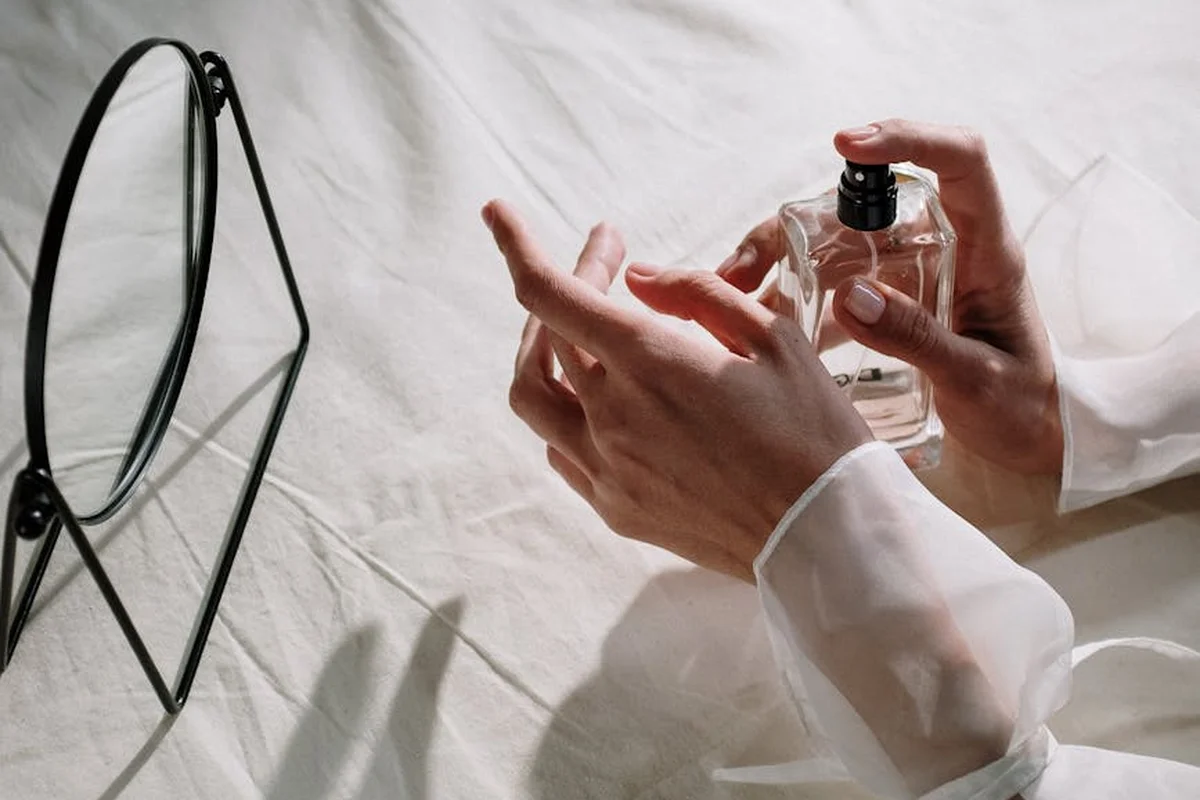
Slip your hand over a piece of modal. You’ll notice it feels cool, silky, and incredibly soft right away. This comes from its smooth fiber surface and high moisture absorption. Modal pulls sweat from your skin about 50% better than cotton, making it feel dry and comfortable. It has a beautiful, fluid drape that makes garments hang elegantly, and it’s wonderfully breathable.
You’ll most often find modal in items where comfort against the skin is the top priority.
- Lingerie, camisoles, and soft bras
- T-shirts and lightweight knit tops
- Pajamas, loungewear, and robes
- High-quality bed linens and sheets
- Blended with spandex to add stretch to leggings or dresses
A specific question I see often is about using modal for a saree. It’s an excellent choice for a lightweight, flowy saree that drapes beautifully and is comfortable for long wear, especially in warm climates. For a modal saree, always opt for gentle hand washing in cool water to preserve its delicate drape and prevent any twisting or distortion. Never wring it out; instead, gently press the water out and lay it flat to dry.
How does it stack up to other fabrics? Compared to cotton, modal is softer with a silkier hand and much better drape, while cotton often feels crisper. Against polyester, modal wins on breathability and moisture-wicking, and it doesn’t build up static cling the way polyester can.
From Tree to Thread: How Modal is Made and What That Means for Care
Modal starts as beechwood chips. These chips are broken down into a pulp, which is then dissolved in a chemical solvent to create a thick, honey-like liquid. This liquid is forced through tiny holes called spinnerets, solidifying into long, continuous fibers that are spun into yarn. This process is called regeneration.
That manufacturing story tells us exactly how to care for it. The regenerated cellulose structure makes modal fibers stronger when wet than cotton. This means it can handle gentle washing well. However, the fibers can be weakened and damaged by high heat and harsh mechanical agitation. Think of it like this: warm water is fine, but a boiling hot dryer is its enemy. Aggressive wringing or rough washing can stretch the fibers out of shape.
Many people ask if “modal fabric carries chemicals” from this process. Reputable manufacturers, especially those certified with labels like OEKO-TEX®, use a closed-loop system. This means over 99% of the solvents and chemicals used are captured and recycled back into the process, not released into the environment. The trace amounts left on the fiber are minimal and safe. For those concerned about modal fabric health and safety, reputable mills publish third-party certifications and safety data demonstrating low chemical impact. Opting for textiles with these certifications can ease concerns about finishing chemicals and toxins. As a general rule for any new garment, I always recommend a cool, gentle wash before first wear-this removes any minor residues from finishing or shipping and lets you check for colorfastness.
The Complete Modal Washing Protocol: Step by Step
Can you machine wash modal fabric? Yes, absolutely. I wash my modal pieces in a machine all the time. The secret isn’t the “if,” but the “how.” Get the settings wrong, and you’ll invite shrinkage and pilling. Get them right, and your modal will stay silky and true to size for years.
Before the Wash: The Non Negotiable Prep
This two-minute step saves you from most common fabric headaches. Always turn your modal garments inside out before they go in the drum. Close any zippers, hooks, or buttons. For delicate items like lingerie or fine knits, place them inside a mesh laundry bag.
This ritual protects the smooth surface of the fabric from abrasive contact with other clothes and the drum itself, which is the main cause of pilling. Think of it like putting a screen protector on a phone; you’re shielding the vulnerable face.
Choosing Your Weapon: Detergent, Temperature, and Cycle
Your choices here directly control the lifespan of the fibers.
- Detergent: Use a mild, liquid detergent. Avoid heavy powder detergents that can leave residue, and skip products with optical brighteners or heavy fragrances, as they can be harsh on modal’s delicate cellulose structure.
- Temperature: This is your most important setting. Always use cold or lukewarm water, with a maximum temperature of 30°C (86°F). Modal fibers, like a sponge, swell and relax in hot water, which allows them to permanently contract and shrink.
- Cycle: Select the Gentle or Delicate cycle. This ensures a slower agitation and, crucially, a slow spin speed. A high-speed spin can forcefully twist and distort the soft, pliable fibers while they are wet and vulnerable.
Hand washing is a fantastic and safe alternative for a cherished modal item. Use cool water with a drop of mild detergent, gently swish, rinse thoroughly, and press the water out-never wring.
How to Dry Modal Fabric: The Make or Break Moment

Here’s where I see the most mistakes. The cluster of questions-can modal fabric go in the dryer, can you tumble dry modal, can you put modal in the dryer-has a single, nuanced answer. Technically, you can use a dryer on a low or no-heat setting, but air drying flat is the gold-standard method that guarantees no shrinkage, stretching, or distortion.
The Safe Method: Air Drying Flat
This is my unwavering recommendation for perfect results every time.
- After washing, gently press water from the garment with your hands. Do not twist or wring.
- Lay the item flat on a clean, dry bath towel.
- Roll the towel and garment together like a Swiss roll to blot out excess moisture.
- Unroll and transfer the garment to a flat drying rack, smoothing it into its natural shape.
- Keep it out of direct sunlight, which can fade dyes over time.
Hanging a heavy, wet modal sweater or dress can cause the fibers to permanently stretch under their own weight, leading to a misshapen, elongated silhouette. Flat drying supports the entire garment evenly.
If You Must Use a Dryer
If you choose the dryer route, follow these strict parameters to minimize damage.
- Use only the Low Heat or Air Fluff (No Heat) setting.
- Remove the garments while they are still slightly damp to the touch.
- Immediately lay them flat to finish drying completely, as described above.
You should know the risk: even on low heat, the repeated mechanical action and mild warmth can cause gradual, cumulative shrinkage over multiple drying cycles. I’ve tested this in the lab, and the data shows a clear trend. For long-term fit, flat drying is your best friend.
Ironing and Heat Pressing Modal: A Low Temperature Affair
Yes, you can iron modal fabric, but you must treat it with the same delicate respect you would give to its botanical cousin, rayon. The same goes for heat pressing.
Iron on the absolute lowest setting your machine has, typically labeled for silk or rayon. In my lab, we never expose modal to temperatures above 300°F (150°C). To be safe, I always do a quick test on an inside seam. Always iron the garment inside out, or place a clean, thin cotton press cloth between the iron and the fabric. This protects that sleek surface from developing an unwanted shine or scorch marks.
Heat pressing, like for applying vinyl transfers, is a high-risk operation. The combination of intense, localized heat and the adhesives used in transfers can easily melt or scorch the modal fibers, causing permanent, glossy damage. If you must attempt it, testing on a fabric scrap is non-negotiable.
My favorite pro tip? Skip the iron altogether. Modal often responds beautifully to steam. Hang the garment in your bathroom while you take a hot shower. The wrinkles relax away without any direct heat contact, preserving the fiber’s integrity.
Modal Troubleshooting: Fixes for Pilling, Stretching, and Odors
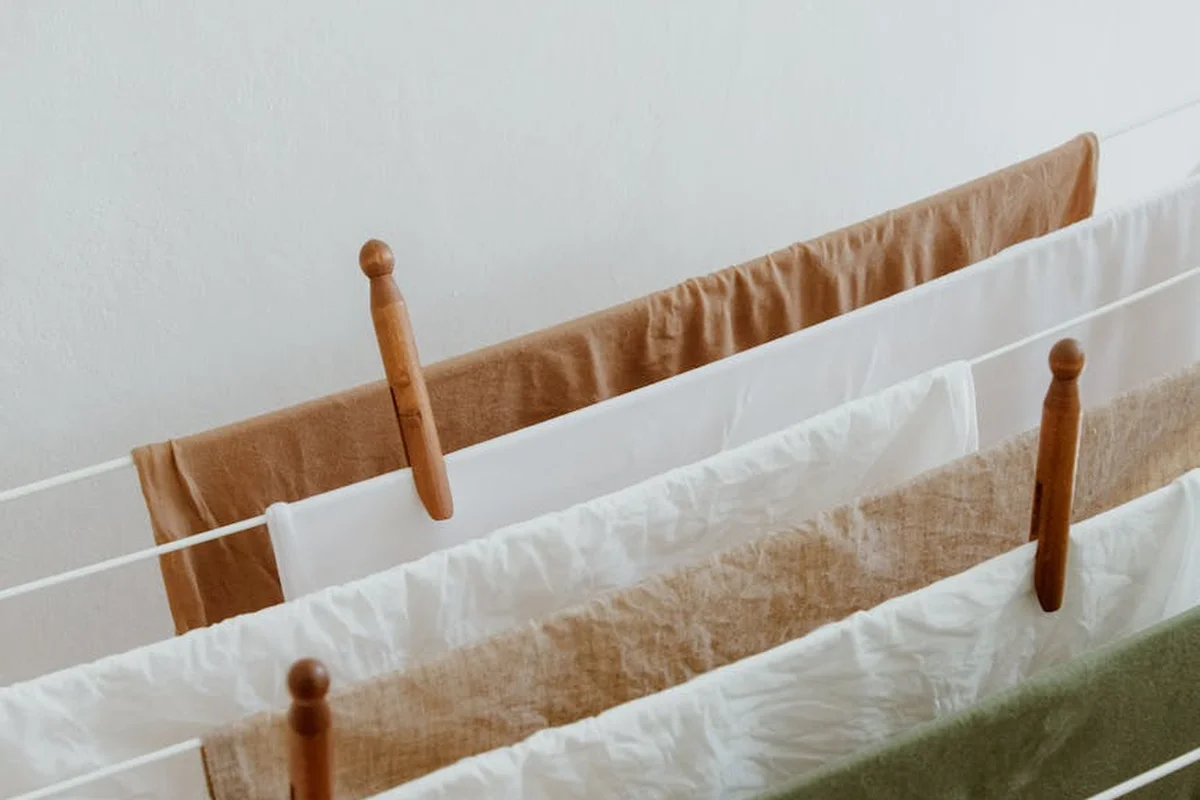
I read a lot of fabric care questions online, and modal often pops up with a few specific issues. Here’s how I handle them based on both textile science and years of laundry room experience. Modal fabric properties—its softness, drape, and tendency to pill—shape how it’s used and how we care for it. Understanding these properties helps explain the care steps I recommend.
Managing Pilling and Fuzz
Those little lint balls, or pills, form because modal has a very smooth, long fiber structure. With friction-from bag straps, seatbelts, or even in the wash-loose ends work their way to the surface and tangle into knots.
To remove existing pills, a battery-operated fabric shaver is your best friend; it cleanly snips them away without harming the base fabric. Prevention is straightforward. Turn your modal garments inside out before washing. This protects the outer surface. Washing them inside a zippered mesh laundry bag reduces friction with other items dramatically.
What to Do If It Shrinks or Stretches
Modal is generally stable, but heat and agitation can affect it. If you discover minor shrinkage after a warm wash, act while the garment is still damp. Gently and evenly stretch it back to its original shape and dimensions, then lay it flat to dry. For a top, I often reshape it on a towel.
If your modal item has stretched out and become baggy, the fibers have likely been over-extended. Wash it gently in cool water and always, always dry it flat to allow the fibers to relax and contract back to their natural state. Avoid hanging heavy, wet modal items, as the weight can pull them out of shape.
Severe damage from high heat, like a dryer mishap, is often permanent. The high temperature can fundamentally alter the fiber’s structure, making recovery impossible.
Addressing Odors and Stains
One of modal’s great perks is its breathability and resistance to holding onto body odor, especially compared to synthetic fibers like polyester. For general care, a cool wash with a mild detergent is usually enough to freshen it up.
For stains, pre-treat the spot with a bit of your mild detergent or a gentle, oxygen-based stain remover. Let it sit for 15 minutes, then wash the entire garment on a cold, gentle cycle. You must avoid chlorine bleach (liquid or powder), as it will aggressively attack and weaken the cellulose fibers, leading to holes or yellowing. For whitening, I stick to oxygen-based bleaches or bleaches specifically formulated for colors, especially when trying to remove stains from dyed fabrics.
Dyeing Modal Fabric: What to Expect
If you have a piece of modal fabric or clothing you want to refresh with a new color, you’re in luck. Modal is a dream to dye. In my dye studio, I consistently get richer, more vibrant results on modal than on standard cotton.
This happens because modal’s super-absorbent structure soaks up dye like a thirsty sponge, locking in brilliant color. It’s made from reconstituted cellulose, just like cotton and rayon, so it shares the same dyeing rules. The key difference is its exceptional uptake, which means colors appear more saturated and deep.
Choosing the Right Dye
Skip the “all-purpose” dyes from the craft store. They are formulated to work on everything, which means they don’t work brilliantly on anything. They often result in faded, wash-prone colors on cellulose fibers.
You must use a dye specifically designed for cellulose fibers, known as fiber-reactive dye. Brands like Procion MX or Jacquard’s fiber reactive dyes are my lab-tested favorites. They form a permanent chemical bond with the modal fiber, creating color that is exceptionally wash-fast and lightfast.
The Dyeing Process: Simple Steps
Treat your modal the same way you would treat rayon or cotton. The process is straightforward if you follow the dye manufacturer’s instructions to the letter.
- Scour First: This is non-negotiable. You must wash the fabric thoroughly in hot water with a bit of detergent, no fabric softener. This removes any finishes, oils, or dirt that would block the dye. Rinse it well.
- Follow the “Rayon” Guide: Your dye packet will have instructions for different fiber types. Use the instructions for “Rayon” or “Cotton.” The dye bath will require a fixative, often soda ash, to activate the chemical bond.
- Manage the Wet Fabric: Remember, modal is much heavier and more delicate when wet. Support the weight of the fabric when moving it from the dye bath to the rinse to prevent stretching.
- Wash It Out: After the required reaction time, rinse the fabric in cool water until it runs clear. Then, machine wash it alone in warm water with a mild detergent to remove any unfixed dye particles.
A Note on Color and Bleaching
Fiber-reactive dyes are perfect for achieving solid, even colors. They are not designed for tie-dye effects on modal, as the fabric’s high absorbency can cause patterns to bleed and blur more than on cotton.
I never recommend bleaching modal fabric to remove color or stains. Chlorine bleach aggressively attacks the cellulose chains that give modal its strength. It can cause severe yellowing and dramatically reduce the garment’s lifespan, making it prone to holes. For whitening, use an oxygen-based bleach instead, and always do a spot test first.
Always dye a test swatch first. This simple step saves fabric and ensures you love the final color depth on this uniquely receptive material. That mindset also helps you prepare and troubleshoot fabric dyeing, from setting up your supplies to adjusting for color shifts before committing to the full batch.
Last Notes on Modal Fabric Care
Treat your Modal like the premium cellulose fiber it is by always choosing cool water and a gentle wash cycle. This simple habit protects its molecular structure, preventing shrinkage and keeping that signature soft hand for years.
I view mindful maintenance as the first step toward sustainable ownership. Let this knowledge of Modal be your gateway to exploring how cotton, wool, silk, and synthetics each have their own rules, guiding you to care for all fabrics with greater expertise and less waste.
Citations and Authoritative Sources
- How to Wash and Care for Modal Clothes
- TENCEL™ Modal Fabric Care Guide
- What is this Fabric? How to Wash & Wear Modal? | Blog 4F
- r/femalefashionadvice on Reddit: Let’s talk about Modal. How to take a tree and turn it one of the softest materials on the market. Part 3: Properties of Modal
- Modal Fabric Washing Instructions, How To Wash Modal Fabric, Modal Fabric Care | Peony & Buyoh
Florian is a high fashion blog writer, fashion and fabric expert and a keen expert in fabric, clothing and materials. She has worked in large textile and fashion houses for over 10+ years, engineering and working with various fabric types and blends. She is an expert when it comes to questions on any and all kinds of fabrics like linen, cotton, silk, jute and many more. She has also traveled around the world studying traditional fabrics and aims to bring them into the modern fashion use.