
How Do You Remove Blood Stains from Linen, Polyester, and Spandex?
A fresh blood stain on your linen sheets or workout gear can spike your heart rate, but I can tell you from the lab bench that panic is the worst solvent. With a cool head and the right technique, you can lift these stains effectively from each fabric.
We will walk through the process, covering how blood interacts with plant-based linen and synthetic polyester-spandex blends, my tested step-by-step removal methods for each, and the aftercare to keep your fabrics looking and feeling their best.
Executive Summary: Your Quick Fabric Care Guide
The single rule that changes everything is this: your cleaning method must match your fiber. Think of it as fabric first aid. You wouldn’t treat a burn and a deep cut the same way. Linen, polyester, and spandex require different chemical approaches because they are built from entirely different materials.
Here is your rapid, at-a-glance comparison to keep on hand.
| Fabric | Fiber Type | Stain Removal Personality | Key Limitation |
|---|---|---|---|
| Linen | Plant-based (Cellulose) | Sturdy and resilient. Tolerates oxidizing agents like hydrogen peroxide well. | Can be abraded if scrubbed too harshly on rough surfaces. |
| Polyester | Synthetic (Plastic polymer) | Slick and stain-resistant, but heat-sensitive. Grease-loving. | High heat from water or dryer can permanently set stains into the plastic fibers. |
| Spandex/Lycra | Synthetic Elastane | Chemically delicate. The stretch is paramount. | Harsh chemicals, chlorine bleach, and high heat will degrade the elastic fibers. |
Before you consider any of those specifics, there is one universal first step for a fresh blood stain. You must use cold water only, as heat will cook the proteins in the blood and bind them permanently to the fiber. This is non-negotiable for all fabrics, from the hardiest linen to the most delicate silk blend. That same cold-water rule also applies to red wine stains on fabrics—rinse with cold water first to dilute the spill. In the next steps, you’ll find a focused guide on removing red wine stains that builds on this approach.
Blood vs. Fabric: Why Stains Behave Differently
Blood is a protein-based stain, primarily hemoglobin. Think of it like egg white. When you apply heat, it coagulates and sticks. On a molecular level, the proteins in blood form bonds with the molecular structure of the fabric. How strong that bond becomes depends entirely on what the fabric is made of and how you treat it.
Let’s look at how blood meets each of our three fabrics.
Linen, made from flax plant fibers, is highly absorbent. It will eagerly soak up a blood stain, wicking it deep into its porous, cellulose structure. The good news is that cellulose responds very well to certain stain lifters, like oxygen-based bleaches, which break the stain’s bonds without harming the plant fiber. Care for linen and cotton involves gentle treatments acting quickly. Prompt, mild stain care helps preserve these fabrics. The stain might look alarming as it spreads, but it’s often easier to fully lift out from linen than from a synthetic.
Polyester is a different story. It’s a hydrophobic plastic, meaning it naturally repels water-based stains. A blood droplet might bead up on the surface initially. But under pressure or if left to sit, it will cling to the surface of the fibers. The real danger with polyester is heat. Applying hot water or a hot dryer effectively heat-sets the stain into the softened plastic, making it a permanent part of the fabric’s dye.
Spandex is the most delicate of the three. Its sole job is to stretch and recover, a property easily destroyed by harsh chemistry. Blood on spandex, often found in athletic wear or fitted garments, is a surface-level problem. You must avoid any aggressive rubbing, which can distort the elastic, and any chlorine bleach, which will eat away at the fibers and turn them yellow and brittle.
So, why is cold water the universal first step? Cold water helps dissolve and dilute the blood proteins without “cooking” them. It physically rinses the stain away before it forms a strong bond. How long does a stain take to set? With blood, it’s less about time and more about temperature. A cold stain can sometimes be lifted days later with the right solvent. A stain exposed to heat from an iron, clothes dryer, or even very warm tap water can be set in seconds.
Your primary warning is this: heat is your enemy in the initial phase. Before you confirm the stain is gone, keep the item away from your dryer, your iron, and your hot water tap. Air-dry it first so you can check your work. Heat application is the most common reason a treatable stain becomes a permanent flaw.
Your Fabric Care Toolkit: Safe Supplies for Each Fiber
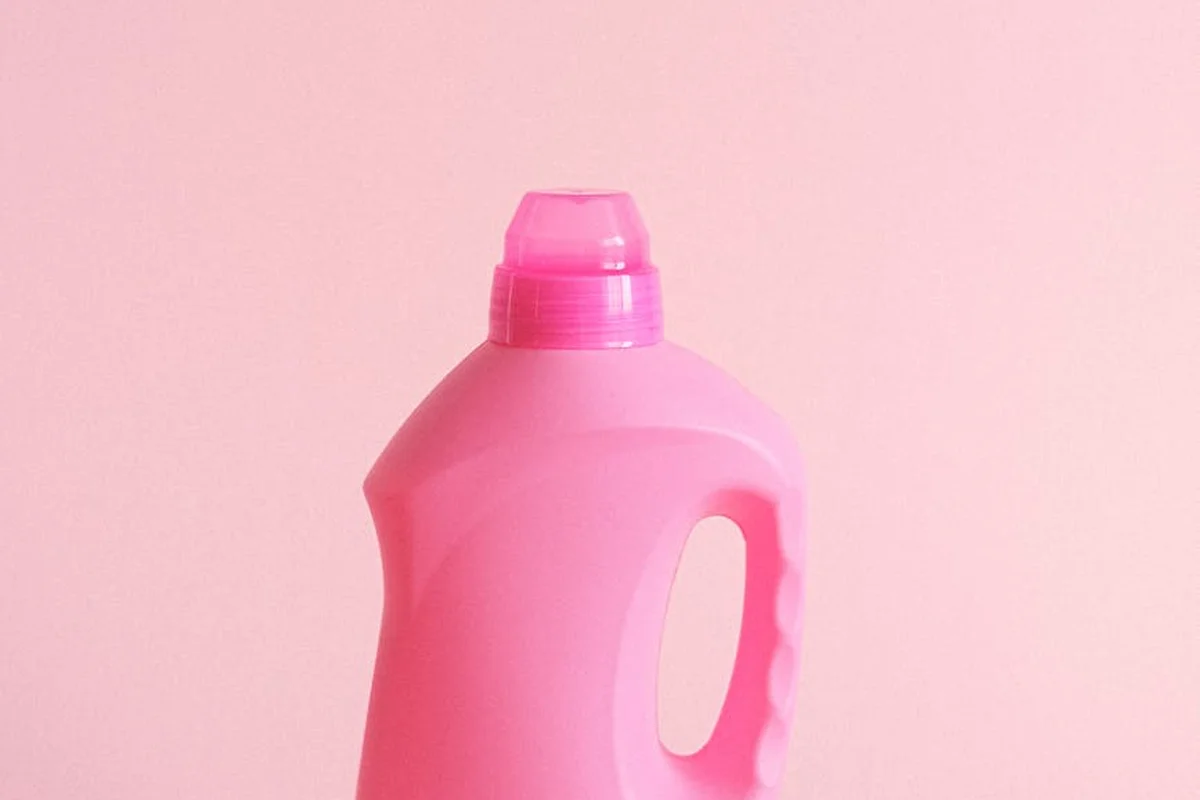
You don’t need a chemistry lab to treat stains effectively. With a few smart staples, you can tackle most incidents. Here is what I always keep on hand.
- Clear dish soap: A simple, mild liquid soap is fantastic for breaking the surface tension of water, helping it penetrate and lift stains from the fiber surface.
- 3% hydrogen peroxide: This is a gentle oxidizing agent. It breaks down the chemical bonds in the stain molecules, causing them to lose their color. Think of it as a safe, color-safe bleach for many fabrics.
- White vinegar: A weak acid, vinegar helps neutralize residues and can soften water, making your other cleaners work better. It’s particularly useful for removing soap or mineral buildup after stain treatment.
- Enzyme-based laundry detergent: These contain proteins (enzymes) specifically designed to break down other proteins. Since blood is a protein stain, this is your secret weapon. Look for words like “bio” or “with enzymes” on the label.
- Clean white cloths: Essential for dabbing and blotting. Using colored cloths risks transferring dye to your wet, vulnerable fabric.
The science matters: using the wrong product can set a stain or damage the fiber. Soap lifts, peroxide oxidizes, and enzymes digest. Match the tool to the job.
Specific warnings are non-negotiable. Never use chlorine bleach on spandex (especially for painted spandex fabric), as it dissolves the elastic, or silk (it destroys the delicate fibers). For dark-colored fabrics of any type, always test hydrogen peroxide on a hidden seam first to check for color fading. Apply a drop, wait five minutes, then blot dry to see if the fabric’s color changed.
This leads to a common question: what’s the best laundry detergent for this? For protein-based stains like blood, sweat, or food, an enzyme-based detergent is the clear choice. It actively works to break the stain down on a molecular level during the soak and wash cycle.
Handling Linen: The Hardy Plant Fiber
Can you get blood out of linen? Absolutely. How to get blood off linen? With confidence, because linen is a forgiving fabric. Its strength comes from its long, smooth flax fibers, which are among the strongest natural fibers. This means it can handle careful soaking, gentle agitation, and the chemical processes needed to lift stains without falling apart.
The core rule is to use cold water. Heat will cook the proteins in the blood, binding them permanently to the linen fibers. Always start cold.
Step-by-Step: Fresh Blood on Linen
Acting quickly gives you the highest chance of total removal.
- Immediately flush the stain from the back with a strong stream of cold water. Pushing the stain through the fabric is more effective than rubbing it in from the front.
- Create a thin paste with a few drops of clear dish soap and cold water. Gently dab it onto the stain, working from the edges toward the center. Do not scrub.
- Soak the entire item in a basin of cold water mixed with an enzyme-based detergent for at least 30 minutes. The enzymes need time to work.
- Machine wash on a cold, gentle cycle with your enzyme detergent. Before you transfer it to the dryer, check the stain area thoroughly under good light. Any remaining trace needs another treatment cycle with peroxide.
Step-by-Step: Set or Dried Blood on Linen
Don’t worry if the stain has dried. The process just requires a bit more patience to rehydrate and break it down.
- Rehydrate the crusty stain by soaking the item in cold water for 15-20 minutes. This softens the proteins.
- After soaking, apply a small amount of 3% hydrogen peroxide directly to the stain. You’ll see it bubble as it oxidizes the blood. Let it sit for 5-10 minutes.
- Rinse the area thoroughly with cold water to remove all peroxide residue.
- Wash as described in the fresh stain protocol (enzyme soak, then cold wash). If a faint shadow remains, repeat the peroxide application before washing again.
Textile Expert’s Note: Linen loves to relax and shrink, especially under high heat. After your successful stain removal, air-dry the item flat or tumble dry on the lowest heat setting to preserve its fit. High heat can cause noticeable shrinkage.
Finally, a word on color. Always test hydrogen peroxide on an inner seam or hem allowance first, especially for vividly dyed or black linen. This quick check ensures your stain removal doesn’t lead to color loss.
Handling Polyester: The Synthetic Blend Star
So, how do you get blood out of polyester? The key is understanding its plastic nature. Polyester fibers are thermoplastic, meaning heat can literally change their shape. They are also oleophilic, which means they love oils. This combination is why you must be careful. Heat from a dryer or even hot wash water can permanently bake the proteins in blood into the plastic matrix of the fiber, making the stain a permanent part of your garment.
Your number one rule for polyester is to keep everything cool, from rinse water to wash cycles.
Step-by-Step: Fresh Blood on Polyester
Acting quickly gives you the best chance for a perfect clean.
- Rinse the stain from the backside under a gentle stream of cold, running water. This pushes the stain out, not deeper in.
- Apply a single drop of clear, mild dish soap directly onto the stain. Gently work it into the fibers with your fingertips. Dish soap is great for breaking up the proteins and fats in blood.
- Rinse the area thoroughly with more cold water until the soap is gone.
- Wash the garment by itself, or with similar colors, on a cold, gentle cycle. Air dry until you confirm the stain is gone.
Step-by-Step: Set Blood on Polyester
For a stain that’s already dried, you need a more targeted approach.
- Pre-treat the stain with an enzyme-based laundry spray or gel. Enzymes are tiny protein digesters. Let the product sit for the full time listed on the label, usually 5-15 minutes.
- Wash the garment in cold water on a gentle cycle. Check the stain while the fabric is still damp. Do not put it in the dryer.
- For a stubborn yellow or brown shadow, you can try a mild oxidizer. Mix equal parts 3% hydrogen peroxide and cold water. Test this solution on a hidden seam first. If the color holds, dab it onto the stain, let it sit for no more than 5 minutes, then rinse with cold water.
Textile Expert’s Note: For common blends like poly-cotton, always start with the polyester protocol. Cotton can handle more heat, but polyester cannot. You can always rewash with warmth if needed, but you can’t undo heat-set stains.
You can use a washing machine, but only after a proper cold-water pre-treatment and always on a cold, gentle setting. The agitation helps, but the temperature control is what saves the garment.
Handling Spandex (Lycra): The Delicate Elastic
Spandex is the miracle fiber that gives stretch, but its chemistry is delicate. The long-chain polymer that creates elasticity is highly vulnerable to chlorine bleach, high heat, and strong oxidizing agents like undiluted hydrogen peroxide. These can cause the fibers to break down, becoming brittle and losing all their snap.
Physical abuse is just as damaging. Never wring, twist, or scrub spandex blends harshly. This stretches and breaks the fine elastic filaments. Your touch should be as gentle as if you were handling fine silk.
Preserving the life and stretch of the garment is often more important than achieving a perfectly invisible stain.
Step-by-Step: Fresh Blood on Spandex Blends
Think cool, calm, and collected. This method works for most nylon-spandex activewear too.
- Fill a basin or sink with cool water. Submerge and gently swish the stained area. Avoid a strong faucet stream that could distort the fabric.
- Using a clean white cloth dipped in a solution of cool water and a dot of gentle detergent, dab at the stain. Use a light blotting motion, don’t rub.
- Rinse the area by again swishing it in a clean basin of cool water.
- Hand wash the entire garment in cool water with a gentle detergent. To remove water, press the garment between two clean towels. Never twist it.
Step-by-Step: Set Blood on Spandex
Patience is your main tool here.
- Soak the entire garment in a basin of cool water mixed with an enzyme-based detergent. Let it soak for several hours, or even overnight.
- After soaking, gently agitate the water with your hand, then drain and rinse thoroughly with cool water.
- If a faint stain remains, a weak acidic rinse can sometimes help. Mix one part white vinegar with four parts cool water. Dab it on the stain, let it sit for only a minute or two, then rinse immediately and completely.
Critical: Never use chlorine bleach or standard hydrogen peroxide directly on spandex. They will sever the polymer chains and ruin the elasticity permanently.
Textile Expert’s Note: I’ve seen many leggings and swimsuits lose their recovery because someone went after a small stain too aggressively. Ask yourself if a faint shadow is worth compromising the function of a technical garment. Sometimes, it’s better to let it be.
Troubleshooting and Saving Other Fabrics

That same quick, cold water method works for more than just your clothes. If you find a blood stain on your mattress, upholstery, or carpet, don’t panic. The core principles are identical: cold water and gentle lifting.
For these fixed surfaces, blotting is your most important tool. I keep a stack of clean, white cloths in my laundry area just for this. Gently press and lift with a cold water-dampened cloth to pull the stain out, working from the edges toward the center to prevent spreading. Rubbing will grind the proteins into the fibers, making the stain permanent.
After blotting with plain cold water, an enzyme-based cleaner designed for biological stains is your best next step. These cleaners break down the proteins in blood. Always test any cleaner on a hidden area first, like under a couch cushion or on a corner of the carpet.
Handling Other Common Fibers
You can use what you’ve learned about linen, polyester, and spandex to tackle blood on other fabrics. It all comes down to the fiber’s basic chemistry.
For cotton, treat it like its plant-based cousin, linen. Cold water rinsing and a paste of baking soda and cold water often works well. Cotton can generally handle a diluted hydrogen peroxide solution (1 part 3% peroxide to 2 parts cold water) if the stain is stubborn, but I always test for colorfastness first. For rayon or cotton-rayon blends, the same stain-removal approach works. Use extra care to avoid harsh bleaching and to blot rather than rub.
Protein fibers like wool and silk require extra gentleness. Heat, vinegar, or peroxide can damage their delicate structure and cause yellowing. For wool or silk, use only cold water and a mild, enzyme-based liquid soap, applying it gently with your fingertips before a thorough cold rinse. Never use hot water or harsh chemicals on these precious fibers.
When a Stain Just Won’t Budge
Sometimes, especially with set-in stains, a faint shadow remains after treatment. First, let the fabric dry completely. A stain often looks darker when wet.
If the mark is still there, you can repeat the cold water and treatment process. For colored fabrics, be cautious to avoid fading. On whites, a second, careful application of a oxygen-based bleach might help.
I’ve learned that with old stains, you might need to accept a slight, shadowy remnant. On polyester, oil stains can bind via an oleophilic bond, so some stains require a targeted approach. This nuance helps you decide whether to tackle it at home or seek professional help. If the stain is on a valuable item or you’ve tried twice without success, taking it to a professional cleaner is a smart and safe choice. They have specialized solvents and techniques we can’t replicate at home.
Remember, the most powerful tool in stain removal is speed. Acting fast with cold water is 90% of the battle for most fabrics, giving you the best chance to save your item. For synthetic fabrics, always check the care label and use a fiber-specific stain removal approach to protect color and texture.
Final Notes on Stain Response and Fabric Integrity
The single most effective step is your first one: rinse a fresh bloodstain with cold water immediately. For set-in stains, an enzyme-based cleaner with a gel consistency is my lab-tested recommendation for reliably breaking down the proteins without harsh scrubbing.
Treating stains thoughtfully is a form of responsible ownership, choosing methods that preserve your garment’s fibers and extend its life. I encourage you to see every care label and fabric challenge as a small lesson in textile science, building your practical knowledge for the long term, especially when it comes to removing stains from dyed fabrics.
Further Reading & Sources
- r/everymanshouldknow on Reddit: EMSK How To Remove Blood From Fabric
- How to Remove Blood Stains From Fabric with Ease
- Cleaning Experts Say This is The Best Way to Get Blood Stains Out of Clothes
- How to Remove Blood Stains
Florian is a high fashion blog writer, fashion and fabric expert and a keen expert in fabric, clothing and materials. She has worked in large textile and fashion houses for over 10+ years, engineering and working with various fabric types and blends. She is an expert when it comes to questions on any and all kinds of fabrics like linen, cotton, silk, jute and many more. She has also traveled around the world studying traditional fabrics and aims to bring them into the modern fashion use.