
What’s the Real Difference Between Vegetable Tanned and Chrome Tanned Leather?
Worried about which leather will develop a rich patina or stay durable for decades? As a textile scientist, I see this confusion often, and it all starts with the tanning chemistry.
This article breaks down the fundamental chemical processes, how each leather type ages and changes color, and my hands-on care advice for cleaning and conditioning.
Executive Summary: The 60-Second Leather Guide
Let’s break this down simply. Vegetable-tanned leather gets its name from the process. Tanners use natural tannins extracted from things like tree bark, leaves, and nuts. I’ve worked with chestnut and quebracho extracts in the lab. This plant-based process is slow, taking weeks. It produces a firm, fibrous leather with a distinctive “pull-up” effect-if you bend it, the color lightens temporarily where the fibers stretch. Vegetable-tanned leather starts pale and ages to a rich, golden patina, making it the classic choice for belts, saddlery, and structured bags that tell a story.
Chrome-tanned leather, in contrast, uses chromium(III) salts. This is a mineral-based process. It’s fast, often done in a single day. The result is a leather that emerges from the drum already soft, pliable, and uniformly dyed. Chrome tanning delivers immediate softness and remarkable consistency, which is why it dominates the market for upholstery, most garments, shoes, and soft, slouchy handbags.
| Property | Vegetable-Tanned | Chrome-Tanned |
| Texture & Feel | Firm, stiff, fibrous. Develops softness with use. | Inherently soft, supple, and pliable right away. |
| Aging Behavior | Color changes dramatically. It darkens and develops a unique patina from sunlight and oils. | Color remains largely stable. It softens further but won’t develop the same warm patina. |
| Water Resistance | Poor initially. Water spots easily and can cause permanent darkening. Conditioners help. | Good naturally. The chrome salts impart better inherent water and mildew resistance. |
| Relative Cost | Generally higher, due to the long, labor-intensive process and natural materials. | Generally lower, due to the speed and efficiency of industrial-scale production. |
| Common Uses | Belts, wallets, saddles, tooling leather, structured bags, luggage. | Jackets, gloves, shoes, upholstery, soft bags, garment linings. |
Here is the heart of the matter. Choosing between chrome and vegetable tanning isn’t just about picking a material, it’s about choosing an aging story: chrome is for immediate softness and consistency, while vegetable tanning is for a slow, character-building evolution you curate over years.
The Core Chemistry: What Actually Happens in the Tanning Pit?
All leather starts as rawhide, which is mostly collagen protein. Think of collagen as a tight bundle of fibrous ropes. On its own, this collagen structure is unstable; it will dehydrate into a stiff board, rehydrate and rot, or be digested by bacteria-tanning permanently stabilizes these fibers to prevent decay.
Vegetable tanning is a lesson in patience. The hides are submerged in vats of increasing strength filled with tannin-liquor from plant matter. These tannin molecules are large and complex. They work slowly, migrating into the spaces between the collagen fibers. Picture the tannins as bulky, irregular wooden wedges that gently swell and permanently lock the fiber bundles in place, creating a full, substantial feel. This physical bulking is why veg-tan leather is so firm and excellent for carving or tooling.
Chrome tanning is a study in speed and efficiency. The hides are agitated in a drum with a bath containing basic chromium sulfate. The small, positively-charged chromium(III) ions are incredibly reactive. They race to form multiple chemical bonds (cross-links) between the negative sites on adjacent collagen fibers. Imagine the chrome salts as millions of tiny, powerful stainless-steel staples, zipping the fiber network together quickly and densely from the inside. This creates a supple, heat-resistant leather with lots of stretch.
This foundational chemistry dictates everything you feel. The bulky vegetable tannins create a firm, fibrous hand that must be broken in, while the minute chrome cross-links create an immediately soft and supple drape. Knowing this helps you care for each type. For instance, veg-tan leather needs conditioners to keep those swollen fibers nourished, while chrome-tan’s main foe is cracked finishes, not thirsty fibers.
Aging and Patina: How Your Leather Changes With Time
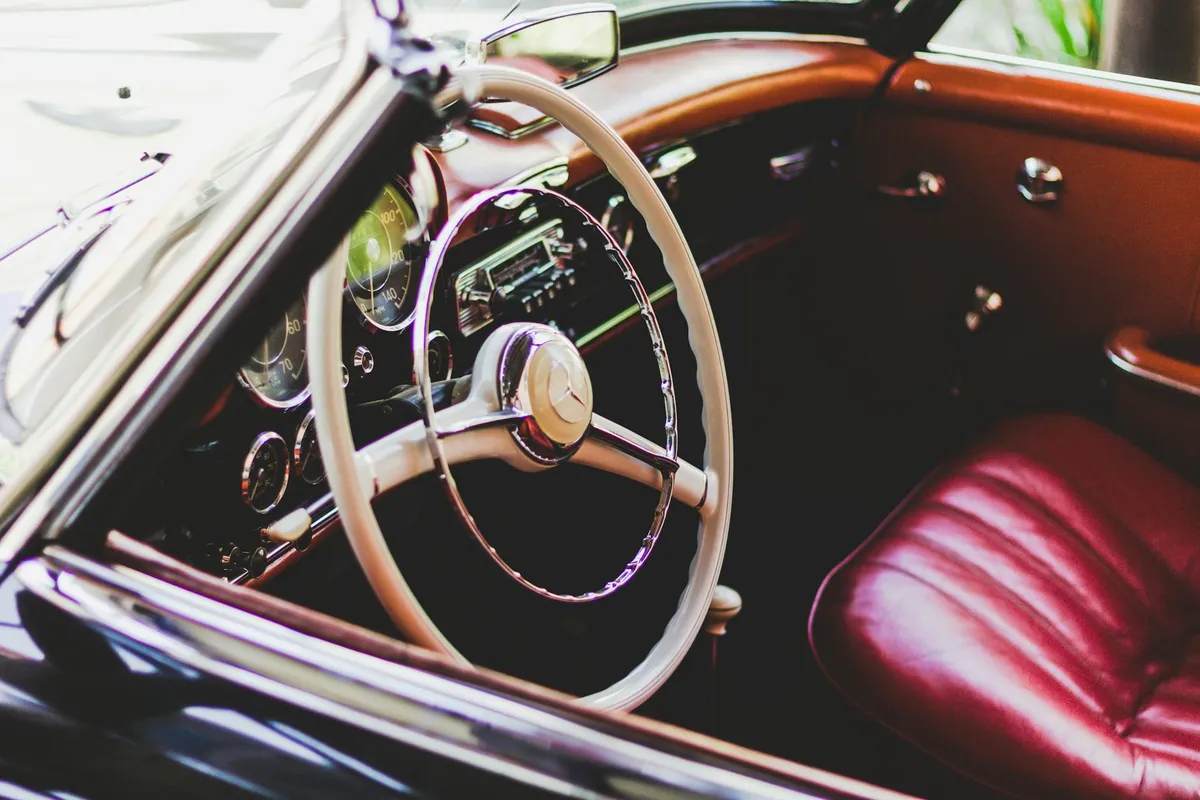
Think of leather not as a finished product, but as a living material that continues to evolve in your care. How it ages is the most dramatic difference between vegetable and chrome tanning.
The Vegetable-Tanned Leather Journey
Vegetable-tanned leather ages like a fine wooden tool. The process is a chemical reaction you can see and feel. Tannins from tree bark react with light and the natural oils from your hands.
Sunlight and skin oils slowly darken the leather, transforming a pale, creamy hide into a deep, rich honey-brown. This creates a unique gloss called a patina, a record of your use that no two items will ever share identically.
Scratches and scuffs don’t just sit on the surface. They get absorbed into the leather’s story, softening and blending over time to add character, not just damage. That difference also shows up when you compare suede and nubuck, where finish and nap change how marks blend. Knowing these differences helps you care for each type correctly.
Durability in Shoes: A Practical Comparison
When people search “vegetable tanning vs chrome tanning durability shoes,” they’re often thinking about how their boots will feel and last. The aging behavior is key.
Veg-tan leather for soles and uppers starts firm. With wear, it doesn’t just bend-it molds. The leather stiffens slightly at stress points, conforming to the shape of your foot for a custom fit. A veg-tan leather sole will compact and harden where you walk, becoming more durable in that specific spot.
Chrome-tanned leather maintains a more uniform flexibility from day one. It bends easily and consistently, which is great for immediate comfort. While it resists initial water spotting better, its pliability means it may not develop the same molded, structural support over decades that a cared-for veg-tan piece will.
The Chrome-Tanned Leather Timeline
Chrome-tanned leather ages more on its surface. The color you see is often a topcoat or aniline dye. This means aging shows differently.
The color can fade with prolonged sun exposure or wear away at high-friction points like edges and creases. In some cases, a plastic-like finish can peel or crack if it becomes dry and brittle. The underlying leather usually remains supple, but the wear can appear more abrupt-a stark contrast between a faded spot and the original color.
Structural Aging Over the Long Haul
Neglect shows up differently in their structures. Vegetable-tanned leather is hydrophilic-it loves water a bit too much. If left to dry out completely, it can become stiff and brittle, potentially leading to cracks.
Chrome-tanned leather is more hydrophobic due to its mineral salts. It resists moisture-induced warping and shape loss. While it’s more resistant to moisture than faux or real leather materials, its weakness appears over decades at sharp crease points, where repeated flexing can cause the fiber structure to fatigue and eventually break down.
So, which is more durable? It’s the wrong question. Chrome-tan often wins on initial water resistance and consistent flexibility. Vegetable-tan, when properly maintained, frequently demonstrates greater long-term structural integrity and a unique, deepening beauty. Your choice depends on what kind of “tough” you need.
Cleaning & Care: Practical Steps for Each Leather Type
Caring for leather is preventative medicine. The right routine based on your leather’s chemistry prevents most problems.
Caring for Vegetable-Tanned Leather
You are maintaining the leather’s natural fibers. Start with a clean, dry cloth to remove dust. For deeper cleaning, use a damp cloth with a tiny amount of saddle soap, working in gentle circles. Be cautious not to use too much moisture, especially on bonded leather as it can cause peeling.
Conditioning is non-negotiable. Use natural oils like neatsfoot oil or specialized leather conditioners. Apply sparingly with a cloth, let the leather absorb it overnight, and buff off any excess to prevent a greasy feel. This replenishes the oils that prevent drying and cracking. Do this every 6-12 months, or more often in arid climates.
Caring for Chrome-Tanned Leather
You are caring for the leather and its surface finish. Use a pH-balanced leather cleaner designed for finished leathers. Test any product on a small, hidden area first, especially if you’re unsure whether it’s top-grain or full-grain leather.
Condition with lighter, emulsion-based leather creams. Over-oiling chrome-tan is a common mistake; it can saturate the leather, break down the topcoat, and lead to permanent darkening or spotting. A light cream will maintain suppleness without damaging the finish.
Handling Water Stains & Spills
Act quickly, but the method differs.
For vegetable-tanned leather, blot gently with a dry cloth. Let it air dry away from direct heat, which can set the stain. Once completely dry, the spot will often appear darker and stiff. Condition the entire piece to help the stain blend and restore flexibility.
For chrome-tanned leather, wipe the surface dry immediately with a clean cloth. Let it air dry. You will likely see a cloudy watermark where the finish was disturbed. Once dry, gently buff the area with a soft cloth. Often, the mark will diminish or disappear as the finish re-equilibrates.
Smart Storage for All Leather
Keep leather items away from heat sources and direct sunlight, which accelerates drying and fading. Use breathable cotton bags or pillowcases for storage, never plastic. Plastic traps moisture and can promote mold, unlike fabrics with good breathability and moisture management.
For shoes, use quality shoe trees to maintain shape, especially for vegetable-tanned styles that can mold to deformities.
Shoe-Specific Care Tips
For vegetable-tanned shoe welts and soles, regular polishing with a natural wax-based polish protects and builds the patina. It also helps water-resist the edge of the sole.
For chrome-tanned shoe uppers, focus on keeping them clean. Use a soft brush to remove dirt after each wear. Use a damp cloth for spills and a suitable leather cream every few months to keep the finish supple. Avoid heavy wax polishes, which can cake on the smoother surface.
Environmental Impact & Material Ethics
Let’s look at what happens behind the scenes. The chemistry of tanning directly shapes its environmental story.
Chrome tanning uses chromium salts. In a certified, modern tannery with closed-loop water systems, this process can be contained. The speed-often just a day-means less ongoing water and energy use per hide. The risk comes from poor management. If wastewater containing chromium isn’t treated, it can be toxic. Your best assurance with chrome-tanned leather is a certification like the Leather Working Group (LWG), which audits tanneries on environmental stewardship.
Vegetable tanning uses tannins from bark, leaves, and fruits. These are biodegradable and non-toxic. But the process is a marathon, not a sprint. Hides soak in tannin baths for weeks, using significant water and energy over that long period. This method is often preserved by traditional, smaller-scale tanneries. While the inputs are natural, the extended processing time carries its own resource footprint.
Think about the end of an item’s life. A vegetable-tanned wallet buried in soil will break down over years, much like a thick leaf. Chrome-tanned leather is far more persistent; its chemical bonds resist microbial decay, so it needs specific industrial disposal. Vegetable-tanned leather is designed to return to the earth, while chrome-tanned leather is engineered to resist it.
My advice is to look for the marks of accountability. For chrome tanning, seek the LWG rating. For vegetable tanning, look for consortium marks from historic tanning districts (like Italy’s Genuine Vegetable Tanned Leather mark). And I must state this clearly: all leather begins with an animal. Making an informed, ethical choice includes considering this origin and exploring high-quality non-animal alternatives when they fit your project.
Textile Expert’s Note: Handling & Choosing Your Leather
If you work with leather, your hands will tell you the difference immediately.
For makers and sewers, vegetable-tanned leather is a dream to craft. It burnishes to a glossy edge with just water and friction. It holds tooling impressions and creases beautifully. Chrome-tanned leather is a different beast. Its supple drape means you must account for stretch in your pattern. You’ll need sharp, chisel-point needles and specific flexible glues made for its synthetic finish. Treat vegetable-tan like sculpting clay and chrome-tan like a stretchy, technical fabric.
Shopping for a jacket or bag? Trust your touch. Pick it up. Vegetable-tan feels substantial, firm, and has a dry, almost powdery hand. It stands up on its own. Chrome-tan feels pliable, silky, and drapes softly right off the shelf. The heft and stiffness of veg-tan signals its aging potential, while the immediate softness of chrome-tan is its ready-to-wear appeal.
Unsure which you have? Try the pinch test. Gently bend a corner or seam allowance. Vegetable-tanned leather will show a lighter, honey-toned band along the crease-this is the “pull-up” effect of the oils moving. Chrome-tanned leather’s color will stay much more uniform because its dyes and topcoats penetrate differently.
My final take is practical. Match the leather to the item’s intended life. Choose vegetable-tanned leather for heirloom pieces you want to patina with you, like a belt, wallet, or structured bag. Choose chrome-tanned leather for affordable, water-resistant, and soft items for daily use, like a casual jacket or sneakers. One isn’t universally better; they are tools for different jobs.
Choosing Material for the Long Haul
The most reliable way to choose leather or any material is to understand its core properties and match them to your life. I test for performance in the real world, not just the store. For any item you want to last, learn its care needs first.
Responsible ownership means buying less but buying better, then maintaining it with knowledge. Every fabric, from wool to nylon, tells a story through its wear, and your care choices write the next chapter.
Research and Related Sources
- Chrome Tanned Vs. Vegetable Tanned Leather, Explained
- Chrome Tanned Leather Guide: Pros & Cons vs Vegetable Tanning – Von Baer
- Chrome vs Vegetable Tanned Leather – Carryology
- Vegetable Tanned Leather VS Chrome Tanned Leather
Written by Florian Ventura. Florian is a high fashion blog writer, fashion and fabric expert and a keen expert in fabric, clothing and materials. She has worked in large textile and fashion houses for over 10+ years, engineering and working with various fabric types and blends. She is an expert when it comes to questions on any and all kinds of fabrics like linen, cotton, silk, jute and many more. She has also traveled around the world studying traditional fabrics and aims to bring them into the modern fashion use.