
What Makes Suede and Nubuck Feel So Different?
You’ve felt that soft, inviting texture on jackets or shoes, but labels like “suede” and “nubuck” leave you guessing which is which. I test these materials in the lab to give you clear, practical answers.
I’ll start with the sanding process that defines each leather’s character. We will cover where the nap comes from, how sanding changes durability, the right way to clean each type, and how to choose based on your lifestyle.
Material Science: It Starts With the Split
To understand suede and nubuck, picture a leather hide like a layered cake. The top, outer layer is the “full-grain” or “top-grain.” This is the strongest, most durable part with the hide’s natural grain pattern. Beneath it lies the softer, fibrous inner layer called the “split.”
Suede is made exclusively from that inner split layer. I think of it as the fluffy underside of the hide. Because it’s all interior fibers, suede has an inherent loft and a deep, plush softness you can’t get from the surface. This origin is why suede feels so uniformly velvety and lacks a tight, visible grain pattern.
Nubuck, on the other hand, starts as premium top-grain leather. It’s then brushed with a fine abrasive to raise a tiny, velvety nap on its surface. Imagine lightly sanding a beautiful piece of oak to give it a soft, matte finish-you’re not removing the strength, just texturing the top. Suede is the fluffy interior, nubuck is the sanded exterior. This fundamental origin dictates all other properties.
The Feel Test: Nap, Grain, and Texture
Run your hand over suede. You’ll feel a distinct, long nap-those raised, velvety fibers have real length. Brush your palm one way, and the color will look deeper and richer. Brush it back, and it lightens significantly. This “nap lay” is a signature of suede, much like velvet.
Now, feel nubuck. The texture is completely different. It has a very short, fine nap, more like the peach fuzz on your skin. It feels smooth but not slick; your finger will catch slightly on the micro-abrasions. The original tight grain of the top-grain leather is still faintly visible underneath the fine sanding.
Next time you’re in a store, do this simple test. First, look for a visible grain pattern-if you see one, it’s likely nubuck. Then, stroke the material. Does your finger glide smoothly in one direction but catch in the other? That’s the pronounced nap of suede. Does it feel more uniformly smooth with just a subtle, velvety drag? That’s nubuck.
For shoes or sandals, this feel translates directly to wear. A suede boot will develop a soft, weathered patina quickly as the long nap moves. A nubuck shoe maintains a cleaner, more structured look but will show scuffs on its delicate, sanded surface as lighter-colored marks. Your choice depends on the aesthetic you want: soft and rugged (suede) or refined and matte (nubuck).
The Sanding Room: How Process Defines Character
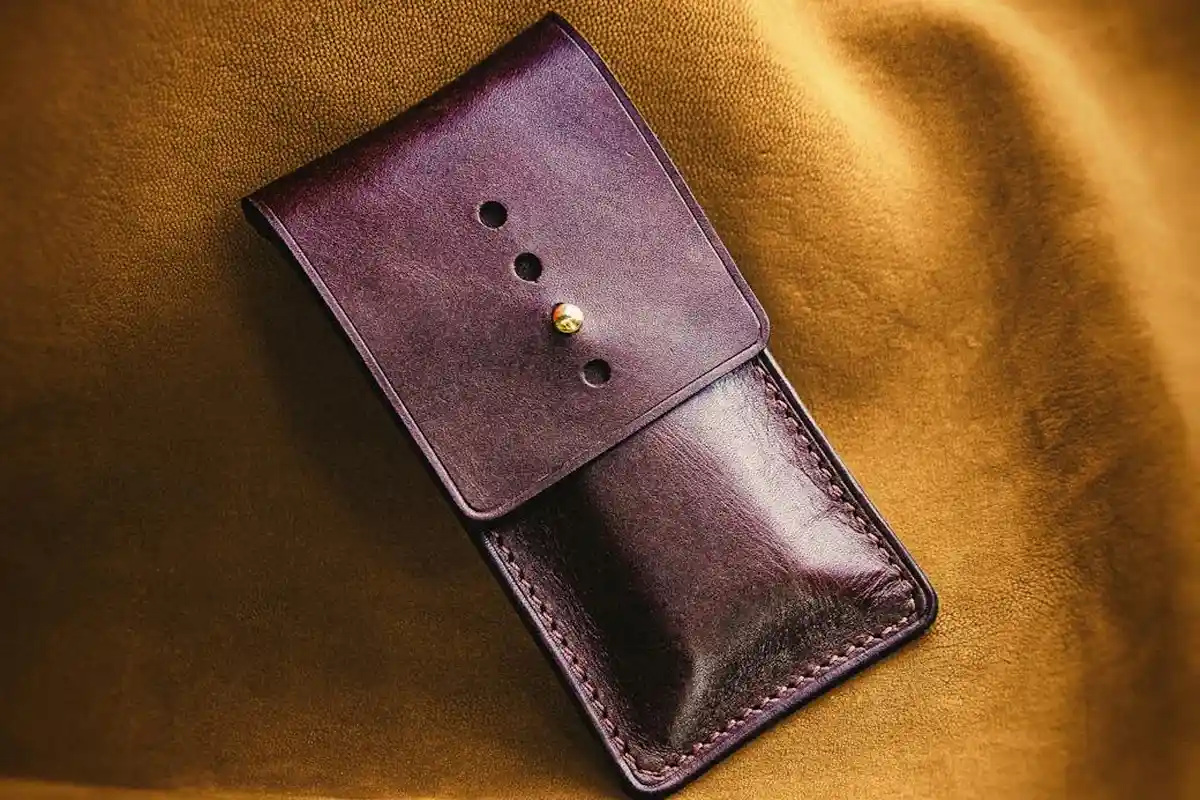
The feel of a fabric or leather starts long before you touch it. It begins in a processing room, where simple mechanical actions create wildly different results. For suede and nubuck, it all comes down to abrasion. That contrast becomes clearer when you compare fabric and leather materials. A quick comparison can show how processing choices shape texture and wear.
Let’s start with suede. Suede is made by a process called ‘napping,’ where a split of the hide-the softer, fibrous underside-is buffed with wire brushes or rollers. I’ve seen these machines in action. They don’t cut; they lift and tease. The brushes catch on the loose collagen fibers in the hide’s inner layer, pulling them upward to form a dense, velvety nap. You’re left with a surface that’s entirely pile, like the backing of a luxurious carpet. This is why suede feels so soft and porous from every angle. That exposed core is also why it’s delicate and absorbs liquids almost instantly.
Nubuck takes the opposite path. Nubuck begins as top-grain leather, the toughest part of the hide, and is gently abraded with very fine-grit sanding papers. Think of it as a light buffing, not a deep excavation. The goal isn’t to expose the loose core, but to just barely distress the tough, tight outer surface. This creates a texture of minuscule, raised grains-a peach-fuzz feel over a solid foundation. In my hands, nubuck feels like the finest sandpaper you can imagine, but made of leather.
So, what does this mean for you? The structural impact is everything. Napping exposes a soft, absorbent core, while sanding textures a dense, durable shell. Imagine the difference between brushing a wool sweater to raise its fuzz (like suede) versus lightly sanding a piece of smooth wood to give it a soft, matte texture (like nubuck). One is about revealing inner fluff, the other is about texturing a robust surface. That single choice in the sanding room dictates how the material will wear, clean, and feel for its entire life.
Care and Handling Protocol: They Both Hate Water
After years in textile care, my first rule for these materials is absolute: never let them get truly wet. The golden rule for both suede and nubuck is that they should never be submerged, put in a washing machine, or aggressively scrubbed with water. Water stains, especially on suede, are often permanent because they mat the nap and leave a visible, hardened ring. Unlike other fabrics where waterproofing techniques can protect against moisture, suede and nubuck require even more delicate handling.
For spot cleaning, you need the right tools. Here is my step-by-step method for tackling a dry stain like dirt or dust.
- Let the item dry completely if it’s damp.
- Use a specialized suede/nubuck eraser (a firm, rubbery block) to gently rub the stain. Use short, light strokes.
- Take a soft-bristled suede brush and brush the entire area. Always brush in one direction only to realign the nap and lift any remaining debris. Brushing back and forth will tangle the fibers and make the spot look worn.
The most crucial step happens before you ever wear them. Applying a protector spray designed for suede and nubuck is non-negotiable; it creates a vital hydrophobic barrier that gives you seconds to blot away spills before they soak in. Test it on a small, hidden area first, then apply in a well-ventilated space with even, sweeping strokes.
Some stains need extra attention. Salt stains from winter roads and dried mud are top culprits, especially on boots. For salt, I gently brush off the crust once dry, then use a barely damp cloth with white vinegar (diluted 50/50 with water) to dab the area, followed by immediate drying and brushing. For mud, let it dry completely, brush it off thoroughly, and then use the eraser and brush method.
Finally, understand their color. Both materials are drum-dyed, which gives rich color but has limits. Dyed suede and nubuck can fade with prolonged, direct sun exposure, so avoid storing them in bright windows. They are also not typically dyeable at home. The specialized processes and finishes mean standard leather dyes won’t penetrate or set correctly, often leading to uneven, sticky results. If the color is damaged, consult a professional restorer rather than attempting to dye it yourself.
Dry Cleaning vs. At-Home Rescue
Cleaning these napped materials is not like washing a cotton tee. The wrong approach can mat the fibers permanently or strip away dyes.
For major stains like oil or red wine, overall ground-in dirt, or on a very expensive designer piece, your first call should be to a specialist leather cleaner, not a standard dry cleaner. They use specific solvents and techniques that respect the hide’s natural oils and the delicate nap. I’ve seen standard dry cleaning processes leave suede looking flat and tired. Especially when it comes to red wine stains on fabrics, unfamiliar methods can sometimes cause more harm than good.
You can confidently handle routine upkeep at home. This includes brushing away dust with a suede brush or a soft toothbrush and spot-cleaning light dirt with a dedicated suede & nubuck eraser or a barely-damp microfiber cloth.
The most important at-home step is rejuvenating the nap after any cleaning. Let the area dry completely, then brush vigorously in one direction with a proper suede brush. This lifts the fibers back up, restoring that soft, velvety texture, especially after cleaning velvet upholstery fabrics.
Remember, even professional cleaning is a gentle abrasion. Over many sessions, it can subtly soften the material’s hand and cause minor, gradual lightening of the color, especially on darker shades.
Choosing Your Fighter: Durability, Use, and Style
Where does each one excel? It boils down to the origin of the nap.
Nubuck, sanded from the tough outer layer, is significantly more resistant to abrasion and scuffing than suede. Think of it like a rough stone polished smooth-it started dense and strong. Suede, from the softer inner split, is more plush but also more vulnerable to napping and tearing if snagged.
This difference maps directly to their best uses. I recommend suede for items where supreme softness is the goal: luxury gloves, jacket linings, delicate fashion blazers, or elegant accessories. Nubuck is my go-to for hard-wearing items that need to feel soft: rugged boots, everyday handbags, and durable furniture upholstery. Both materials offer advantages over synthetic options.
Let’s clear up common comparisons. In “suede vs nubuck vs leather,” full-grain smooth leather is the durability champion, with its intact, protective top layer. Understanding full-grain vs top-grain structure helps explain why the surface you feel matters as much as the core. Full-grain leather preserves the complete grain with its natural strength, while top-grain leather is sanded and finished to create a uniform face. For “suede vs nubuck vs roughout,” roughout is essentially suede made from the outer layer-it’s like nubuck, but the sanding is less uniform, leaving a shaggier, more rustic nap.
For “suede vs nubuck Birkenstock” specifically, consider the environment. Both will absorb foot sweat. Nubuck will better resist scuffing from daily wear and may hold the footbed shape more rigidly over time due to its denser base. Suede will mold to your foot more quickly for a personalized feel but will show wear patterns faster.
My final advice is simple: for high-traffic items like daily sneakers or work boots, lean toward nubuck. For a delicate jacket or accessory where touch is everything, choose suede.
Making Informed Choices for Leather and Beyond
From my years of testing materials, I tell you that the single most important step is to identify the nap by touch-suede feels plush and velvety, while nubuck feels like fine, peach-skin suede. Choose your cleaner and brush based on this: use a dry, soft brush for nubuck and a specialized suede kit for deeper cleaning, always working in the direction of the nap.
Caring well for animal-derived materials like these is an act of respect, so I advocate for meticulous maintenance to extend their life and reduce waste. Carry this ethic to every fabric in your home; learning how wool shrinks with heat or how polyester holds dye directly informs more sustainable and thoughtful use of all textiles.
References & External Links
- Nubuck vs Suede Leather: Key Differences & How to Choose | BuyLeatherOnline
- Differences between suede and nubuck – Tarrago
- Nubuck vs Suede – What’s the Difference?
- Suede vs nubuck: what’s the difference and which is better for bags?
- Nubuck vs Suede Leather: What’s the Real Difference – Rolford Leather
Florian Ventura
Florian is a high fashion blog writer, fashion and fabric expert and a keen expert in fabric, clothing and materials. She has worked in large textile and fashion houses for over 10+ years, engineering and working with various fabric types and blends. She is an expert when it comes to questions on any and all kinds of fabrics like linen, cotton, silk, jute and many more. She has also traveled around the world studying traditional fabrics and aims to bring them into the modern fashion use.