
Full Grain vs. Top Grain Leather: Which One Actually Lasts Longer?
If you’re comparing leather goods and worried about picking the one that won’t wear out in a year, I get it-the labels can be misleading. As a textile scientist, I examine these materials under magnification to give you the plain facts on strength and aging.
We will cover the fundamental anatomy of a hide, how sanding and finishing change durability, and my tested care methods to extend your leather’s life.
The Hide Layer Cake: A Structural Breakdown
To understand leather, you first need to picture the animal hide it comes from. Think of it like a three-layer cake. The top layer is the grain layer. This is the skin’s protective outer surface, dense with tightly woven collagen fibers. Beneath it is the corium, or middle layer. It’s thicker and has a looser fiber structure. At the bottom is the flesh side, which is the softest and most fibrous.
A simple analogy helps. Your palm has a tougher, slightly calloused surface-that’s like the grain layer. The softer, more pliable skin on the underside of your wrist is closer to the corium.
Full grain leather is the entire, untouched grain layer. Nothing is sanded away. It retains all the hide’s natural characteristics: the unique pore structure, the subtle grain variations, and even life marks like scars or insect bites. Because this top layer has the densest, most interlocked fibers, it is naturally the strongest and most durable part of the hide.
Top grain leather starts as the same grain layer, but it is altered. It has been sanded, buffed, or corrected to remove those natural imperfections and create a perfectly uniform surface. To achieve this blank canvas, it is almost always finished with a pigmented coating or a plastic polymer layer. This finish determines its final color and feel, unlike suede or nubuck leather which are left unfinished.
Where does “genuine leather” fit? This is a broad, non-technical term. It simply means the product contains some leather. Most often, it refers to split leather, which is the lower corium layer separated from the grain. It’s weaker and always has an artificial surface applied to mimic a grain.
The feel test never lies. Run your finger across full grain leather. It feels like slightly textured, living skin with natural pores you can sense. Run your finger across top grain. It feels uniformly smooth, like a polished coating, because that’s essentially what you’re touching.
How Structure Dictates Durability and Aging
The secret to leather’s behavior lies in its fiber density. The intact grain layer in full grain leather has the tightest, most robust weave of collagen fibers. It’s like comparing densely woven canvas to a looser burlap. This inherent structure makes it incredibly resistant to tearing and abrasion from day one. By comparison, bonded leather—with its resin-based composition—can peel as the binders break down. Understanding this contrast helps explain why bonded leather often shows peeling sooner than full-grain products.
Scratch resistance tells a vivid story. Full grain leather scuffs but doesn’t gouge easily; minor marks blend into the leather’s developing character over time. A top grain piece’s coated surface can be scratched or scraped off, often revealing a different, lighter color of base material underneath. The scratch isn’t part of the story; it’s a flaw in the finish.
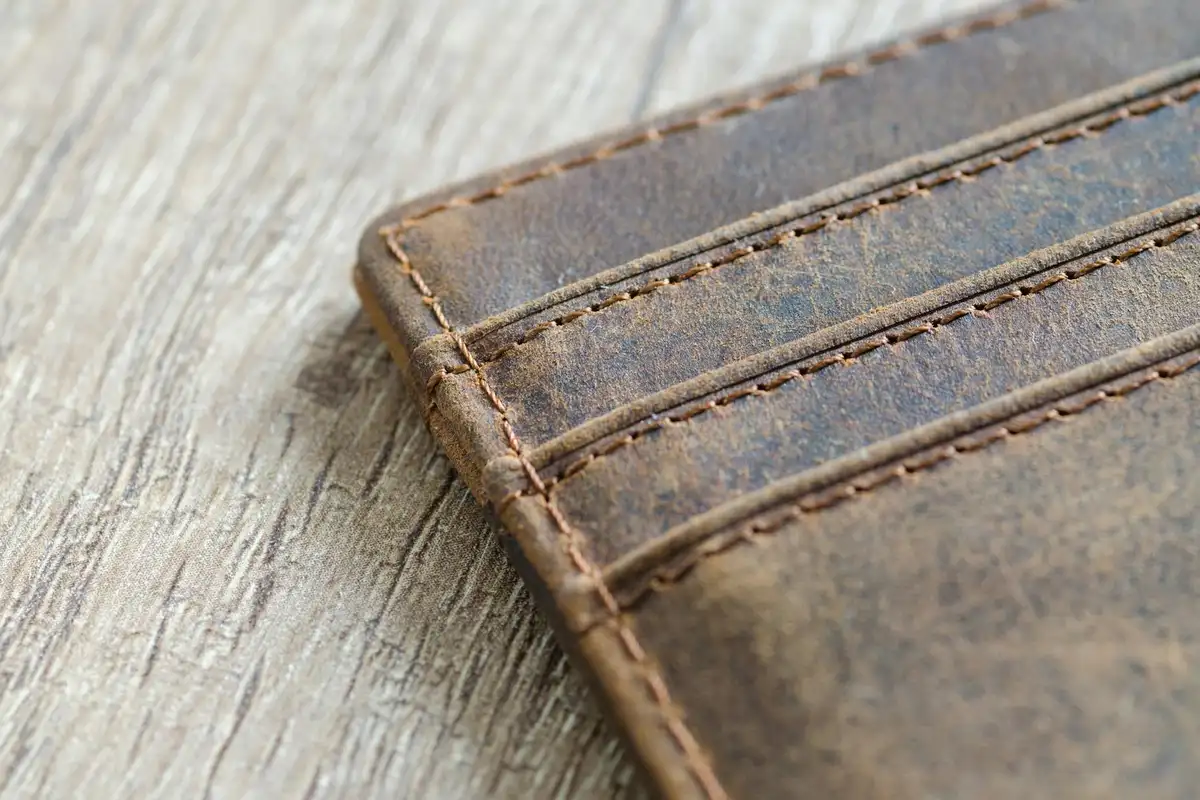
This brings us to patina, which is the beautiful aging of leather. Patina is a color shift and soft sheen developed from exposure to light, oils from your hands, and careful use. Full grain leather, with its open pores and natural fibers, drinks in these elements. It develops a richer, deeper, unique character over decades.
Top grain leather’s plastic-like coating seals the surface, resisting the very oils and light that create a patina. It doesn’t build up character; it simply wears down. The coating on high-contact areas like armrests can eventually crack, peel, or become noticeably duller than the surrounding surface, unlike vegetable-tanned leather which develops a patina over time.
Let’s apply this to a common question: full vs top grain leather for a sofa? A full grain leather couch will develop a sought-after, rich patina. The areas you touch and sit on the most will grow softer and more lustrous, often looking more beautiful and personal in ten years. A top grain leather sofa will fight to look new. Its uniform finish may show scuffs and “bald spots” on arms and seats more obviously as the coating degrades, leading to a worn-out appearance instead of a broken-in one. Fabric sheen surface properties—how light reflects off fabrics and how finishes age—shape how a sofa looks over time. Comparing these sheen levels with leather patina can inform long-term comfort and aesthetic choices.
The core principle is this. Full grain leather is designed to live with you, gaining beauty from careful use. Top grain leather tries to stay looking pristine until the finish eventually loses the battle. That contrast mirrors how finishes like moleskin vs suede cloth pile finish can affect feel and care. Understanding these finishes helps you pick a leather that wears best with your day-to-day life.
The Hands-On Care Protocol: Cleaning & Conditioning
Let me be clear from my workbench. This is not fabric care. Never machine wash, soak, or use standard laundry detergents on leather. You will ruin it. Leather is a protein-based material, like your skin, and needs entirely different chemistry than fabric materials.
Your universal first step is the spot test. Always test any cleaner or conditioner on a hidden seam or underside first. I’ve seen dyes bleed and finishes cloud from skipping this.
Step-by-Step for Full Grain Leather
Full grain is alive with natural oils. Your job is to clean gently and replenish those oils.
- Dust it off. Use a soft, dry cloth to remove surface dirt.
- For grime, use a damp (not wet) cloth with a dab of pH-neutral saddle soap. This soap is formulated for leather’s pH.
- Wipe the area clean with a separate damp cloth.
- Let it dry completely, away from direct heat. Rushing this can cause stiffness.
- Apply a thin coat of a natural conditioner like Lexol. This mimics the hide’s original oils.
- Buff gently with a dry cloth to a soft sheen.
This routine keeps the leather supple and develops its patina, the beautiful wear marks that tell its story.
Step-by-Step for Top Grain Leather
Top grain has a protective polymer coating. You care for the coating, not the raw leather beneath.
- Start with the same dry dusting.
- Use a cleaner made for finished leathers. These are designed not to break down the surface coating.
- Avoid heavy oil-based conditioners. They cannot penetrate the top coat and will just sit on top, attracting dirt and creating a sticky film.
Instead, after cleaning, you might use a light protective spray recommended for coated leathers. For specific items, match your care. On top grain shoes, a matching color cream polish works well. For a light-colored top grain purse, be vigilant about color transfer from dark jeans, as the smooth finish shows stains easily.
The wrong product will leave a greasy residue or, worse, degrade the protective layer, leading to premature cracking.
A common pitfall is reaching for household cleaners. Do not use vinegar, rubbing alcohol, or harsh disinfectant wipes. These will aggressively strip the natural oils from full grain or chemically degrade the delicate coating on top grain.
When to Call a Professional Cleaner
Some problems need an expert’s toolkit. Call a professional for:
- Major stains like ink, deep oil, or red wine, especially on large items like a sofa. Home remedies often set stains permanently.
- Any sign of mold or mildew. This requires specific fungicidal treatment to kill the spores throughout the material.
- Significant physical damage: tears, a peeling coating, or leather that has hardened and dried beyond what simple conditioning can help.
- High-value or heirloom items. A professional can identify the exact tanning method and use the correct, controlled chemistry to restore it without risk.
Choosing the Right Leather for Your Project
Your choice depends on the life you envision for the item. Match the leather’s inherent qualities to the item’s purpose.
Choose full grain for heirloom pieces you want to last decades and develop character. This includes hard-wearing boots, belts, bags, and furniture you love. Its natural durability comes from the intact grain structure.
Top grain is a practical choice where a uniform, pristine look is the priority and budget is a consideration. Think fashion accessories, car interiors, or more casual shoes that need a sleek, consistent appearance.
Let’s answer a common question: full vs top grain leather for shoes? For rugged work boots that must withstand abrasion and moisture, I always recommend full grain. For office loafers where a high-gloss, flawless shine is key, top grain is often the leather used by manufacturers.
The cost difference reflects material integrity and longevity, not just looks. You are paying for more of the original, strongest part of the hide with full grain.
Both are real, quality leathers. Your choice is simply about what you value more: embracing natural character and extreme longevity (full grain) or preferring initial uniformity and a lower price point (top grain).
Material Knowledge for Lasting Textiles
From the tannery to the laundry room, I base my care on one rule: a material’s performance is locked in its structure. For every fabric in your closet—from crisp cotton to springy wool—your first step is always to check the fiber content and follow its specific care instructions to preserve its hand and shape.
Take this curious, hands-on approach further by learning how cotton breathes, why silk dyes need cool water, and how polyester blends resist shrinkage. Building this knowledge is how we practice true responsibility, making our wardrobes last longer and making thoughtful choices about animal-derived and synthetic fibers alike. Understanding the nuances of different fabrics helps you care for them properly.
Research and Related Sources
- Leather 101: Top Grain Vs. Full Grain | The Leather Guy
- Top-Grain vs. Full-Grain Leather: What’s the Difference? | Leather Honey
- TOP-GRAIN VS. FULL-GRAIN LEATHER | What’s the Difference?
- Full-grain vs Top Grain: Get To Know More About Leather
- Full Grain vs Top Grain Leather | Castlery US
Written by Florian Ventura. Florian is a high fashion blog writer, fashion and fabric expert and a keen expert in fabric, clothing and materials. She has worked in large textile and fashion houses for over 10+ years, engineering and working with various fabric types and blends. She is an expert when it comes to questions on any and all kinds of fabrics like linen, cotton, silk, jute and many more. She has also traveled around the world studying traditional fabrics and aims to bring them into the modern fashion use.