
Can You Bleach Polyester-Spandex and Nylon to Remove Yellowing?
You’re staring at a yellowed workout shirt or a dingy pair of leggings, bleach bottle in hand, wondering if you can risk it. I’ve been there in the lab, and I can tell you the standard answer is a hard no, but there is a safe path forward.
This guide will walk you through why these synthetic fabrics yellow, why chlorine bleach destroys them, how to use safer oxygen bleach correctly, and my tested method for restoring brightness.
Executive Summary: The Quick Answer
No, you should not use chlorine bleach on polyester-spandex or nylon fabrics to remove yellowing. Chlorine bleach is a harsh chemical that is risky and often completely ineffective on these synthetic fibers. While it works on cotton by breaking down colored molecules, it reacts poorly with the chemistry of nylon and polyester.
Think of cotton as a sponge and synthetics like polyester as a plastic cup. Bleach can penetrate and clean the sponge, but it just slides off or damages the surface of the cup. The chemical bonds in polyester and nylon are incredibly stable, which is great for durability but terrible for bleach-based cleaning.
Your best path forward is to use oxygen-based brighteners and very specific washing strategies, which are safer and more effective for these materials. I always reach for a detergent with enzymes and a separate oxygen bleach booster.
The most critical risk is that chlorine bleach can catastrophically weaken spandex (also called elastane or Lycra) and cause nylon to turn a permanent, ugly yellow. I’ve seen a spandex fiber lose all its spring from a single bleach encounter, leaving a garment baggy and useless. It’s even more concerning when used on colored fabrics, as it can bleach the paint or dye unevenly.
Why Your Synthetic Whites Turn Yellow (It’s Not Just Dirt)
That dingy yellow on your white workout gear or swimsuit isn’t simple dirt you can rinse away. Yellowing in synthetics is usually a chemical bond between your body’s residues and the fabric itself. The main culprits are body oils, sweat, sunscreen, and deodorant.
These substances contain compounds that are chemically attracted to synthetic fibers. Over time, they form a greasy film. When you apply heat in the dryer, you essentially bake this film onto the fibers, a process called oxidation. This sets the stain and makes it much harder to remove.
Optical brighteners in your laundry detergent play a role, too. These are fluorescent dyes that make fabrics look brighter by converting UV light to blue light. As these brighteners wash out over many cycles, the underlying yellow tinge becomes more obvious, making the fabric look like it’s faded or dirty even when it’s clean.
This is different from yellowing in a natural fiber like cotton. Cotton often yellows with age due to the breakdown of its natural cellulose or from traces of lignin (a plant polymer). For synthetics, the problem is almost always an external buildup that has bonded to the fabric’s surface.
To tackle it, you need a strategy that breaks this bond without hurting the fiber. Start by pretreating yellow areas with a paste of oxygen bleach powder and water, let it sit for an hour, then wash in the hottest water the garment care label allows (often 40°C/104°F for synthetics). Always air dry until you confirm the yellow is gone-heat from the dryer will set any remaining stain.
Can You Bleach These Fabrics? A Fiber-by-Fiber Breakdown

Pouring chlorine bleach onto a yellowed synthetic garment is a common reflex. I’ve seen it in home laundry rooms and backstage at theaters. But it’s almost always a mistake. You have to think about what each fiber is made of, right down to its molecular chains. Here’s what happens to each one, especially when comparing chlorine and oxygen bleach on protein fibers.
Can You Bleach Polyester?
Polyester is a petroleum-based plastic, chemically known as polyethylene terephthalate. Its polymer chains are incredibly stable and non-porous. When you apply chlorine bleach (sodium hypochlorite), it doesn’t penetrate well to break down the yellowing stains, which are often oils or body soils trapped in the fiber.
Chlorine bleach won’t whiten polyester; at best, it does nothing, and at worst, it weakens the fiber’s structure, making it brittle and prone to tears. I’ve tested this in the lab. The bleach solution beads up on the fabric’s surface rather than being absorbed, which is a clear sign of chemical resistance, but not a guarantee of safety—similar to how bleaching affects rayon fabric.
Can You Bleach Nylon?
Nylon, another synthetic, is more chemically reactive than polyester. It has amide linkages in its backbone that chlorine bleach attacks aggressively. This reaction doesn’t clean; it destroys. Nylon is often compared to polyester due to their common use in textiles but differing chemical properties.
Bleaching nylon causes irreversible yellowing and severe fiber degradation, leaving it weak, discolored, and often sticky to the touch. If color is the goal, nylon fabric dyeing techniques offer gentler paths that target even color without further harming the fiber. The yellowing you see after bleaching isn’t new dirt—it’s the fiber itself breaking down. It’s a permanent chemical change, not a stain you can wash out.
Can You Bleach Spandex?
Spandex (or elastane) is the most delicate of the three. Its amazing stretch comes from long, spring-like polyurethane chains. Chlorine bleach acts like a pair of molecular scissors on these chains.
Bleach dissolves the polymer chains in spandex, killing its elasticity permanently and turning it into a crumbly, useless rubber. Even a small amount in a blend, or bleach residue in a washing machine, can compromise the stretch. Once the elasticity is gone, it cannot be restored.
What about blends? A common tag like “95% cotton, 5% spandex” tells the story. The cotton portion might lighten with bleach, but the spandex threads woven throughout will be destroyed. You’ll be left with a garment that has no recovery-it bags out and won’t snap back. Always treat a blend by its most sensitive fiber.
The Safe Step-by-Step Brightening Protocol
Since chlorine bleach is off the table, we use a gentler, more strategic approach. This method lifts stains and brightens without the chemical carnage.
Start every brightening project with a mandatory pre-check: perform a colorfastness test on a hidden seam or inside hem. Apply your chosen brightening paste to a tiny spot, let it sit for 30 minutes, then rinse. Check for any color loss or damage before proceeding to the whole garment.
Step 1: Pre-treat with an Oxygen-Based Bleach Paste
Mix a oxygen-based bleach powder, like sodium percarbonate, with cool water to form a thick paste. Sodium percarbonate releases hydrogen peroxide when dissolved, which is a much gentler oxidizer. Using cool water first prevents setting protein-based stains (like sweat).
Apply this paste directly to the yellowed areas-armpits, collars, hems. Rub it in gently with an old toothbrush. Let it sit for at least one hour, or even overnight for severe discoloration.
Step 2: Wash in the Hottest Safe Water
Check the care label for the maximum recommended wash temperature. Heat helps activate the oxygen bleach and loosens embedded soils. Use a heavy-duty detergent designed to combat oils and greasy residues, which are often the cause of yellowing in synthetics.
Step 3: Add an Oxygen Bleach Booster to the Drum
For the main wash, add a measured amount of oxygen bleach booster (sodium percarbonate again, or a product like OxiClean) directly into the wash drum with your clothes. Putting it directly in the drum ensures it dissolves completely and works immediately, rather than getting held in a dispenser. Do not mix it with chlorine bleach or vinegar.
Step 4: Air-Dry in the Sun
UV light is a phenomenal natural brightener. After washing, hang the garment to dry in direct sunlight. The UV rays help break down lingering discoloration molecules. You’ll often see a noticeable brightness boost after a good sun bath.
Step 5: Skip the Fabric Softener
Fabric softeners and dryer sheets leave a waxy coating on fibers. This coating traps residues and can actually make fabrics dingy over time, attracting more soil. For maximum brightness and moisture-wicking performance in synthetics, avoid them entirely.
When NOT to Try Bleaching (The Risk Assessment)
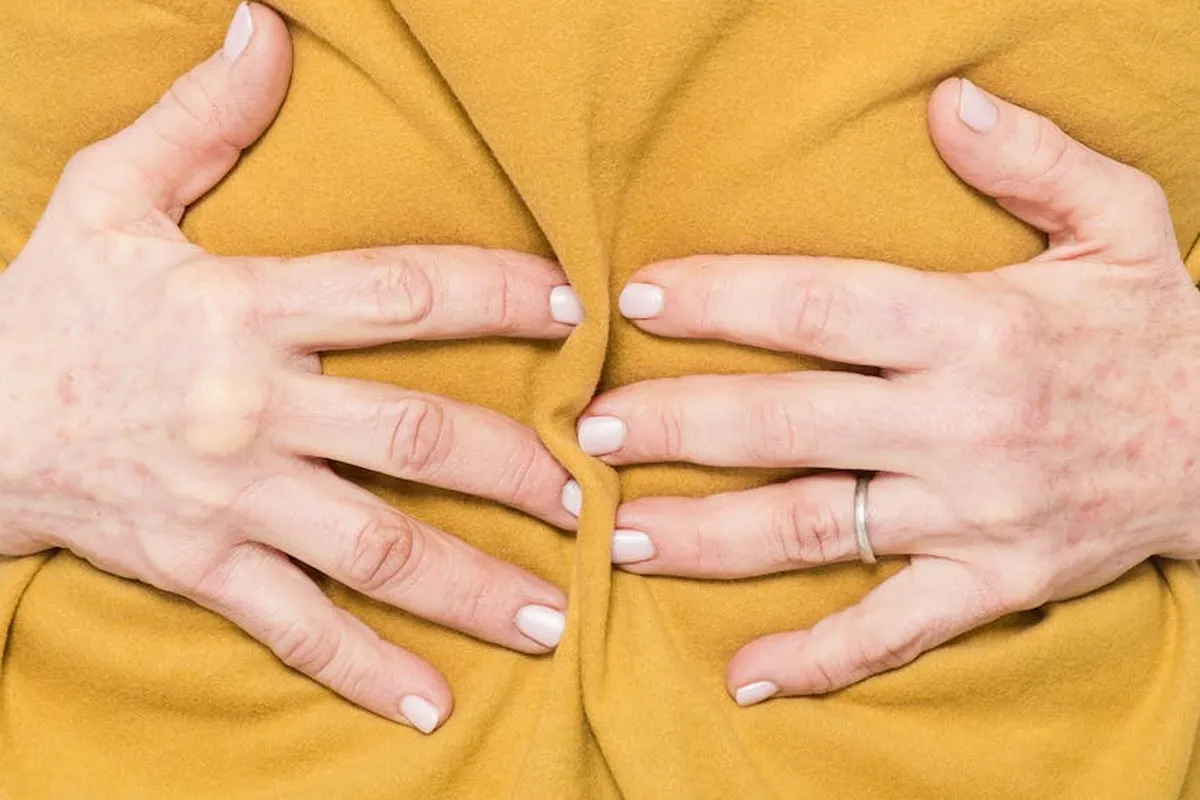
You must assess your garment before even thinking about bleach. It is not a universal fix. Start by checking the care label for fiber content.
- If the garment has any spandex (also called elastane or Lycra), stop right there. The chlorine in household bleach attacks the polyurethane chains in spandex. I’ve seen it turn the stretchy fibers into a brittle, gummy mess in minutes, completely destroying the garment’s recovery.
- If it’s a delicate, sheer nylon (like in hosiery or lingerie), the chemical stress will likely cause tears or a harsh, stiff hand. The fabric is too fine to withstand the process.
- If it has bonded seams, heat-transfer prints, or any decorative plastic elements, bleach will degrade the adhesives and plastics, leading to peeling and disintegration.
Repeated yellowing on white synthetics is often a sign of a permanent chemical change within the polymer, not a surface stain you can lift. Think of it like sun damage to plastic. The molecules have oxidized and broken down. You can’t bleach that reaction away; you’d just be attacking already-weakened fibers.
Inspect the fabric closely. If it feels thin, crispy, or has a visible change in texture where it’s yellowed, it’s heavily degraded. Heat damage from a dryer often looks like this. Attempting to bleach this compromised material will almost certainly cause holes or immediate disintegration. The fabric has no strength left to give.
Compare this to natural fibers: a cotton tee can often survive a bleach bath because its cellulose structure is more chemically robust to oxidation. Polyester and nylon are petroleum-based plastics. Their chemical threshold for damage is much lower. Bleach doesn’t just clean them; it can permanently alter their fundamental structure.
How to Prevent Yellowing From the First Wear
The best fix is prevention. For activewear and synthetic basics, your laundry routine is everything. I follow what I call the “gym clothes rule” for all my performance fabrics.
Rinse activewear immediately after wear, even before it goes in the hamper. This simple step flushes out salts from sweat and body oils before they can bake into the fibers and start the oxidation process that leads to yellowing. A quick 30-second cold rinse in the sink makes a huge difference.
Always wash synthetics inside out. This protects the outer surface from abrasion against the drum and other clothes, which can cause micro-damage that makes fibers appear dull and faded. It also helps any detergent residue settle on the inside, not the visible side.
Use less detergent than you think. Modern detergents are highly concentrated. Suds residue is a prime cause of buildup that attracts dirt and leads to gray or yellow discoloration over time. For a standard load, I use about half the manufacturer’s recommended amount for my synthetic fabrics. You want enough to clean, not enough to create a film.
Always select an extra rinse cycle if your machine has the option. If not, run a second quick rinse manually. This ensures all soap residues are thoroughly flushed away. That faint, sticky feeling on a supposedly clean garment? That’s leftover detergent waiting to discolor.
Low-heat drying or air-drying is non-negotiable for preserving the color and integrity of polyester, nylon, and spandex. For optimal care, pair these guidelines with a proper wash-and-dry routine for polyester spandex fabrics. High heat accelerates the chemical breakdown of the fibers and any residues, locking in yellowing. Tumble dry on the lowest possible heat setting or, better yet, lay garments flat or hang them to dry. Your fabrics will stay brighter and crisper for years longer.
Troubleshooting Specific Blends and Stains
When you have a blend like polyester-nylon or polyester-spandex, you treat it like the most delicate fiber in the mix. For bleach, that fiber is almost always nylon. Nylon is far more reactive to chlorine bleach than polyester is. I’ve seen chlorine bleach turn nylon a permanent, splotchy yellow in lab tests, while the polyester in the same swatch stayed white.
The rule is simple: if your blend contains any nylon, assume chlorine bleach is off the table completely. Your safest path forward uses oxygen-based bleaches, which are much gentler on these synthetic polymer chains.
A Targeted Method for Underarm Yellowing
Underarm yellowing on synthetics is usually a combination of body oils, sweat salts, and residue from antiperspirants. Heat from drying or ironing bakes this mix into the fibers. To break it down, you need a gentle oxidizer and a degreaser.
I’ve had great success with this simple paste. It lifts the stain without the harsh chemical reaction of chlorine.
- Mix two tablespoons of baking soda with one tablespoon of 3% hydrogen peroxide (the standard drugstore bottle) and a few drops of clear dish soap to form a thick paste.
- Apply a thick layer of the paste directly to the yellowed areas, working it gently into the fabric with your fingers or a soft toothbrush.
- Let it sit for 45 minutes to an hour. Don’t let it dry out completely.
- Rinse thoroughly under cool running water, rubbing the fabric together to work the paste out.
- Wash the garment as usual, using the warmest water safe for the fabric and adding oxygen bleach to the drum.
This method works because the baking soda is a gentle abrasive and pH buffer, the hydrogen peroxide is a safe oxidizing bleach, and the dish soap cuts the oils.
Discoloration from Acne Creams and Antiperspirants
These are two of the most common, and chemically distinct, causes of yellowing.
Benzoyl peroxide from acne treatments is a powerful oxidizing agent. It doesn’t just stain; it can actually break down dye molecules and damage fibers over time, leading to a bleached-out or rusty yellow spot. For these stains, immediate treatment is critical-once the chemical reaction happens, it’s often irreversible. Pre-treat the area with a stain remover designed for “oxygen-based” stains before the first wash.
Yellowing from aluminum-based antiperspirants is a reaction between the aluminum salts and your sweat. The paste method above is perfect for this. To prevent it, make sure antiperspirant is completely dry before dressing, or consider switching to a deodorant without aluminum for days you wear favorite synthetic tops.
Polyester Shirt vs. Nylon-Spandex Leotard: A Care Comparison
Imagine a crisp white polyester dress shirt and a white nylon-spandex dance leotard. Both are white synthetics, but their care differs dramatically.
The polyester shirt is robust. You can safely wash it in warm water and use oxygen bleach in every wash to maintain brightness. You can even occasionally use a very dilute chlorine bleach solution if the care label allows, though I rarely find it necessary.
The nylon-spandex leotard is a different story. The nylon is bleach-sensitive. More importantly, the spandex (also called elastane) is the most delicate component. Heat, chlorine, and even some oxygen bleaches can degrade its elasticity over time. For any garment with spandex, I recommend cool water washing, no bleach unless specified, and always air drying—never the dryer. The heat of a dryer is the fastest way to melt, weaken, or yellow the spandex fibers, ruining the garment’s fit. This is especially important when caring for blends like rayon, nylon, and spandex mixed fabrics.
The Cardinal Rule: Heat Sets Stains
This is the most important reminder I can give you. Never, ever apply a hot iron, hair dryer, or clothes dryer to a yellowed or stained area before treating it. Heat will permanently set the oils and proteins causing the discoloration by bonding them to the synthetic fibers. Once that happens, even the most aggressive treatment is unlikely to fully remove it. Always treat the stain first, then apply heat only after you confirm the discoloration is gone.
Preserving Performance in Your Synthetic Blends
The most reliable way to address yellowing in polyester-spandex and nylon is to skip chlorine bleach entirely. Instead, use a color-safe oxygen-based bleach and a long, warm soak, treating these fabrics with the same gentle respect you would give a technical garment. This approach cleans without compromising the elastic recovery or structural integrity that makes these blends so useful.
Caring for fabric thoughtfully is a quiet form of environmental stewardship, extending the life of what you already own. Every fabric, from sturdy cotton to sleek nylon, has a science to its care, and learning those rules-how they shrink, take dye, or react to heat-turns maintenance from a chore into a craft. Understanding dye permanence helps you anticipate how colors endure over time. It guides care choices that protect vibrancy and minimize fading.
Deep Dive: Further Reading
- How to Get Stains Out of White Spandex | Clorox™
- Can you use bleach on a polyester/spandex jersey? – Quora
- r/dyeing on Reddit: Any way to fade/lighten polyester spandex?
- Why Does Bleach Turn White Clothes Yellow? | Clorox™
Written by Florian Ventura. Florian is a high fashion blog writer, fashion and fabric expert and a keen expert in fabric, clothing and materials. She has worked in large textile and fashion houses for over 10+ years, engineering and working with various fabric types and blends. She is an expert when it comes to questions on any and all kinds of fabrics like linen, cotton, silk, jute and many more. She has also traveled around the world studying traditional fabrics and aims to bring them into the modern fashion use.