How to Tell If That Fabric Is Really 100% Natural?
You’re holding a garment, feeling unsure. Is it the breathable cotton you wanted, or a clever synthetic blend? I’ve been there, both in my home laundry and in the textile lab.
This guide will walk you through exactly how to know what you’re working with. We will cover the unique physical properties of each major natural fiber, simple at-home burn and water tests you can perform, how proper care differs between them, and how to make informed, ethical choices.
Executive Summary: Your Quick-Reference Guide
Before we get into the details, here is a quick chart to keep in your back pocket. This is the cheat sheet I use when I’m quickly sorting through a fabric stash.
| Fiber | Source | Classic Hand-Feel | Typical Uses | Biggest Care Warning |
|---|---|---|---|---|
| Cotton | Plant (Seed Boll) | Soft, absorbent, can be crisp or brushed. | T-shirts, denim, bed sheets, towels. | Prone to shrinkage in high heat; can wrinkle. |
| Linen | Plant (Flax Stem) | Crisp, textured, a dry coolness. | Summer shirts, tablecloths, suits. | Wrinkles very easily; that’s part of its charm. |
| Wool | Animal (Sheep Fleece) | Springy, warm, a dry loft. | Suits, sweaters, blankets, coats. | Heat, agitation, and pH shock cause felting and shrinkage. |
| Silk | Animal (Silkworm Cocoon) | Sleek, smooth, a luminous drape. | Blouses, lingerie, ties, formal wear. | Sunlight degrades it; water can spot; needs gentle pH. |
The rest of this guide shows you how to confirm these identities using just your senses and a simple, safe burn test. You’ll become your own fabric detective.
First Clues: The Look and Feel Test
Your hands and eyes are your first tools. Before cutting or burning anything, spend a moment with the fabric. Look at its weave and watch how it falls. A tightly woven cotton poplin drapes stiffly, while a loose wool gauze flows. This tells you about structure, not just fiber.
Feel the texture. Run the fabric between your fingers. Cotton often feels softly absorbent, while linen has a distinctive dry, slightly bumpy crispness-I call it a ‘crisp rumple’. Wool should feel springy and warm, not plasticky. High-quality silk feels cool and impossibly smooth, with a subtle, inherent shine called ‘luster’. Raw linen and cotton are matte.
Try the linen ‘crush test’. Grab a handful of the fabric, squeeze it tightly for a few seconds, then release. Pure linen will hold pronounced, sharp wrinkles. Cotton wrinkles too, but often in a softer, less defined pattern, especially compared to fabrics like cotton and wool.
Remember, techniques like batik don’t define the fiber. When people ask ‘are batik fabrics 100 cotton’, they’re confusing the wax-resist dye method with the material. Batik can be done on cotton, silk, or rayon. To check, you need to feel the base cloth and perform a burn test on an undyed thread.
The Burn Test: Your At-Home Lab Kit
This is the most definitive home test. It works because plant cellulose (cotton/linen), animal protein (wool/silk), and synthetic polymers (polyester/nylon) burn in unique ways. Safety is non-negotiable. You need long metal tweezers, a metal bowl or plate, a cup of water, a lighter, and a sink to work over. Never test a large piece or a finished garment carelessly.
You will observe four things: how it ignites, the smell of the smoke, the behavior of any ash or bead, and the residue left behind. Plant fibers like cotton and linen burn quickly with a yellow flame, smell like burning paper or leaves, and leave behind a fine, gray, feathery ash. Animal fibers like wool and silk are reluctant to burn, smell distinctly like burning hair or feathers, and leave a crushable black char bead. Synthetics melt, drip, smell acrid like chemicals, and form a hard plastic bead.
Step-by-Step: Performing a Safe Burn Test
- Snip a small thread bundle or a tiny swatch (about the size of a pencil eraser) from an inconspicuous area. A seam allowance is perfect.
- Hold the sample securely with your metal tweezers over the metal dish. Have your cup of water ready.
- Carefully ignite one end of the sample with your lighter. Observe the flame color and, cautiously, waft the smoke toward you to smell it.
- After a few seconds, extinguish the sample by dipping it into your cup of water. Then, examine the cool residue on the dish.
With these two methods-your senses and the burn test-you can confidently identify the core natural fibers in your closet or project pile.
Cotton: The Everyday Plant Fiber
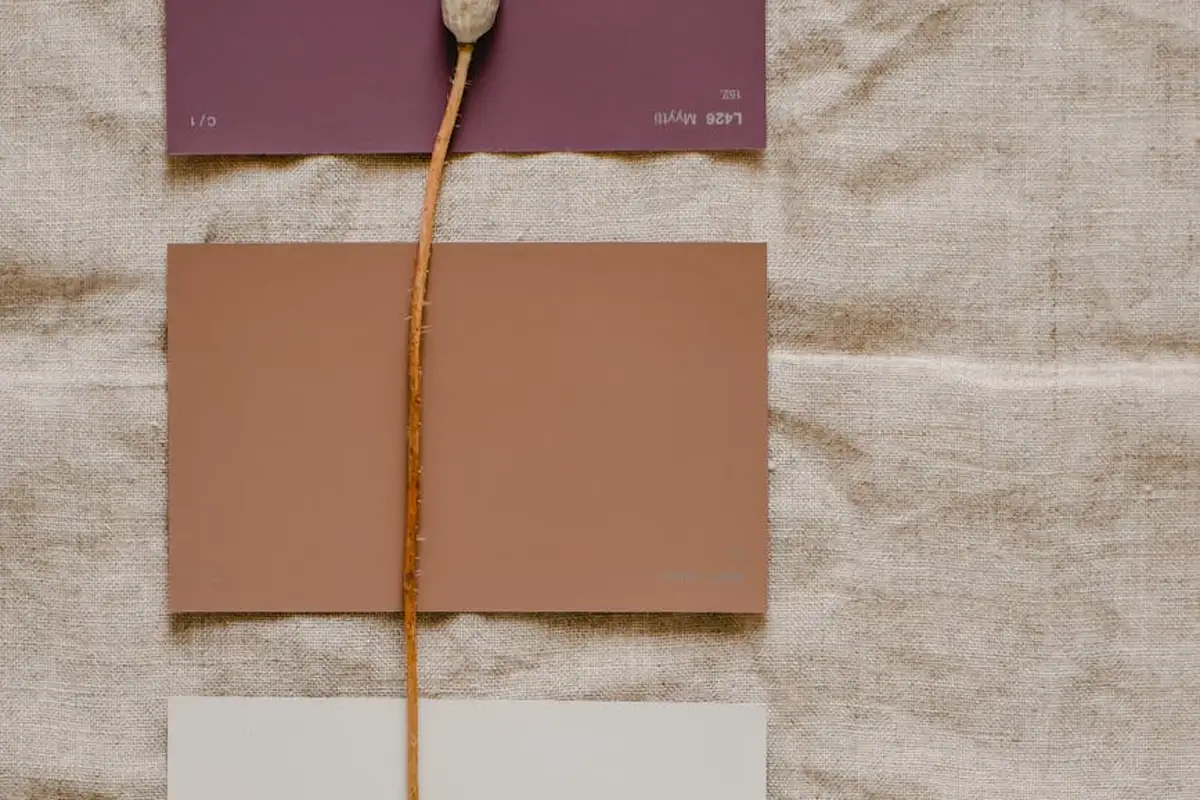
Cotton comes from the fluffy boll that protects the seeds of the cotton plant. Each fiber is a soft, twisted tube. This structure is the secret to its magic. The hollow, twisted shape creates millions of tiny pockets that pull moisture away from your skin. That’s why cotton is so absorbent and breathable.
But the weave changes everything. The same cotton fiber can feel completely different depending on how it’s made. A crisp percale weave feels cool and matte, perfect for sheets. A sateen weave, where threads float over the surface, feels sleek and almost silky. A tight canvas or denim weave feels rugged and stiff. Fabric choice can change the feel even with the same weave. Materials like cotton, linen, or wool shift hand and drape. These variations stem from fabric weaves materials differences, which define a textile’s character. When you’re trying to identify cotton, first get a sense of its hand-its basic texture is usually soft and matte, not glossy.
So, how can you tell if a fabric is cotton? Use your senses. Look: It typically has a non-shiny, matte appearance. Feel: It’s breathable and often feels cool to the touch. Crumple a bit in your hand; it wrinkles with a soft, forgiving drape, not a sharp crease. The most definitive home test is the burn test (always done safely with a single thread over a sink). Cotton burns quickly with a steady flame, smells like burning paper or leaves, and leaves behind soft, gray ash.
Cotton Material Data Table
| Breathability | Excellent. Its natural fiber structure allows air to circulate and moisture to evaporate. |
| Shrinkage Rate | High (3-5% on first warm wash). This is because the fibers relax and contract. “Pre-shrunk” cotton has been treated to minimize this. |
| Heat Tolerance | High. It can handle hot water washes and a hot iron, which makes it easy to care for and sanitize. |
| Stretch Factor | Minimal. Woven cotton has almost no inherent stretch unless it’s blended with elastic fibers like spandex (lycra). |
Caring for Cotton: A Step-by-Step Protocol
Cotton is forgiving, but a good routine keeps it looking its best for years.
- Washing: Machine wash in warm water (40°C / 104°F). Use a standard or gentle detergent. Turn printed or dark items inside out to protect the design and reduce friction.
- Drying: Tumble dry on a low heat setting or line dry. High heat is the main cause of shrinkage, so avoid it if you want to maintain the exact size.
- Ironing: Iron cotton while it is still slightly damp using a high heat setting. This smooths wrinkles effortlessly. For stubborn creases, use the steam function.
Dyeing Note: Cotton is a dyer’s dream. It bonds beautifully with fiber-reactive dyes, which are permanent and vibrantly colored. You can use these dyes at home with salt and soda ash to create lasting colors.
Linen: The Crisp, Strong Cousin
Linen comes from the flax plant, specifically the long fibers found in the stem. I think of them as nature’s reinforcement rods. These fibers are extracted, spun, and woven to create a fabric that is famously strong and gets more durable when wet. This inherent strength from long flax fibers is why a good linen towel or sheet can last for decades.
You’ll recognize linen by its distinctive texture. It has a natural, slightly irregular thickness called a “slub.” This isn’t a flaw; it’s the fingerprint of the plant. Linen also wrinkles, and it wrinkles with conviction. This happens because its polymer structure is very rigid. Unlike cotton, it doesn’t have the molecular springiness to bounce back from creases easily. Embrace those wrinkles as part of the fabric’s character-a sign of a true natural fiber.
Run your hand over linen. It feels dry and cool to the touch, with a crisp, substantial hand. Compare this to cotton, which often feels softer and more supple from the first wear. That dry feel is part of linen’s incredible breathability. Linen’s dry, cool handfeel is a direct result of its hollow fibers, which wick moisture away from your skin with remarkable efficiency.
Here’s the best part about quality linen: it gets better with age. With each gentle wash, the fibers relax and soften. That initial crispness mellows into a beautiful, lived-in drape that is uniquely comfortable. I’ve had linen pieces that felt a bit stiff at first but became my absolute favorites after five or six washes.
Linen Material Data Table
| Property | Characteristic |
|---|---|
| Breathability | Exceptional. Its hollow fibers promote superior air flow and moisture wicking. |
| Shrinkage Rate | Moderate-High (3-4% on first wash). Can be severe with high heat drying. |
| Heat Tolerance | Very High. It can withstand a hot iron and loves steam. |
| Stretch Factor | Very low. It offers a rigid, structured drape with minimal give. |
Caring for Linen: A Step-by-Step Protocol
Washing linen correctly preserves its strength and accelerates its softening process. Always check the care label first, but most linen is quite robust. I machine wash mine in cool or warm water on a gentle cycle. A key tip: do not overload the machine. Linen needs room to move in the water to clean properly and minimize setting wrinkles. Think of the simple sequence—wash, soften, care for linen fabric—as a guide to keeping it at its best. Following these practices helps linen stay strong, soft, and long-lasting.
For drying, you have two good paths. You can tumble dry on a low heat setting, but remove the items promptly while still slightly damp to make ironing easier. I prefer to line dry. To drastically reduce wrinkles, give the garment a firm snap to straighten the fibers before hanging, and smooth it with your hands while it’s still damp.
Ironing is where linen shines. Iron linen while it is still quite damp using the highest steam setting your iron has. This is the secret to a crisp, professional finish. The heat and steam relax the rigid polymers completely, allowing you to press out every crease. If the fabric has dried, mist it thoroughly with water before ironing.
Dyeing linen is straightforward for home dyers. It takes fiber-reactive dyes (the same type used for cotton and other plant fibers) very well. Because of its natural texture and color, the final result often has a more muted, earthy, and classic look compared to the vibrant solid you might get on a smooth cotton poplin. For the best color retention, always use a fixative after dyeing.
Wool: The Complex Protein Fiber
Wool comes from the fleece of sheep, a remarkable natural fiber built for protection. Under a microscope, you see its secret: a surface covered in tiny, overlapping scales. These scales are why wool can felt. When you combine heat, moisture, and agitation, the scales lock together permanently, shrinking the fabric into a dense mat.
In your hands, quality wool feels like warmth without weight. It has a springy loft, meaning it traps air for insulation but bounces back when you squeeze it. This isn’t a flat, dense fabric. It’s alive with breathability.
When choosing wool, the source matters deeply to me. I look for certifications like ZQ or Responsible Wool Standard (RWS) that verify ethical animal treatment. For insulation without animal fibers, high-performance alternatives like Tencel Lyocell or thermally-woven cotton blends are excellent, thoughtful choices.
Not all wool feels the same. Run the fabric between your fingers. Coarse, thicker fibers can feel prickly or itchy against sensitive skin. Merino wool, from a specific breed of sheep, has much finer fibers. It feels noticeably softer, almost silky, and is far less likely to cause that itchy sensation. Lambswool, from a lamb’s first shearing, is also finer and softer than wool from an adult sheep.
Wool Material Data Table
| Breathability | Excellent, actively wicks moisture vapor away from the body. |
| Shrinkage Rate | Extreme if mishandled (felting). Can be less than 3% with proper cold, gentle care. |
| Heat Tolerance | Very Low. Agitation, hot water, and sudden temperature changes are its main enemies. |
| Stretch Factor | Good natural recovery; it springs back thanks to its crimped structure. |
Caring for Wool: A Step-by-Step Protocol
Wool care is about avoiding the three triggers of felting: heat, agitation, and rapid temperature change. Follow this method to keep your sweaters and suits looking new for years. If shrinkage has already occurred, there are gentle wool felting shrinking techniques to consider. These methods pair with careful care to keep your pieces wearable.
Washing: Hand wash in cool water, never exceeding 30°C (86°F), with a wool-specific or pH-neutral detergent. Never rub or wring the fabric. Gently press the suds through the garment, then let it soak for 10-15 minutes. Rinse by pressing it in cool, clean water until it runs clear.
Drying: Roll the rinsed garment in a clean, absorbent towel and press firmly to remove excess water. Never twist it. Then, lay it flat on a drying rack, gently reshaping it to its original measurements. This prevents stretching and misshaping.
Ironing: If needed, use a steam iron on the lowest wool setting. I always place a thin, damp press cloth (like a cotton handkerchief) between the iron and the wool to prevent scorching and shine.
Dyeing wool requires acid dyes, similar to silk, because both are protein fibers. You must raise the temperature very slowly and evenly to about 85-90°C (185-194°F) to set the dye, but avoid boiling or rapid temperature shifts that cause felting. Constant, gentle stirring is non-negotiable.
Silk: The Filament Protein Fiber
Silk begins as a continuous liquid filament, spun by the silkworm to form its cocoon. Unlike the short staple fibers of cotton or wool, this means silk is one incredibly long, smooth strand. This uninterrupted structure is the secret to its iconic, sleek hand and lack of fuzz. In the lab, we unwind these filaments from several cocoons together to create the single, pliable thread used for weaving.
You can identify silk through your senses. Run it between your fingers. It should feel sublimely smooth, almost cool to the touch, with a deep, natural shimmer called a luster. Now, crumple a small section near your ear. Listen for the characteristic dry rustle, a sound textile pros call “scroop.” That’s the sound of the filaments rubbing together.
That single silk thread can be woven in countless ways, changing the fabric’s personality entirely.
- Charmeuse: This is the classic “silk” most imagine. It has a glossy, reflective front and a dull back. It drapes like liquid and feels sensuously smooth.
- Habotai: Often called “China silk,” this is a plain, lightweight weave. It has a softer luster and a slightly slubby texture you can feel. It’s a fantastic, more forgiving silk for beginners to sew with.
- Dupioni: This is a crisp, textured silk. It’s woven from two threads spun by silkworms that nested together, creating a yarn with natural irregularities. The result is a fabric with a subtle sheen and a distinctive nubby feel.
It’s vital to note that the same exquisite properties of silk are available through peace silk, also known as ahimsa silk. This method allows the moth to emerge naturally from the cocoon before the filaments are collected, meaning no worm is harmed in the process. The fiber and resulting fabric are identical.
Silk Material Data Table
| Breathability | Good, temperature regulating. It’s a protein fiber that wicks moisture, keeping you cool in heat and warm in cool dampness. |
| Shrinkage Rate | Low if washed in cool water. The main risk isn’t uniform shrinking like cotton, but distortion. The delicate weave can pull out of shape if handled roughly. |
| Heat Tolerance | Low-Medium. It can handle a warm iron with steam, but high heat will scorch and weaken the fibers instantly. Water spots from steam or droplets are also common and hard to remove. |
| Stretch Factor | Minimal across the width (weft). You’ll find a gentle, forgiving give along the length (warp) of the fabric, which aids in drape and comfort. |
Caring for Silk: A Step-by-Step Protocol
Silk care is about gentleness. I treat even my sturdiest silk pieces with a respectful hand.
Washing
- Fill a basin with lukewarm water-think baby bottle temperature. Never use hot.
- Use a dedicated, pH-neutral soap like a liquid silk wash or a gentle castile soap. Standard alkaline detergents are too harsh.
- Swirl the garment gently for 3-5 minutes. Do not let it soak for hours, as this can weaken the fibers.
- For sturdy habotai or dupioni shirts, you can use a front-loading washer. Place the item in a zipped mesh bag and use the wool or delicate cycle with cold water.
Drying
- Never, ever wring silk. This stretches and damages the weave irreparably.
- Lay the garment flat on a clean, dry towel. Roll it up like a jelly roll to press out excess water.
- Unroll and reshape the garment on a fresh towel or drying rack, away from direct sunlight which can fade the color.
Ironing
- Iron silk while it is still slightly damp. This makes the job easier and prevents you from needing high heat.
- Set your iron to the lowest silk/wool setting. Always use a press cloth-a simple cotton handkerchief works-between the iron and the fabric. This prevents the iron from creating shiny, permanent marks on the fabric’s surface.
Dyeing Note
Silk is a dyer’s dream. As a protein fiber, it bonds beautifully with acid dyes, the same type used for wool. The colors come out vibrant and deeply saturated. You only need a simmering heat, not a rolling boil, to set the dye. Always pre-wash the silk to remove any finishes for even dye uptake.
Common Imposters and Blends
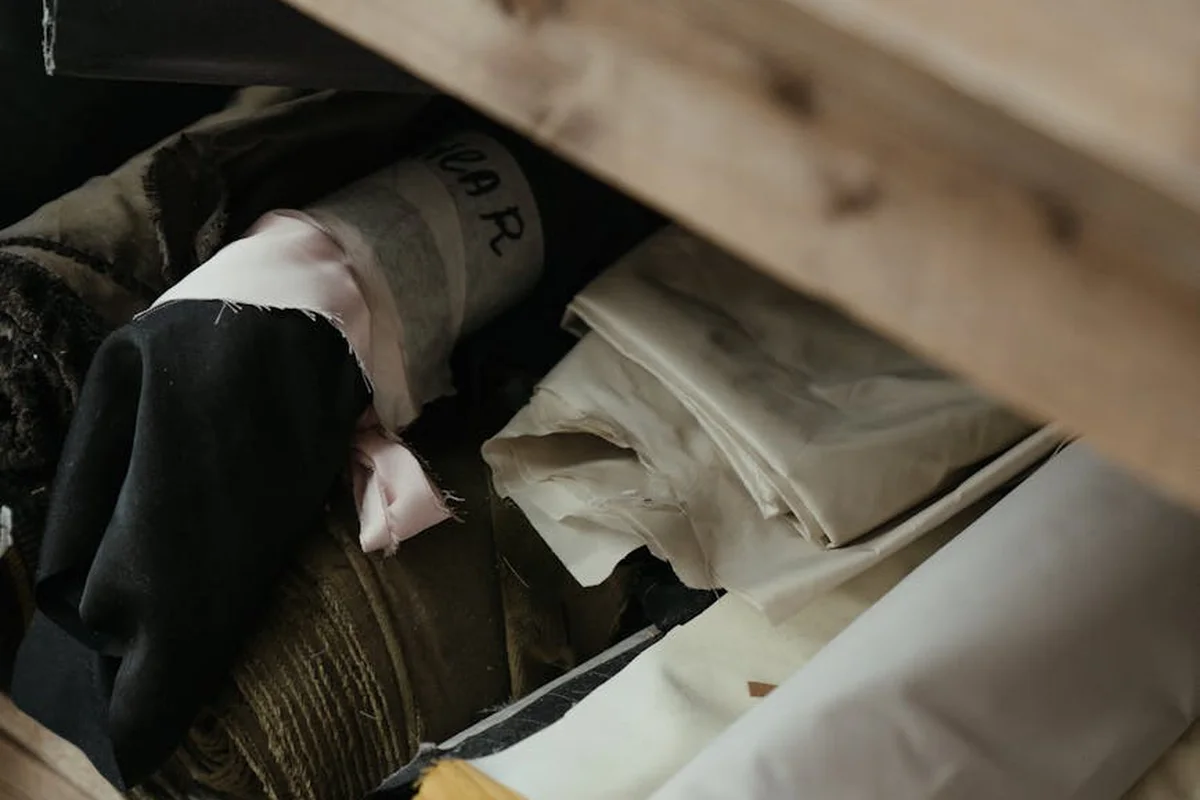
Not everything that feels natural is a pure plant or animal fiber. Some fabrics are clever impersonators, often lumped in with cotton or silk on feeling alone. Knowing them saves your clothes from a laundry mishap.
The “Cool-to-Touch” Plant-Based Fibers: Rayon, Modal, Lyocell
These fibers start as wood pulp. They are technically “regenerated cellulose,” not a synthetic plastic like polyester. I find they often get mislabeled as “pure cotton” in fast-fashion descriptions because they share a similar source. They feel wonderfully cool, soft, and have a fluid drape that cotton sometimes lacks.
Their burn test tells the true story: they behave almost identically to cotton or linen, burning quickly with a yellow flame and leaving a fine, gray ash, but often with a slight papery smell. The critical difference is in their care. While cotton is a durable workhorse, these fibers are far more delicate when wet.
They have much higher water absorption, which makes the fibers swell and become weak. I’ve seen modal shirts permanently stretch out of shape just from the weight of being wet. They also shrink more predictably than cotton, often between 5-10% in the first warm wash.
- Care Protocol: Treat them like you would delicate silk. Hand wash or use a delicate machine cycle in cold water only. Never wring or twist; instead, roll the garment in a towel to press out moisture. Lay flat to dry. Iron on a low setting while slightly damp.
- Dye Note: They dye beautifully and readily with the same fiber-reactive dyes used for cotton, but the color can appear more vibrant due to the fiber’s high sheen and absorbency.
How to Spot a Fabric Blend
Blends are everywhere, combining fibers to get the best of both worlds-like cotton for breathability with polyester for wrinkle resistance. The burn test is your best tool here, but the results are mixed.
You’ll get a combination of signals. For a common 60% cotton / 40% polyester blend, you’ll see the orange-yellow flame and smell of burning paper from the cotton, but it will also produce black smoke and leave a hard, melted bead from the polyester. The ash will be a mix of gray powder and the fused plastic bead.
As a general rule, let the dominant fiber (the one listed first on the label) guide your primary care strategy, but you must accommodate the needs of the most delicate fiber in the mix. For example, a wool-blend coat with 10% nylon for strength should be cared for as wool, but the nylon means it may be slightly less prone to felting.
A Quick Word on Common Synthetics: Polyester and Nylon
While not natural, they are ubiquitous. In a burn test, they melt and shrink away from the flame. They produce black smoke and a pungent, chemical smell. The residue is a hard, dark, melted plastic bead that feels smooth between your fingers.
Their care is mechanically simple-they are very durable and resistant to shrinkage-but they come with trade-offs. They lack breathability, which can make them feel clammy, and they are prone to holding onto oil-based stains and body odors. Washing in warm water (up to 40°C or 104°F) with a detergent designed for synthetic athletic wear helps break down oils. Avoid high heat in the dryer, as it can set wrinkles and, over time, weaken the fibers.
Your First and Last Resort: The Fabric Label
All these tests are for verification and problem-solving. The care label sewn into the seam is your most reliable guide. It is a legal requirement in most countries. If my burn test results completely contradict the label, I trust the label first and consider that my test sample might have been from a non-representative thread. Use these physical tests when there is no label, when you suspect a label is incorrect, or when you need to understand *why* a specific care instruction is given. This knowledge turns laundry from a chore into a practice of preservation.
Learn by Touch and Test
The single most important skill is to trust your senses before you trust a label. Start by feeling the fabric’s weight and texture, then perform a simple burn test on a hidden thread to confirm its nature.
Understanding a fabric’s true identity is the first step toward caring for it properly, which makes your clothes last for years. I encourage you to stay curious about how fibers behave-this knowledge turns laundry from a chore into a simple act of preservation.
Relevant Resources for Further Exploration
- Ways to Tell if Your Fabric is 100% Cotton
- r/sewing on Reddit: Where can you get good 100% natural fiber fabric online?
- Natural Fabrics. Design Your Own Natural Fibres Online
- How to Identify 100% Organic Cotton Fabric?
Florian Ventura
Florian is a high fashion blog writer, fashion and fabric expert and a keen expert in fabric, clothing and materials. She has worked in large textile and fashion houses for over 10+ years, engineering and working with various fabric types and blends. She is an expert when it comes to questions on any and all kinds of fabrics like linen, cotton, silk, jute and many more. She has also traveled around the world studying traditional fabrics and aims to bring them into the modern fashion use.