
How Do You Stretch Cotton, Wool, Silk, Polyester, Nylon, and Blended Fabrics?
That sinking feeling when a favorite piece fits too tightly is all too common. I can tell you from the lab that with the right approach, you can often gently stretch fibers back to a comfortable fit.
This article will walk you through the fundamental science behind fiber stretch, tailored step-by-step methods for cotton, wool, silk, polyester, and nylon, and smart strategies for handling blended fabrics.
The Fiber Science of Stretch: Why Fabrics Shrink and How to Reverse It
To stretch fabric intelligently, you need to know what you’re working against: shrinkage. There are two main types. Mechanical stretching deals with the yarns and weave. Think of it as gently persuading the threads to move apart after they’ve been crammed together by a hot dryer.
Fiber relaxation is about the molecules inside each fiber. Heat, moisture, and agitation can cause these molecules to curl up and bond tightly. Stretching in this case means using those same forces-carefully-to relax and lengthen them again.
Your main goal is usually to reverse shrinkage, not to create entirely new fabric.
Natural and synthetic fibers behave in opposite ways. Cotton and linen are like sponges. They swell with water, which can tighten the weave, but that swelling also makes them more pliable for reshaping. Wool is a protein spring. Agitation, heat, and water cause its scales to lock together permanently (felting), so you must handle it with calm, cool moisture.
Silk is a delicate, refined spring. High heat damages its proteins, and it can water-spot easily. Your touch must be light. Synthetics like polyester and nylon are plastic. They don’t absorb water, but high heat can melt or permanently crease them. Their stretch comes from their manufactured memory.
How Fibers React to Your Stretching Efforts
- Cotton: Swells with water, becomes malleable. Responds well to damp stretching and mild heat. Can often be returned to near-original dimensions.
- Wool: Felts with agitation, heat, and pH changes. Requires cool water, gentle pressing (never rubbing), and flat reshaping. You are relaxing the fibers, not pulling them.
- Silk: Damaged by high heat and harsh chemicals. Use a fine mist of water and gentle tension. Test for water marks first.
- Polyester/Nylon: Heat-set during manufacturing. A warm (not hot) steam can help relax minor shrinkage. Direct, high heat from an iron will melt or glaze the surface.
Your Pre-Stretch Checklist: Assessing Risk and Gathering Tools
Never start stretching blindly. These five minutes of prep save hours of regret. First, read the care label. This is your first clue about fiber content and the manufacturer’s warnings. A “dry clean only” tag, especially on silk or wool, is a serious warning, not a suggestion.
Your toolkit is simple: clean white towels, a spray bottle with cool water, a drop of gentle detergent, fabric conditioner (for cottons), rust-proof T-pins or blocking pins, and a large, sturdy flat surface you can pin into (like a blocking board or a clean carpet covered with a towel).
Now, do the hidden test. Find an inside seam or hem. Dampen a small spot with your spray bottle and blot with a white towel. Check for color transfer. Let it dry. Does the fabric’s hand or color change? This tells you if the dye runs and how the fiber reacts to moisture. It’s a crucial step in any fabric colorfastness test to prevent surprises later.
Set your expectations. You can likely regain an inch lost to washer shrinkage. You cannot turn a size small into a size large. Fabric has a memory and a limit. For blends, like a 60% cotton/40% polyester tee, identify the dominant fiber. Here, cotton rules, so use cool water and gentle methods suited to cotton, knowing the polyester provides some stability and heat resistance. This is unlike silk or synthetic blends that can be more delicate and prone to uneven shrinkage.
The Crucial First Step: The Seam Test
- Mix a teaspoon of gentle detergent in your spray bottle with cool water.
- Locate an inside seam, facing, or hem allowance.
- Spray a coin-sized area lightly and blot immediately with a white paper towel.
- Check the towel for dye. Then, let the fabric spot air-dry completely.
- Examine the dried spot. Is it stiff, puckered, or a different color? If yes, proceed with extreme caution or reconsider stretching.
How to Stretch and Soften Cotton Fabric

So, how do you stretch cotton? You need water, gentle tension, and a little patience. Cotton fibers are hollow plant strands that swell and soften when wet. This swelling temporarily relaxes the bonds between yarns, letting you reposition them. The process also answers how to soften stiff cotton fabric, as the water and a softening agent relax the fibers.
Step-by-Step Care & Handling Protocol for Cotton:
- Fully saturate the garment in lukewarm water mixed with a capful of hair conditioner or fabric softener.
- Gently squeeze out excess water (do not wring). Lay flat on a towel.
- Slowly and evenly pull the fabric to the desired dimensions, using your hands. For precise shaping, pin the edges to a towel-covered board.
- Allow it to air dry completely. The conditioner helps lubricate fibers, reducing stiffness.
Handling Pro-Tip: For woven cotton (like denim or canvas), focus on consistent, even tension across the grain. For knits, support the whole garment shape as you stretch to prevent misshaping a sleeve or neckline.
How to Stretch Wool Fabric Carefully
Wool is a protein fiber covered in microscopic scales. It felts and shrinks permanently if agitated while wet. Gentle, controlled wet blocking is your only safe method for stretching. Think of it not as pulling, but as coaxing the fabric back into shape. Unlike mechanical wool fabric production techniques, this method relies on care and precision.
The key is to relax the wool’s natural springy coil without triggering the scales to lock together.
- Submerge the garment in cool water with a teaspoon of wool wash or hair conditioner. Soak for 20 minutes until fully saturated.
- Press water out gently between towels. Never twist or rub.
- Lay the garment flat on a dry towel or blocking mat. Gently pat and pull it to the desired measurements and shape.
- Use rust-proof pins to hold the edges in place if needed. Let it air dry fully, which may take a day or two.
Handling Pro-Tip: Always source wool from suppliers committed to humane animal welfare practices. For a shrunken wool sweater, this method can sometimes recover an inch or two, but severe felting is often irreversible.
How to Stretch Silk Fabric
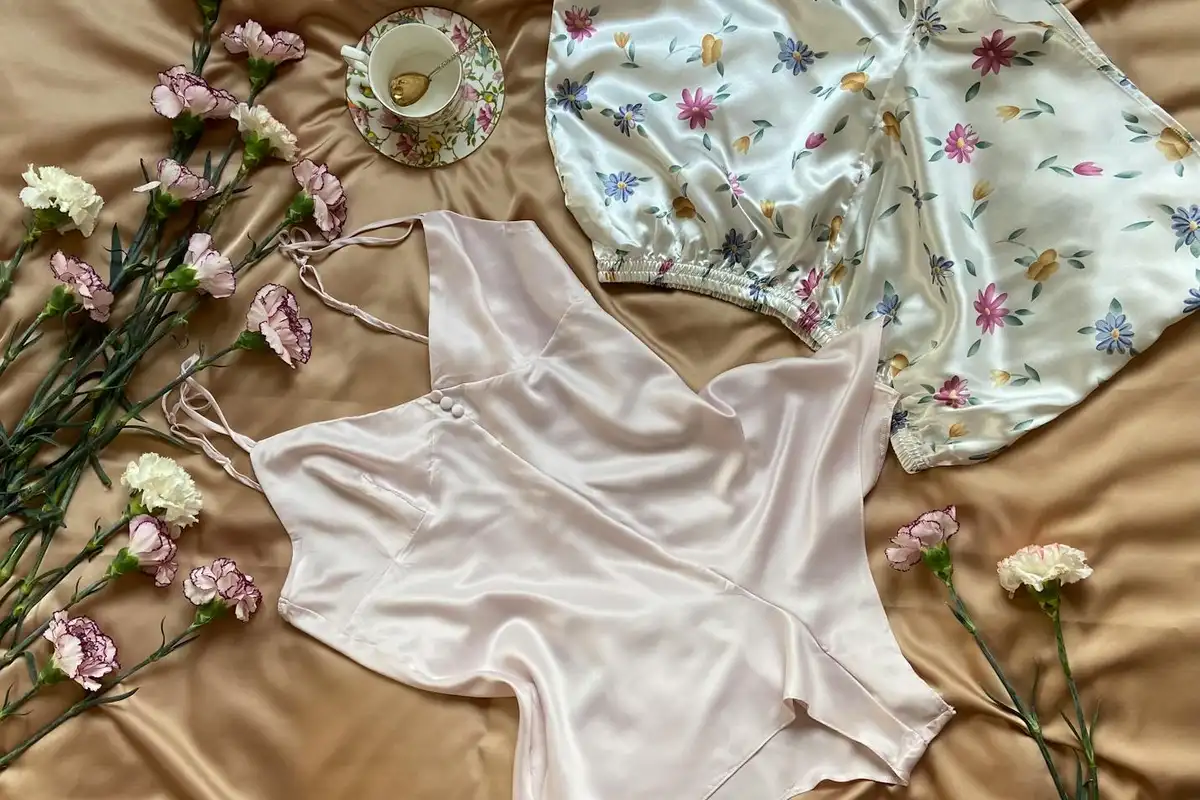
Silk is incredibly strong but delicate. Its smooth filaments have little “give,” and the fabric can water spot or lose its luster if handled roughly. You must be supremely gentle. I treat silk like a precious document.
- Use only cool, distilled water to prevent mineral spots. Add a drop of gentle silk wash.
- Swirl the item briefly, then soak for no more than 5 minutes. Never leave silk bunched up wet.
- Roll it in a towel to blot moisture. Lay it flat on a fresh, dry towel.
- With light, open-handed presses, ease the fabric into shape. Avoid hard pulling on threads.
- Let it dry away from direct heat or sun.
Silk has very low elasticity, so manage your expectations; you might gain a half-inch, not several. For silk blends, follow the care instructions for the most delicate fiber in the mix from silk fabrics types, properties, and care.
How to Stretch Polyester and Nylon Fabric
Polyester and nylon are synthetic polymers, essentially plastic fibers. They don’t absorb water like natural fibers and have a high “memory”-they want to return to their original heat-set shape. This makes permanent stretching difficult, but you can temporarily relax them with heat.
Warning: Use extreme caution. Too much heat will melt or glaze the fabric.
- Hang the garment and use a handheld steamer, keeping it moving constantly 6-8 inches from the fabric.
- As you steam, gently pull the area you want to relax. The heat temporarily allows the polymer chains to slide.
- Hold the stretch until the fabric cools completely. This “resets” the fibers in the new position.
This is a temporary fix for comfort. The fibers will often contract again with body heat or the next wash. For a permanent change, the fabric must be re-cut and sewn.
How to Stretch Blended Fabrics
Blends behave like the dominant fiber. Your first step is always to check the label. A 60% cotton/40% polyester shirt will act more like cotton but with less shrinkage. A 70% wool/30% nylon sock blend is more durable but must be treated like wool to avoid felting.
Your rule for blends: identify the most delicate or dominant natural fiber in the mix and use its stretching protocol. Always test your method on a seam allowance or hidden area first. The synthetic component often limits how much a blend will stretch or soften compared to a 100% natural fabric.
How to Stretch Wool and Silk: Gentle Care for Protein Fibers
Wool and silk are not just fabrics. They are protein-based fibers, much like our own hair. This shared biology is why they respond best to gentle, non-aggressive stretching methods. Treating them with care honors the material and the animal it came from, helping you preserve and extend the life of your existing garments.
Let’s answer the common questions directly. How do you stretch wool? You gently coax it back to shape while it is damp, using the fiber’s natural flexibility. How do you stretch silk? You handle it with extreme caution when wet, applying light tension to reshape it without damaging the delicate fibers.
Step-by-Step Care & Handling Protocol for Wool
Wool fibers are springy. They have a natural crimp that gives the fabric loft and memory. When wool shrinks, those springs get tangled and matted. Your goal is to relax them, not fight them.
- Prepare a lukewarm bath. Fill a clean basin or sink with cool to lukewarm water-never hot. Hot water causes felting, which is permanent shrinkage. Add a capful of a专用 wool wash or a gentle, pH-neutral baby shampoo. Agitate with your hand to create suds.
- Soak and soothe. Submerge the wool garment fully. Let it soak for 15 to 20 minutes. This allows the fibers to relax. Gently press the water through the fabric, but do not rub, twist, or agitate. Rubbing is what causes felting.
- Remove water with care. Lift the garment out, supporting its weight with both hands. Never lift a heavy, waterlogged sweater by one shoulder. Lay it flat on a clean, thick towel. Roll the towel up from one end, pressing gently to blot out excess moisture.
- Shape and dry flat. Transfer the damp wool to a fresh, dry towel or a mesh drying rack. Gently stretch it back to its original dimensions. Smooth out the creases and seams. You must reshape it periodically as it dries to stop the fiber memory from locking in a smaller size.
The key with wool is patience; let the damp fibers relax into the shape you want as they dry.
Step-by-Step Care & Handling Protocol for Silk
Silk is a continuous protein filament, incredibly strong when dry but surprisingly weak when wet. It has little natural stretch, so you are carefully easing the weave or knit back into place.
- Use only cool water. Fill a basin with cool water and a detergent made for silk or a very mild shampoo. Harsh detergents and warm water can strip silk’s natural sericin coating, making it dull and brittle.
- Soak briefly and handle with support. Submerge the silk item for just 5 to 10 minutes. Swish it gently. When handling wet silk, always support the entire piece. The weight of the water can stretch and tear the fibers if you hold only one section.
- Blot, never wring. Laying the wet silk flat on a towel is safest. Roll the towel to blot out water. Once it’s just damp, you can apply gentle, even tension with your hands to adjust the shape of the fabric.
- Air dry with no heat. Lay the silk flat to dry, away from direct sunlight or heaters. Heat damages silk proteins, causing yellowing and weakening the fiber. A breezy, shaded room is perfect.
Think of wet silk like a delicate web; you must support its entire structure to reshape it without damage.
Here is a crucial pro-tip for both fibers. Always handle wet wool and silk with full support. Cradling a heavy, waterlogged sweater in your arms prevents the shoulders from stretching out of shape. For a silk blouse, lay it flat in the basin to move it, never pull it out by one sleeve. This simple habit prevents most permanent stretching disasters.
How to Stretch and Soften Polyester and Nylon Fabric
Polyester and nylon are engineered to hold their shape. They resist stretching in a way natural fibers do not. Think of them like a tightly coiled phone cord; they have a strong memory and want to snap back. To get a little extra give, you need to gently relax that fiber memory, and the safest tool for that is careful, controlled heat.
How Do You Stretch Polyester?
You stretch polyester by using moisture and low heat to relax the polymer chains. The goal is to soften the fabric just enough to coax it into a new position before it cools and sets again. Direct, high heat is your enemy here, as it can scorch or melt the fibers permanently. I always start with the gentlest method: using the natural tension of your body on a damp garment.
How Do You Stretch Nylon?
Stretching nylon follows the same principle as polyester, but you must be even more cautious with heat. Nylon has a lower melting point. A common question I get is, can you soften polyester fabric that feels stiff or crunchy? Absolutely. That stiffness is often from finishes or from the fibers being “locked” in a certain shape; gentle steaming and wearing can soften the hand dramatically.
Here is a crucial warning: high heat will damage these fabrics. Polyester can scorch, leaving shiny, brittle patches. Nylon can actually melt. I never apply an iron directly. A pressing cloth is non-negotiable.
Step-by-Step Care & Handling Protocol for Polyester/Nylon
- Dampen the garment evenly. Use a spray bottle with cool water or run it through a quick, cool machine wash and spin cycle. You want it uniformly damp, not soaking wet.
- Gently stretch it to the desired fit while damp. Put the garment on your body or place it over a dress form. Move around slightly to let the fabric relax into the new, slightly larger shape. For flat items, gently pull evenly from all sides.
- For targeted stretching, use a steam iron on its lowest setting. Place a thick cotton pressing cloth between the iron and the fabric. Hold the iron about an inch above the area, blast it with steam, and then use your hands to gently pull the fabric. Apply the heat and steam, then stretch; don’t iron and stretch at the same time.
- Let it cool and dry completely in the new shape. Leave it on the form or lay it flat to dry. As it cools, the polymers “set” in their new, slightly expanded arrangement. This step is what makes the change last.
Handling Pro-Tip: Fabrics with Spandex
Many activewear pieces are polyester or nylon blended with spandex for stretch. If the spandex feels over-tightened, you can sometimes relax it. A short tumble in the dryer on a low, gentle heat cycle can help loosen spandex fibers that have become constricted. It mimics the effect of body heat and movement. Always check the care label first, and remove the item while still slightly warm to smooth it into shape.
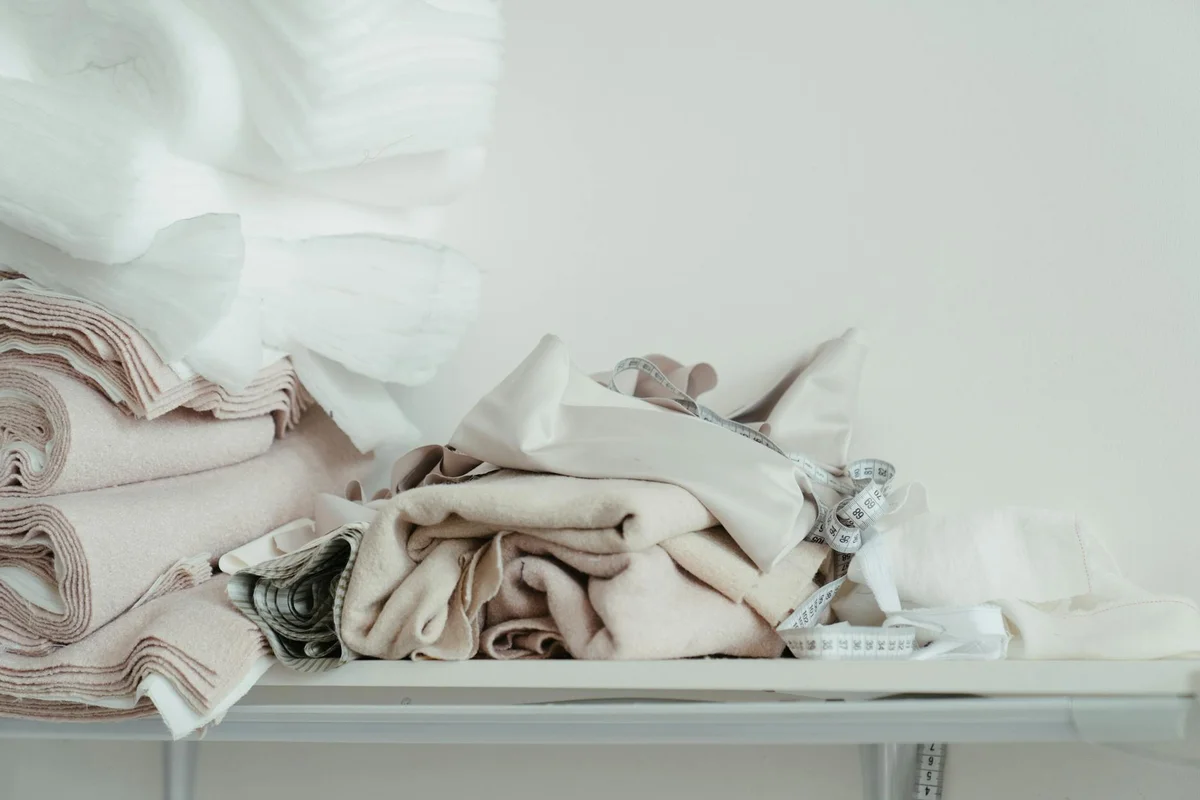
Material Data Table: Stretch Factors and Care Limits
| Fabric | Breathability | Shrinkage Rate | Heat Tolerance | Stretch Factor (Ease of Reshaping) |
|---|---|---|---|---|
| Cotton | High | High (if not pre-shrunk) | Medium (Iron on med-high) | High – responds well to wet stretching. |
| Wool | High | Very High (felts with agitation/heat) | Low (Iron on low with steam) | Medium – can be blocked back to shape if not felted. |
| Silk | Medium | Low to Medium | Low (Iron on low, no steam) | Low – delicate, handle with extreme care. |
| Polyester | Low | Very Low | High (but can melt/scorch) | Low to Medium – requires heat assistance. |
| Nylon | Low | Very Low | Medium (melts easily) | Low to Medium – similar to polyester. |
| Common Blend (e.g., 60/40 Cotton-Poly) | Medium | Medium (follows dominant fiber) | Medium (limit to lowest fiber tolerance) | Variable – treat for the most delicate fiber in the blend. |
The table gives you the blueprint. Now let’s get our hands on the fabric. Stretching a garment is about coaxing its fibers back into alignment. It is not magic, it’s mechanics. Your success depends entirely on respecting the limits in that right-hand column.
How to Stretch Cotton
Cotton is a plant fiber. Its molecules form long, flexible chains that love water. When cotton gets wet, the fibers swell and relax. This makes them much more pliable.
To stretch a cotton item, you must work with it while it is thoroughly damp, not just slightly moist.
I start with a cotton t-shirt or pair of jeans that has shrunk a bit in the dryer. First, I never use hot water for this. I soak the item in cool to lukewarm water for about 15 minutes. You can add a capful of gentle hair conditioner to the water. This acts as a softener, lubricating the fibers to help them slide more easily.
- After soaking, gently press out excess water. Do not wring or twist.
- Lay the item on a clean, dry towel. Roll it up and press to absorb more moisture. You want it damp, not dripping.
- Now, lay it flat on another dry towel or a blocking mat. Gently pull and shape it to the dimensions you need. For sleeves or legs, I slowly pull lengthwise. For the body, I tug widthwise and lengthwise.
- Use rust-proof pins or weights to hold the new shape in place as it dries completely. Air dry only, no heat.
This method often recovers 5-10% of lost size. It works because you are manually realigning the relaxed, wet fibers and fixing them in a new position as they dry.
How to Stretch Wool (Without Felting It)
Wool is protein fiber from sheep, and its behavior is unique. Each wool fiber is covered in microscopic scales. Agitation, heat, and sudden temperature changes make those scales lock together. That is felting and shrinking, and it is permanent shrinkage. Your goal is the opposite: gentle coaxing.
The golden rule for stretching wool is to avoid agitation and use lukewarm water, never hot or cold.
I use a technique called blocking, which is common in knitting. You are not forcefully stretching. You are re-forming. Fill a basin with lukewarm water and a teaspoon of wool-specific detergent or hair conditioner. Submerge the garment and let it soak for up to 30 minutes, pressing gently to saturate. Never scrub or swish, especially when dealing with delicate rib-knit cuffs.
- Drain the water and press the garment against the side of the basin to remove water. Rinse in water of the same lukewarm temperature if needed.
- Roll in a towel to absorb moisture. The garment should feel heavy and damp.
- Lay it flat on a dry towel or blocking mats. Now, using your hands, gently pat and smooth it back to its original shape and size. You can gently tug areas that have shrunk. Think of easing a spring back into place, not yanking it.
- Leave it to air dry completely. This can take a day or two.
For a shrunken wool sweater, this can work wonders. But if the wool has already felted (it will feel thick, stiff, and matted), the fibers have permanently bonded. No amount of stretching will reverse true felting.
How to Stretch Silk
Silk is a delicate, continuous protein filament. It has great tensile strength but poor resistance to abrasion and can be damaged by force. You have very little margin for error.
Handle wet silk with extreme care, as its strength reduces by up to 20% when saturated.
I only attempt to stretch silk if the weave is sturdy, like a habotai scarf that has tightened up. For fragile silks like chiffon or charmeuse, I do not recommend it. The risk of tearing or distorting the weave is too high.
- Prepare a basin of cool water with a drop of mild, pH-neutral soap.
- Submerge the silk item briefly, just until wet. Do not soak for a long time.
- Press water out between towels. Never wring.
- Lay the silk flat on a dry, color-fast towel. Gently, using the palms of your hands, smooth and pat the fabric outward from the center. Apply minimal tension.
- Pin it in place if necessary, using many pins to distribute any pull along the fabric’s edge. Let it air dry away from direct sun.
The goal here is subtle reshaping, not aggressive resizing. You might gain back a centimeter or smooth out wrinkles, but you cannot make a silk blouse a full size larger.
How to Stretch Polyester and Nylon
These synthetic fibers are fundamentally different. They are thermoplastic. This means heat softens them, and coolness resets their shape. They do not absorb water like cotton, so wet stretching alone does little. You need controlled heat.
To reshape polyester or nylon, you must carefully apply heat to relax the polymer chains, then set the new shape as it cools.
My method involves an iron and extreme caution. Always test on a seam allowance first. For a shrunken polyester blouse or nylon jacket, try this.
- Dampen the area you want to stretch with a spray bottle. Use plain water or a mix of water and a fabric softener.
- Set your iron to a low or medium heat. No steam. Polyester melts around 430°F (221°C), and nylon melts even lower, so err on the side of cooler.
- Place a pressing cloth over the damp fabric. With one hand holding the iron, use your other hand to gently pull the fabric taut in the direction you need more length or width.
- Apply the iron over the pressing cloth for just 5-10 seconds, keeping the tension with your other hand.
- Lift the iron, hold the stretch for a few more seconds as the fabric cools, then release. Check your progress and repeat small sections at a time.
This is a slow, spot-treatment process. It works for a tight sleeve or a hem that has shrunk. It will not resize an entire garment evenly.
How to Stretch Blended Fabrics (Cotton-Polyester Example)
A 60% cotton, 40% polyester blend is a puzzle. The cotton wants water and gentle pulling. The polyester wants heat. If you use high heat, you risk damaging the cotton and setting the polyester. If you only use water, the polyester fibers won’t cooperate.
When stretching a blend, your process must accommodate the most delicate fiber’s needs. In this case, treat it like the cotton, but with a minor heat assist at the end if needed.
- Follow the wet stretching method for cotton: soak in lukewarm water, condition, towel-dry, and lay flat to shape.
- After you have pinned or shaped it, you can use a hairdryer on a low, warm setting to gently waft air over it. This provides mild heat to help relax the polyester component while the cotton is damp.
- Let it finish drying completely at room temperature. The result will be a compromise, influenced more by the dominant cotton fiber.
For a wool-acrylic blend, you would treat it like the more delicate wool to prevent felting. Always let the fiber with the lowest tolerance for heat, agitation, or chemicals dictate your approach.
Aftercare: How to Keep Your Reshaped Fabrics from Shrinking Again
You’ve carefully stretched your garment back to size. Now, the real work begins: keeping it that way. Proper aftercare is what locks in your success.
The golden rule for all freshly reshaped fabrics is to treat heat and mechanical agitation as your enemies. I always wash these items separately from my regular laundry for the first few cycles to give them dedicated, gentle care.
Washing to Preserve the New Size
My standard protocol for maintaining a stretched garment is simple and consistent.
- Use cool or cold water, ideally at 30°C (86°F) or lower. Heat relaxes fibers and can trigger more shrinkage, reversing all your hard work.
- Always select the gentlest cycle on your machine-often called “hand wash,” “delicates,” or “wool.” This minimizes the pulling and twisting that can distort fabric.
- Choose a mild, neutral pH detergent. Harsh detergents or bleaches can weaken fibers and affect their dimensional stability.
For wool or silk you’ve reshaped, I sometimes skip the machine entirely for the first wash. A brief, gentle swish in a basin of cool water with detergent is the safest bet.
Drying: The Most Critical Step
How you dry the garment is even more important than how you wash it. The wrong method here will undo everything.
Air dry flat is the only method I trust for knits, wool, silk, and any delicate or reshaped item. Lay the garment on a clean, dry towel on a flat surface, like a mesh rack or table. Gently reshape it to its dimensions as it lies. This prevents gravity from pulling it out of shape as it would on a line.
For sturdy, woven cottons or robust synthetics like polyester and nylon, you can consider a tumble dryer-but with extreme caution. Only use the lowest heat setting or an air-only (no heat) cycle, and remove the item while it is still slightly damp to finish air-drying flat. Never use high heat; it’s the fastest way to shock fibers back into a shrunken state.
Managing Softness and Stiffness
After wetting and reshaping, fabrics like cotton can feel stiff or rough. You might be searching for “how to make a fabric soft” again.
Fabric softeners and dryer sheets coat fibers in a lubricating film. While they can add softness, this coating can also reduce absorbency and, in some cases, trap odors. For towels or athletic wear, I avoid them.
My preferred method for restoring softness naturally is a white vinegar rinse. Add 1/2 cup of plain white vinegar to the rinse cycle. It helps neutralize detergent residues that cause stiffness without leaving a chemical coating. The vinegar smell completely dissipates as the fabric dries. It’s a gentle way to soften stiff fabrics. This naturally connects to the broader topic of softening stiff fabrics in everyday laundry.
The Final Pro-Tip: Smart Storage
Your care doesn’t end when the garment is dry. Storage plays a long-term role.
Store your reshaped pieces folded neatly on a shelf, not on a hanger. Over time, the constant pull of gravity on a hanger can cause delicate shoulders and knits to slowly stretch and distort. Folding supports the entire garment evenly, preserving the shape you worked so hard to restore.
Final Thoughts on Restoring Fit
When a garment feels too snug, your success hinges entirely on matching your method to the fiber’s core properties. Your first and most important step is always to read the label and identify the fabric’s composition before you try any stretching technique. Treating a springy wool knit like a plastic-based polyester will lead to disappointment or damage. For context, linen stretches differently than cotton, wool, or polyester. A quick comparison of linen with these fibers can guide your next steps.
Caring for your clothes well extends their life and reduces waste, which is a quiet but powerful form of environmental action. I encourage you to keep learning about fabric science-each time you successfully wash, mend, or reshape a piece, you build a deeper, more practical relationship with the materials you wear every day.
Citations and Authoritative Sources
- How to Stretch Clothes: Easy, Expert-Approved Methods
- r/lifehacks on Reddit: Any methods to stretch out clothing?
- The Why and How of Stretch Fabrics – Refiber Designs
Written by Florian Ventura. Florian is a high fashion blog writer, fashion and fabric expert and a keen expert in fabric, clothing and materials. She has worked in large textile and fashion houses for over 10+ years, engineering and working with various fabric types and blends. She is an expert when it comes to questions on any and all kinds of fabrics like linen, cotton, silk, jute and many more. She has also traveled around the world studying traditional fabrics and aims to bring them into the modern fashion use.