
Is Linen Warm in Winter? A Textile Scientist’s Verdict
If you think of linen as a purely summer fabric, you’re not alone. Let me reassure you: its talents extend far beyond keeping you cool.
We’ll examine the fabric science that allows linen to adapt, covering its unique fiber structure and weave, the thermodynamics of breathability, and practical advice for layering and year-round care.
The Linen Spec Sheet: Your Quick Fabric Facts
Think of this as your cheat sheet for what linen is and how it behaves. I work from numbers like these every day in the lab.
| Property | Rating / Note |
|---|---|
| Breathability | High |
| Shrinkage Rate | Medium (3-5% on first wash) |
| Heat Tolerance | Very High |
| Stretch Factor | Very Low |
| Moisture Wicking | Excellent |
| Insulation Ability | Low (but creates a dry microclimate) |
Let’s translate those specs into what you’ll feel and see. The high breathability and excellent wicking are why a linen shirt feels cool against your skin on a humid day. That 3-5% shrinkage is typical for a warm machine wash and tumble dry; I always pre-wash linen yardage before cutting a pattern. The very low stretch means linen holds a crisp shape but can wrinkle easily, which is part of its charm.
Its very high heat tolerance is why you can iron linen with a hot steam iron and why it accepts fiber-reactive dyes so beautifully. Notice I rated its insulation ability as low-linen itself isn’t fluffy like wool. Its winter magic comes from that “dry microclimate” it creates, which we’ll explore next.
Why Linen Breathes: The Science of a Hollow Fiber
The secret is in the structure. Under a microscope, fibers from the flax plant look like a bundle of tiny, polished drinking straws. Each one is hollow.
This hollow core is a superhighway for moisture. When you sweat, the linen fabric pulls that moisture along the fibers and into those hollow centers. From there, it quickly spreads across the fabric’s surface to evaporate. This wicking action is faster than cotton, which has a more convoluted, kidney-bean shaped fiber, and lightyears faster than standard polyester, which tends to hold moisture against the skin.
Those hollow tubes also let air move through freely. It’s this constant, subtle circulation of air and efficient management of moisture that creates the signature linen feel. In summer, the rapid evaporation of your sweat pulls heat away from your body, giving you that cooling sensation.
In winter, the same principle keeps you comfortable. The fabric’s job isn’t to trap heat, but to keep you dry by moving perspiration away before it can chill you. Damp skin in cold air gets cold fast; linen helps prevent that dampness from starting. It’s why a linen blend or a linen layer under wool can feel so good-you get dryness from the linen and warmth from the wool.
Are Linen Sheets Cooler Than Cotton? A Bedside Comparison
You are not imagining it. Linen is cooler than cotton, especially for sleep. The difference lies in the fibers themselves. Think of a linen fiber as a long, hollow tube. A cotton fiber is more like a twisted ribbon. That hollow structure in linen creates tiny air channels, allowing heat to escape and air to circulate freely. For hot sleepers, this difference matters when choosing between linen and cotton bedding. It’s a key factor in the linen vs cotton bedding comparison.
For hot sleepers, this breathability is linen’s superpower, making it the better choice for staying cool.
Let’s put them side-by-side. Cotton is a champion of moisture absorption. It soaks up sweat quickly, which can feel cool at first. But it also holds that moisture against your skin. Linen absorbs moisture just as fast, but it releases it back into the air much quicker. It dries fast, so you don’t get that damp, clammy feeling in the middle of the night.
The feel of each fabric tells a different story. New, high-quality linen has a distinctive dry, textured, and crisp hand. It’s substantial. Percale cotton, by contrast, starts out smooth and soft. This is where personal preference comes in. Many people adore that crisp, cool initial touch of linen sheets.
With every wash, linen becomes softer and more supple, losing its crispness but gaining a wonderfully broken-in, lived-in feel that gets better with age.
Cotton sheets typically maintain their soft hand but can thin or weaken with aggressive washing over many years.
Are linen duvet covers hot? No, a linen duvet cover is not inherently hot because the fabric is breathable. The heat factor comes from the weight and weave. A very tightly woven, heavy linen will trap more air than a light, open weave. For a duvet cover, I recommend a medium-weight linen. It’s substantial enough to hold your insert but still promotes excellent airflow.
My advice for hot sleepers comes down to two specs: weave and weight. Seek out a plain or loose weave over a very tight one. Ask the manufacturer about the fabric weight, often listed in grams per square meter (GSM). For ultimate coolness, look for linen in the 130-150 GSM range. It will be lightweight and exceptionally breathable. GSM also influences how a fabric drapes and how warm it feels. Higher GSM fabrics tend to drape more and feel warmer. Heavier linens (over 180 GSM) are durable and have a wonderful drape, but they will feel warmer.
Choosing a lighter weight, loosely woven linen is the most effective way to maximize coolness for summer sleeping.
Can Linen Actually Keep You Warm? The Layering Principle
I get this question every autumn: are linen sheets good for winter? The answer isn’t a simple yes or no. It depends entirely on how you use them. Linen sheets won’t provide the same cocooning, insulated warmth as heavyweight flannel or brushed cotton. Their winter superpower is different: they keep you dry, which prevents that deep, clammy chill that can ruin a night’s sleep.
Linen fibers are hollow and highly absorbent, pulling moisture away from your skin much faster than cotton. When you sleep, your body releases moisture. In a less breathable fabric, that moisture gets trapped, making the fabric damp. A damp sheet next to your skin pulls heat from your body rapidly, making you feel cold. Linen’s rapid wicking and evaporation keep the microclimate next to your skin drier, so you avoid that conductive heat loss.
Linen vs. Wool: A Different Kind of Warmth
Let’s be clear. Linen itself is not an insulating fiber like wool. Wool fibers are crimpy and elastic, creating tiny pockets of still air that trap body heat-think of a spring holding its shape. Linen fibers are smooth and straight. Linen doesn’t trap heat; it manages moisture to stop you from losing heat in the first place. This makes it a brilliant partner to insulating layers, not a replacement for them.
Linen as Your Layering Secret
This is where linen shines in cooler weather. Think of it as the perfect base layer or mid-layer fabric. In clothing, a linen shirt under a wool sweater feels fantastic. The linen pulls sweat vapor away from your skin, the wool traps the warmth, and you stay comfortably dry without overheating. For bedding, try linen sheets under a cozy down comforter or a thick wool blanket. The system works together: you get breathable comfort next to your skin and insulating warmth on top.
I often use a heavy linen apron in my cool dye studio for this exact reason. It shields me from splashes but never gets that damp, cold feeling a polyester-cotton blend apron would.
The Warmth of Weave: Handkerchief Linen and Beyond
Not all linen is woven the same, and the weave dramatically affects its warmth. The classic, breezy linen you love in summer is often loosely woven in a plain weave. This allows maximum air flow. When you compare linen with cotton for summer textiles, linen’s breathability often edges out cotton’s softer hand. A quick comparison can help you choose the right fabric for the season. For more warmth, you look for a denser, tighter weave.
- Handkerchief Linen: This is a tightly woven, lightweight plain weave. Its density traps more still air close to your body, providing a bit of insulation while retaining linen’s breathability. It’s ideal for winter blouses or lightweight scarves.
- Twill Weave Linen: A diagonal weave (like denim) is denser and more wind-resistant than plain weave. A linen twill pant or jacket will feel noticeably warmer than its plain-weave counterpart.
- Texture and Loft: Washed, garment-dyed, or brushed linen has more surface texture and fiber loft. This tiny bit of “fuzz” creates more air pockets, adding a subtle insulating layer you don’t get with crisp, new linen.
Remember, a tighter weave will also shrink less dramatically than a loose one-always pre-wash your fabric with the method you plan to use forever. I see 3-5% shrinkage on average for medium-weight linen on a first warm wash.
How to Wash Linen Without Shrinking It Out of Shape
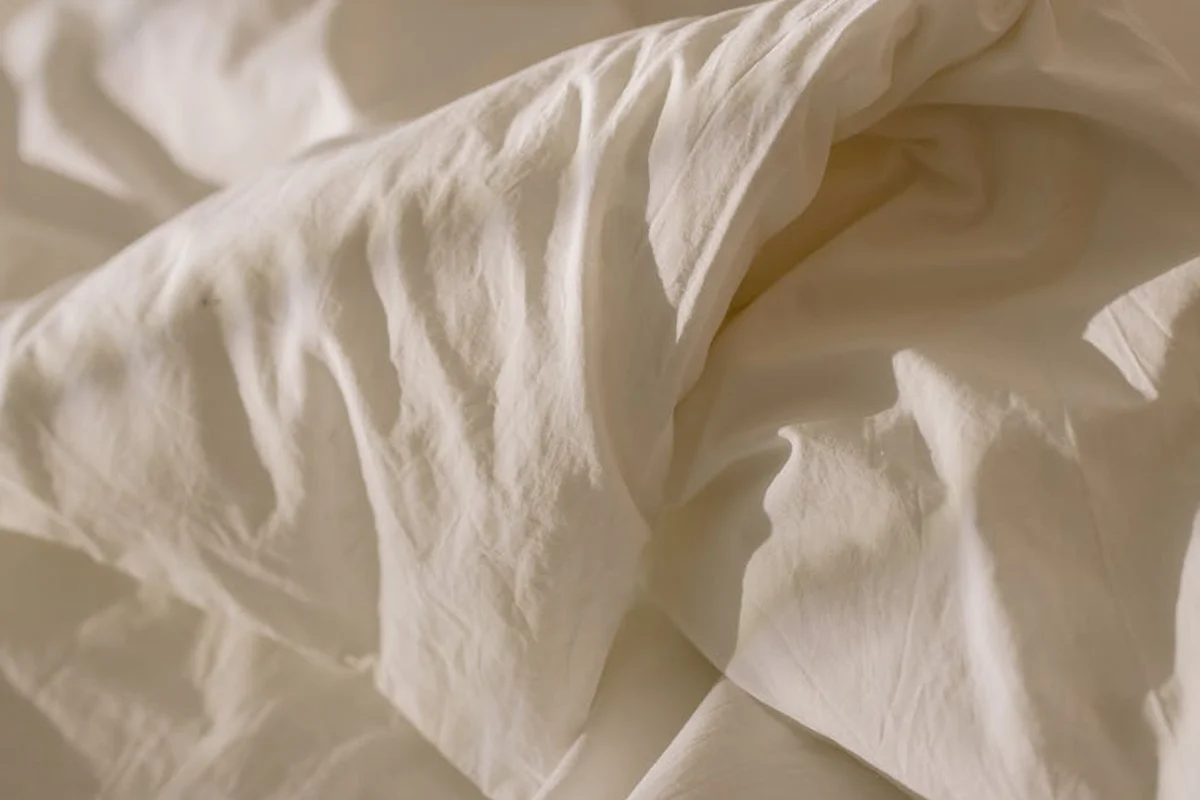
Linen can shrink, but it’s predictable and preventable. The culprits are heat and mechanical agitation. Think of the long flax fibers relaxing and tightening up when shocked with hot water or a rough spin cycle. I treat my linen like a favorite houseplant-it needs a specific routine to thrive.
Follow this protocol, and your linen will keep its size and improve its soft, lived-in texture with every wash.
Step 1: Read the Label, Then Trust the Fiber
Always check the care label first. It might have specific dye or trim considerations. For pure linen, you can usually expect machine washing to be perfectly fine. My rule of thumb? If the label says “dry clean only” but the garment is pure, unlined linen, it’s often for finish preservation, not fiber safety. A gentle hand wash is typically a safe home alternative.
Step 2: Choose the Right Water and Detergent
Water temperature is your main control. I use cool or lukewarm water-never hot. Hot water causes the flax fibers to contract suddenly, locking in shrinkage. A gentle, neutral pH detergent is ideal. Avoid heavy enzymatic or optical brightener detergents for dark or vibrant colors, as they can fade the rich hues linen holds so well.
Cool water keeps the flax fibers relaxed and stable, preventing the thermal shock that leads to permanent shrinkage.
Step 3: Select a Gentle Machine Cycle
Agitation is the second enemy. Choose your machine’s gentle, delicate, or permanent press cycle. These cycles use slower drum speeds and less vigorous movement. If hand washing, avoid vigorous scrubbing. Gently swish and press the water through the fabric instead.
Step 4: Dry with Care and Patience
How you dry linen matters most. Remove it from the washer promptly. Don’t let it sit bunched up, wet. You have two great options:
- Dry Flat: This is my preferred method for sweaters or structured pieces. Reshape the garment on a clean, dry towel or a drying rack. It air-dries without any tension or heat stress.
- Tumble Dry Low: This is convenient and safe. Use the lowest heat setting. Remove the item while it is still slightly damp-this makes ironing easier and prevents over-drying, which can make fibers brittle. High heat is the fastest way to shrink and weaken linen.
High heat in the dryer is the most common cause of dramatic linen shrinkage, as it applies intense, direct thermal stress.
A Note on Pre-Washed Linen
If you buy “stone-washed” or “pre-washed” linen, most of the shrinkage has already been taken care of at the mill. You’ll see minimal further size change, often less than 2-3%. This linen is wonderfully worry-free from the start.
Handling Linen’s Character: Wrinkles, Dyeing, and Ironing
Why does linen wrinkle so much, and should you fight it?
Picture a dried leaf. It’s rigid and holds every crease. A linen fiber acts similarly. It’s a bast fiber, meaning it comes from the sturdy stalk of the flax plant. Unlike the springy coil of wool or the twisted ribbon of cotton, linen’s internal structure is crystalline and has very little natural elasticity.
When you bend or crush it, the fibers can’t spring back. They stay put. That’s the science. In the lab, we measure this as low elastic recovery.
My advice is to stop fighting the wrinkles and start appreciating them as part of the fabric’s honest character. A pristine, unwrinkled linen sheet is often a sign of a synthetic blend or a heavy chemical finish. The relaxed, rumpled look of pure linen is a badge of its natural origin. Embrace it as a textural feature, not a flaw.
How to dye linen at home.
Linen is a plant-based cellulose fiber, just like cotton. This means it has a high affinity for the same dyes. For vibrant, lasting color at home, you’ll want fiber-reactive dyes, such as Procion MX dyes.
These dyes form a covalent chemical bond with the fiber, making them extremely wash-fast. I’ve had linen dyed this way survive hundreds of washes with only slight fading.
The single most important step is to pre-wash your linen fabric thoroughly in hot water with a bit of detergent, with no fabric softener. This removes any manufacturing finishes, waxes, or oils that would block the dye from penetrating the fibers evenly. Skipping this step is the main cause of splotchy, disappointing results.
Your basic dye process will mirror cotton dyeing:
- Use the stovetop or bucket method with very warm water.
- Dissolve the dye powder completely before adding the fabric.
- Add salt to the dye bath to encourage the dye to leave the water and move toward the fabric.
- After about 20 minutes, add soda ash (fixer) to activate the chemical bond.
- Rinse the fabric in cool water until it runs clear, then wash with a mild detergent.
Ironing linen for a crisp finish.
If you desire a smooth, tailored look for a linen shirt or tablecloth, ironing is your friend. The key is moisture and heat. Linen loves steam.
For the best results, iron linen while it is still slightly damp from the wash, or mist it evenly with water just before ironing. Use the hottest iron setting your fabric can tolerate (usually the “linen” or high cotton setting). The combination of heat and steam relaxes the hydrogen bonds in the cellulose, allowing you to smooth out the creases.
For dark colors or delicate weaves, I always use a pressing cloth a plain cotton muslin works perfectly. This protects the linen’s surface from direct heat, preventing a shiny, over-pressed appearance. Move the iron in slow, firm strokes along the grain of the fabric for a professional finish.
Blends and Partners: When Linen Mixes With Other Fibers
Pure linen is a joy, but it has a personality. Its natural stiffness and texture aren’t for every project or every skin. That’s where plant fiber blends come in. We combine fibers to get the best of each, creating a fabric that’s easier to live with from day one.
The two most common partners for linen are cotton and rayon (or its close cousin, viscose). Each blend changes the character of your cloth in significant ways, and understanding linen fabric types and their properties is essential.
Linen and Cotton: The Everyday Classic
A linen-cotton blend is a workhorse. You get linen’s breathability and strength softened by cotton’s familiar, fluffy feel. The cotton fibers fill in the gaps, making the fabric feel softer immediately, without the break-in period pure linen needs. It’s just one of those cotton blends that delivers both comfort and durability.
This immediate comfort comes with a small trade-off: the blend may wick moisture slightly slower than 100% linen. Think of pure linen like a bundle of hollow, structured straws pulling water away quickly. Cotton is more like a sponge—it absorbs well but doesn’t transport moisture as efficiently. In a blend, the cotton can slow down linen’s superb wicking action, but the fabric remains far more breathable than a plain cotton knit (cotton fabric characteristics).
Care is straightforward. Treat a linen-cotton blend much like you would pure linen. Machine wash cool or warm, tumble dry low, and expect some shrinkage (typically 3-5%) on that first wash. I always wash a swatch first to be sure.
Linen and Rayon/Viscose: The Draped Dream
This blend is all about aesthetics and hand-feel. Rayon, made from regenerated cellulose, gives linen something it lacks naturally: fluid drape and a silky, soft hand. A linen-rayon garment will hang beautifully and feel luxuriously soft against the skin right off the rack.
That beautiful drape and softness mean you sacrifice some of linen’s rugged durability and its tolerance for heat. Rayon is a weaker fiber, especially when wet, and it can be damaged by high temperatures. The blend will be more prone to pilling and abrasion over time than pure linen or a linen-cotton mix. Also, rayon can shrink dramatically and unpredictably if washed in hot water.
Caring for this blend requires more caution. You must protect the rayon. Always wash in cold water on a gentle cycle. Do not wring or twist the wet fabric-rayon is fragile when saturated. Lay flat to dry or tumble dry on no heat. Iron on a low synthetic setting while the fabric is still slightly damp. High heat will scorch or melt the rayon fibers.
Caring for Your Blends: A Simple Guide
Your care routine hinges on the blend’s second fiber. Here is my tested method.
- For Linen-Cotton: Machine wash warm (40°C/104°F max). Tumble dry low. Expect moderate, consistent shrinkage initially. You can iron with a hot iron for a crisp finish.
- For Linen-Rayon: Machine wash cold on gentle. Never use hot water. Air dry flat or tumble dry with zero heat. Iron with a cool iron (synthetic setting) on the reverse side while damp.
A final note on dyeing: if you plan to dye a linen blend at home, the result will be a union shade. The linen and the other fiber will absorb the dye differently, creating a nuanced, heathered color. Use a dye suitable for plant fibers (like fiber reactive dye) and follow the instructions for the most delicate fiber in the blend-that means cooler temperatures for rayon blends.
Your Season-by-Season Linen Strategy
The science is clear, but how do you make it work in your closet and home? Here is your practical guide to dressing and living with linen through the heat and the chill.
Summer Coolness Strategy
Summer is where linen truly shines. Its cooling power isn’t just about breathability; it’s a complete moisture-management system. Those hollow flax fibers pull sweat away from your skin and release it into the air incredibly fast. This evaporation creates a genuine cooling sensation on your body.
To maximize this, think about cut and weave. Choose garments with space: loose-weave shirts, wide-leg pants, and breezy dresses. This allows for maximum airflow, creating a personal microclimate of moving air. A tight weave or a constricting cut traps that dampness against your skin, undermining linen’s best feature.
Embrace the inherent, relaxed texture of linen-the wrinkled, lived-in look is a sign you’re letting the fabric work as nature intended. Fighting those wrinkles with constant high-heat ironing is a battle against the fiber’s own structure.
For care, I machine wash my summer linens in cold or lukewarm water and always tumble dry on low or air dry. Expect about 3-5% shrinkage on the first wash if it hasn’t been pre-shrunk. A light steam or iron while slightly damp makes pressing easier if you need a crisper look.
Winter Warmth Strategy
This is where linen’s clever science becomes apparent. That same hollow fiber structure and ability to wick moisture are the keys. In winter, you want linen to work as a buffer layer, not an outer shell. Its job is to keep your skin dry by moving perspiration away from your body, preventing that damp, clammy chill.
My favorite tactic is a classic one: a tucked-in, lightweight linen shirt under a cozy wool sweater. The linen manages your body’s humidity, while the wool provides insulation. You stay warm without feeling sweaty.
For more structured warmth, seek out blends. A linen-cotton blend turtleneck offers better insulation than pure linen while retaining good breathability. For your home, consider flannel-backed linen curtains; they add a layer of air insulation at the window while the linen face looks beautiful year-round.
Remember, linen itself doesn’t generate heat, but by keeping you dry, it allows your insulating layers (like wool or down) to work much more effectively. Always wash these base layers gently in cool water to maintain their fiber integrity.
Year-Round Bedding Strategy
Linen sheets are a revelation for sleep comfort in any climate. They adjust to your body temperature faster than cotton, making them exceptionally versatile. Their unique texture, combined with the properties of cotton-linen slub fabrics, provides enhanced breathability and durability.
For summer, choose a lighter weight linen (often advertised as a lower GSM, like 140-170). This gives you that crisp, cool feel the moment you slip into bed. In winter, opt for a heavier weight linen (over 180 GSM) or simply layer your usual set with warmer blankets. The linen will still wick moisture if you get too warm under the covers.
I find linen bedding gets softer and more comfortable with every wash. Use a mild detergent and avoid fabric softeners, which coat the fibers and reduce their natural moisture-wicking ability. Tumble dry on medium until just dry-over-drying can make them stiff. A quick shake while still warm from the dryer helps soften them beautifully.
This unique, science-backed ability to manage humidity and temperature is what solidifies linen’s role as a true climate-regulating fabric for every season. It’s not magic; it’s smart textile science working for you.
Choosing Your Linen for Year-Round Comfort
Your linen is only as versatile as its weave and weight. For a fabric that works in heat and chill, choose a mid-weight, closely woven piece and always pre-wash it in warm water to finish its natural shrinkage before you cut or sew. This one step stabilizes the fabric and lets its hollow-fiber science work for you.
Treat your natural fibers with respect to extend their life; wash them gently, mend small holes promptly, and choose quality over quantity. Learning how fabrics like wool, silk, or cotton blends behave in different seasons is the best way to build a thoughtful, functional wardrobe.
Sources and Additional Information
- Staying Cozy: How to Wear Linen in Winter | MagicLinen
- Wearing Linen in Winter: 6 Fashion Ideas – Son de Flor
- 4 Tips for Wearing Linen in Winter
- Why Linen Sheets Are Great for Keeping Warm in Winter – Bed Threads
- Can you wear linen in winter? – not PERFECT LINEN
Written by Florian Ventura. Florian is a high fashion blog writer, fashion and fabric expert and a keen expert in fabric, clothing and materials. She has worked in large textile and fashion houses for over 10+ years, engineering and working with various fabric types and blends. She is an expert when it comes to questions on any and all kinds of fabrics like linen, cotton, silk, jute and many more. She has also traveled around the world studying traditional fabrics and aims to bring them into the modern fashion use.