Polyester vs Rayon: Which Fabric Should You Choose?
You’re holding two shirts, one polyester and one rayon, and wondering which will last longer, feel better, and align with your values. I’ve tested these fabrics in the lab and at home, and I can tell you the differences are stark.
In this guide, we will look at durability and strength, breathability and comfort, care and shrinkage, and environmental footprint to give you the clarity you need.
Executive Summary: Your Quick-Reference Guide
Here is a direct comparison to help you decide between these two very different fibers.
Pick Polyester if you need durability, consistent shape, and simple, low-maintenance care.
- Core Strengths: Exceptionally strong and abrasion-resistant. Holds its shape wash after wash with minimal shrinkage. Dries quickly and resists wrinkles. Easy to care for with machine washing.
- Key Weaknesses: Can feel clammy or trap heat; breathability is low. Prone to static electricity and oil-based stains. Has a distinct synthetic “hand” or feel unless finely woven or modified.
- Common Uses: Athletic wear, outerwear, uniforms, children’s clothing, upholstery, curtains, and filling for pillows and insulated jackets.
Pick Rayon if you want beautiful drape, high breathability, and the luxurious feel of a natural fiber without the price of silk.
- Core Strengths: Excellent drape and fluidity. Highly breathable and absorbent, making it cool against the skin. Made from cellulose, so it feels soft and has a beautiful, silky luster.
- Key Weaknesses: Loses strength when wet-it can tear easily if handled roughly in the wash. High risk of shrinkage if not washed properly. Often requires dry cleaning or very gentle hand washing. Can wrinkle easily.
- Common Uses: Flowing dresses, blouses, linings, lingerie, and decorative home furnishings like drapes. It’s often blended with other fibers to improve durability.
Material Data Table: At-a-Glance Specs
| Property | Polyester | Rayon (Viscose) |
|---|---|---|
| Breathability | Low | High |
| Shrinkage Risk | Very Low | High |
| Heat Tolerance (Iron) | Medium-Hot (Up to 148°C/300°F). Use a press cloth. | Cool-Low (Up to 110°C/230°F). Always iron inside out while damp. |
| Stretch Factor | Low inherent stretch, but often knit or blended with elastane for movement. | Very low stretch; woven rayon has little give. |
| Moisture Wicking | Yes. Pulls moisture to the surface to evaporate. | No. It absorbs moisture into the fiber, which can feel heavy when wet. |
| Pilling Tendency | Medium to High, depending on the yarn twist and finish. | Low. The long filament fibers are less likely to break and form pills. |
Remember, these are general fiber behaviors; the specific weave, knit, and fabric finish can significantly change how a material performs. A loosely woven polyester can be more breathable, while a tightly woven, polished rayon can resist shrinkage better.
From Plastic Bottles to Wood Pulp: How They’re Born
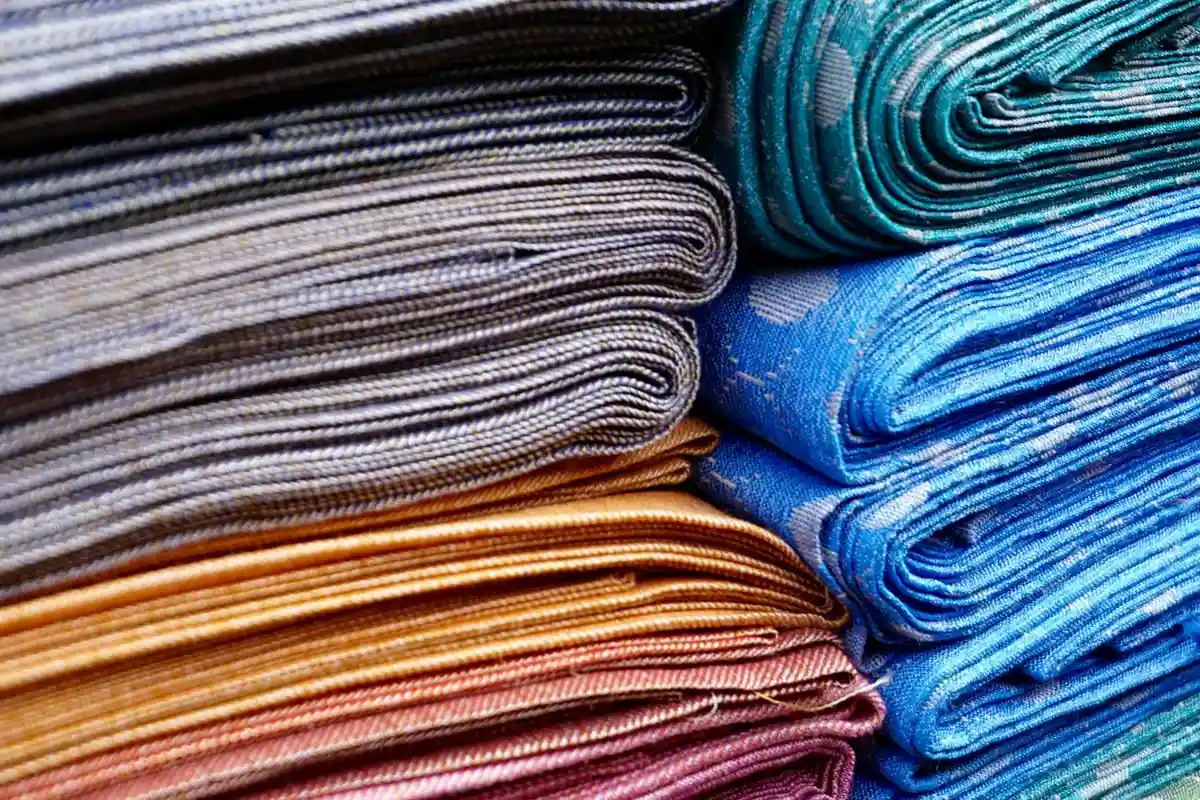
To understand how these fabrics behave, you need to know where they come from. Their birth stories are completely different, and that shapes everything that follows.
Polyester begins its life as crude oil. It’s a synthetic polymer, meaning chemists build its long molecular chains from scratch in a factory. The process is called polymerization. Think of it like snapping together Legos into a very long, very strong chain. This plastic-like origin is why polyester feels synthetic and has certain performance traits.
Rayon, on the other hand, starts with a natural material: cellulose. This is the main structural component of plants. Wood pulp from trees like bamboo, eucalyptus, or beech is the most common source. Rayon is not synthetic; it’s a “regenerated cellulose” fiber. The wood pulp is dissolved in a chemical solvent, turned into a viscous liquid, and then forced through tiny holes (spinnerets) into a bath that solidifies it into threads. It’s a natural polymer taken apart and rebuilt in a lab.
That fundamental difference-built from oil versus rebuilt from wood-is the key to their environmental impacts and how you must care for them. The plastic-like nature of polyester makes it tough and resistant, while rayon’s regenerated structure is more delicate and absorbent.
Durability Showdown: Pills, Pulls, and Long-Term Wear
Is polyester more durable than rayon? In nearly every mechanical sense, yes. Polyester is the workhorse; rayon is the more delicate artist. Rayon’s development history—from early viscose experiments to modern regenerated fibers—explains its traits. Tracing its evolution helps place rayon’s role in textiles today.
Let’s talk strength. Polyester fibers have high tensile strength, meaning they resist breaking when pulled. This is true both dry and wet. Rayon, however, loses up to 50% of its strength when wet. This is the single most important fact for caring for rayon: handle it with extreme gentleness when it’s damp or wet. You can feel this difference at home. Find an inside seam on a garment you know is 100% rayon and one that’s 100% polyester. Get a thread slightly wet and give it a gentle, careful tug. The polyester thread will feel like a tough plastic filament; the rayon will feel fragile and may even break easily.
Abrasion is another big differentiator. Both can pill, but in different ways. Polyester’s strong fibers resist breaking, so abrasion often creates tiny, hard balls of fiber (pills) that cling stubbornly to the surface. The fabric underneath remains intact. Rayon’s fibers are weaker, so friction causes them to break and create a fuzzy surface. This fuzz can then wear thin, leading to holes in high-stress areas like inner thighs or elbow creases much faster than polyester would.
Wrinkle resistance is a clear win for polyester. Those synthetic polymer chains have a great memory. They spring back after being folded or crumpled. Rayon’s cellulose chains are far more relaxed. They crumple easily and often need steam or ironing to look smooth again. If you need a travel-friendly fabric that won’t wrinkle in a suitcase, polyester is the choice.
For long-term wear, a polyester garment will generally outlast a rayon one in the same style, surviving more washes and friction without thinning or tearing. But durability isn’t everything-rayon offers breathability and drape that polyester struggles to match, which we’ll explore next in the differences in fiber composition.
Breathability & Moisture: Why One Sticks and One Sips
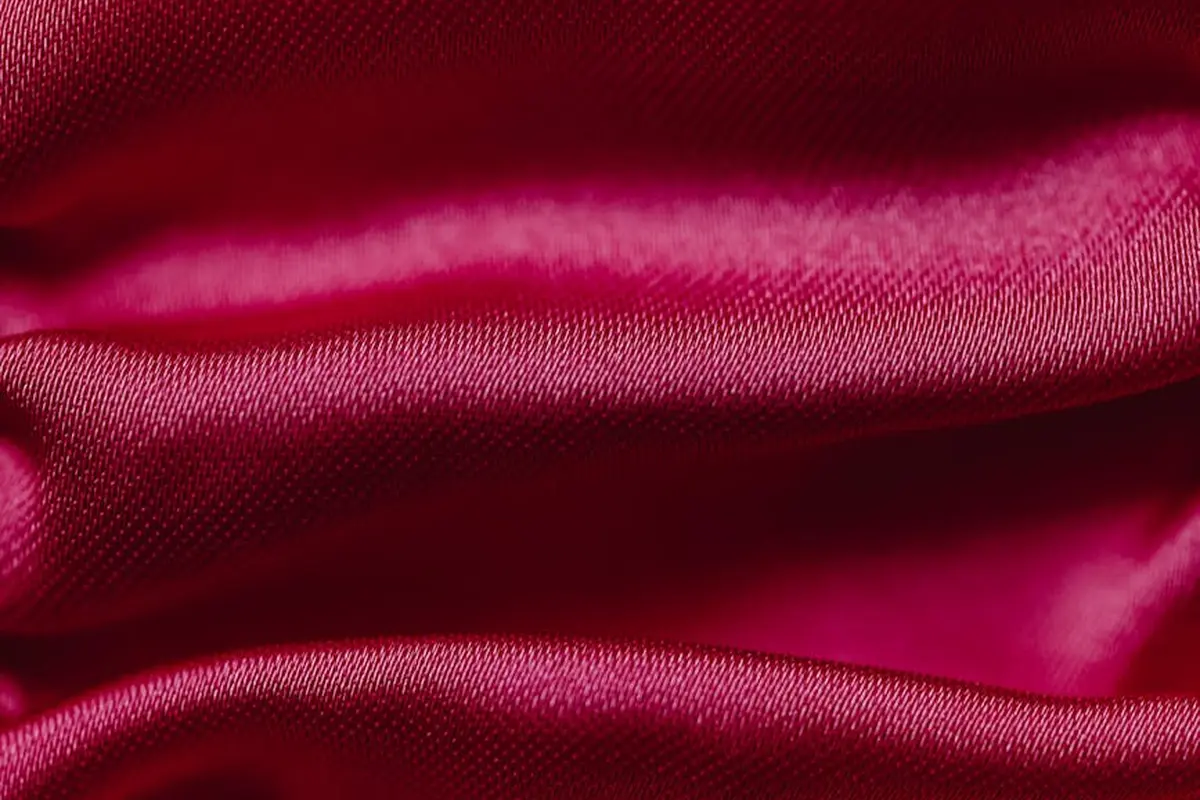
So, does rayon breathe better than polyester? Yes, significantly. The difference comes down to their fundamental structures. Think of rayon fibers like a sponge and polyester fibers like a sheet of plastic wrap. When considering polyester vs nylon performance, nylon often offers more strength and elasticity. Polyester, on the other hand, tends to excel in moisture management and durability.
Rayon is made from plant cellulose. Its molecular structure has tiny gaps that attract and absorb water vapor from your skin. This absorption pulls heat away, creating that instantly cool, dry feeling against your cheek. It sips moisture, much like cotton does, which is why a rayon blouse feels so comfortable on a hot day.
Polyester, a synthetic plastic fiber, is hydrophobic. It repels water. While this makes it quick to dry, it doesn’t absorb your sweat. Instead, moisture beads up on the fiber or gets trapped between the fabric and your skin. This often leads to that sticky, clammy sensation, as polyester can trap body heat and humidity close to you.
This is why their uses diverge. Polyester excels in performance gear where its inherent wicking is a downside. To fix it, special chemical finishes are applied to the fabric’s surface to actively pull moisture away (wicking). Rayon, with its natural absorbency, is the go-to for breezy, drapey summer tops, dresses, and linings where airflow and a cool hand are the priority.
Try this simple test. Hold a piece of polyester and a piece of rayon to your cheek or the inside of your wrist. You’ll often feel the rayon’s cooler temperature immediately.
The Care Routine: Washing, Drying, and Ironing
How you wash rayon and polyester is dictated by their origins: one is a delicate, reshaped natural polymer, and the other is a tough plastic. Treating them the same is a sure path to ruined clothes. A quick look at wash care for polyester and rayon can guide how you treat each fabric. Small differences in cycle settings and detergents make a big difference.
Washing & Drying: A Side-by-Side Guide
For Polyester:
- Machine wash in cool or warm water (up to 40°C / 104°F).
- Use a standard detergent. It’s very resistant to chemicals.
- Tumble dry on a low heat setting. High heat can cause gradual damage or minimal shrinkage (1-3%).
- It will air-dry incredibly fast.
For Rayon (especially viscose):
- Always check the label first. Hand-washing is the safest bet.
- If machine washing, use the delicate cycle with cold water and a gentle detergent.
- Never wring or twist rayon when wet. It is incredibly weak and can distort permanently.
- Lay the garment flat on a towel to dry, reshaping it gently. Never put rayon in the dryer.
The Shrinkage Reality
This is a major point of confusion. Polyester is highly resistant to shrinkage from washing; any minimal shrinkage (that 1-3%) usually comes from high heat in the dryer melting the fibers slightly.
Rayon is the opposite. Rayon can and will shrink dramatically, often between 10-15%, especially if exposed to heat and agitation in a dryer. The fibers relax back toward their original, shorter state when wet and hot. This is why flat-drying is non-negotiable for rayon.
Ironing & Final Tips
Polyester has a low melting point. Always iron it on a low heat setting (synthetic mode) and avoid leaving the iron in one spot. Using a press cloth is a smart precaution.
Rayon can handle a bit more heat. Use a medium heat setting with plenty of steam. I always iron rayon garments inside-out to prevent creating a shine on the surface. The steam helps relax wrinkles without needing high pressure.
A final warning for rayon: it is sensitive to water spots. If you spot-clean it, dampen the entire area evenly to prevent a ring. And remember, when wet, it’s fragile. Handle it with support, never by the weight of the soaking fabric.
Dyeing and Color: Why Your Tie-Dye Acts Differently
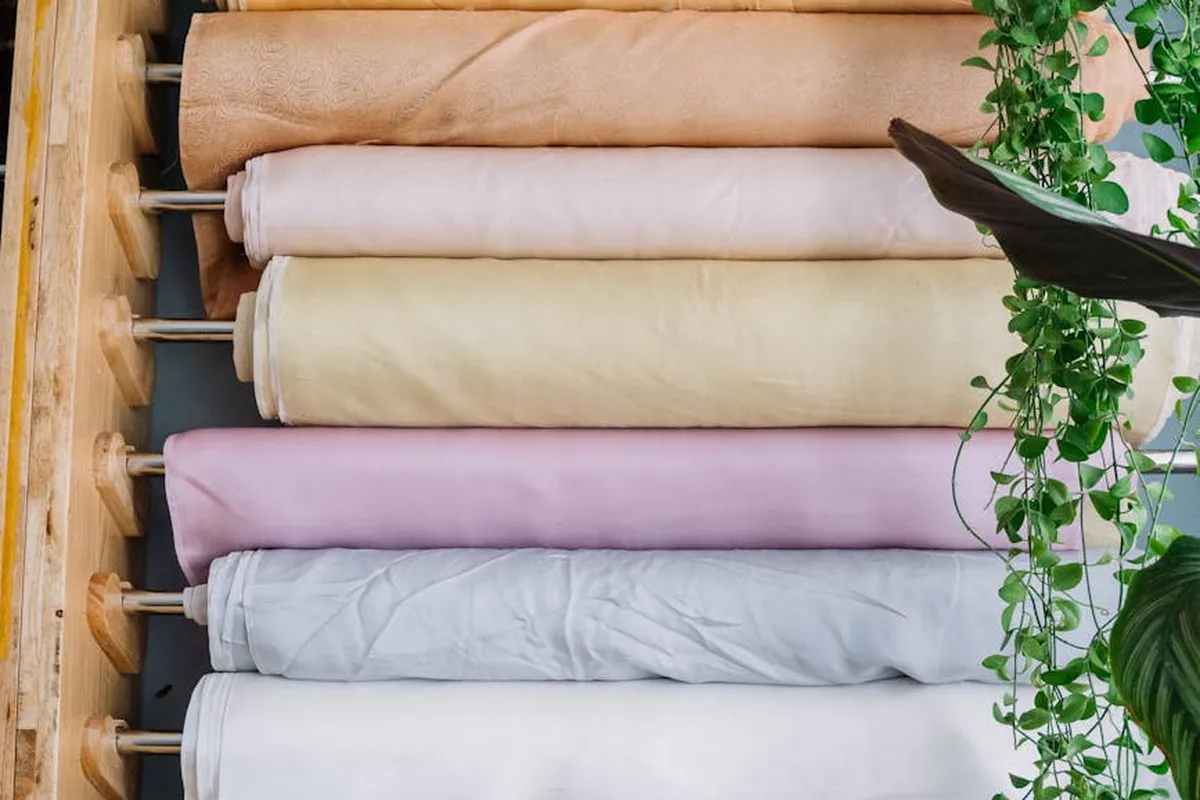
If you’ve ever tried a home dye project, you know the fabric type changes everything. Rayon and polyester accept color in completely different ways. That’s especially true when dyeing specialty fabrics at home. Knowing how fibers behave helps you pick the right dyes and methods before you start.
Rayon has a chemistry similar to cotton, so it bonds beautifully with the same fiber-reactive dyes, giving you rich, luminous colors. Polyester, however, is a petrochemical plastic. Its molecules are hydrophobic and tightly packed, so they only accept a special class of dyes called disperse dyes. These dyes require very high heat to force the polyester fibers to open up and let the dye in.
This fundamental difference dictates how colorfast your finished garment will be. Once that polyester dye is heat-set, it’s locked in for good. I’ve tested polyester swatches through dozens of washes with almost no fading. Rayon is different. While the colors can be stunning, darker shades like navy, black, and crimson are prone to bleeding, especially on the first few washes. The dye molecules aren’t always fully fixed.
For home crafters, this means rayon is the easier path. You can use the same dyes and bucket-dyeing methods as for cotton. For polyester, you’ll need specific disperse dyes (like iDye Poly) and a stovetop method to maintain a near-boiling temperature for 30-60 minutes. It’s a more involved process.
My non-negotiable care tip for any new rayon garment in a dark color: wash it alone in cold water for the first three cycles. This precaution catches any loose dye before it can stain other clothes. Treat it like a new pair of dark jeans.
Environmental Impact: Microplastics, Forests, and Your Laundry
Many people ask me which is the “better” fabric: polyester or rayon. The honest answer is that both have significant environmental trade-offs, and there is no perfect choice. If you’re curious about the differences between viscose, rayon, modal, cotton, and polyester, I’ll break down what sets each apart. That comparison can help you choose fabrics with the properties and sustainability you care about.
Let’s start with polyester. It’s derived from fossil fuels, and its production is energy-intensive. The bigger issue happens in your washing machine. Every wash releases tiny plastic microfibers that flow into waterways. Using a washing bag designed to catch these fibers, like a Guppyfriend or Cora Ball, is a direct action you can take to reduce this shedding. On a positive note, polyester is highly recyclable into rPET, giving plastic bottles a second life as fabric.
Rayon, often marketed as a “natural” fiber, comes from wood pulp. The problem isn’t the source, but the process. Conventional viscose rayon production can involve deforestation and uses a cocktail of harsh chemicals to dissolve the pulp into a spinnable solution. Look for certifications like FSC (Forest Stewardship Council) to ensure wood comes from responsibly managed forests. Better yet, seek out fibers made with closed-loop methods, such as Lyocell (branded as Tencel), which recovers and reuses over 99% of its solvents.
At the end of a garment’s life, polyester will sit in a landfill for centuries. Rayon is biodegradable in the right conditions, but the chemical residues from its production can leach out as it breaks down, unlike some silk and rayon fabrics that are safer.
The most sustainable garment in your closet is the one you already own, cared for properly and worn for years. Choose quality over quantity, wash in cold water with gentle detergents, and repair what you can. That practice has a greater impact than any single fiber choice.
Your Guide to Lasting Fabric Choices
Let your daily needs lead: select polyester for resilient, easy-care items that hold their shape through countless washes. Reserve rayon for pieces where breathability and a soft, flowing drape are paramount, always following its gentler care label to prevent damage.
I view every garment as a resource; washing polyester in cool water and air-drying rayon conserves energy and extends their life, reducing waste. Stay curious about fiber behavior-knowing why cotton shrinks or how silk accepts dye helps you care for all fabrics mindfully, building a wardrobe that lasts.
Related Guides and Information
- Comparing Rayon vs Polyester: 4 Key Factors to Consider
- Polyester vs Rayon Fabric, Difference Between Rayon and Polyester
- r/womensfashion on Reddit: I f*ckin hate polyester & rayon and I’m tired of brands making breathable materials feel like a luxury
- Rayon vs Polyester: Fabric Comparison Guide
Florian is a high fashion blog writer, fashion and fabric expert and a keen expert in fabric, clothing and materials. She has worked in large textile and fashion houses for over 10+ years, engineering and working with various fabric types and blends. She is an expert when it comes to questions on any and all kinds of fabrics like linen, cotton, silk, jute and many more. She has also traveled around the world studying traditional fabrics and aims to bring them into the modern fashion use.