
What Is Stronger: Spider Silk or Traditional Silk?
When you hear “spider silk,” you might picture a superhero’s suit, but the real question is how it stacks up against the cultivated silk in your wardrobe for strength, feel, and care.
In this article, I’ll draw on lab comparisons and hands-on textile science to break down the key differences. We will cover the true strength and stretch of each fiber, their hypoallergenic and biocompatible properties, how you would actually wash and care for them, and what futuristic medical and technical applications are being developed.
Executive Summary: The Quick Comparison
Picture this. You hold two filaments. One is the luxurious, gleaming thread of cultivated silk, familiar from your favorite blouse. The other is a lab sample of spider silk, finer than a human hair but startlingly strong. They look similar, but they are worlds apart.
Here is the core truth: spider silk is a marvel of biological engineering, outperforming cultivated silk in strength and biocompatibility, but you cannot buy it as fabric. Cultivated silk, from the silkworm, is the accessible, luxurious fiber we have cherished for millennia.
For a fast, practical understanding, focus on these key differences:
- Source: Cultivated silk comes from the cocoon of the domesticated silkworm (Bombyx mori). True spider silk is harvested-with immense difficulty-from spiders themselves, though bioengineered versions are grown using yeast, bacteria, or even goats.
- Feel: Cultivated silk has that classic, smooth, and slightly dry “hand.” Bioengineered spider silk materials often aim for a high-tensile sleekness, but can feel surprisingly springy or resilient depending on their structure.
- Common Uses Today: Cultivated silk is for clothing, linens, and elegant textiles. Spider silk research targets medical sutures, artificial tendons, bullet-resistant vests, and high-tech composites.
- Care Implications: You need to hand-wash your silk blouse in cool water. You will never need to wash a spider silk biomedical implant; your body accepts it.
Understanding both fibers helps you appreciate the material in your hands and the future being woven in labs. It sharpens your eye for care and your curiosity for innovation.
Material Data Table: Spider Silk vs. Cultivated Silk
This table compares key properties. Remember, data for spider silk is based on lab studies of the protein fiber and its bioengineered forms, not a fabric you can purchase off the bolt.
| Property | Spider Silk (Bioengineered/Research Forms) | Cultivated Silk (Bombyx Mori Fabric) |
|---|---|---|
| Breathability | Theoretically high due to protein structure, but heavily dependent on final material fabrication (e.g., a dense film vs. a woven mesh). | Excellent. The natural protein fibers allow moisture vapor to pass through, making it cool in summer and warm in winter. |
| Shrinkage Rate | Not applicable as a laundered textile. In biomedical settings, it’s engineered for dimensional stability in the body. | 3-5% with improper care. Hot water or aggressive machine washing causes the protein fibers to constrict and felt slightly. |
| Heat Tolerance | Protein begins to degrade around 300°C (572°F), but engineered forms vary. | Moderate. Use a cool iron (300°F / 150°C max). High heat scorches, yellows, and weakens the fibers instantly. |
| Stretch Factor | Exceptional. Certain spider silks can elongate up to 40% of their length before breaking, absorbing massive energy. | Low. It has about a 20% elongation at break. It gives slightly but can snap if overstretched, leading to permanent deformation. |
| Hand Feel | In lab forms, it can range from a slick, high-strength filament to a surprisingly rubbery or springy gel, depending on processing. | Consistently smooth, lustrous, and fluid with a crisp, dry hand. You know it when you feel it. |
The “hand feel” note is critical: cultivated silk’s reliable luxury comes from centuries of standardized production, while spider silk’s potential is still being shaped in the lab.
How Their Fiber Structure Dictates Strength, Shrinkage, and Feel
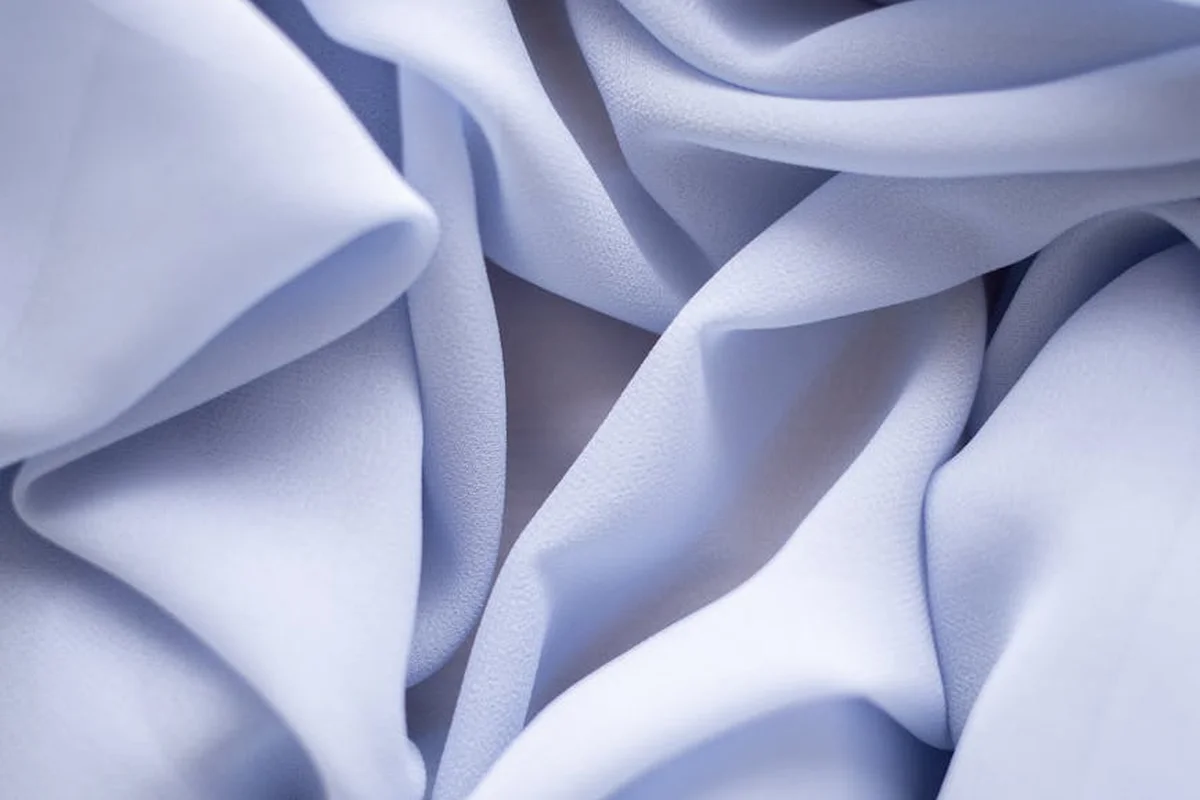
Both silks start as liquid protein, but their origins set them on completely different paths. Cultivated silk, from the cocoon of the Bombyx mori silkworm, is a single, continuous filament meant to be a protective shell made of sericin. Spider silk, extruded from a spider’s spinnerets, is a multi-purpose tool for webs, draglines, and egg sacs. This fundamental difference in purpose is written into their molecular blueprints.
The silkworm’s silk protein, fibroin, is a relatively simple, repetitive sequence. When the caterpillar spins, it creates a smooth, uniform thread. A spider’s silk proteins, like spidroins, are far more complex. Their structure includes highly organized crystalline regions linked by flexible, amorphous segments. Think of cultivated silk as a smooth, consistent rope, while spider silk is like a bundle of supremely strong, perfectly aligned rubber bands mixed with rigid rods. This nano-architecture is why spider silk can absorb immense energy without breaking.
This structural difference dictates everything you’d experience with the fabric. The aligned proteins in spider silk grant it legendary tensile strength but may also make it react differently to moisture and heat. Cultivated silk’s simpler structure gives us that beloved drape and sheen, but makes it more susceptible to shrinkage under stress.
The Science of Strength: Why Spider Silk Wins on Paper
Tensile strength measures how much pulling force a fiber can take before it snaps. Elasticity is how much it can stretch and spring back. Imagine a spider’s dragline silk. Pound for pound, it’s stronger than steel and can stretch up to 40% of its length. It’s like having a cable as strong as high-grade alloy but with the bounce of a rubber band.
Cultivated silk is no weakling. It has a high tensile strength for a natural fiber, which is why silk garments can be so durable and resist tearing with proper care. But while your silk blouse is plenty strong for daily wear, spider silk’s strength is in a league suited for potential applications like lightweight body armor or surgical sutures. In lab tests, major ampullate (dragline) spider silk can have a tensile strength several times greater than that of cultivated silk.
The most common FAQ is “how much stronger is it?” While specific numbers vary by spider species, spider dragline silk is often cited as having a tensile strength ranging from 1.1 to 2.9 GPa. Cultivated silk typically measures around 0.5 GPa. That’s a significant margin on paper.
From Molecule to Hand Feel: Why Cultivated Silk Drapes So Well
The smooth, continuous filament of cultivated silk is a gift to textile makers. That long, unbroken fiber can be spun into yarns with minimal surface fuzz, creating a fabric with a sleek “hand” or feel. The fibers lay flat and reflect light evenly, giving silk its signature luminous sheen. This fineness and smoothness allow it to flow and drape with a heavy, luxurious fluidity. In silk fiber production, these filaments are woven or knitted into fabrics that express that refined texture in wearable form.
Spider silk in its natural state is a different tactile experience. Depending on the gland it comes from, it can be sticky, highly elastic, or exceptionally tough. A fabric woven from pure spider silk might have a more varied texture, potentially with more springiness and loft than the liquid drape of cultivated silk. The incredible fineness of spider silk fibers, even thinner than cultivated silk, could theoretically lead to ultra-light, gossamer fabrics with sublime breathability.
This fiber fineness directly impacts how a fabric feels against your skin. Finer fibers can be woven into tighter, smoother surfaces, which highlights the differences between fabric weaves and materials. Both silks would be breathable, as protein fibers naturally absorb moisture, but the potential texture difference would be unmistakable.
Predicting Shrinkage: A Tale of Two Protein Fibers
Shrinkage in protein fibers happens when heat, moisture, and agitation disturb the bonds within the fiber. Imagine the protein chains as a loosely coiled spring. Heat and water can cause them to relax and contract into a tighter, more stable coil. Mechanical agitation, like the spin cycle of a washer, helps push them into this new, shrunken position.
Cultivated silk is famously prone to this. Hot water is the primary culprit, often causing shrinkage of 5% to 10% or more. The fibers can also develop “crepe” or a crinkled texture if agitated too much while wet.
The shrinkage risk for spider silk is a fascinating unknown. Its protein structure is more complex and heavily cross-linked. This could make it more dimensionally stable when exposed to water, or it could make it react unpredictably to heat, as those precise crystalline regions might be sensitive to high temperatures. This foundational science leads us directly to the care principles you need to know.
Washing, Drying, and Everyday Care for Silk Fabrics
Since you likely own cultivated silk, let’s focus on practical, step-by-step care. For spider silk, I’ll discuss principles based on its protein nature, though actual care routines are still theoretical. My goal is to answer your silent question: “How do I prevent my beautiful silk from shrinking or getting ruined, unlike synthetic ones like polyester or nylon blends?”
Your Cultivated Silk Wash Cycle: A Step by Step Guide
Hand washing is always the safest bet. It gives you complete control over the three enemies: heat, agitation, and harsh chemicals.
- Fill a clean basin with cool to lukewarm water (never above 30°C or 85°F).
- Use a small amount of a mild, pH-neutral detergent meant for delicates or wool.
- Turn the garment inside out. Submerge it and gently swirl it for 2-3 minutes. Never scrub, twist, or wring.
- Drain the soapy water and refill the basin with clean, cool water to rinse. Repeat until the water runs clear.
If you must machine wash, always use a front-loading machine on a dedicated “hand wash” or “delicate” cycle. Place the silk item inside a zippered mesh laundry bag for protection. For silk fabric care washing, gentle handling and cool water help maintain softness and color. Never, ever use chlorine bleach, enzyme-based stain removers, or fabric softener on silk, as they will degrade the protein fibers.
Drying and Ironing: Preserving the Drape and Sheen
After washing, press the garment gently against the side of the basin to remove excess water. Do not wring. Roll it in a clean, dry towel to absorb more moisture.
Lay the garment flat on a fresh, dry towel or a drying rack, away from direct sunlight or heat sources. Reshape it to its original dimensions. Sunlight can fade dyes and weaken fibers over time.
To iron, set your iron to a “Cool” or “Warm” setting (often the silk/wool setting). Always iron the garment while it is still slightly damp. Place a clean, thin cotton cloth (a pressing cloth) between the iron and the silk. Use a gentle, gliding motion-don’t press down heavily in one spot.
For hypothetical spider silk, I’d advise even greater heat caution. Its sensitive protein alignment might distort at lower temperatures than cultivated silk. Air drying flat would be non-negotiable.
Stain Removal and Storage for Long Term Care
For common stains like sweat or food, act fast. Blot-don’t rub-the stain with a clean cloth. For fresh sweat marks, a light dab with a cloth dampened with a 50/50 mix of white vinegar and cool water can help, followed by a rinse with clean water. Always test any solution on an inside seam first.
For storage, allow silk to breathe. Use cotton garment bags or pillowcases. Never store silk in plastic, as it can trap moisture and lead to mildew. Fold items loosely rather than hanging them for long periods to prevent stress on the shoulders. Gentle, consistent care is the single biggest factor in extending the life of delicate, precious protein fibers like silk, preserving their strength and beauty for years. Silk requires consistent care.
Dyeing Silk: How Fiber Origin Affects Color
All silk is a protein fiber, just like your hair or wool. This means it has a natural, positive attraction to certain types of dyes, particularly acid dyes and many natural dyes. The dye molecules bond to the protein chains in a way that can be very permanent and vivid.
Cultivated silkworm silk, with its famously smooth and uniform filament, acts like a perfect, blank canvas for color. The dyes settle evenly along the consistent surface, giving you that classic, luminous, and uniform shade silk is known for. Spider silk proteins are different. Their structure is more variable, even in lab-grown versions. This irregularity could lead to fascinating, subtle variations in how dye is absorbed, creating unique color effects that are impossible to replicate with cultivated silk.
Home Dyeing Notes for Cultivated Silk
You can successfully dye cultivated silk at home. I’ve done it in my studio for years. The key is respecting the fiber’s delicacy while ensuring a strong dye bond.
- Use acid dyes specifically formulated for protein fibers. They are safe and effective.
- Always maintain a low simmer, around 160-180°F (71-82°C). A rolling boil will damage the silk’s proteins, making it harsh and weak.
- Control your pH. Adding a cup of white vinegar to the dye bath helps create the acidic environment needed for the dye to bond properly to the silk.
Before you dye any cherished piece, you must perform a colorfastness test on a hidden seam or scrap. Immerse the scrap in your prepared dye bath for the full time, then rinse it thoroughly and press it dry with a hot iron between two pieces of white cloth. If no color transfers, your dye job should be stable.
After dyeing, care for your silk with a gentle, dye-specific detergent like Synthrapol for the first few washes. This prevents leftover dye from bleeding onto other fabrics and locks in your beautiful color. For a consistent finish on cotton, wool, silk, and synthetics, learning how to set and fix the dye helps keep colors vibrant across fibers.
Why Dyeing Spider Silk is a Lab Experiment, Not a Home Project
You will not find spider silk fabric at your local craft store. The material, even when bioengineered, is produced in minute quantities for research. This alone makes home dyeing impractical.
The real barrier is the unknown. We don’t have centuries of craft knowledge about how spider silk proteins react to heat, pH, and dye chemicals outside a controlled lab. Applying home dye methods could degrade its extraordinary strength or cause unpredictable reactions. For now, if color is needed for a spider silk application, like a tinted surgical suture, the dyeing process is designed and integrated directly into the biofabrication stage by scientists.
Environmental Impact and Ethical Material Choices
Cultivated silk has a complex profile. It is a natural, biodegradable fiber, which is a significant advantage over petroleum-based synthetics. The process, however, can be resource-intensive. Traditional sericulture uses considerable water, and the degumming of the raw filaments to make them soft often involves chemicals and heated water. In the broader fiber taxonomy, silk sits among natural fibers like cotton and wool, contrasted with synthetic classifications. Understanding these classifications helps compare silk with cotton, wool, and synthetics in sustainability and processing.
We must talk openly about animal welfare. In conventional silk production, the silkworm pupa is killed inside the cocoon to preserve the long, continuous filament. Silk production hinges on the biology of silkworms, and the moths they become. Understanding that lifecycle helps explain why some people seek alternatives like Ahimsa silk. For makers and consumers who prioritize ethics, alternatives exist. Peace silk, also called Ahimsa silk, allows the moth to emerge naturally before the broken cocoons are collected and spun. It is a different texture, but it aligns with compassionate choices.
Spider silk farming at scale is impossible due to the cannibalistic nature of spiders. The ethical path forward is the bioengineered one. Lab-grown spider silk, produced by fermenting modified yeast or bacteria, removes the animal from the production equation entirely, focusing on replicating just the valuable protein.
Biodegradability and End of Life
At their core, both cultivated and bioengineered spider silk are protein-based materials. This means they will eventually break down and return to the earth under the right conditions (moisture, microbes, oxygen), unlike polyester which can persist for centuries.
This natural cycle can be slowed or stopped by the chemicals we add. Synthetic dyes and durable water repellent (DWR) finishes can interfere with biodegradation. If reducing your garment’s end-of-life impact is a goal, seeking out undyed or naturally dyed silks is a powerful choice.
Making Conscious Choices as a Maker or Consumer
Your purchasing power supports practices. Choosing recycled silk or ethically sourced peace silk directly promotes better animal welfare in the textile industry. It gives new life to existing materials and supports humane methods.
Think of bioengineered spider silk as a specialist tool, not everyday fabric. Its future is in high performance applications where its unique strength and biocompatibility are non-negotiable, such as advanced medical implants or lightweight ballistic panels, not in replacing a traditional silk blouse.
The most sustainable garment is the one you already own, cared for properly. Hand washing in cool water with a gentle soap, avoiding harsh wringing, and drying flat will keep any silk item beautiful and functional for decades, minimizing waste. I still wear silk pieces I dyed over ten years ago because I respected the fiber from the start.
Last Notes on Silk Care and Future Fabrics
The key takeaway from comparing spider and cultivated silk is this: always match your care routine to the fiber’s protein structure. Hand wash silk in cool water with a mild soap and lay it flat to dry, avoiding wringing, to preserve its strength and luster.
As fabric science evolves, I urge you to adopt responsible practices, like supporting ethical silk production and learning how fiber properties affect washing and dyeing. Your choices in care and consumption directly impact textile sustainability and animal welfare.
Further Reading & Sources
- Spider silk – Wikipedia
- Golden Spider Silk Cape – Wikipedia
- r/interestingasfuck on Reddit: The only piece of clothing ever made from spider silk. Woven by hand over the course of three years from the silk of millions of golden orb weaver spiders.
- The Tangled History of Weaving with Spider Silk – JSTOR Daily
- Microsilk™ | Vegan Silk Inspired By Spider Silk
Florian is a high fashion blog writer, fashion and fabric expert and a keen expert in fabric, clothing and materials. She has worked in large textile and fashion houses for over 10+ years, engineering and working with various fabric types and blends. She is an expert when it comes to questions on any and all kinds of fabrics like linen, cotton, silk, jute and many more. She has also traveled around the world studying traditional fabrics and aims to bring them into the modern fashion use.